• Research
  • Strategic Europe
  • About
  • Experts
Carnegie Europe logoCarnegie lettermark logo
EUUkraine
  • Donate
{
  "authors": [
    "Karim Sadjadpour"
  ],
  "type": "legacyinthemedia",
  "centerAffiliationAll": "dc",
  "centers": [
    "Carnegie Endowment for International Peace"
  ],
  "collections": [],
  "englishNewsletterAll": "menaTransitions",
  "nonEnglishNewsletterAll": "",
  "primaryCenter": "Carnegie Endowment for International Peace",
  "programAffiliation": "MEP",
  "programs": [
    "Middle East"
  ],
  "projects": [],
  "regions": [
    "Middle East",
    "Iran",
    "Gulf"
  ],
  "topics": [
    "Economy",
    "Political Reform",
    "Nuclear Policy"
  ]
}
Source: Getty

In The Media

Talk of a ‘Red Line’ Stirs Fears Inside Iran

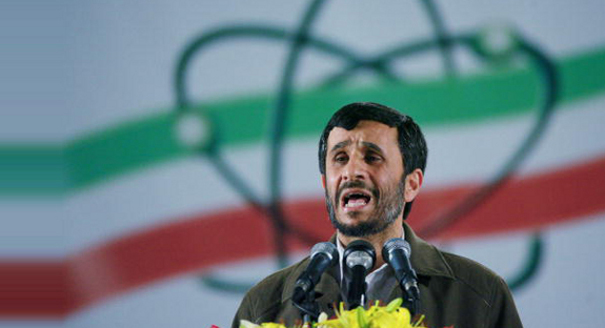
The possibility of a military action targeting Iran, along with the current economic sanctions, are creating anxiety inside the country.

Link Copied
By Karim Sadjadpour
Published on Sep 27, 2012

Source: PRI's The World

The heightened tensions between Israel, the United States, and Iran regarding Iran’s nuclear program, along with the devastating economics sanctions, are causing increased anxiety in the country. Speaking on PRI’s The World, Carnegie's Karim Sadjadpour noted that when people suffer under economic sanctions, it tends to accentuate their pre-existing political views. In other words, “if you are a supporter of the government you place the onus for personal economic hardship on the U.S. and Western imposed sanctions and if you are an opponent of the government, then you blame it on the regime.” The trend lines in Iran point to a further entrenchment of the dictatorial regime, ruled by Supreme Leader Khamenei and the Revolutionary Guard, Sadjadpour continued. Despite strong resentment among a large swath of the Iranian population, there seems to be little movement towards something resembling the Arab spring. The memory of the brutal repression following the contested 2009 elections demonstrated the regimes policy of refusing to bend, he added. Moreover, “In Iran, the term revolution does not have the romantic connotation that it does in the Arab world because much of the population is so disillusioned with the 1979 revolution,” concluded Sadjadpour.

About the Author

Karim Sadjadpour

Senior Fellow, Middle East Program

Karim Sadjadpour is a senior fellow at the Carnegie Endowment for International Peace, where he focuses on Iran and U.S. foreign policy toward the Middle East.

    Recent Work

  • Q&A
    What’s Keeping the Iranian Regime in Power—for Now

      Aaron David Miller, Karim Sadjadpour, Robin Wright
  • Q&A
    How Washington and Tehran Are Assessing Their Next Steps

      Aaron David Miller, David Petraeus, Karim Sadjadpour

Karim Sadjadpour
Senior Fellow, Middle East Program
Karim Sadjadpour
EconomyPolitical ReformNuclear PolicyMiddle EastIranGulf

Carnegie does not take institutional positions on public policy issues; the views represented herein are those of the author(s) and do not necessarily reflect the views of Carnegie, its staff, or its trustees.
More Work from Carnegie Europe

  • Commentary
    Strategic Europe
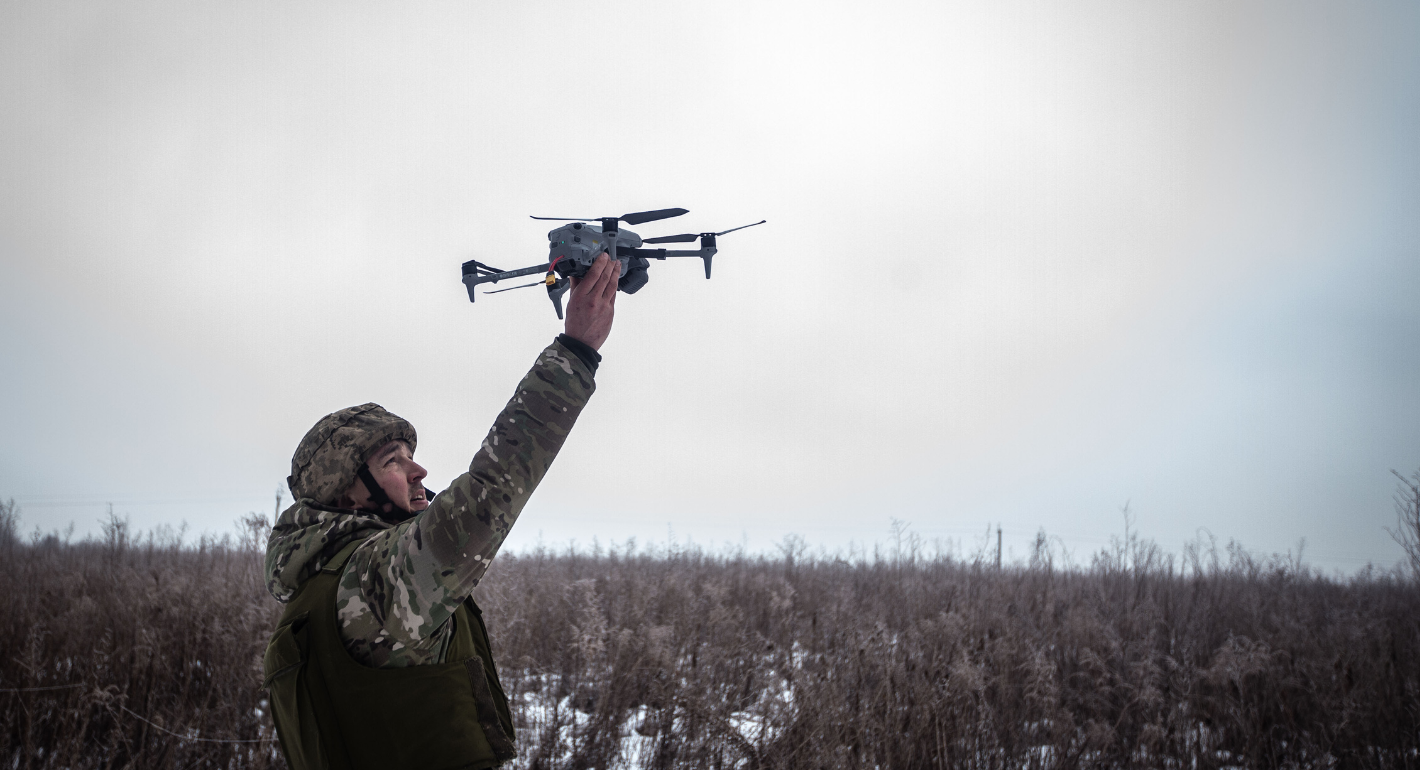
    The Fog of AI War

    In Ukraine, Gaza, and Iran, AI warfare has come to dominate, with barely any oversight or accountability. Europe must lead the charge on the responsible use of new military technologies.

      Raluca Csernatoni
  • Commentary
    Strategic Europe
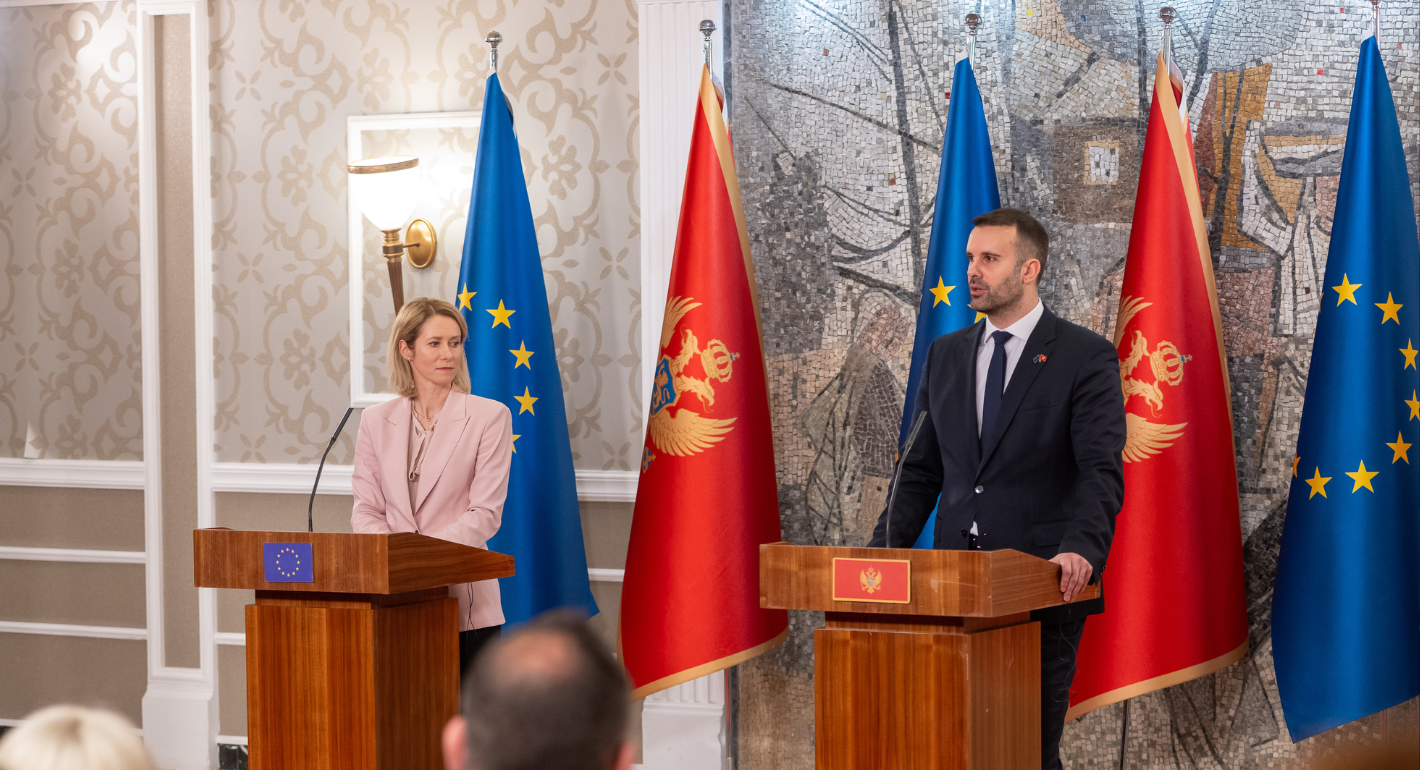
    How to Join the EU in Three Easy Steps

    Montenegro and Albania are frontrunners for EU enlargement in the Western Balkans, but they can’t just sit back and wait. To meet their 2030 accession ambitions, they must make a strong positive case.


      Dimitar Bechev, Iliriana Gjoni
  • Commentary
    Strategic Europe
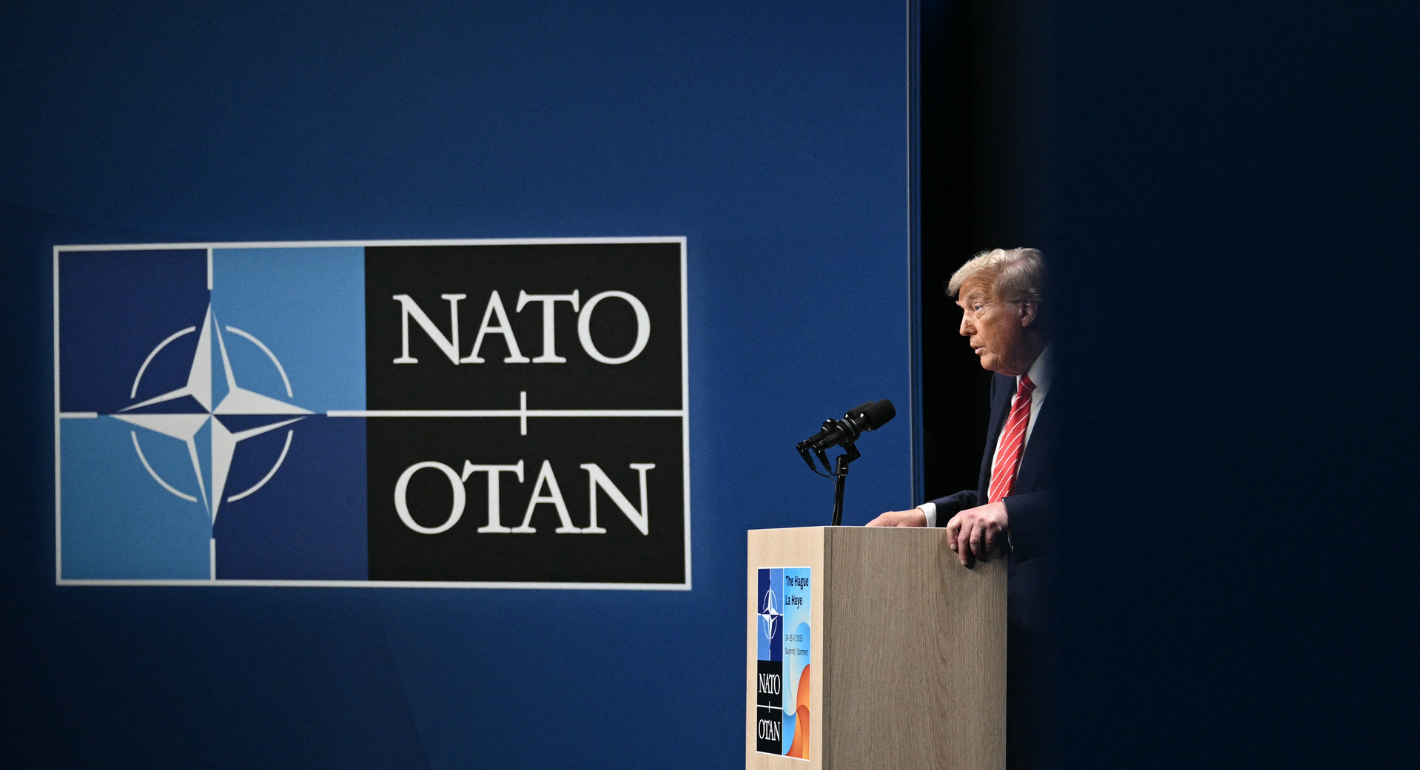
    Taking the Pulse: Can NATO Survive the Iran War?

    Donald Trump has repeatedly bashed NATO and European allies, threatening to annex Canada and Greenland and deploring their lack of enthusiasm for his war of choice in Iran. Is this latest round of abuse the final straw?

      • Rym Momtaz

      Rym Momtaz, ed.

  • Article
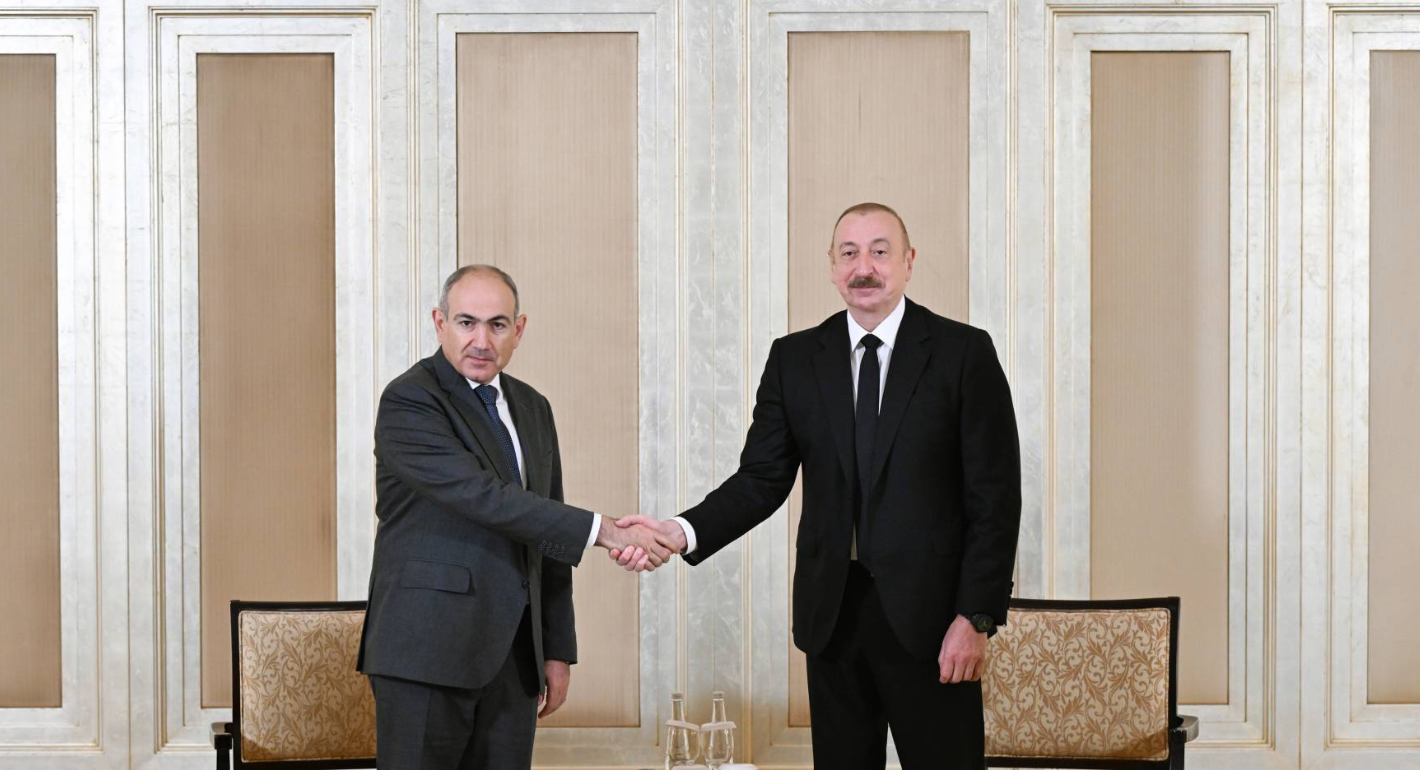
    Rewiring the South Caucasus: TRIPP and the New Geopolitics of Connectivity

    The U.S.-sponsored TRIPP deal is driving the Armenia-Azerbaijan peace process forward. But foreign and domestic hurdles remain before connectivity and economic interdependence can open up the South Caucasus.

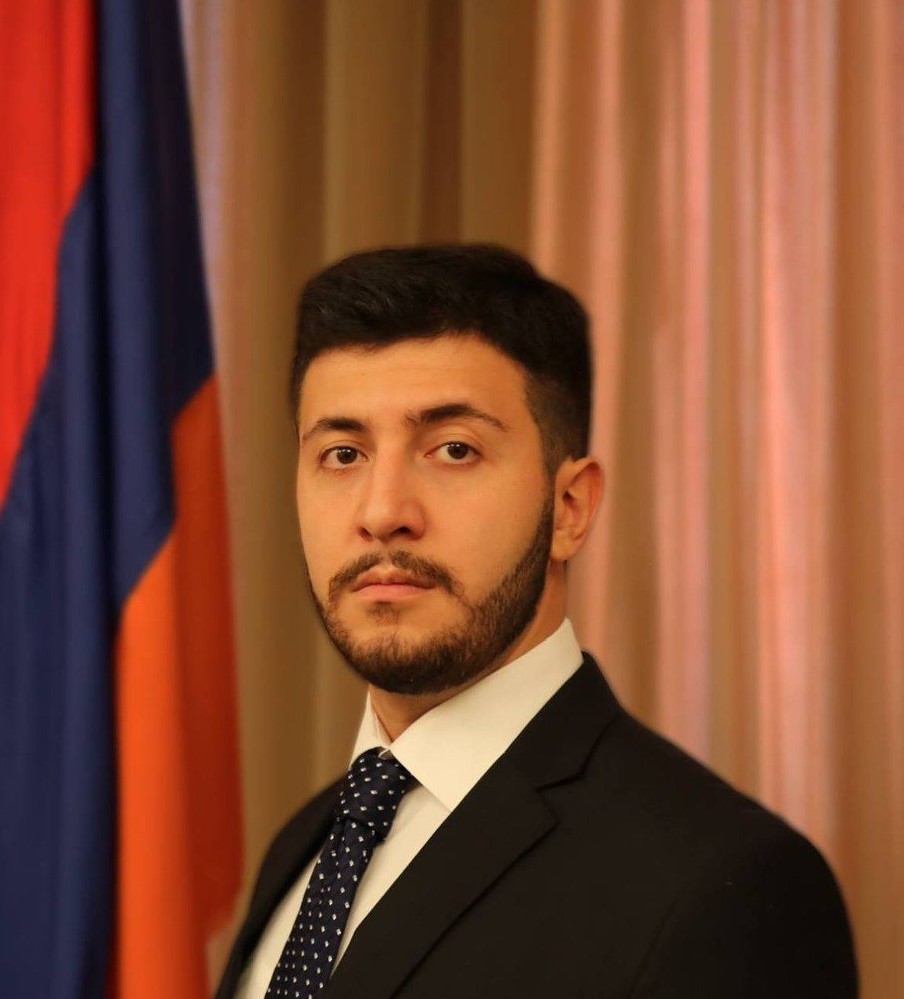
      • Areg Kochinyan

      Thomas de Waal, Areg Kochinyan, Zaur Shiriyev
  • Commentary
    Strategic Europe
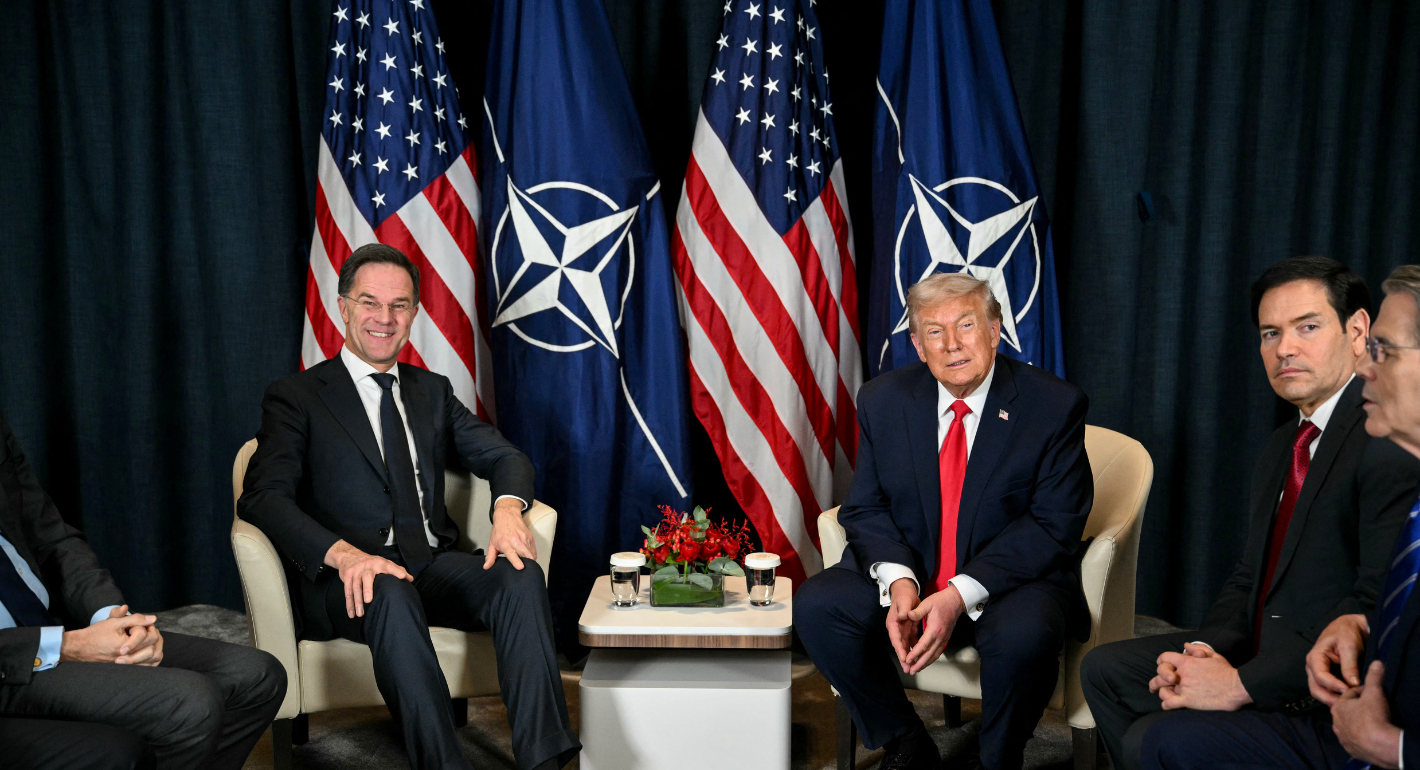
    Taking the Pulse: Is it NATO’s Job to Support Trump’s War of Choice?

    Donald Trump has demanded that European allies send ships to the Strait of Hormuz while his war of choice in Iran rages on. He has constantly berated NATO while the alliance’s secretary-general has emphatically supported him.

      • Rym Momtaz

      Rym Momtaz, ed.

Get more news and analysis from
Carnegie Europe
Carnegie Europe logo, white
Rue du Congrès, 151000 Brussels, Belgium
  • Research
  • Strategic Europe
  • About
  • Experts
  • Projects
  • Events
  • Contact
  • Careers
  • Privacy
  • For Media
  • Gender Equality Plan
Get more news and analysis from
Carnegie Europe
© 2026 Carnegie Endowment for International Peace. All rights reserved.