

Paper
Yezid Sayigh
{
  "authors": [
    "Yezid Sayigh"
  ],
  "type": "legacyinthemedia",
  "centerAffiliationAll": "",
  "centers": [
    "Carnegie Endowment for International Peace",
    "Malcolm H. Kerr Carnegie Middle East Center"
  ],
  "collections": [],
  "englishNewsletterAll": "",
  "nonEnglishNewsletterAll": "",
  "primaryCenter": "Malcolm H. Kerr Carnegie Middle East Center",
  "programAffiliation": "",
  "programs": [],
  "projects": [],
  "regions": [
    "Levant"
  ],
  "topics": [
    "Political Reform"
  ]
}
Source: Getty
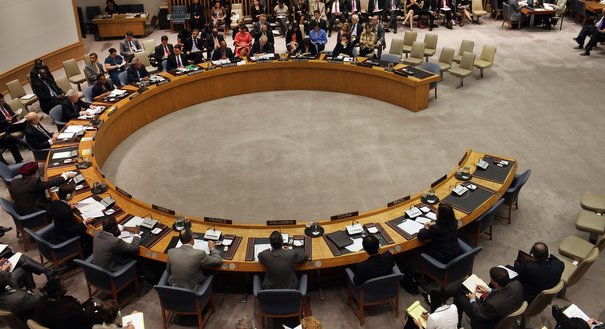
With the deadline for reaching a settlement on UN-observer status for the Palestinian Authority looming, the Palestinian leadership has so far shown no signs of being better prepared to deal with the possible consequences of their bid.
Source: Al Monitor

As in 2011, when Abbas petitioned for full UN membership, the Palestinian Authority appears to lack political commitment to its own bid; instead, this seems to be a tactical move. It is noteworthy that the Nonaligned Movement, which issued three statements concerning Palestine at the end of its conference in Tehran this past August, did not formally commit its 120 member states to supporting the UN bid. This probably reflects the fact that the PA has not fully made up its mind to proceed with the UN application and so has not formally requested a collective commitment from the movement.
The PA has a good chance of securing the simple majority vote it needs in the 193-member General Assembly, but last year’s experience among the nonpermanent members of the Security Council shows that some states in the nonaligned movement may oppose or abstain if they come under sufficient U.S. pressure. The PA assumes that all countries that have already recognized Palestinian statehood—126 at present, according to the Palestinian count—will automatically support a bid at the General Assembly, but this may prove to be overly optimistic.Much depends on the European position. Palestinian officials have claimed that some members of the European Union (EU) have threatened financial sanctions if the Palestinians go ahead with their bid. This reverses the position that the EU took in 2011, when it promised to support the PA if the Palestinians applied for nonmember status at the General Assembly. European—and U.S.—opposition in 2012 may be related to the timing: with presidential elections less than two months away, the Obama administration cannot afford to accommodate any type of Palestinian application to the UN, and the Europeans are reluctant to support a bid that will necessarily bring them into open conflict with the American position.
So the UN vote could be much closer than the PA may wish or choose to acknowledge. And even though the stakes are much lower now than they were in 2011 (since the PA no longer seeks full UN membership), Israel and the United States could still impose financial and diplomatic sanctions. Israel, which this month transferred nearly $60 million in advance tax credits to the PA to ease its financial crisis, could decide to delay future transfers for several months at a time, as it has done more than once in the past. It could also tighten restrictions on Palestinians’ movement within the occupied territories, having issued a record number of permits for entry to Jerusalem and to Israel from the West Bank and Gaza last month. The United States could increase the conditions and restrictions on its assistance to the Palestinians as it did in 2011, a threat that is higher in an election year. The PA is also likely to face a renewed congressional move to close its representative office in Washington, D.C.
Partly for this reason, and even at this late stage, the PA has not yet determined whether to go through with a formal application. It has good reason to hesitate. The U.S. presidential election might be won by Republican candidate Mitt Romney, who is more likely than Obama to adopt a punitive stance against the PA, in response to populist pressure from his party’s strongly pro-Israel, evangelical base. Even if Obama is returned to office for a second term, the clear trend in Congress has been to adopt the outlook of the Netanyahu government in Israel and to endorse right-wing Israeli causes.
What remains entirely unclear is what the PA intends to do next, whatever happens at the UN. In 2011, one of the most regrettable outcomes of the abortive UN bid was the deflation of the two-year state-building plan launched by the PA’s prime minister, Salam Fayyad, in 2009. Instead of being a moment when the PA could confidently challenge the United States and the EU to deliver on their promises to support Palestinian statehood, brandishing reports from the World Bank and International Monetary Fund confirming the institutional readiness of the PA for independence, the poorly conceived and short-lived UN bid effectively elbowed the Fayyad plan to the sidelines.
So far, the Palestinian leadership has shown no signs of being better prepared to deal with the possible consequences of their bid this time around. It could do worse than to heed the remarks of Robert Serry, special coordinator for the Middle East peace process, to the Security Council on September 17. With another deadline for reaching a settlement looming at the end of the year, as well as a political stalemate and an unstable situation on the ground, he said, “the time has come for the international community to seriously reassess its role in resolving the conflict.”
It is about time that the PA learned this lesson, too.

Senior Fellow, Malcolm H. Kerr Carnegie Middle East Center
Yezid Sayigh is a senior fellow at the Malcolm H. Kerr Carnegie Middle East Center in Beirut, where he leads the program on Civil-Military Relations in Arab States (CMRAS). His work focuses on the comparative political and economic roles of Arab armed forces, the impact of war on states and societies, the politics of postconflict reconstruction and security sector transformation in Arab transitions, and authoritarian resurgence.
Recent Work
Yezid Sayigh
Yezid Sayigh
Carnegie does not take institutional positions on public policy issues; the views represented herein are those of the author(s) and do not necessarily reflect the views of Carnegie, its staff, or its trustees.

As the EU confronts profound challenges, several leaders have called for fundamental reform to the union’s model—but only modest, superficial changes have resulted. What if Europe really could be reimagined from zero today: What should such a redesigned European order look like?

Richard Youngs, ed.

Preparing candidate countries for EU membership is no longer enough. As the enlargement process becomes a reality, the union must also prepare its own societies.

Iliriana Gjoni
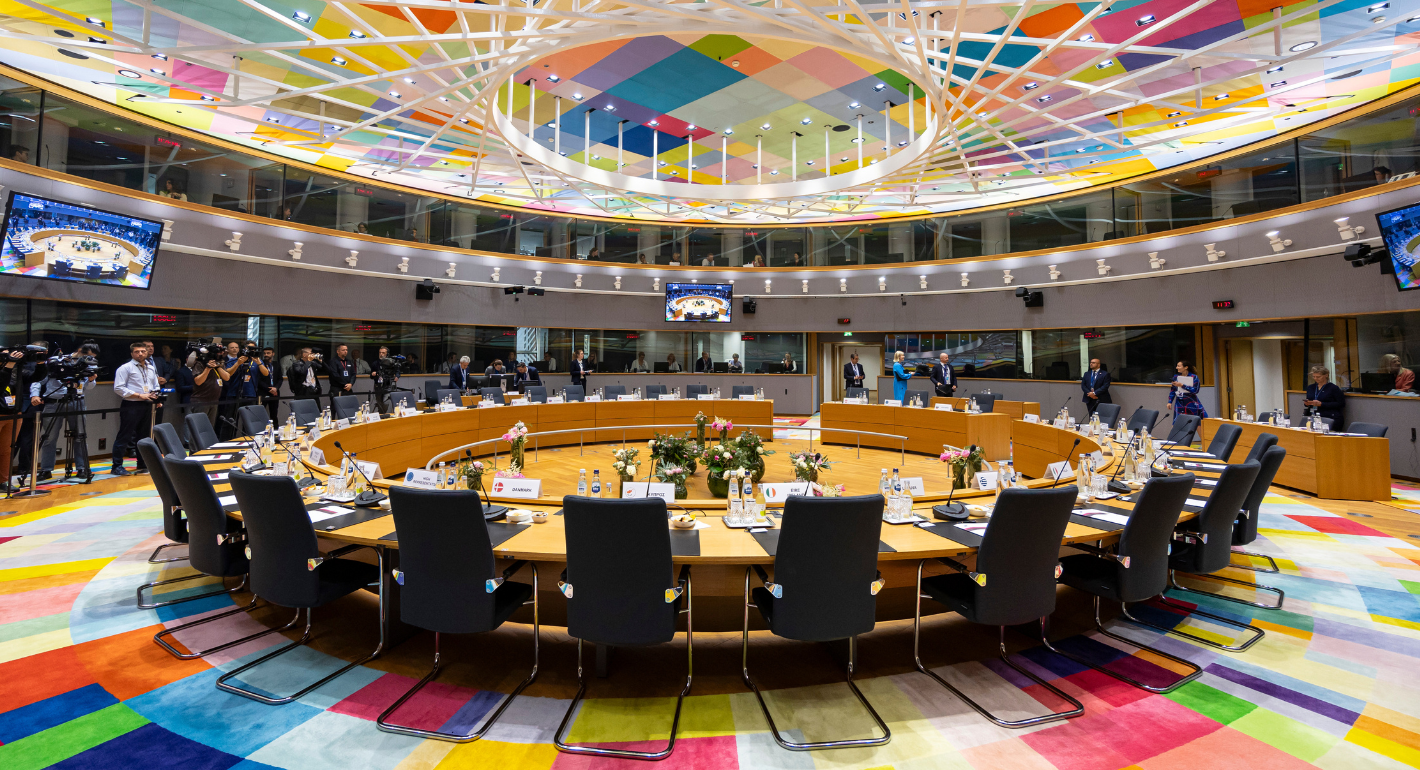
Countries face several hurdles in joining the EU, including the final stage of ratifying their accession treaties. Procedural reforms and substantive adjustments could help move the process forward.

Stefan Lehne
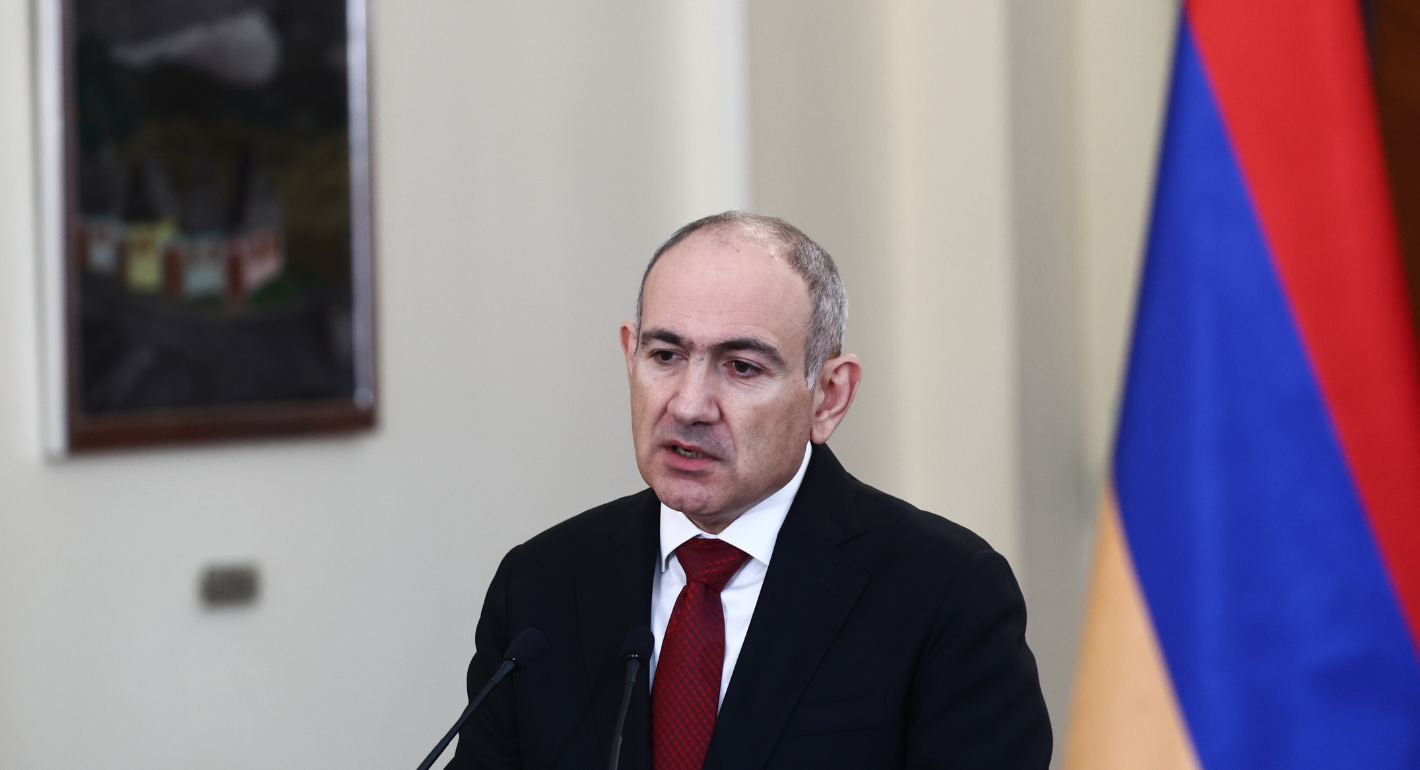
Europe has an interest in supporting Armenian leader Nikol Pashinyan as he tries to make peace with neighbors and loosen ties with Russia. But it is depersonalized support in the long term, not quickfire flash, that will win the day.

Thomas de Waal
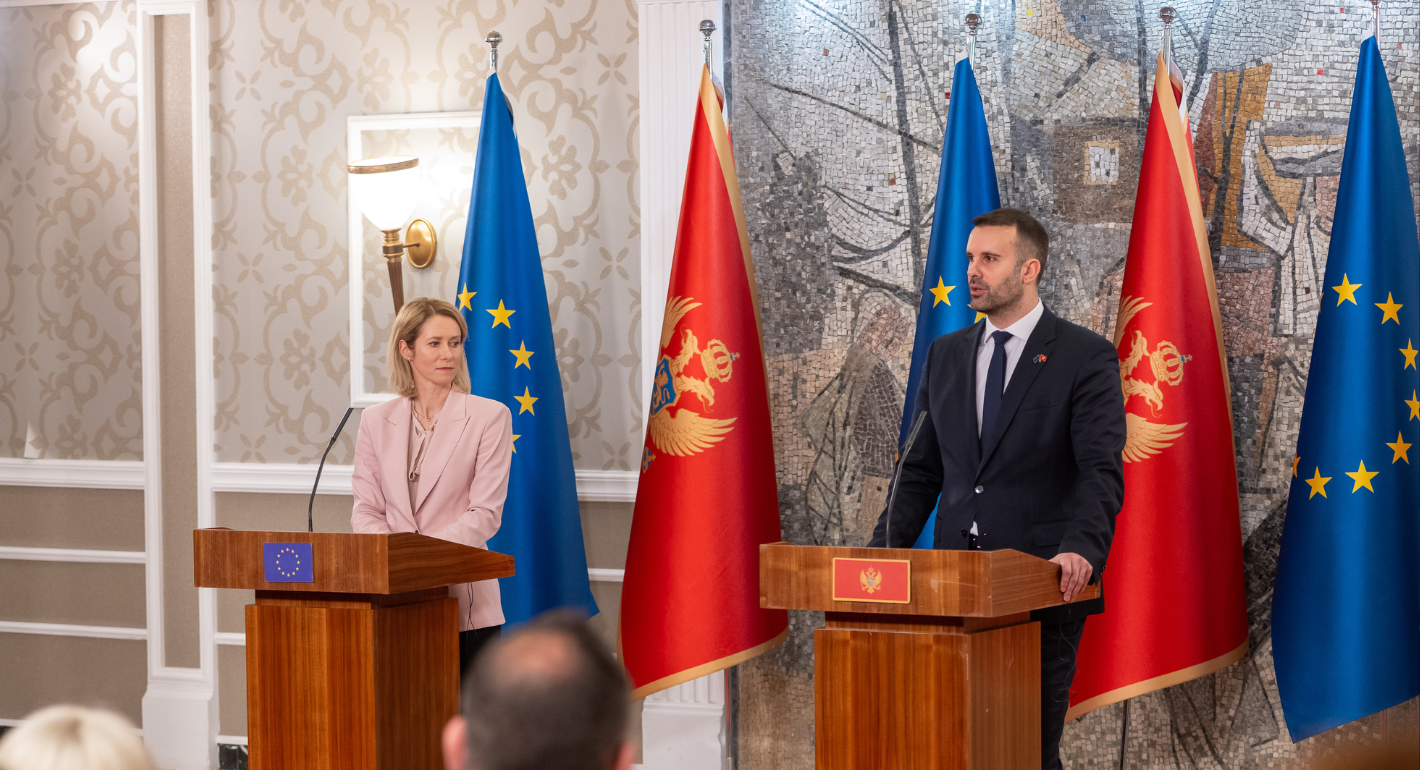
Montenegro and Albania are frontrunners for EU enlargement in the Western Balkans, but they can’t just sit back and wait. To meet their 2030 accession ambitions, they must make a strong positive case.

Dimitar Bechev, Iliriana Gjoni