

Research
- +10
Rosa Balfour, Frances Z. Brown, Yasmine Farouk, …
{
  "authors": [
    "Moisés Naím"
  ],
  "type": "legacyinthemedia",
  "centerAffiliationAll": "",
  "centers": [
    "Carnegie Endowment for International Peace"
  ],
  "collections": [],
  "englishNewsletterAll": "",
  "nonEnglishNewsletterAll": "",
  "primaryCenter": "Carnegie Endowment for International Peace",
  "programAffiliation": "",
  "programs": [],
  "projects": [],
  "regions": [
    "North America",
    "South America"
  ],
  "topics": [
    "Political Reform"
  ]
}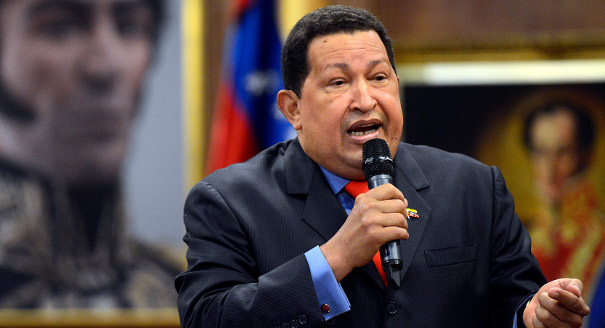
Source: Getty
Hugo Chávez's reelection could still mark a turning point in Venezuelan politics.
Source: Financial Times

Nevertheless, he failed to unseat the president. This was, first, because charisma and cunning make Mr Chávez a formidable competitor who enjoys broad popular support. But in this case, oil matters more than talent. Incumbents always have advantages over their challengers, and Mr Chávez is an incumbent on steroids. He controls all the levers of power and can tap Venezuela’s oil revenues at will. Mr Capriles said: “I am not running against another candidate, I am running against the Venezuelan state.” In just one example, according to data compiled by his campaign, in the week before the vote Mr Chávez was on air for nine hours while, after protesting, Mr Capriles was allowed to address the nation for two minutes.
This abuse of state resources and limits on the opposition are common among semi-democratic countries rich in oil and poor on checks and balances on the executive branch. Think for example of recent elections in Russia won by Dmitry Medvedev and then Vladimir Putin.
An important test for the opposition will come next December, when regional elections will be held – even though, once again, the disadvantages of running against a petrostate will be hard to overcome.
Yet the bigger test may be that faced by Mr Chávez. No doubt, the president will continue to wield huge discretionary power: that feature of Venezuela’s political landscape is unchanged. But in the coming years, he will have to use his power to deal with something an election victory cannot change: the country is a mess. It suffers from inflation and homicide rates among the world’s highest, decrepit infrastructure, declining oil production, a deeply distorted economy, dismal productivity and rampant corruption. Going by his record, Mr Chávez is unlikely to succeed in his efforts to alleviate these problems.
And these domestic difficulties will take a toll on his international activism. In this new term, Mr Chávez will not enjoy the same popularity abroad as he did earlier. He will have less money and his credibility has been hurt by the many unfulfilled promises he has made to his allies. Most important, the allure of his Bolivarian revolution has faded as Venezuela’s difficulties have become better known abroad. While he may still take the international stage with gestures such as his unconditional support for the Syrian and Iranian regimes, or his alliance with Belarus, his regional influence is faltering. Meanwhile his economic dependence on the US – the main client for his oil – is unabated.
But perhaps the most important feature of Venezuela’s politics, which the election result can do nothing to change, is the president’s health. Mr Chávez has been battling with cancer, and the precise condition and prognosis of his illness are a state secret. It may well be that Venezuela’s destiny in the years ahead will be determined by human frailty, rather than by ideology.

Distinguished Fellow
Moisés Naím is a distinguished fellow at the Carnegie Endowment for International Peace, a best-selling author, and an internationally syndicated columnist.
Recent Work



Rosa Balfour, Frances Z. Brown, Yasmine Farouk, …
Moisés Naím
Carnegie does not take institutional positions on public policy issues; the views represented herein are those of the author(s) and do not necessarily reflect the views of Carnegie, its staff, or its trustees.

As the EU confronts profound challenges, several leaders have called for fundamental reform to the union’s model—but only modest, superficial changes have resulted. What if Europe really could be reimagined from zero today: What should such a redesigned European order look like?

Richard Youngs, ed.
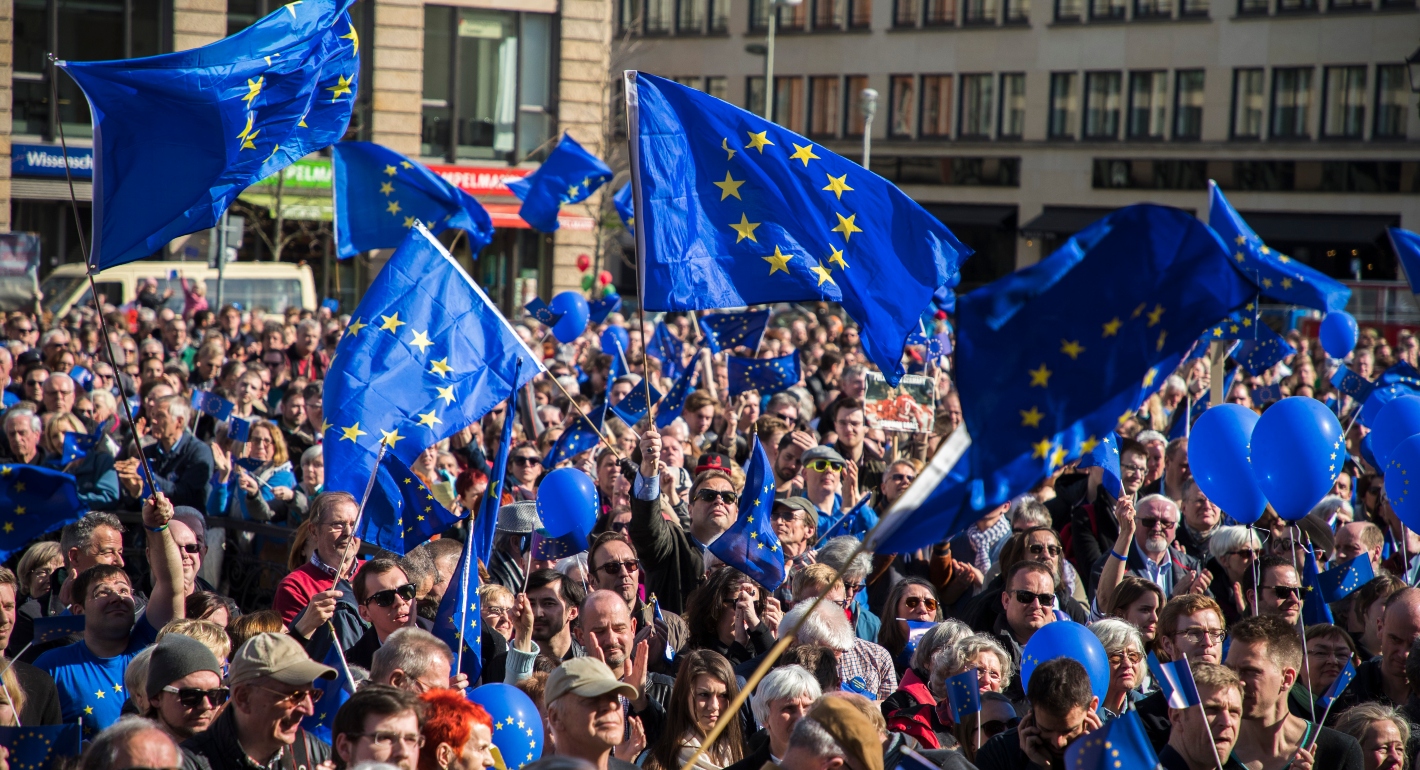
Preparing candidate countries for EU membership is no longer enough. As the enlargement process becomes a reality, the union must also prepare its own societies.

Iliriana Gjoni
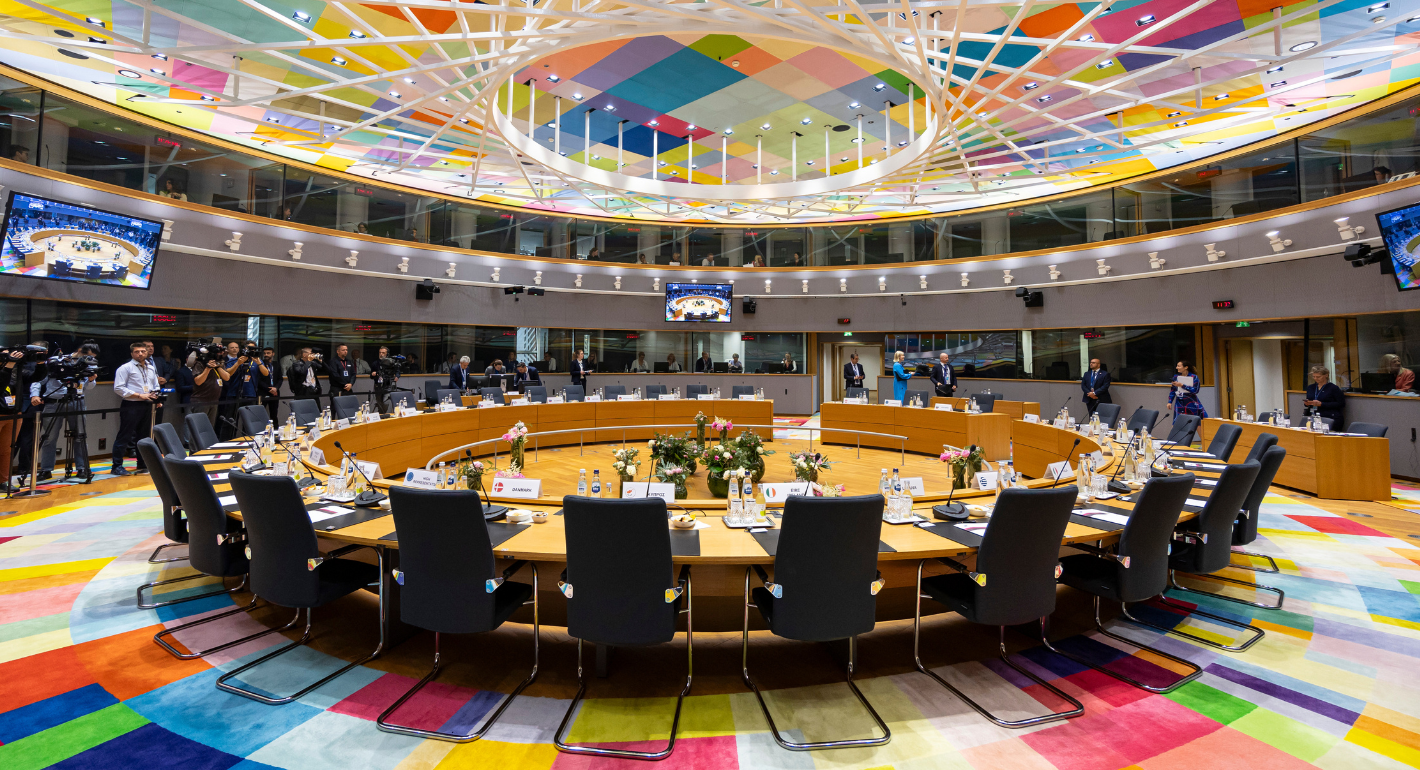
Countries face several hurdles in joining the EU, including the final stage of ratifying their accession treaties. Procedural reforms and substantive adjustments could help move the process forward.

Stefan Lehne
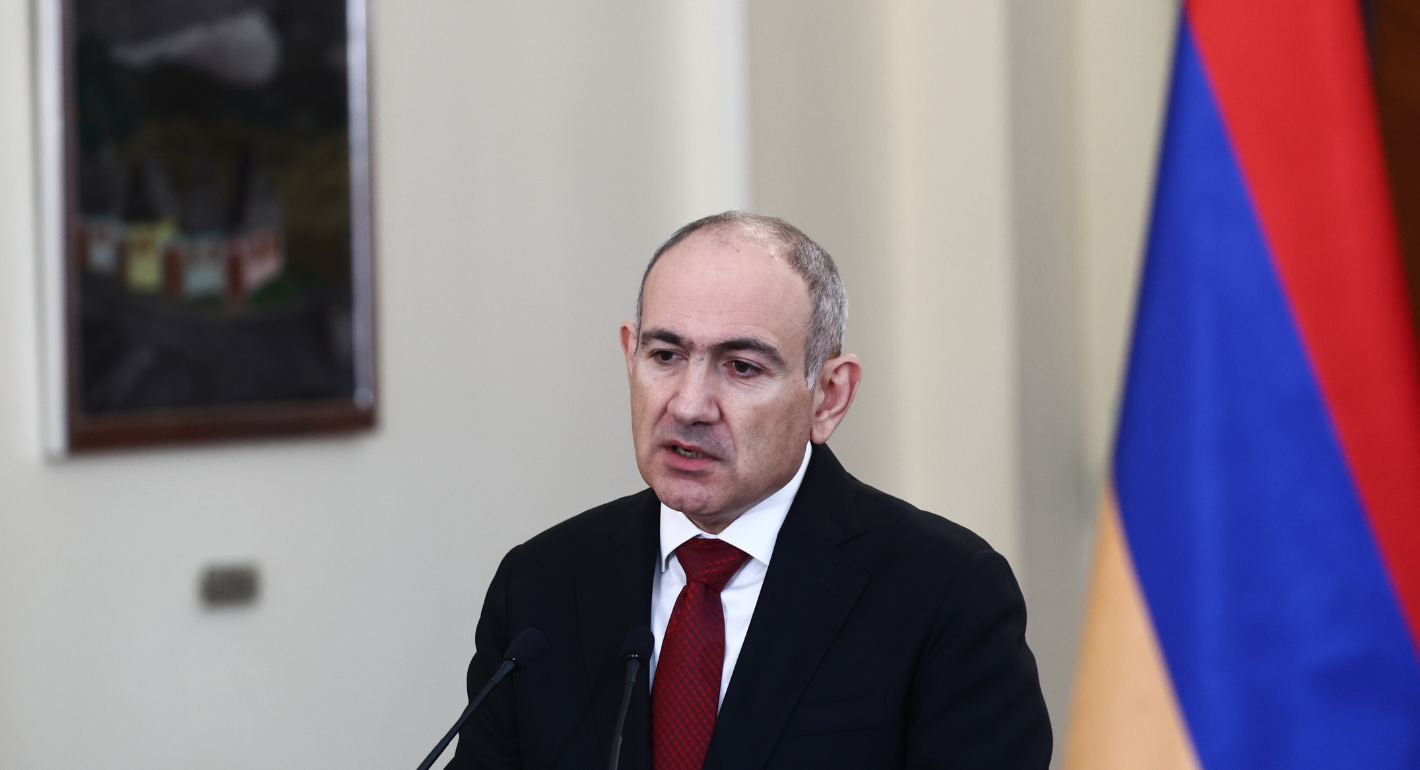
Europe has an interest in supporting Armenian leader Nikol Pashinyan as he tries to make peace with neighbors and loosen ties with Russia. But it is depersonalized support in the long term, not quickfire flash, that will win the day.

Thomas de Waal
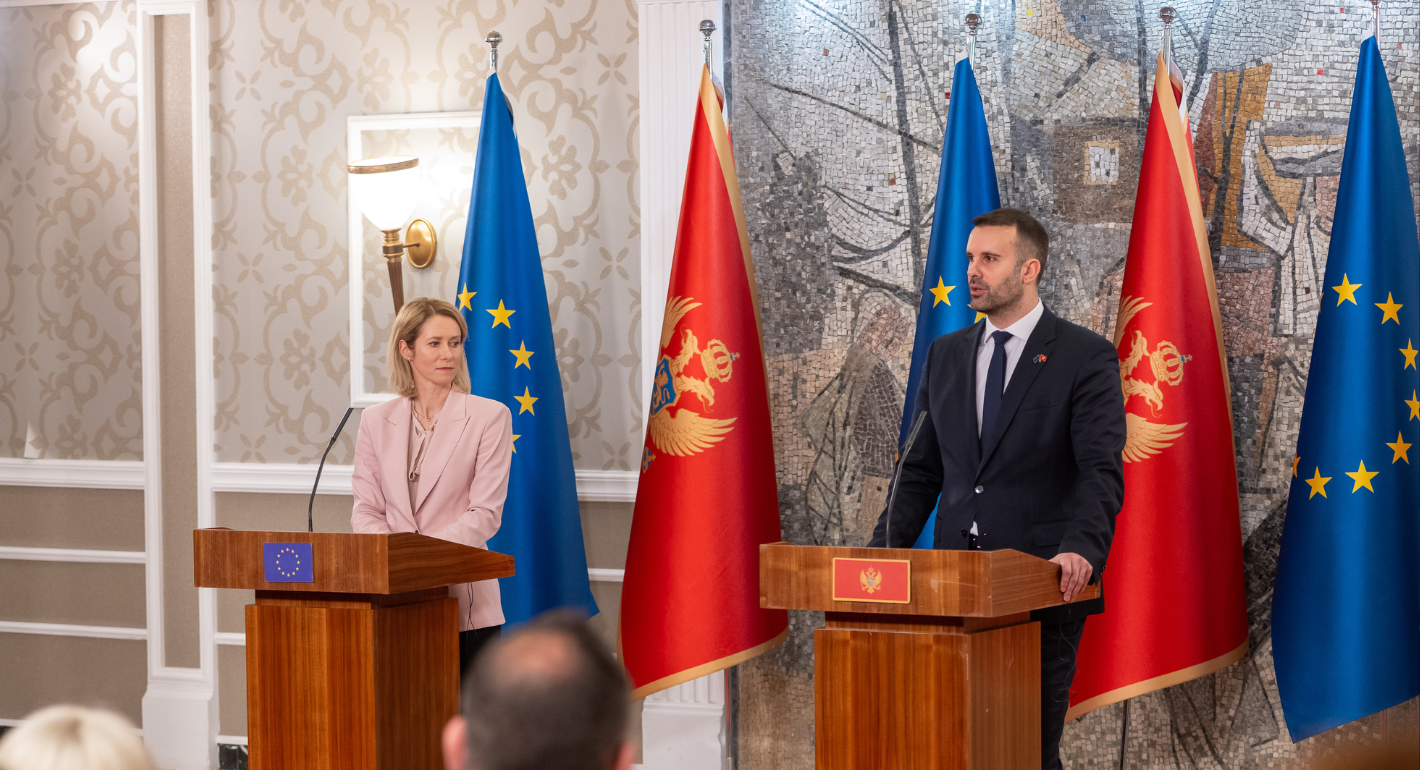
Montenegro and Albania are frontrunners for EU enlargement in the Western Balkans, but they can’t just sit back and wait. To meet their 2030 accession ambitions, they must make a strong positive case.

Dimitar Bechev, Iliriana Gjoni