

In The Media
Lahcen Achy
{
  "authors": [
    "Lahcen Achy"
  ],
  "type": "legacyinthemedia",
  "centerAffiliationAll": "",
  "centers": [
    "Carnegie Endowment for International Peace",
    "Malcolm H. Kerr Carnegie Middle East Center"
  ],
  "collections": [],
  "englishNewsletterAll": "",
  "nonEnglishNewsletterAll": "",
  "primaryCenter": "Malcolm H. Kerr Carnegie Middle East Center",
  "programAffiliation": "",
  "programs": [],
  "projects": [],
  "regions": [
    "Maghreb"
  ],
  "topics": [
    "Political Reform",
    "Economy"
  ]
}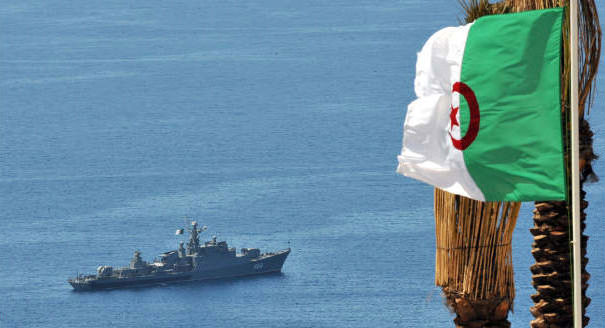
Source: Getty
Although Algeria has the third-largest oil reserves in Africa, unattractive government policies have led to declining foreign investment and a 20 percent drop in hydrocarbon production over the last 5 years.
Source: Al-Hayat

The country has the third-largest oil reserves in Africa after Libya and Nigeria, with an estimated 12.2 billion barrels of proven oil reserves. The hydrocarbon industry accounts for approximately 35 percent of Algeria’s GDP and provides more than two-thirds of government revenues; these in turn enable a sustained level of public spending. It is also virtually the country’s only source of foreign exchange.
However, due to the unattractive contract terms imposed by the government on foreign companies, the volume of Algeria’s hydrocarbon production has declined by 20 percent over the last five years, and there have been very limited new oil discoveries. The 2005 law allowed full ownership of projects to the international companies and gave the national oil company, Sonatrach, an option to acquire 20–30 percent participation, in line with international practice. The 2006 presidential decree, however, stipulated that international companies can only carry out hydrocarbon exploration and exploitation activities in partnership with Sonatrach, which should own 51 percent of any project. Since then, Algeria has issued three tendering rounds of oil and gas exploration but failed to attract the interest of large international companies.Domestic oil consumption, meanwhile, has risen from 26 percent of production in 2005 to 40 percent in 2010.Domestic consumption of natural gas has also increased, from 19 to 29 percent of overall production.
This increase in domestic consumption is due in part to Algeria’s population growth—on average, the population has been growing by 1.5 percent per year (compared to 1.2 percent in Morocco and 1.08 percent in Tunisia). Car imports have also increased at an unprecedented rate over the last three years, which means more fuel is needed. Additionally, local fuel prices have remained artificially low thanks to substantial government subsidies, leading people to consume more. The price of regular gasoline in Algeria represents 50 percent of the average price in other oil-exporting countries, 28 percent of the average price in developing countries, and almost one-quarter of the worldwide average price.
The surge in domestic energy consumption and the decline in production have had a dramatic effect on Algeria’s current account surplus, which has already decreased by 50 percent over the past five years. During the same period, the overall current account surplus in Arab oil-exporting countries rose by 70 percent.
If the trend of rising domestic consumption continues over the next decade, Algeria’s energy exports may decline, severely threatening the country’s redistributive rent system that allows the regime to purchase loyalty. It is no coincidence that the decline of international oil prices in the mid-1980s was a major contributing factor to the 1988 breakdown of Algerian state-society relations. At that time, the government lost its financial capacity to draw on hydrocarbon revenues, which it had relied on to absorb the country’s growing social and political discontent.
In this context, policymakers in Algeria perceive the amendment of the hydrocarbon law as an urgent concern. A 2008 Chatham House study indicated that Algeria would have no oil available to export after 2023. A more recent study argues that Algeria will likely run out of oil to export between 2018 and 2020. The same study warns that without the discovery of new oil reserves, the country could lose its status as an oil producer by 2026.
Yet despite these dire forecasts, the effort to amend the hydrocarbon law does not bring any revolutionary changes to the table, and it will not be enough to address the current situation. There are deeper systemic and structural problems at play that will require more than simply amending the hydrocarbon law.
First, the amendments do not change the provision limiting the participation of international oil companies to 49 percent of joint ventures with Sonatrach. This, along with other regulations on investment and the country’s general regulatory instability, makes Algeria an unattractive place to do business. According to the 2012 World Bank’s “Doing Business” report, Algeria ranks 148 of 183 states, behind most countries of the Middle East and North Africa, and it has lost headway in recent years. Security concerns have grown with the recent terrorist attack on the gas field in the south of the country, which is expected to further damage Algeria’s attractiveness.
Second, the proposed changes to the law do nothing to address Algeria’s overdependence on the oil and gas sector. Even compared to other oil producers in the Middle East and North Africa, Algeria is heavily dependent on its hydrocarbon resources. For example, the share of oil and natural gas represents 98 percent of Algeria’s total commodity exports. That share stands at 94 percent in Kuwait, 84 percent in Saudi Arabia, and 67 percent in Oman. The agricultural sector contributes 8 percent of Algeria’s GDP and the manufacturing sector just 5 percent.
Moreover, only a few sectors—such as construction and public works as well as the demand created by a large public administration—contribute to Algeria’s economic growth. The problem is that all these sectors depend exclusively on hydrocarbon rents.
Third, Algeria’s public spending has risen substantially since the eruption of the Arab Spring, pushing up the fiscal “breakeven” oil price—that is, the price at which the government’s budget is balanced. It edged upward from around $70 in 2008 to over $105 in 2012.
To maintain its current pace of spending, the government is tapping the country’s sovereign wealth fund, known as the Revenue Stabilization Fund. The fund’s intended objective is to support public investment programs. However, it is increasingly being used to keep up with mounting current spending.
Of greater concern, the government is rapidly drawing down the fund. The most optimistic estimates by the IMF reveal that by 2016, the fund could represent less than 16 percent of GDP, which is half of its 2010 level. Under an alternative scenario of lower international prices, the fund could melt to 4 percent of GDP by 2016, while fiscal deficits would have to be financed by higher rates of government borrowing.
Fourth, Algeria has a low budget-transparency score—one out of 100 on the Open Budget Index, compared to an average score of 23 out of 100 for the Middle East and North Africa.
The Audit Court is, in principle, in charge of auditing the government’s budget and the financial accounts of state-owned enterprises, as well as submitting a yearly report to the president. In practice, however, auditing is often not completed, and audit reports are rarely made public.
The Audit Court does not inspect hydrocarbon taxes, which provide two-thirds of the government’s revenues, and Sonatrach does not publish audited financial reports. The Revenue Watch Index, which assesses the revenue transparency of 41 resource-rich countries, ranked Algeria 38 in its 2011 edition, lagging behind all other oil-rich countries in the Middle East and North Africa. All of this means that a lack of transparency and poor accountability are key issues that need to be addressed.
The government in Algiers continues to rely on its large hydrocarbon revenues to finance a redistribution system that purchases quiescence and loyalty to the regime. But this system cannot be sustained indefinitely.
Algeria’s government needs to break the economy’s excessive dependence on global market prices for oil and gas and instead create a legal and economic environment that encourages entrepreneurship, private investment, and economic diversification—all of which are necessary for the country’s long-term economic growth.
This article was originally published in Al-Hayat in Arabic.
Former Nonresident Senior Associate, Middle East Center
Achy is an economist with expertise in development, institutional economics, trade, and labor and a focus on the Middle East and North Africa.
Recent Work
Lahcen Achy
Lahcen Achy
Carnegie does not take institutional positions on public policy issues; the views represented herein are those of the author(s) and do not necessarily reflect the views of Carnegie, its staff, or its trustees.
Between the United States’ market-driven approach and China's state-led industrial strategy, Europe is reckoning with how it can remain competitive in the global economy. But is Europe in danger of becoming a U.S. or China colony?


Noah Barkin, Anu Bradford
Preparing candidate countries for EU membership is no longer enough. As the enlargement process becomes a reality, the union must also prepare its own societies.

Iliriana Gjoni
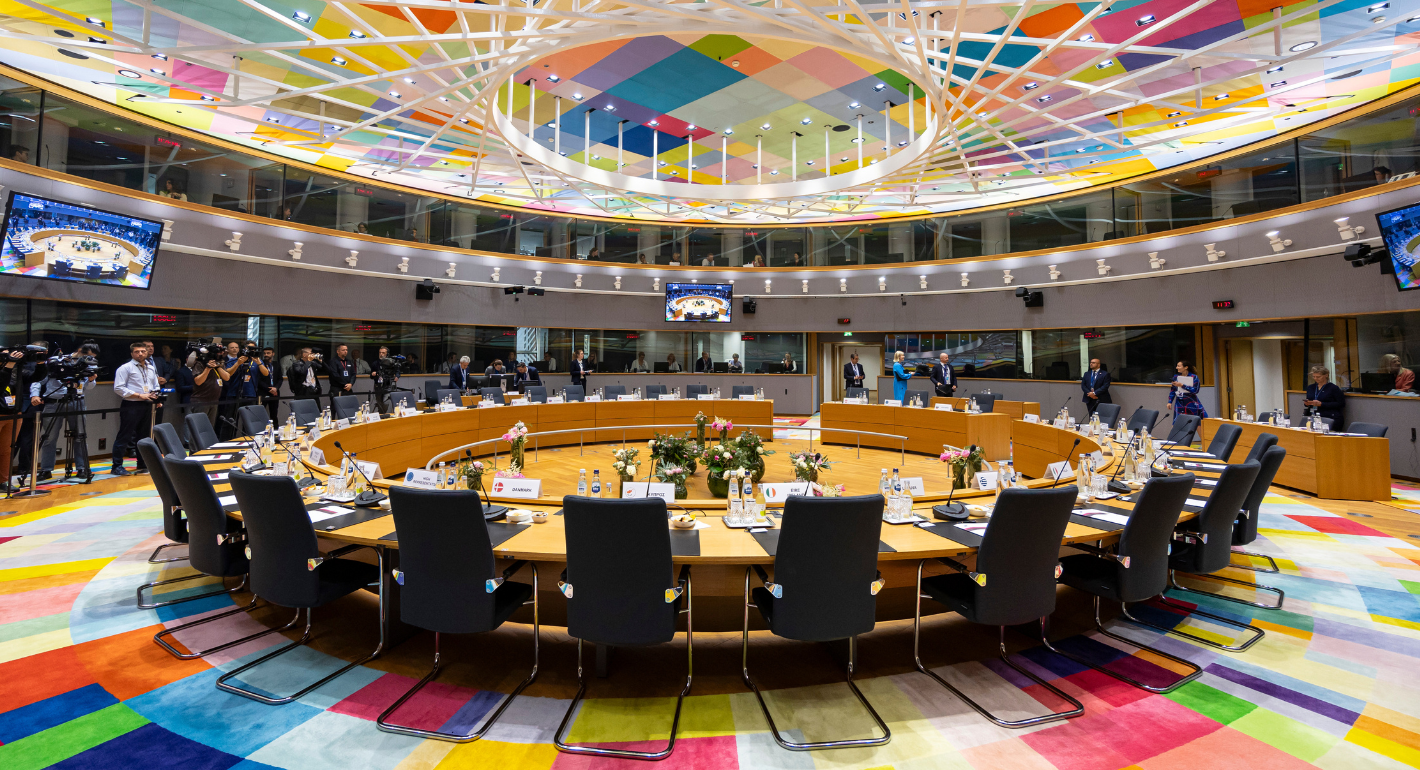
Countries face several hurdles in joining the EU, including the final stage of ratifying their accession treaties. Procedural reforms and substantive adjustments could help move the process forward.

Stefan Lehne
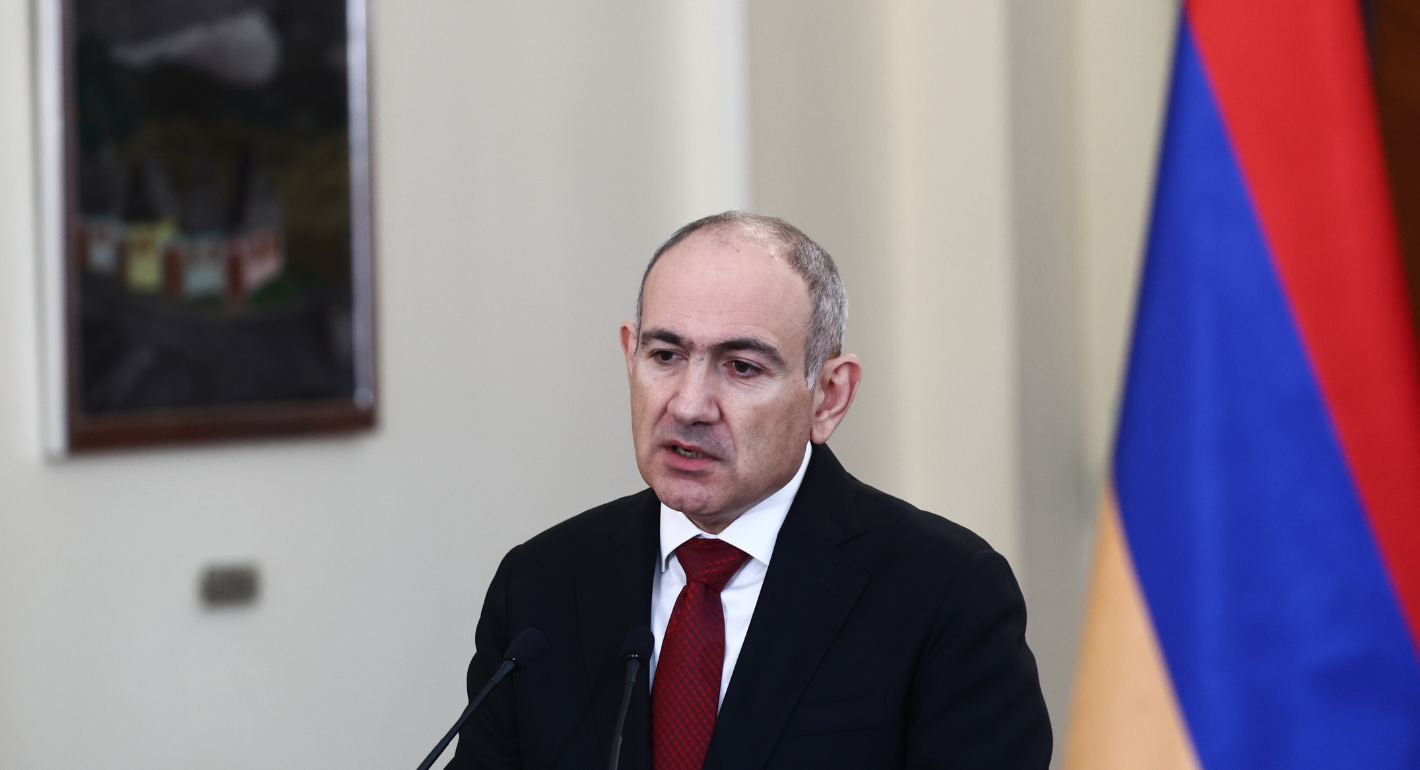
Europe has an interest in supporting Armenian leader Nikol Pashinyan as he tries to make peace with neighbors and loosen ties with Russia. But it is depersonalized support in the long term, not quickfire flash, that will win the day.

Thomas de Waal
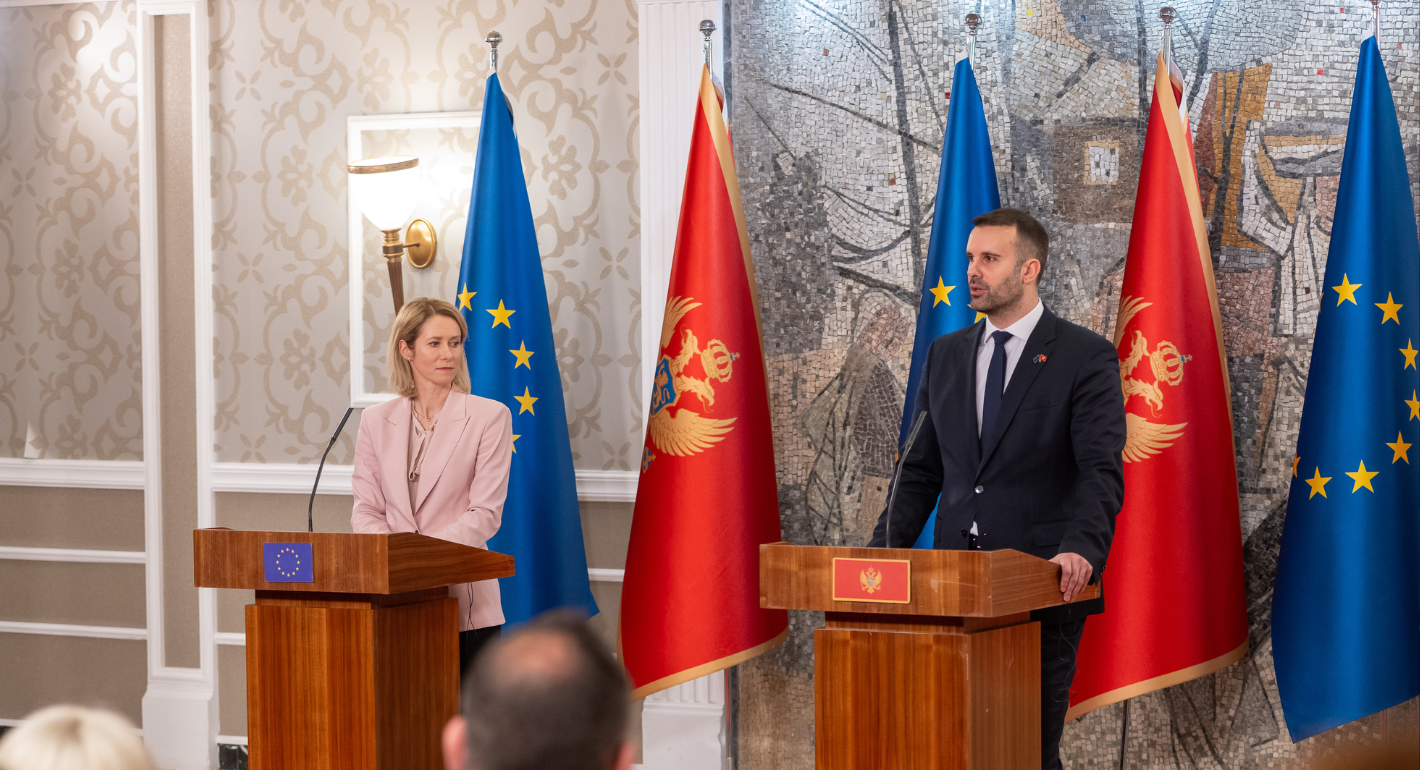
Montenegro and Albania are frontrunners for EU enlargement in the Western Balkans, but they can’t just sit back and wait. To meet their 2030 accession ambitions, they must make a strong positive case.

Dimitar Bechev, Iliriana Gjoni