

• Research
  • Strategic Europe
  • About
  • Experts
Carnegie Europe logoCarnegie lettermark logo
EUUkraine
  • Donate
{
  "authors": [
    "Paul Haenle",
    "Ian Bremmer",
    "Jin Canrong",
    "Wang Yizhou",
    "Ritula Shah"
  ],
  "type": "legacyinthemedia",
  "centerAffiliationAll": "",
  "centers": [
    "Carnegie Endowment for International Peace",
    "Carnegie China"
  ],
  "collections": [
    "U.S.-China Relations",
    "China’s Foreign Relations"
  ],
  "englishNewsletterAll": "",
  "nonEnglishNewsletterAll": "",
  "primaryCenter": "Carnegie China",
  "programAffiliation": "",
  "programs": [],
  "projects": [],
  "regions": [
    "East Asia",
    "China"
  ],
  "topics": [
    "Security",
    "Global Governance"
  ]
}

Source: Getty

In The Media
Carnegie China

China’s Foreign Policy Challenges

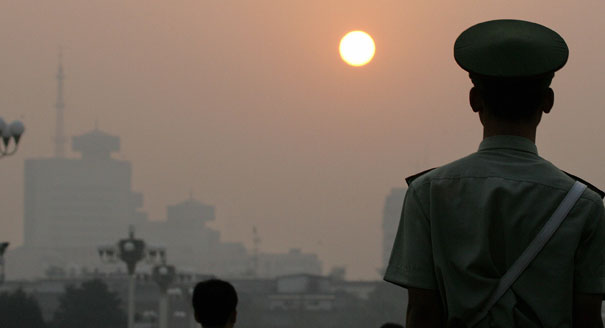
North Korean nuclear issues, territorial disputes, and the relationship with the United States are the key issues affecting China’s foreign policy in 2013.

Link Copied
By Paul Haenle, Ian Bremmer, Jin Canrong, Wang Yizhou, Ritula Shah
Published on Mar 6, 2013

Source: BBC

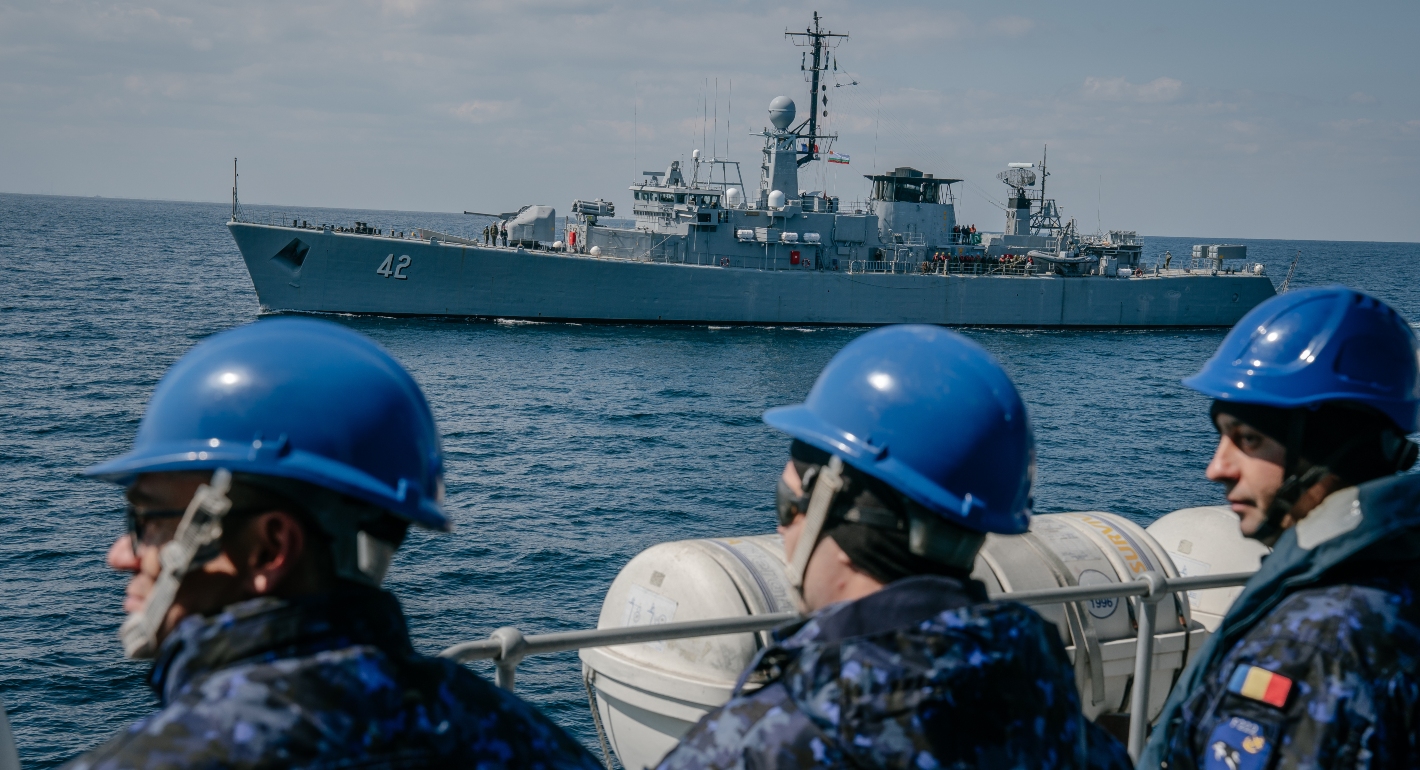
Speaking to BBC Radio 4 The World Tonight, Carnegie’s Paul Haenle, Eurasia Group’s Ian Bremmer, Peking University’s Wang Yizhou, and Renmin University’s Jin Canrong explained that strategic mistrust and a lack of understanding between China and the United States and China and Japan could have far-reaching repercussions for the rest of the world if not addressed. Territorial disputes between China and neighboring countries like Vietnam are another pressure affecting China’s foreign relations.

As China grows to become a more important global player, defining the country’s foreign policy and the way in which it wants to be perceived in the region and beyond will become an increasingly important task for China’s policymakers. Equally, they added, it still remains unclear how much China considers current global norms and standards to be in its best interest and whether China will fulfill the role of the “responsible stakeholder” so desired by other major powers.

About the Authors

Paul Haenle

Former Maurice R. Greenberg Director’s Chair, Carnegie China

Paul Haenle held the Maurice R. Greenberg Director’s Chair at the Carnegie Endowment for International Peace and is a visiting senior research fellow at the East Asian Institute, National University of Singapore. He served as the White House China director on the National Security Council staffs of former presidents George W. Bush and Barack Obama.

Ian Bremmer

Jin Canrong

Wang Yizhou

Ritula Shah

Authors

Paul Haenle
Former Maurice R. Greenberg Director’s Chair, Carnegie China
Paul Haenle
Ian Bremmer
Jin Canrong
Wang Yizhou
Ritula Shah
SecurityGlobal GovernanceEast AsiaChina

Carnegie does not take institutional positions on public policy issues; the views represented herein are those of the author(s) and do not necessarily reflect the views of Carnegie, its staff, or its trustees.

More Work from Carnegie Europe

  • Commentary
    Strategic Europe
    Europe and the Arab Gulf Must Come Together

    The war in Iran proves the United States is now a destabilizing actor for Europe and the Arab Gulf. From protect their economies and energy supplies to safeguarding their territorial integrity, both regions have much to gain from forming a new kind of partnership together.

      • Rym Momtaz

      Rym Momtaz

  • Commentary
    Strategic Europe
    Taking the Pulse: Is France’s New Nuclear Doctrine Ambitious Enough?

    French President Emmanuel Macron has unveiled his country’s new nuclear doctrine. Are the changes he has made enough to reassure France’s European partners in the current geopolitical context?

      • Rym Momtaz

      Rym Momtaz, ed.

  • Commentary
    The Iran War’s Dangerous Fallout for Europe

    The drone strike on the British air base in Akrotiri brings Europe’s proximity to the conflict in Iran into sharp relief. In the fog of war, old tensions in the Eastern Mediterranean risk being reignited, and regional stakeholders must avoid escalation.

      Marc Pierini

  • Trump United Nations multilateralism institutions 2236462680
    Article
    Resetting Cyber Relations with the United States

    For years, the United States anchored global cyber diplomacy. As Washington rethinks its leadership role, the launch of the UN’s Cyber Global Mechanism may test how allies adjust their engagement.

      • Christopher Painter

      Patryk Pawlak, Chris Painter

  • Commentary
    Strategic Europe
    Europe on Iran: Gone with the Wind

    Europe’s reaction to the war in Iran has been disunited and meek, a far cry from its previously leading role in diplomacy with Tehran. To avoid being condemned to the sidelines while escalation continues, Brussels needs to stand up for international law.

      Pierre Vimont

Get more news and analysis from
Carnegie Europe
Carnegie Europe logo, white
Rue du Congrès, 151000 Brussels, Belgium
  • Research
  • Strategic Europe
  • About
  • Experts
  • Projects
  • Events
  • Contact
  • Careers
  • Privacy
  • For Media
  • Gender Equality Plan
Get more news and analysis from
Carnegie Europe
© 2026 Carnegie Endowment for International Peace. All rights reserved.