

Research
- +10
Rosa Balfour, Frances Z. Brown, Yasmine Farouk, …
{
  "authors": [
    "Moisés Naím"
  ],
  "type": "legacyinthemedia",
  "centerAffiliationAll": "",
  "centers": [
    "Carnegie Endowment for International Peace"
  ],
  "collections": [],
  "englishNewsletterAll": "",
  "nonEnglishNewsletterAll": "",
  "primaryCenter": "Carnegie Endowment for International Peace",
  "programAffiliation": "",
  "programs": [],
  "projects": [],
  "regions": [
    "North America",
    "United States"
  ],
  "topics": [
    "Political Reform",
    "Foreign Policy"
  ]
}
Source: Getty
In almost every realm, micro-powers are challenging the grip of old entrenched powers.
Source: WNYC Brian Lehrer Show
Speaking on WNYC's Brian Lehrer Show , Carnegie's Moisés Naím discussed the decades-long trend in which power is slowly being dispersed among a wider variety of individuals, groups, companies, countries, and institutions. He examined the siege of corporate dominance, where established multinational companies are threatened by the rising role of small start-ups.
Naím also discussed Margaret Thatcher and Ronald Reagan and compared their influential role to the Internet. Thatcher and Reagan launched profound changes on how society was organized. The main themes of their policies included deregulation, privatization, and trade liberalization. These policies opened up previously closed markets and provided opportunities for global integration and cross-border activities. Thatcher and Reagan changed the world with liberalizing policies that opened doors and opportunities for people around the world.
In global affairs, Naím suggested an end to the analysis of the elevator patterns of actors who are rising and who are falling—much like the relationship between China and the United States. When an actor gets to the top, they find that it does not yield as much as it used to. Assessing who is going up and who is going down essentially misses the point of what is happening among those who have power.

Distinguished Fellow
Moisés Naím is a distinguished fellow at the Carnegie Endowment for International Peace, a best-selling author, and an internationally syndicated columnist.
Recent Work



Rosa Balfour, Frances Z. Brown, Yasmine Farouk, …
Moisés Naím
Carnegie does not take institutional positions on public policy issues; the views represented herein are those of the author(s) and do not necessarily reflect the views of Carnegie, its staff, or its trustees.

As we close out another season of Strategic Europe, it is worth taking stock of the deep shifts underway.

Rym Momtaz

The hybrid warfare landscape is evolving rapidly, leaving policymakers without clear strategies. To better inform their work in addressing emerging challenges, governments must dig deeper into the underlying dynamics at play.


Raluca Csernatoni, Alicia Wanless
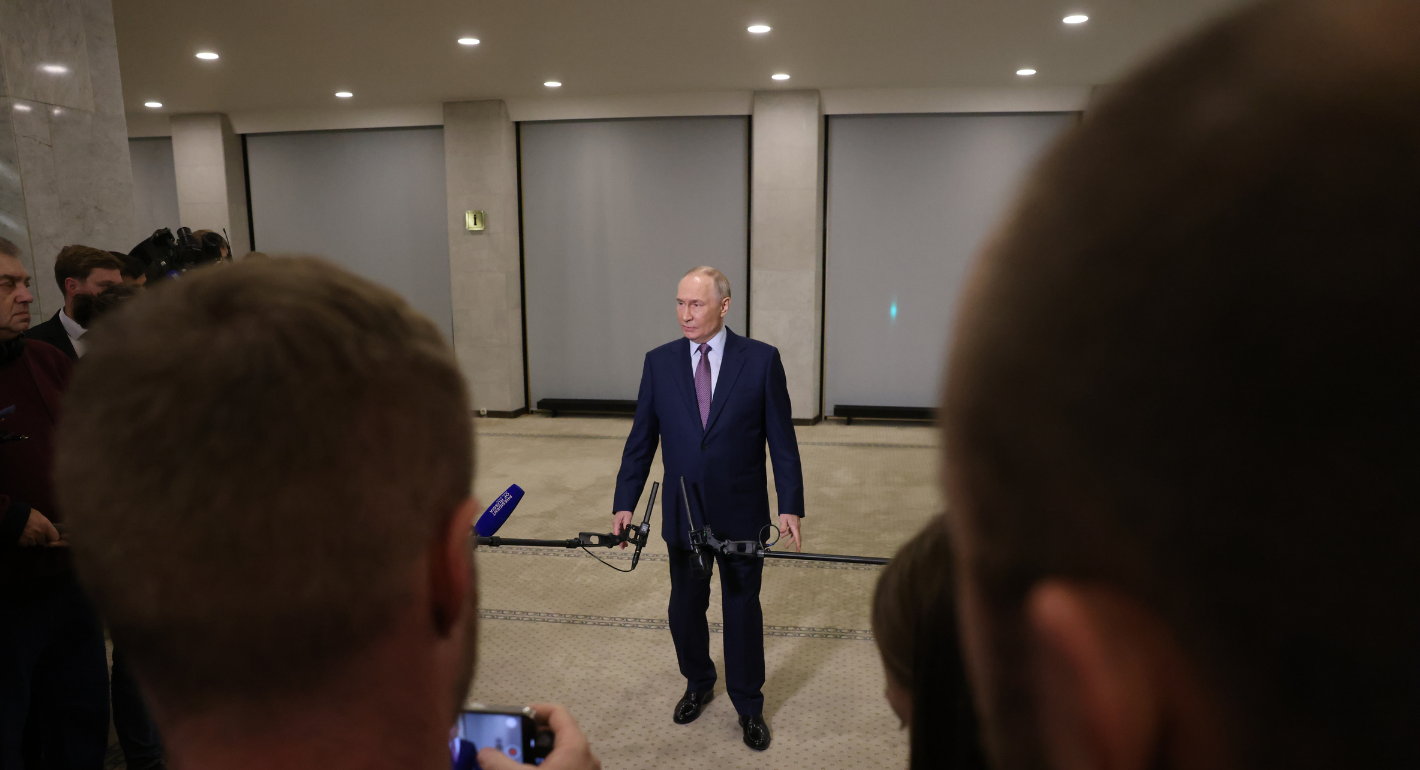
The EU had to compromise to adopt a twenty-first sanctions package against Russia, exposing growing cracks in the union’s resolve. Is this latest, weaker round worth it to keep pressure on Moscow?
Rym Momtaz, ed.

Trump is distracted and Ukraine wants Europe to step up. The continent’s leaders must find their voice and assert it in talks with Russia.

Alissa de Carbonnel

Mounting economic strain and battlefield losses will not necessarily make the Kremlin less dangerous. They could instead push Moscow toward a more aggressive hybrid campaign designed to test NATO’s Eastern flank, exploit allied hesitation, and fracture European resolve.

Maksym Beznosiuk