

Research
- +10
Rosa Balfour, Frances Z. Brown, Yasmine Farouk, …
{
  "authors": [
    "Moisés Naím"
  ],
  "type": "legacyinthemedia",
  "centerAffiliationAll": "",
  "centers": [
    "Carnegie Endowment for International Peace"
  ],
  "collections": [],
  "englishNewsletterAll": "",
  "nonEnglishNewsletterAll": "",
  "primaryCenter": "Carnegie Endowment for International Peace",
  "programAffiliation": "",
  "programs": [],
  "projects": [],
  "regions": [
    "North America"
  ],
  "topics": [
    "Political Reform",
    "Economy",
    "Global Governance"
  ]
}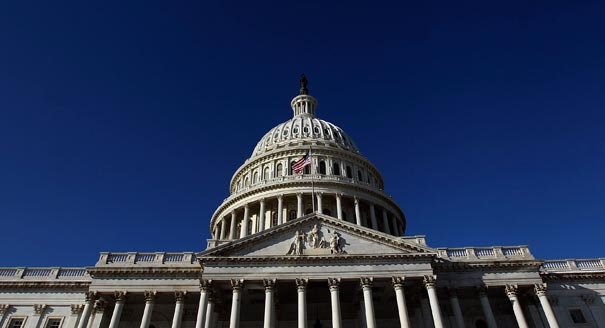
Source: Getty
The shifting nature of power is changing the geopolitical world. The "more, mobility, and mentality" revolutions are initiating these changes in power dynamics.
Source: U.S.News & World Report
The nature of power is changing around the world, from political protests against dictatorships to startup companies competing with large corporations. In "The End of Power: From Boardrooms to Battlefields and Churches to States, Why Being In Charge Isn't What It Used to Be," Moisés Naím, scholar at the Carnegie Endowment for International Peace and former editor-in-chief of Foreign Policy magazine, discusses what these power shifts mean for individuals and nations.
Naím recently spoke with U.S. News about how power is changing, why it affects geopolitics and boardrooms, and what it means for the world's current and future leaders. Excerpts:
Power is the ability of one party to make another party do, or stop doing, something. Power is decaying because power in all human endeavors is easier to acquire, harder to use, and easier to lose.
There are a variety of forces. I combined them in three categories that I call the "more revolution," the "mobility revolution" and the "mentality revolution." Together they erode the capacity of the barriers that shield the powerful. People, countries, organizations or institutions that have power are shielded [from] challengers that want to rival them and take away their power. The shields have become less protected because of the three revolutions.
The "more revolution" is that we live in a world of more of everything, a world of abundance. There are not just more people, but there are more countries. There are more political parties. There are more foundations and philanthropies, also more criminal cartels. And if there's more of everything, it makes it harder for those in power to control others.
Not only do we have more of everything, but it moves more. So people, money, ideas, goods and services, pandemics and illnesses, ideologies and financial crises all move far more at greater speed and at lower cost. The "mobility revolution" is helping challengers circumvent the barriers. The "mentality revolution" is produced by the two other revolutions creating new ways of thinking, new mindsets, expectations, aspirations, behaviors and values. One interesting example of the mentality revolution is that divorce rates in India among the elderly are soaring, mostly initiated by the women. And that, I think, is related clearly to a change in mentality, but also the effects of the more and mobility revolutions.
So the "more" overwhelms the barriers, the "mobility" helps circumvent them, and "mentality" undermines them.
Yes. Power has now become more transient. Those who have power today have less of it than those who had power in the same positions in the past.
There is a lot to celebrate for the end of power as we knew it. We have more opportunities as voters, as entrepreneurs, as innovators, as citizens, as investors and consumers. It is good that dictators and monopolies are easier to challenge. But one needs to be careful when this trend hampers the ability of governments to govern. These are situations in which everyone has just enough power to be able to block others, but no one has enough power to push through an agenda.
It means that we're seeing gridlock and paralysis in a lot of countries and the inability of governments to reach agreements and [move] forward any policies. We have seen it recently with the United States with the sequester and the inability of the political parties and Congress and the White House to agree on how to tax and spend. But we have seen the same trends around the world. In democracies, power is becoming much harder to wield.
Well, we have seen a lot of power transfer to individuals. One [example] is the capacity of individuals acting alone to have immense consequences.
But also we have seen it at the level of individual companies. For example, Kodak for many years was a giant company that had almost a monopoly on everything that had to do with film and photography. And at the same time that Kodak was going bankrupt, there was a small app called Instagram with only 13 employees that was sold for a billion dollars.
A different way of looking at the world. A different way of reading newspapers, watching the news or looking at their cell phones and seeing what's happening around them. A different way of interpreting how they can behave in ways that will empower them, and, at the same time, how they can be more effective in dealing with the new world that is emerging around us.
This interview was originally published in U.S.News & World Report.

Distinguished Fellow
Moisés Naím is a distinguished fellow at the Carnegie Endowment for International Peace, a best-selling author, and an internationally syndicated columnist.
Recent Work



Rosa Balfour, Frances Z. Brown, Yasmine Farouk, …
Moisés Naím
Carnegie does not take institutional positions on public policy issues; the views represented herein are those of the author(s) and do not necessarily reflect the views of Carnegie, its staff, or its trustees.

Before the next wave of EU enlargement takes place, the union needs to grapple with thorny questions of how power is distributed among its members.


Emil Sondaj Hansen, Ditte Brasso Sørensen

A summer of escalation in the Black Sea has hurt Ukraine economically and is exacerbating world food security. A truce is needed—as is a broader reframing of Europe’s Ukraine strategy.

Thomas de Waal
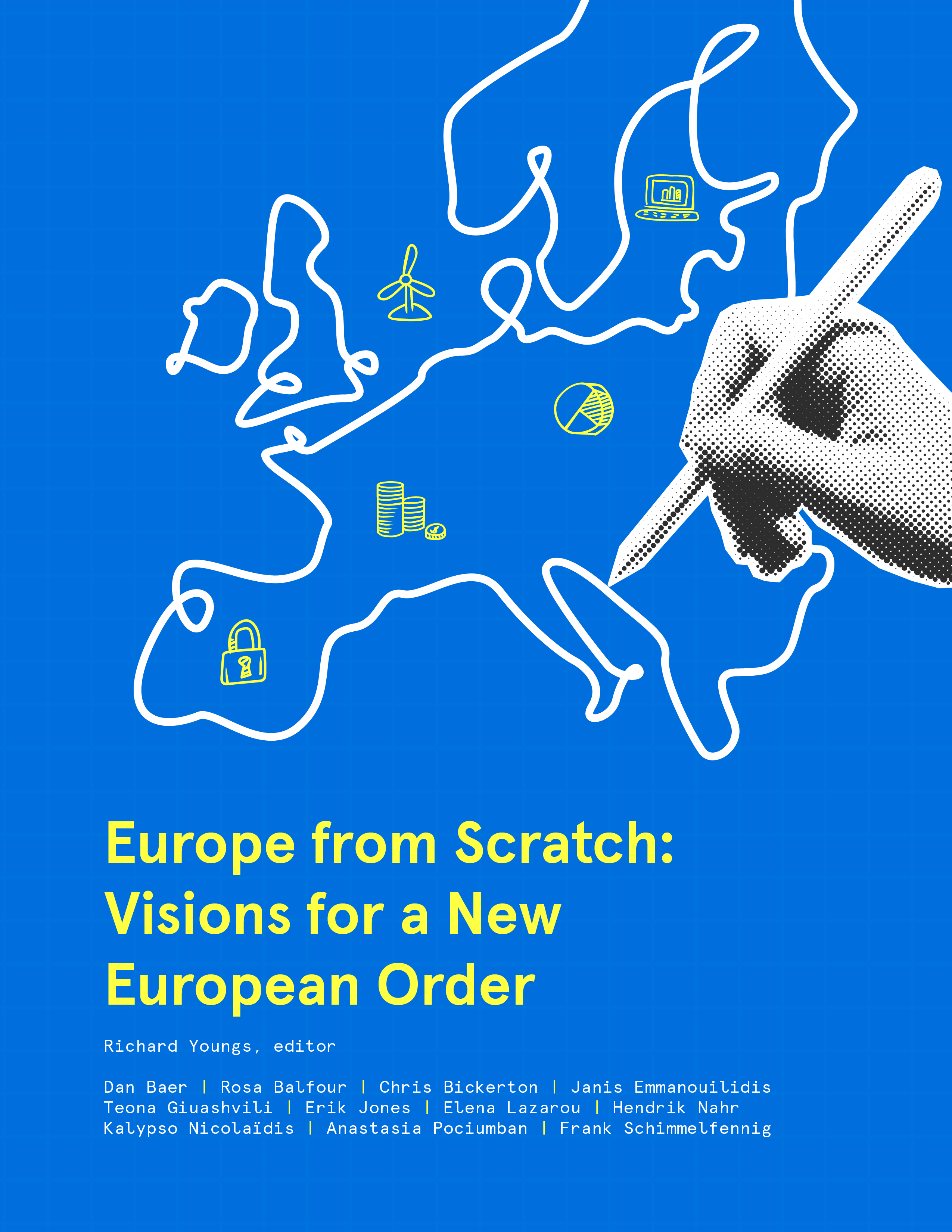
As the EU confronts profound challenges, several leaders have called for fundamental reform to the union’s model—but only modest, superficial changes have resulted. What if Europe really could be reimagined from zero today: What should such a redesigned European order look like?

Richard Youngs, ed.
While Russia is not ready to sue for peace on Europe’s terms, it could still either seek a ceasefire in Ukraine or try escalation. Brussels needs to prepare for both and prioritize that preparation over normative discussions.
Kadri Liik
As geopolitical rivalry weaponizes global supply chains, the EU’s true vulnerability lies in emerging-risk imports. For these goods, suppliers are growing more concentrated, substitution more difficult, and political risk is looming.

Sinan Ülgen