

Research
- +10
Rosa Balfour, Frances Z. Brown, Yasmine Farouk, …
{
  "authors": [
    "Moisés Naím"
  ],
  "type": "legacyinthemedia",
  "centerAffiliationAll": "",
  "centers": [
    "Carnegie Endowment for International Peace"
  ],
  "collections": [],
  "englishNewsletterAll": "",
  "nonEnglishNewsletterAll": "",
  "primaryCenter": "Carnegie Endowment for International Peace",
  "programAffiliation": "",
  "programs": [],
  "projects": [],
  "regions": [
    "North America",
    "South America"
  ],
  "topics": [
    "Economy"
  ]
}
Source: Getty
The giant Latin American economy of Brazil could learn a thing or two from U.S. immigration reform policy as initiated by Facebook's Mark Zuckerberg. Unemployed professionals in Portugal, Spain, Venezuela, and Argentina could move to Brazil and propel its economy.
Source: Financial Times
Latin America’s giant economy urgently needs someone like Facebook’s founder and chairman. Not to disrupt business models but to disrupt its immigration policies – like Mark Zuckerberg is now doing in the US.
The Facebook chief executive has launched an organisation called FWD.US whose aim is to lobby in favour of comprehensive immigration reform. This lobbying effort is not completely disinterested: one of the group’s goals is to make it easier for the companies supporting it to employ foreigners in the US.
Mr Zuckerberg is not alone in this quest: he has recruited a list of supporters that reads like Silicon Valley’s royalty. Microsoft’s Bill Gates and Steve Ballmer, Google’s Eric Schmidt and Yahoo’s Marissa Mayer are in the list of supporters. And so are the founders and chief executives of LinkedIn, Dropbox, Netflix, YouTube, PayPal, Groupon, Instagram, Zynga and many other technology companies.
And they are likely to succeed. “Silicon Valley wins debate on foreign staff” was the headline of an article in the Financial Times on Wednesday. The bill in the US Congress will make it easier for engineers and scientists graduating from American universities to become permanent residents (half of all graduate students in engineering in the US are foreigners). The reforms will also increase the number of foreign professionals that the companies are allowed to bring into the US.
Brazil too needs a comprehensive immigration reform – urgently. According to a survey, 92 per cent of the chief executives of large companies in Brazil mention the lack of trained personnel as an important obstacle to their expansion. On a recent visit to the country I had the chance to speak to a few of them and all said that despite the economic slowdown, exorbitant and complex taxes, bad infrastructure and an asphyxiating government bureaucracy, they planned to make significant investments. But they all singled out the lack of skilled professionals as a hurdle that could force them to scale down their growth targets and investment plans.
One of these chief executives, who did not wish to be identified, said: “The local universities are not producing skilled professionals in the quantities or with the skills we need. We always find ourselves competing with all other large companies for the same and clearly insufficient pool of university graduates. And poaching them from other companies has become impossibly expensive. Meanwhile the laws and the bureaucracy make bringing foreign professionals too costly and too slow.”
According to the newspaper Folha de São Paulo, getting a work visa in Brazil is a slow, opaque and uncertain process that requires the completion of 19 documents (Mexico and Canada require eight). Brazil’s highly restrictive immigration policies are surprising as they were not enacted as a response to a massive inflow of immigrants. Historically, Brazil has had one of the world’s lowest immigrant populations and in the past decade it has shrunk to a tiny 0.3 per cent of the total population. Worldwide, immigrants make 3 per cent of the total, while in Latin America the average is 1.5 per cent and in the US 15 per cent.
Ironically, at the same time that Brazil is suffering from a growth-impairing drought of professionals, in other countries there is a glut of experienced engineers, scientists, information technology managers, accountants and others eager to emigrate. Portugal (where professionals already speak the national language of Brazil), Spain, Italy and other debt crisis-stricken countries in Europe have high levels of professional unemployment. So do neighbouring Venezuela and Argentina. Why not allow them to work in Brazil?
The Brazilian government has repeatedly acknowledged the problem and has announced its intention to review its strict immigration policies. But that good intention may take a while to materialise. The first step announced by José Eduardo Cardozo, the minister of justice, is the appointment of a commission to review the situation and make recommendations. As Mr Zuckerberg and his Silicon Valley colleagues can explain, disruptive change is never brought about by government-appointed commissions. And Brazil needs to disrupt an immigration policy that is stifling investment, hurting economic growth and limiting job creation.
This article was originally published in the Financial Times.

Distinguished Fellow
Moisés Naím is a distinguished fellow at the Carnegie Endowment for International Peace, a best-selling author, and an internationally syndicated columnist.
Recent Work



Rosa Balfour, Frances Z. Brown, Yasmine Farouk, …
Moisés Naím
Carnegie does not take institutional positions on public policy issues; the views represented herein are those of the author(s) and do not necessarily reflect the views of Carnegie, its staff, or its trustees.
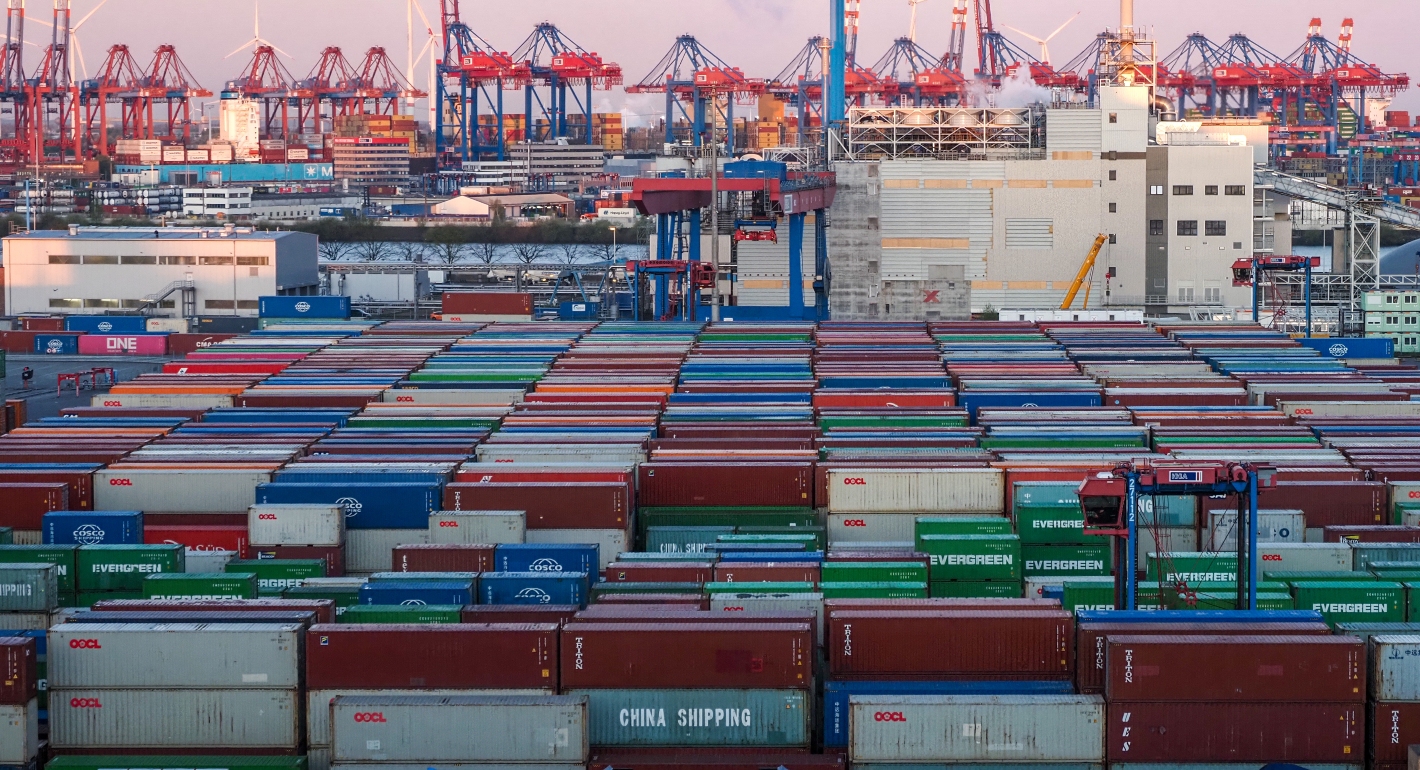
As geopolitical rivalry weaponizes global supply chains, the EU’s true vulnerability lies in emerging-risk imports. For these goods, suppliers are growing more concentrated, substitution more difficult, and political risk is looming.

Sinan Ülgen

The EU is putting together a new security strategy to meet today’s myriad challenges. But for any proposal to be effective, the union needs to grapple with its identity and ambitions.

Pierre Vimont
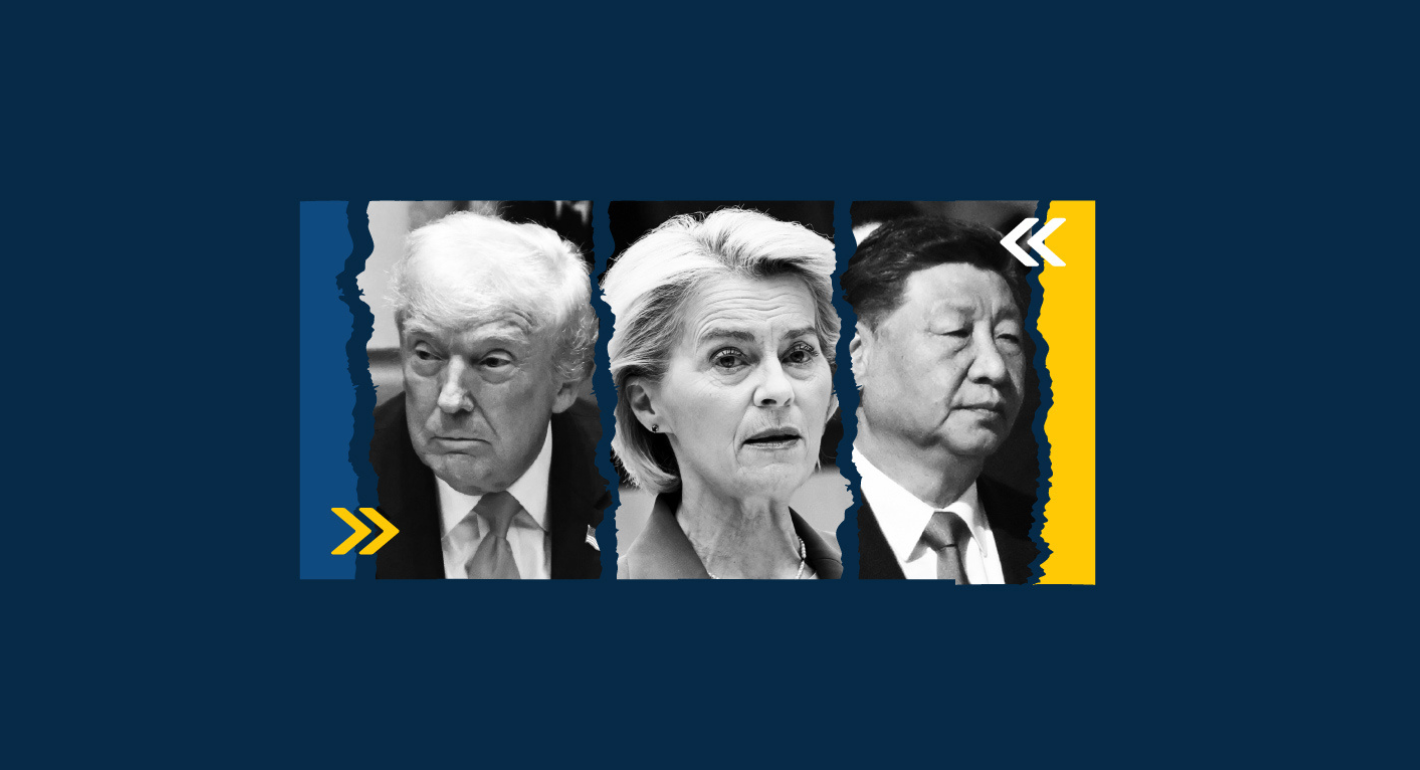
Between the United States’ market-driven approach and China's state-led industrial strategy, Europe is reckoning with how it can remain competitive in the global economy. But is Europe in danger of becoming a U.S. or China colony?


Noah Barkin, Anu Bradford

The U.S.-sponsored TRIPP deal is driving the Armenia-Azerbaijan peace process forward. But foreign and domestic hurdles remain before connectivity and economic interdependence can open up the South Caucasus.



Thomas de Waal, Areg Kochinyan, Zaur Shiriyev

Economic growth is at the heart of a dilemma between planetary and international security.

Olivia Lazard