

In The Media
John Judis
{
  "authors": [
    "John Judis"
  ],
  "type": "legacyinthemedia",
  "centerAffiliationAll": "",
  "centers": [
    "Carnegie Endowment for International Peace",
    "Malcolm H. Kerr Carnegie Middle East Center"
  ],
  "collections": [
    "Arab Awakening"
  ],
  "englishNewsletterAll": "",
  "nonEnglishNewsletterAll": "",
  "primaryCenter": "Carnegie Endowment for International Peace",
  "programAffiliation": "",
  "programs": [],
  "projects": [],
  "regions": [
    "North Africa",
    "Egypt"
  ],
  "topics": [
    "Political Reform",
    "Democracy",
    "Security"
  ]
}
Source: Getty
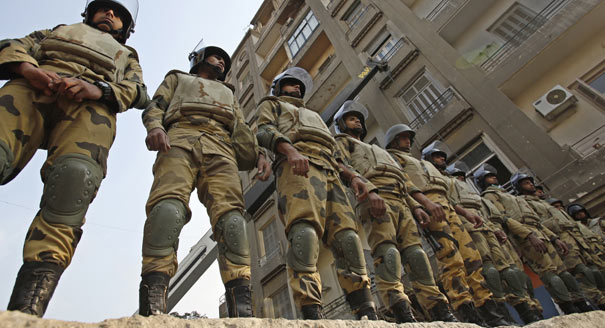
The army remains the power behind the scenes in today’s Egypt.
Source: New Republic
The Egyptian military has reportedly issued an ultimatum to Mohamed Morsi’s government that if it fails to restore order in 48 hours, the army will intervene in the country’s affairs. Whether it is threatening to remove Morsi remains unclear, but what does seem to be clear is that the army remains the power behind the scenes in today’s Egypt.
I want to reiterate something that I wrote two-and-a-half years ago about the ouster of Egyptian President Hosni Mubarak. I wrote at the time that it was a mistake to describe Mubarak’s ouster a “revolution.” My argument, drawn from Max Weber and Lenin, is that the possession of state power requires a monopoly over the use of force. In Egypt, in the wake of the 1952 coup that brought Gamel Abdel Nasser and a group of officers to power, the military gradually fashioned a state apparatus in which they would not formally govern, but would function as a ruling class—enjoying not merely control over the country’s armed forces, but also over a large part of its economy.In State and Revolution, Lenin wrote that a revolution would have to “smash the state.” That was a vivid way of saying that it would have to alter fundamentally the terms of state power. That did not happen in Egypt, where the military itself eased Mubarak out of power. Mubarak—unlike Syria’s Bashar al-Assad—did not control the military, but served at its behest. Morsi or some opposition movement may in the future dislodge Egypt’s military from power, but it doesn't seem to have happened yet; and those opposition forces who have called on the military to intervene may live to regret it.

Former Visiting Scholar
As a visiting scholar at Carnegie, Judis wrote The Folly of Empire: What George W. Bush Could Learn from Theodore Roosevelt and Woodrow Wilson.
Recent Work
John Judis
John Judis
Carnegie does not take institutional positions on public policy issues; the views represented herein are those of the author(s) and do not necessarily reflect the views of Carnegie, its staff, or its trustees.
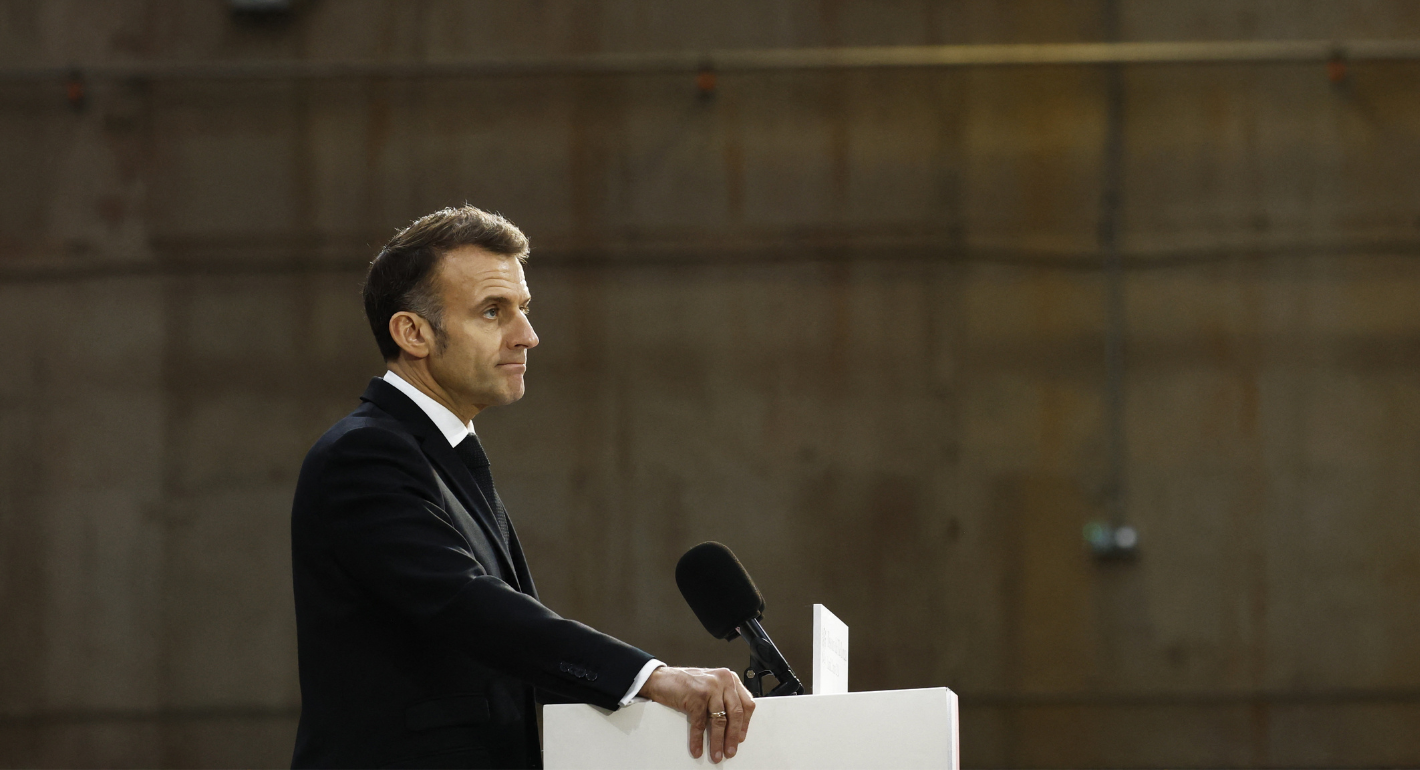
French President Emmanuel Macron has unveiled his country’s new nuclear doctrine. Are the changes he has made enough to reassure France’s European partners in the current geopolitical context?

Rym Momtaz, ed.
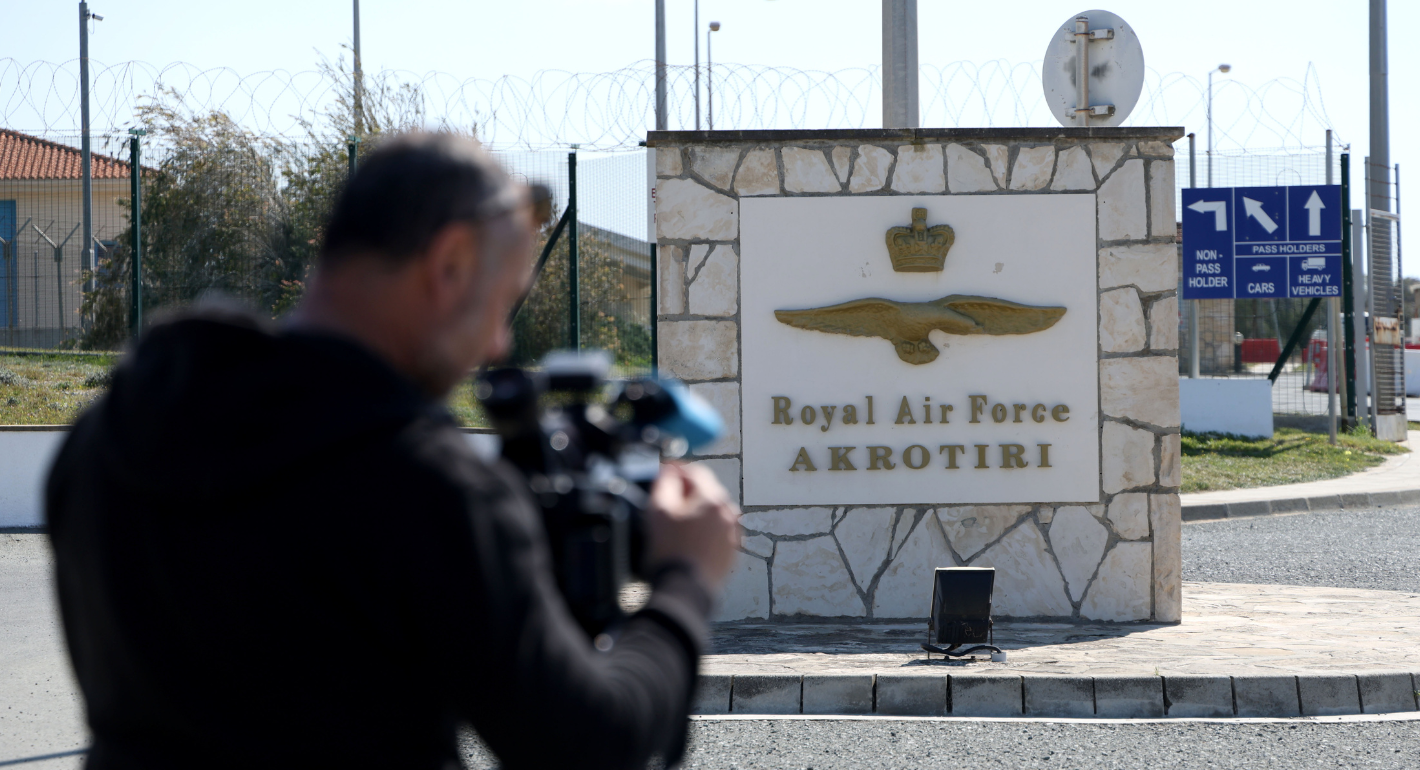
The drone strike on the British air base in Akrotiri brings Europe’s proximity to the conflict in Iran into sharp relief. In the fog of war, old tensions in the Eastern Mediterranean risk being reignited, and regional stakeholders must avoid escalation.

Marc Pierini
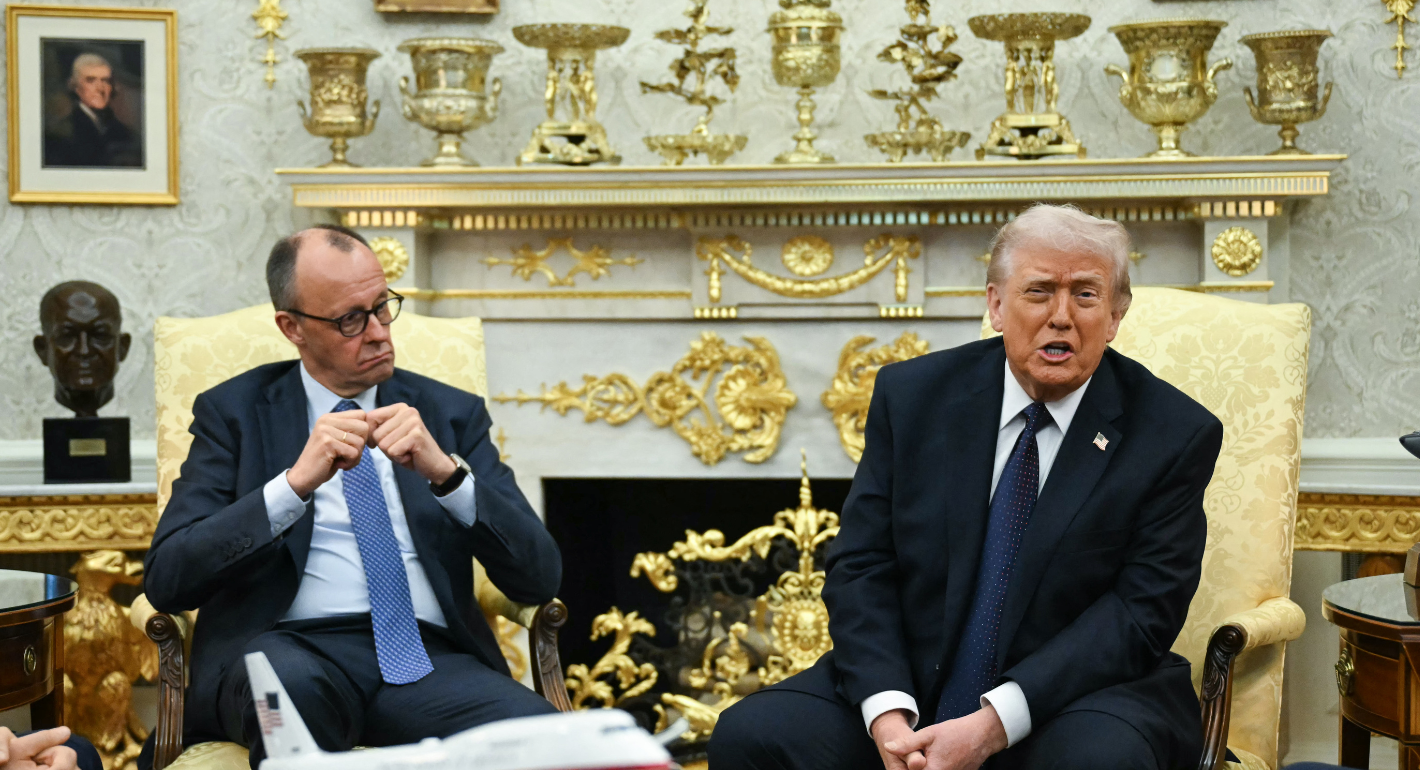
European reactions to the war in Iran have lost sight of wider political dynamics. The EU must position itself for the next phase of the crisis without giving up on its principles.

Richard Youngs
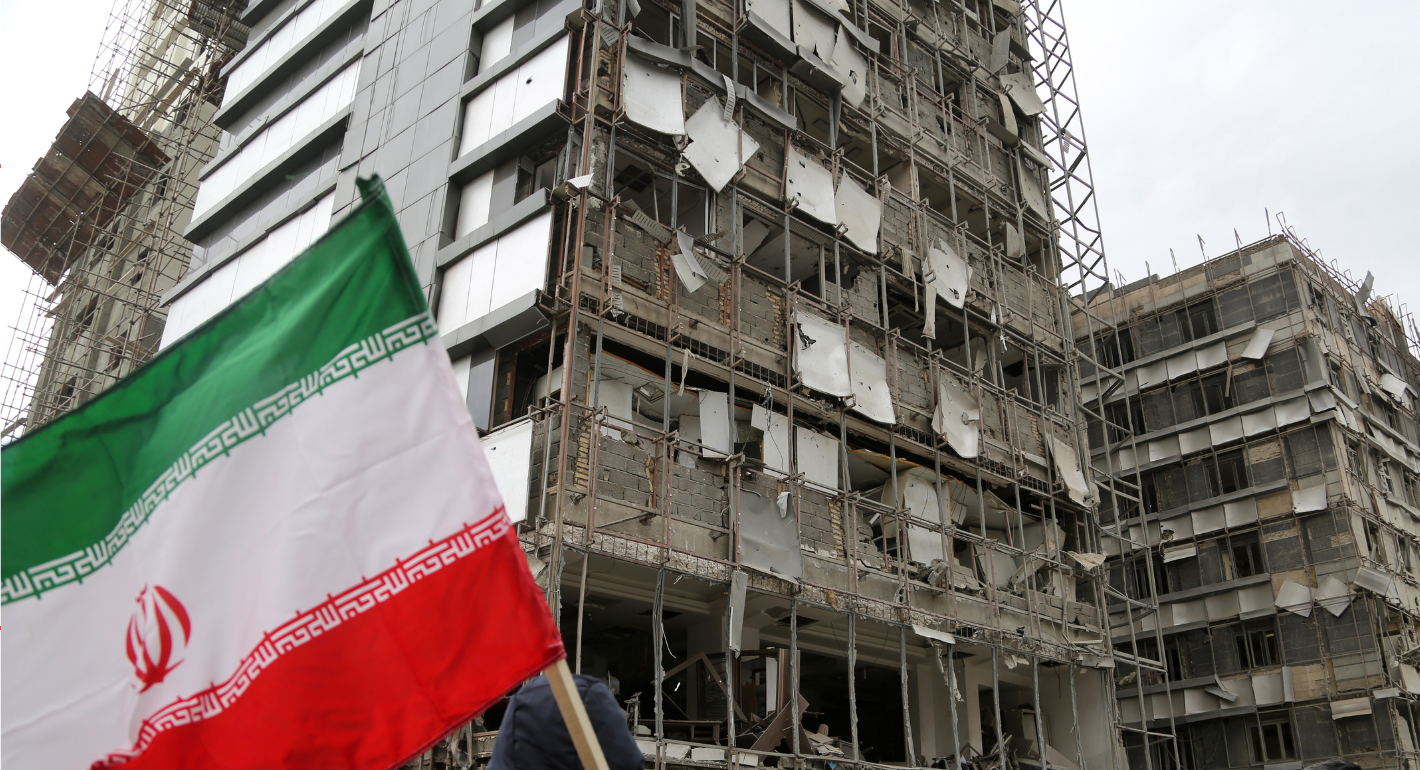
Europe’s reaction to the war in Iran has been disunited and meek, a far cry from its previously leading role in diplomacy with Tehran. To avoid being condemned to the sidelines while escalation continues, Brussels needs to stand up for international law.

Pierre Vimont

New thinking is needed on how global civil society can be protected. In an era of major-power rivalry, competitive geopolitics, and security primacy, civil society is in danger of getting squeezed – in some countries, almost entirely out of existence.

Richard Youngs, ed., Elene Panchulidze, ed.