

Commentary
Nathan J. Brown
{
  "authors": [
    "Nathan J. Brown"
  ],
  "type": "legacyinthemedia",
  "centerAffiliationAll": "dc",
  "centers": [
    "Carnegie Endowment for International Peace",
    "Malcolm H. Kerr Carnegie Middle East Center"
  ],
  "collections": [
    "Arab Awakening"
  ],
  "englishNewsletterAll": "menaTransitions",
  "nonEnglishNewsletterAll": "",
  "primaryCenter": "Carnegie Endowment for International Peace",
  "programAffiliation": "MEP",
  "programs": [
    "Middle East"
  ],
  "projects": [],
  "regions": [
    "North Africa",
    "Egypt"
  ],
  "topics": [
    "Political Reform",
    "Security"
  ]
}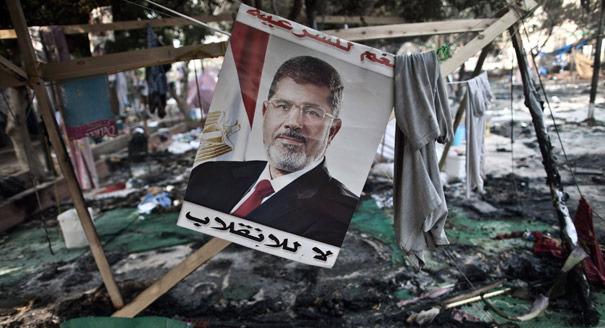
Source: Getty
The real question facing Egypt has to do with the role of Islam in public life and who speaks for Islam in public life, which is ultimately more of a political conflict than a religious one.
Source: NPR Kojo Nnamdi Show
Speaking on NPR’s Kojo Nnamdi Show, Carnegie’s Nathan Brown explained that the release of former Egyptian president Hosni Mubarak on August 22nd was a political rather than legal move, because the political context in Egypt today is very different from when Mubarak was arrested. But while many Egyptians have moved on, “the core constituency from the Egyptian revolution back in 2011, however, is likely to see this as a betrayal and a reversal,” Brown warned.
Brown noted that Egypt is in the middle of a very different set of political conflicts, in an atmosphere of both political and social repression. “The real question has to do with the role of Islam in public life and, especially, who speaks for Islam in public life,” Mr. Brown said. “That’s what the conflict is and that’s really, I think, more of a political conflict than a religious one.”The current crackdown on the Muslim Brotherhood is a departure from the cat and mouse game of the Mubarak era, Brown argued, when the conflict was between a regime that wanted to retain control and a Brotherhood trying to find ways to continue operating. He said it was a return back to the 1940s and 1950s when there were attempts to shut down the organization as a whole.
In the years since the Egyptian revolution, the Brotherhood managed to establish itself as a normal political actor in Egyptian politics, Brown concluded. But while the West came to accept the Muslim Brotherhood’s rise to power, some states in the region viewed it as a real threat.
This interview was originally aired on NPR’s Kojo Nnamdi Show.

Nonresident Senior Fellow, Middle East Program
Nathan J. Brown, a professor of political science and international affairs at George Washington University, is a distinguished scholar and author of nine books on Arab politics and governance, as well as editor of five books.
Recent Work
Nathan J. Brown
Nathan J. Brown
Carnegie does not take institutional positions on public policy issues; the views represented herein are those of the author(s) and do not necessarily reflect the views of Carnegie, its staff, or its trustees.

Mounting economic strain and battlefield losses will not necessarily make the Kremlin less dangerous. They could instead push Moscow toward a more aggressive hybrid campaign designed to test NATO’s Eastern flank, exploit allied hesitation, and fracture European resolve.

Maksym Beznosiuk

Over the past ten years, NATO has held almost as many summits as it did during the entirety of the Cold War. Are they still useful, or is it time to stop holding annual meetings?

Rym Momtaz, ed.

As the EU confronts profound challenges, several leaders have called for fundamental reform to the union’s model—but only modest, superficial changes have resulted. What if Europe really could be reimagined from zero today: What should such a redesigned European order look like?

Richard Youngs, ed.
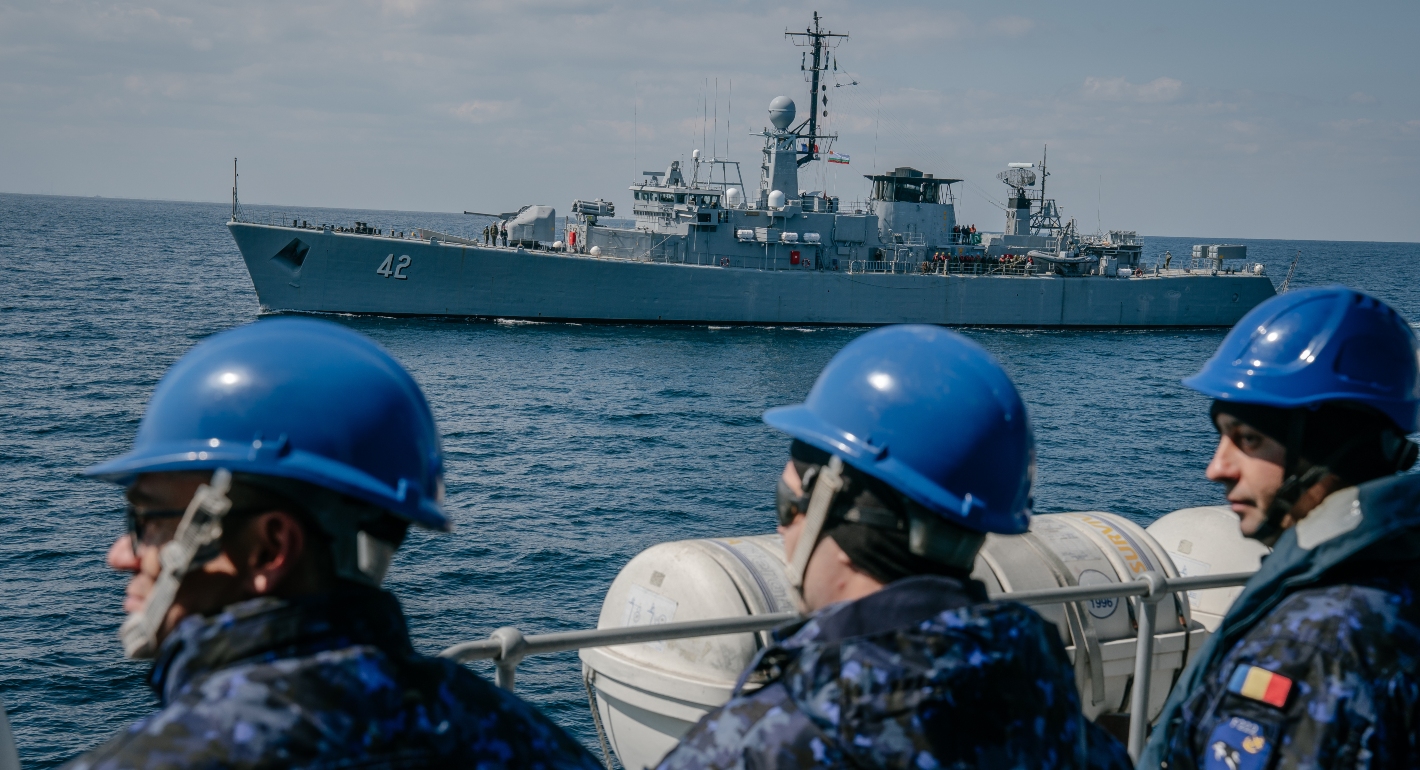
As Russia's war on Ukraine drags on, NATO is expanding its footprint in the Black Sea. Turkey, Romania, and Bulgaria are upgrading their fleets and deepening trilateral cooperation.

Dimitar Bechev
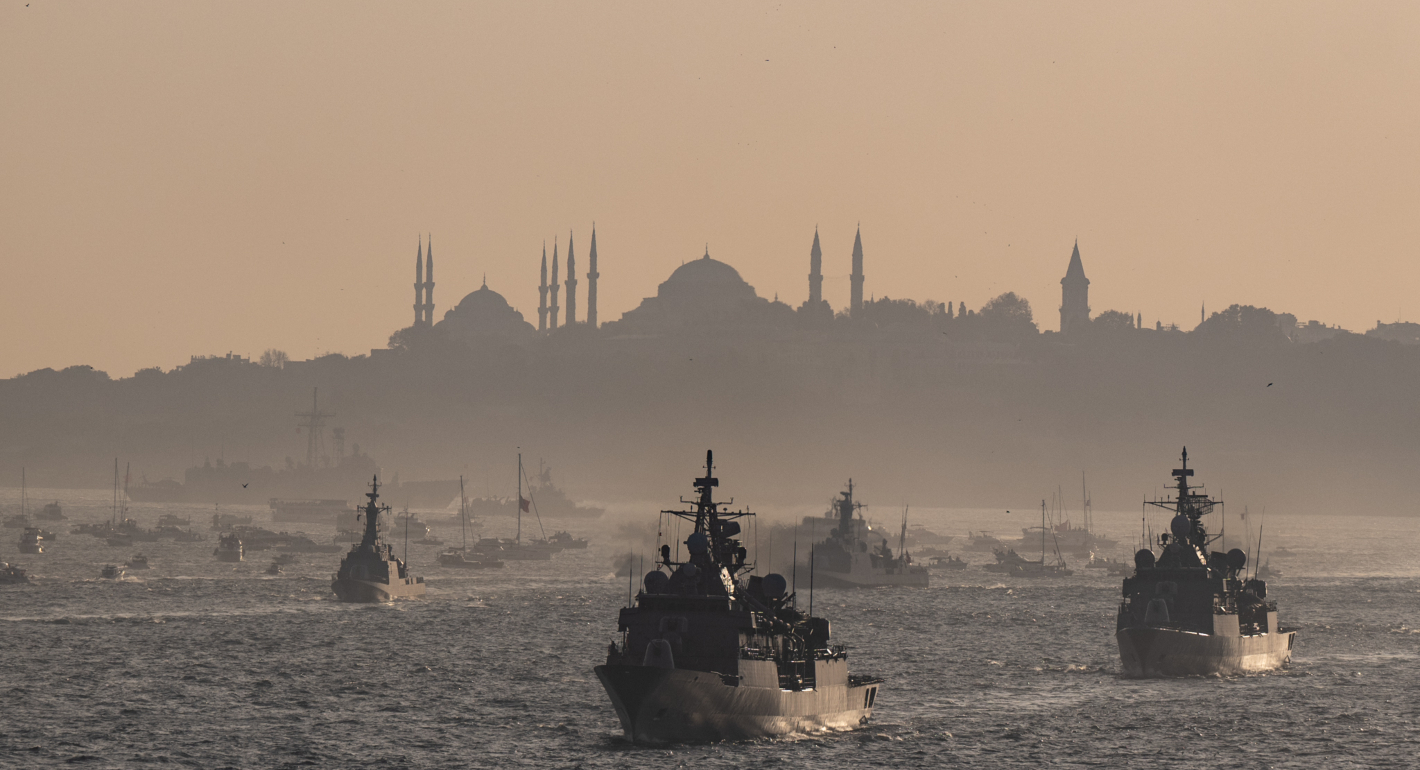
For ninety years, Turkey has been positioned as the principal gatekeeper of Black Sea security. As a result, European and NATO efforts to support Ukraine will require closer engagement with Ankara.

Thomas de Waal