

Article
Wang Tao
{
  "authors": [
    "Wang Tao"
  ],
  "type": "legacyinthemedia",
  "centerAffiliationAll": "",
  "centers": [
    "Carnegie Endowment for International Peace",
    "Carnegie China"
  ],
  "collections": [
    "China and the Developing World"
  ],
  "englishNewsletterAll": "",
  "nonEnglishNewsletterAll": "",
  "primaryCenter": "Carnegie China",
  "programAffiliation": "",
  "programs": [],
  "projects": [],
  "regions": [
    "East Asia",
    "China"
  ],
  "topics": [
    "Economy",
    "Climate Change"
  ]
}
Source: Getty
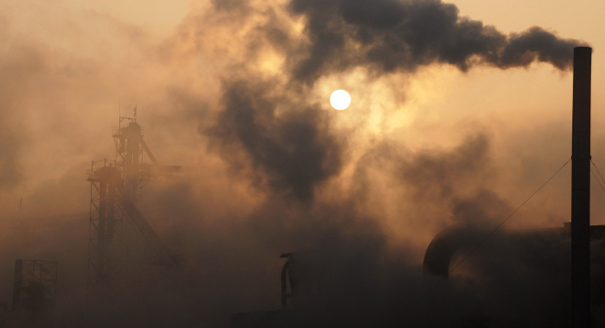
While Beijing has already made improvements in developing cleaner energy, the counry’s use of coal as its primary source of energy still poses a considerable challenge.
Source: CCTV News
Carnegie–Tsinghua’s Wang Tao spoke to CCTV News’ China 24 to discuss potential alternative energy routes for China and the challenges the nation will encounter in implementing such energy practices. While Beijing has already made improvements in developing cleaner energy, China’s use of coal as its primary source of energy still poses a considerable challenge.
Wang acknowledged that finding alternative forms of energy will be difficult. Natural gas is not readily available in China and is only a minor improvement over coal with regard to how cleanly it burns. Solar and wind energy could be strong potential options, but these require further development.
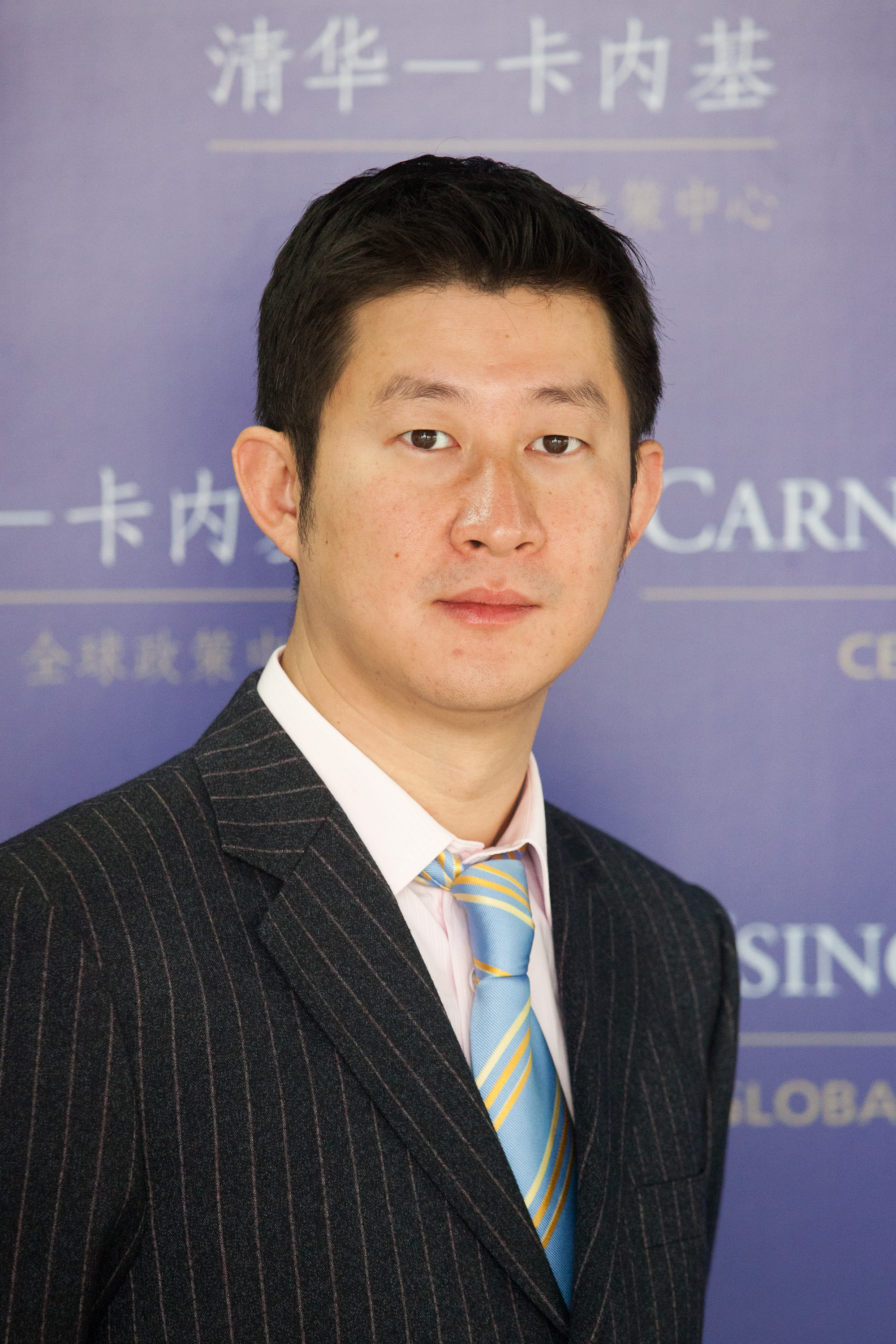
Former Nonresident Scholar, Carnegie-Tsinghua Center for Global Policy
Wang Tao was a nonresident scholar in the Energy and Climate Program based at the Carnegie–Tsinghua Center for Global Policy.
Recent Work
Wang Tao
Wang Tao, Yang Yifang
Carnegie does not take institutional positions on public policy issues; the views represented herein are those of the author(s) and do not necessarily reflect the views of Carnegie, its staff, or its trustees.
The war in Iran proves the United States is now a destabilizing actor for Europe and the Arab Gulf. From protect their economies and energy supplies to safeguarding their territorial integrity, both regions have much to gain from forming a new kind of partnership together.

Rym Momtaz
For years, the United States anchored global cyber diplomacy. As Washington rethinks its leadership role, the launch of the UN’s Cyber Global Mechanism may test how allies adjust their engagement.
Patryk Pawlak, Chris Painter
Integrating AI into the workplace will increase job insecurity, fundamentally reshaping labor markets. To anticipate and manage this transition, the EU must build public trust, provide training infrastructures, and establish social protections.
Amanda Coakley
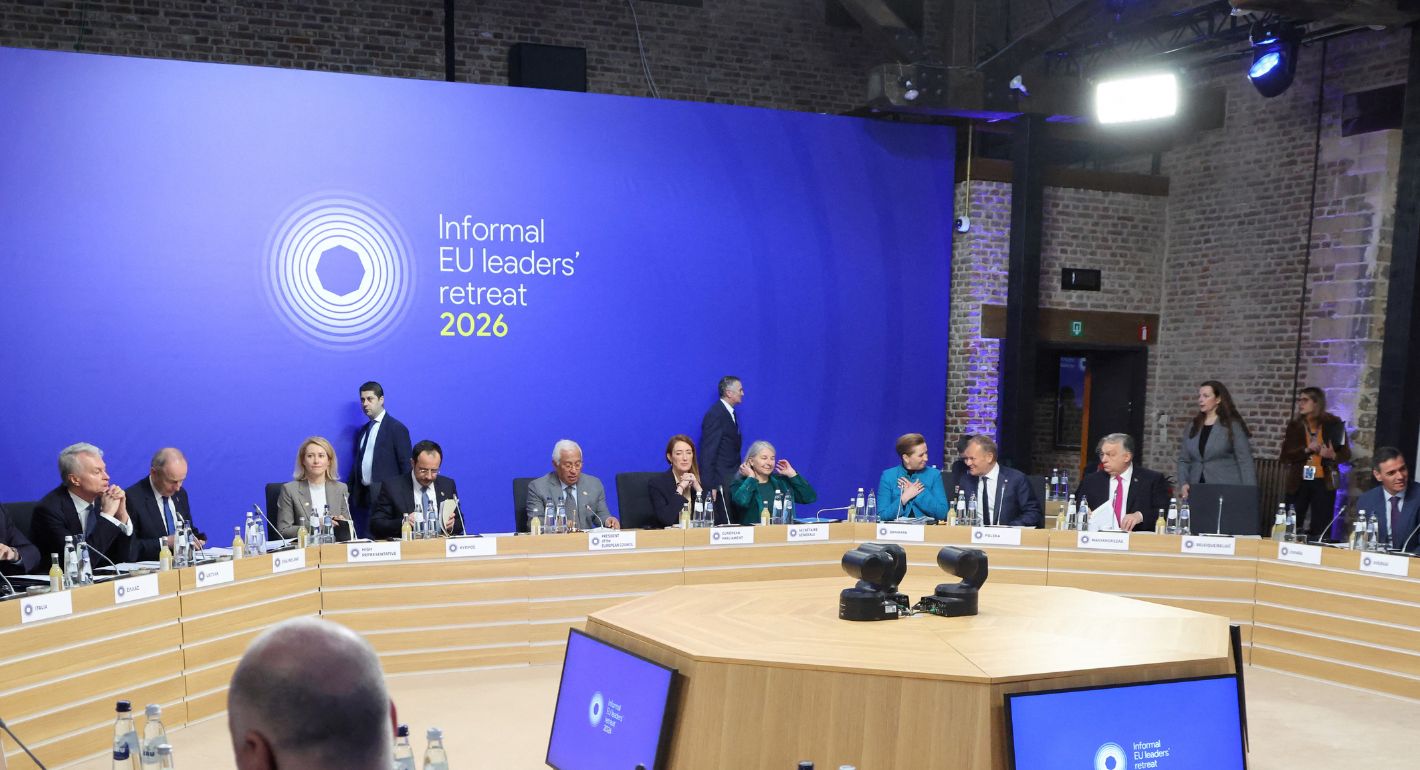
EU member states clash over how to boost the union’s competitiveness: Some want to favor European industries in public procurement, while others worry this could deter foreign investment. So, can the EU simultaneously attract global capital and reduce dependencies?
Rym Momtaz, ed.
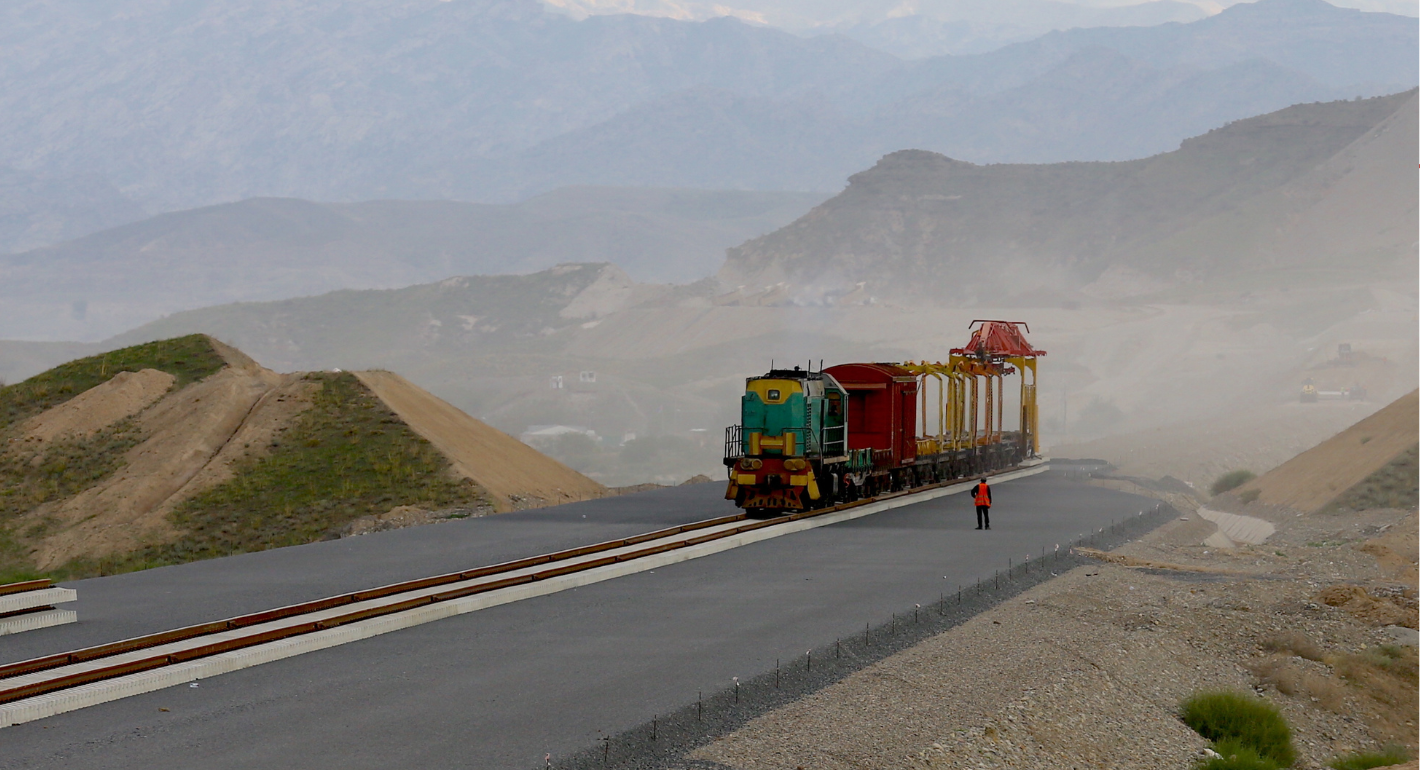
The EU lacks leadership and strategic planning in the South Caucasus, while the United States is leading the charge. To secure its geopolitical interests, Brussels must invest in new connectivity for the region.

Zaur Shiriyev