

Article
Carole Nakhle
{
  "authors": [
    "Carole Nakhle"
  ],
  "type": "legacyinthemedia",
  "centerAffiliationAll": "dc",
  "centers": [
    "Carnegie Endowment for International Peace",
    "Malcolm H. Kerr Carnegie Middle East Center"
  ],
  "collections": [],
  "englishNewsletterAll": "menaTransitions",
  "nonEnglishNewsletterAll": "",
  "primaryCenter": "Malcolm H. Kerr Carnegie Middle East Center",
  "programAffiliation": "MEP",
  "programs": [
    "Middle East"
  ],
  "projects": [],
  "regions": [
    "Gulf",
    "Middle East"
  ],
  "topics": [
    "Economy"
  ]
}
Source: Getty
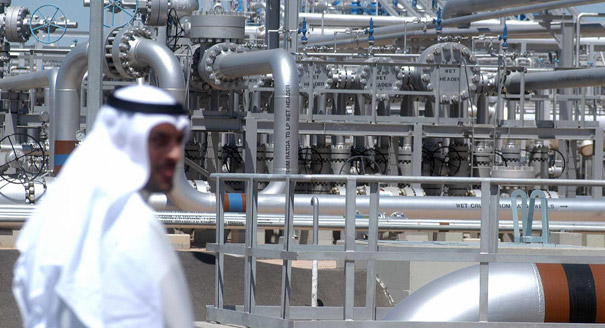
Kuwait is one of the richest countries in the world, but due to its lack of economic diversification, any potential decline in the oil price could cause serious problems to its economy.
Source: VoiceAmerica
Even though Kuwait is producing an average of 2.8 to three million barrels a day, Nakhle said that the situation is also worrisome: “You have eighty percent of government revenue coming from the oil sector. So, there are no other sectors in the economy to compensate for any potential decline in oil price. That would be a key concern for the sustainability of the Kuwaiti economy.”
Discussing foreign investment, Nakhle said that Project Kuwait, a project put in place in the mid-1990s that required oil companies to be involved in the upstream sector without really owning the production had been “nearly forgotten,” because the Kuwaitis “didn’t want the foreign investors—not even to have control over operational management.”
Nakhle added that if there is a potential deal in Iran, it would be interesting to find out “what kind of agreements or contracts Iran would offer to investors and whether Kuwait would learn from what its neighbor will be doing.”
This interview was broadcasted on VoiceAmerica’s “Emerging and Frontier Markets Investing.”
Former Nonresident Scholar, Middle East Center
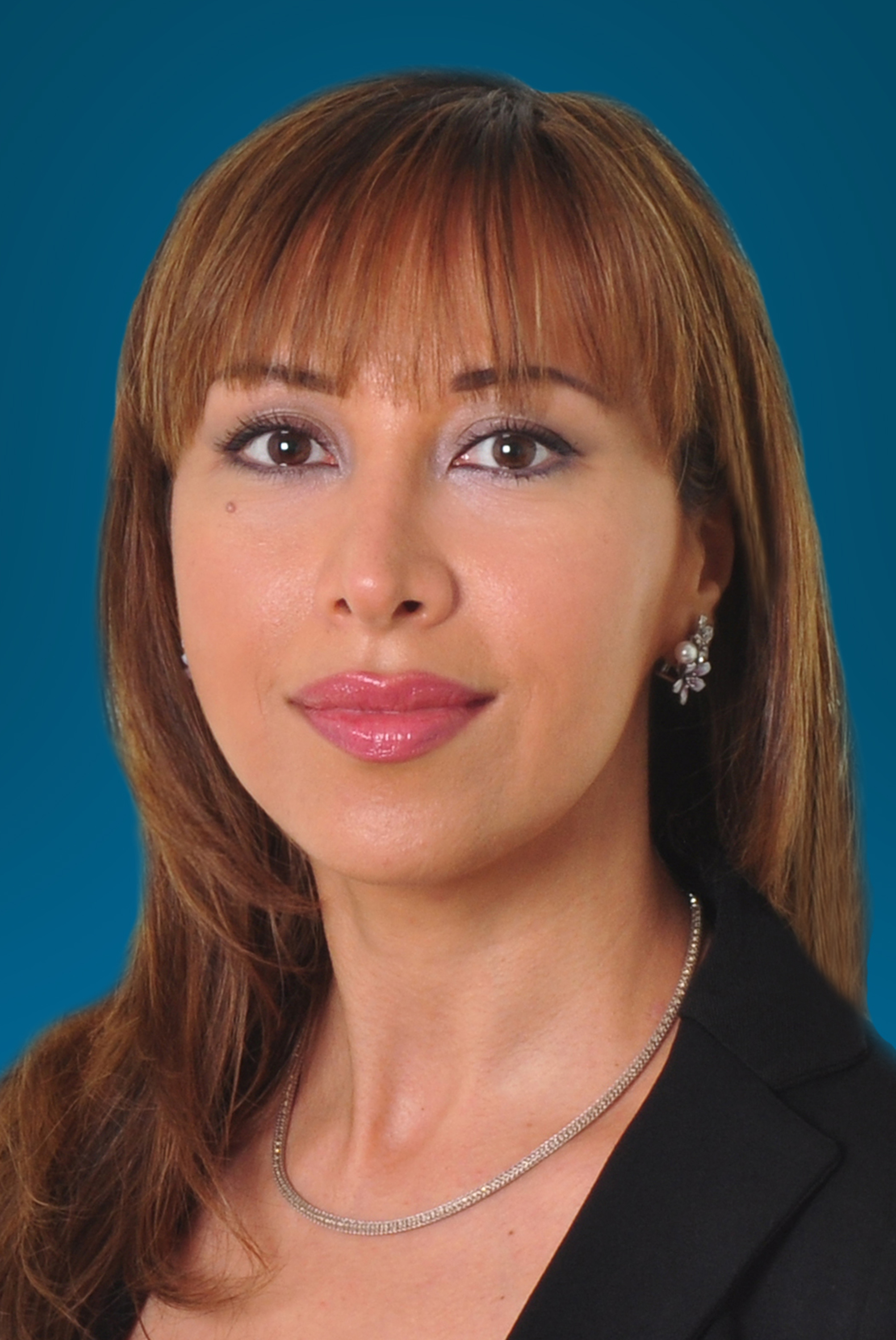
Nakhle was a nonresident scholar at Carnegie Middle East Center, specializing in international petroleum contracts and fiscal regimes for the oil and gas industry, world oil and gas market developments, energy policy, and oil and gas revenue management.
Recent Work
Carole Nakhle
Carole Nakhle
Carnegie does not take institutional positions on public policy issues; the views represented herein are those of the author(s) and do not necessarily reflect the views of Carnegie, its staff, or its trustees.
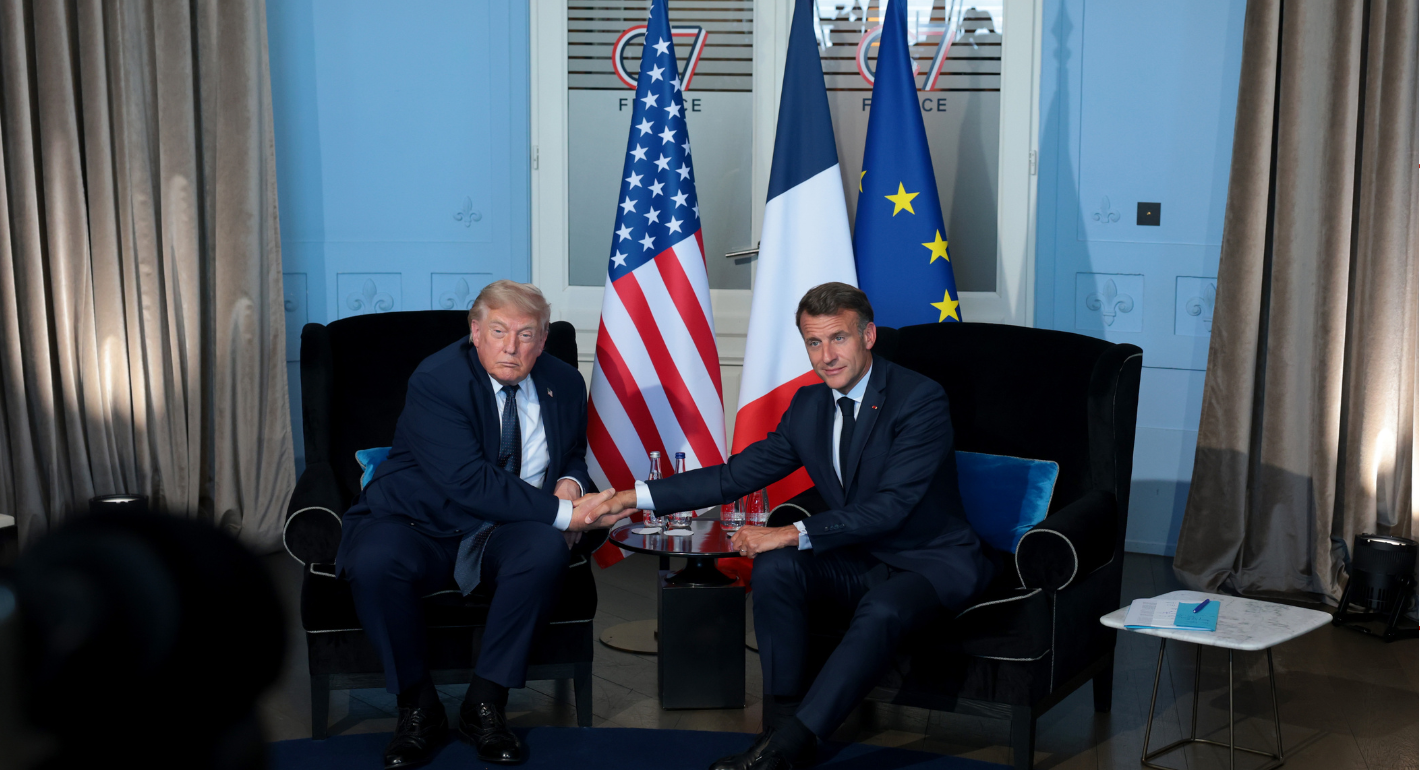
When the U.S.-Iran memorandum of understanding was announced, the UK, France, Germany, and Italy declared their readiness to help demine the Strait of Hormuz and lift nuclear sanctions on Tehran. But does Europe need new tools to recover a diplomatic role?

Rym Momtaz, ed.
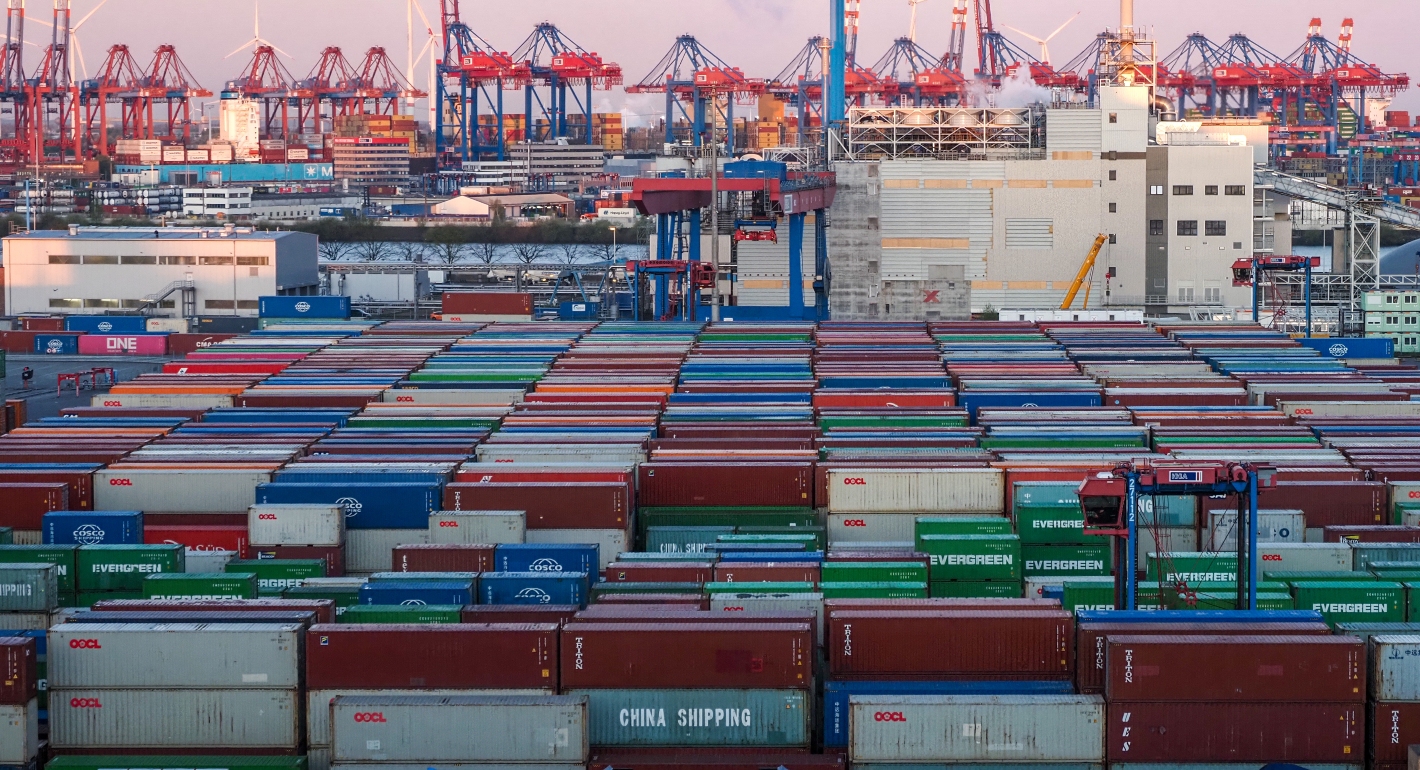
As geopolitical rivalry weaponizes global supply chains, the EU’s true vulnerability lies in emerging-risk imports. For these goods, suppliers are growing more concentrated, substitution more difficult, and political risk is looming.

Sinan Ülgen
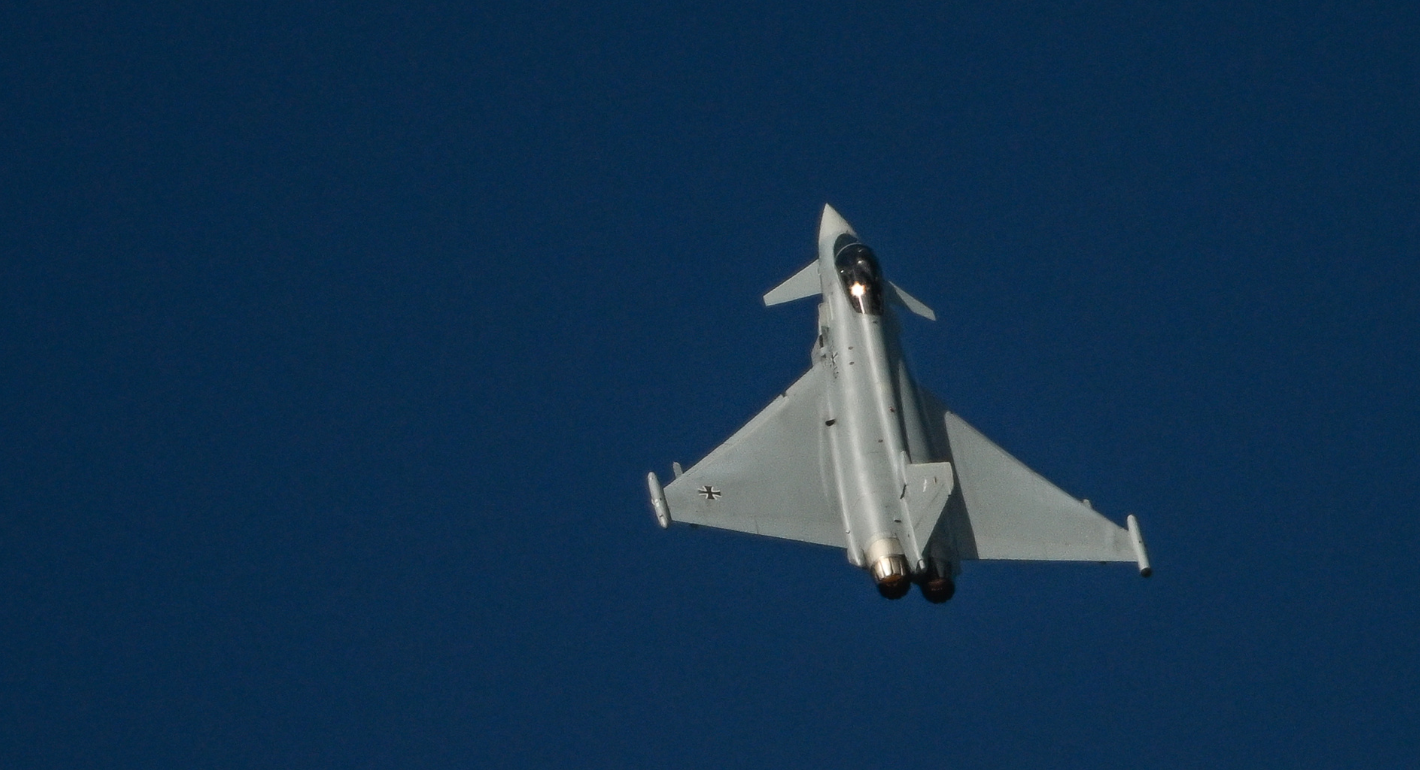
The EU is putting together a new security strategy to meet today’s myriad challenges. But for any proposal to be effective, the union needs to grapple with its identity and ambitions.

Pierre Vimont

The EU’s new migration policy is not suited to today’s realities. With climate change increasingly becoming a driver of displacement, Europe needs to rethink its deterrence-focused approach.

Shana Tabak
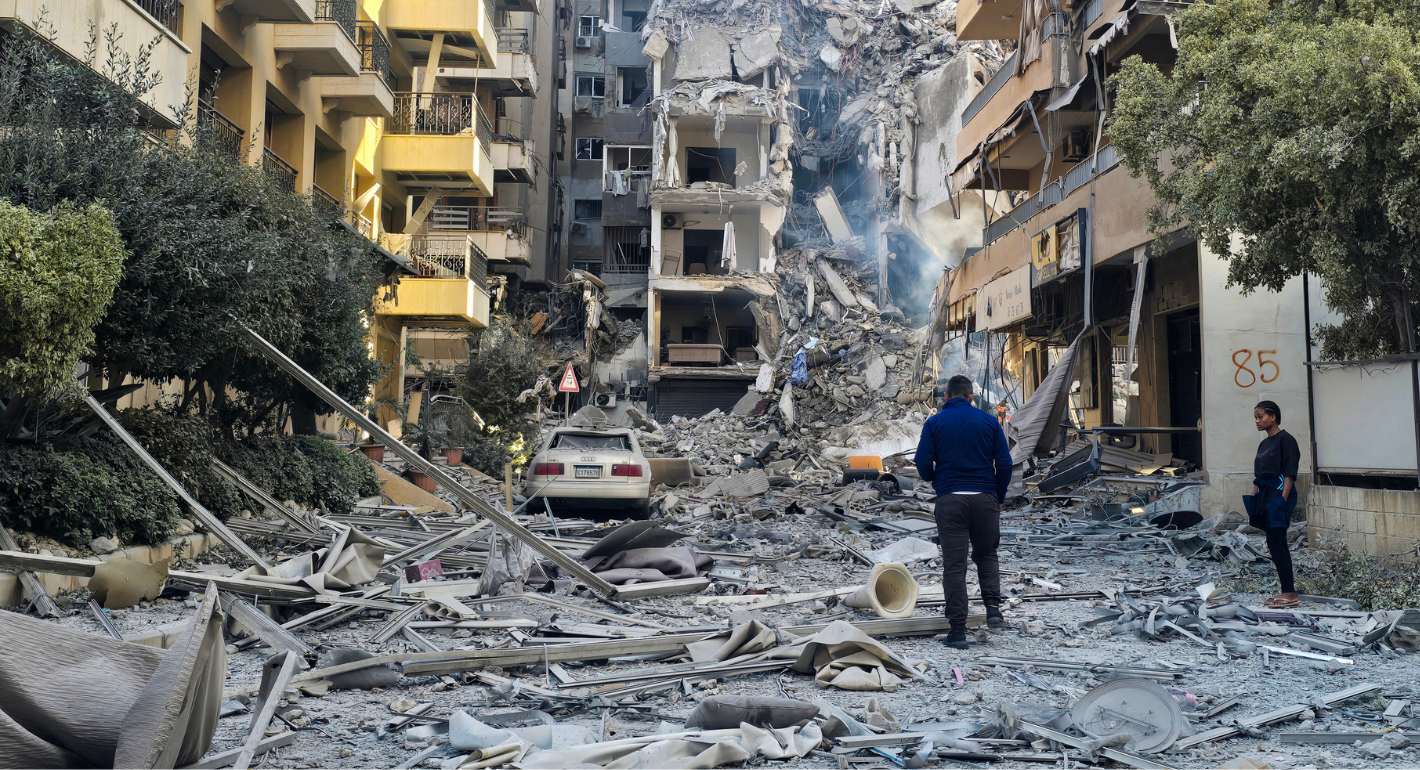
Europe seems to have accepted its sidelining in the Middle East. The EU must reassert its support for the international rules-based order and step up engagement.
Rym Momtaz