

Research
- +11
Frances Z. Brown, Nate Reynolds, Priyal Singh, …
{
  "authors": [
    "Frederic Wehrey"
  ],
  "type": "legacyinthemedia",
  "centerAffiliationAll": "dc",
  "centers": [
    "Carnegie Endowment for International Peace",
    "Malcolm H. Kerr Carnegie Middle East Center"
  ],
  "collections": [],
  "englishNewsletterAll": "menaTransitions",
  "nonEnglishNewsletterAll": "",
  "primaryCenter": "Carnegie Endowment for International Peace",
  "programAffiliation": "MEP",
  "programs": [
    "Middle East"
  ],
  "projects": [],
  "regions": [
    "North America",
    "United States",
    "Middle East",
    "Iraq",
    "Syria",
    "Gulf",
    "Levant"
  ],
  "topics": [
    "Political Reform",
    "Security",
    "Foreign Policy"
  ]
}
Source: Getty
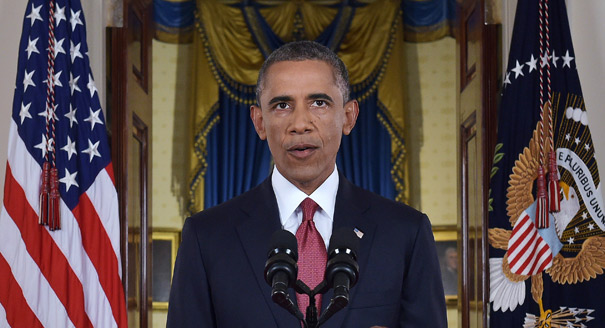
The president's four-pronged strategy of airstrikes, support to local proxies, defending against ISIS attacks through intelligence and counter-terrorism, and humanitarian assistance leaves many unanswered questions.
Source: CNN
The president's four-pronged strategy of airstrikes, support to local proxies, defending against ISIS attacks through intelligence and counter-terrorism, and humanitarian assistance leaves many unanswered questions. It's hardly a clear articulation of the sort of long-term, holistic strategy needed to deny ISIS the fertile ground it needs to thrive. The approach is fraught with tradeoffs, risks and hidden costs that need to be addressed.
The focus on targeting ISIS leadership -- drawing from what President Obama hailed as successful campaigns in Yemen and Somalia -- doesn't create the conditions on the ground for a lasting solution to the movement. High-value leadership targeting through precision strikes carry the risk of collateral casualties and of radicalization. And the record shows that militant leadership cadres can reconstitute themselves quickly, making such a strategy akin to a game of "whack-a-mole."The emphasis on coalitions, while laudable in concept, also carries hidden risks: each of Iraq's Arab neighbors will be pursuing competing agendas that may run counter to America's stated objectives. And the solicitation of Gulf support will come with costs: the U.S. must be leery of turning a blind eye to the repressive policies of these regimes toward legitimate Islamist opposition groups under the newfound framework of "counter-terrorism."
Each of America's local allies against ISIS also have their own agendas -- the so-called "moderate" Syrian opposition, the Kurdish peshmerga and the Shiite militias, and there's evidence that each is already using airstrikes as convenient cover to advance their own political objectives.
Ultimately, Baghdad holds the key to the long term: how power is distributed in the capital's institutions. Obama cited U.S. support for the devolution of security responsibilities to Sunni tribes as part of the national guard structure. But this must be pursued carefully, to avoid setting the conditions for warlordism and militia rule.
Finally, the U.S. shouldn't focus too much on counter-ideology -- this is an argument without end, and religious factors are probably tangential to the more societal, economic and political grievances that drive the rank-and-file, whether they are alienated young Muslims from the West, Anbari tribes or ex-Baathist officers.
Obama rightfully dismissed ISIS's religious pretensions. The caliphate discourse is the mobilizing vocabulary for something that is ultimately more mundane and worldly: the absence of credible and inclusive institutions that can temper the appeal of toxic sectarian identities and radical religious voices.

Senior Fellow, Middle East Program
Frederic Wehrey is a senior fellow in the Middle East Program at the Carnegie Endowment for International Peace, where his research focuses on governance, conflict, and security in Libya, North Africa, and the Persian Gulf.
Recent Work

Frances Z. Brown, Nate Reynolds, Priyal Singh, …
Charles H. Johnson, Frederic Wehrey
Carnegie does not take institutional positions on public policy issues; the views represented herein are those of the author(s) and do not necessarily reflect the views of Carnegie, its staff, or its trustees.
European reactions to the war in Iran have lost sight of wider political dynamics. The EU must position itself for the next phase of the crisis without giving up on its principles.

Richard Youngs
For years, the United States anchored global cyber diplomacy. As Washington rethinks its leadership role, the launch of the UN’s Cyber Global Mechanism may test how allies adjust their engagement.
Patryk Pawlak, Chris Painter
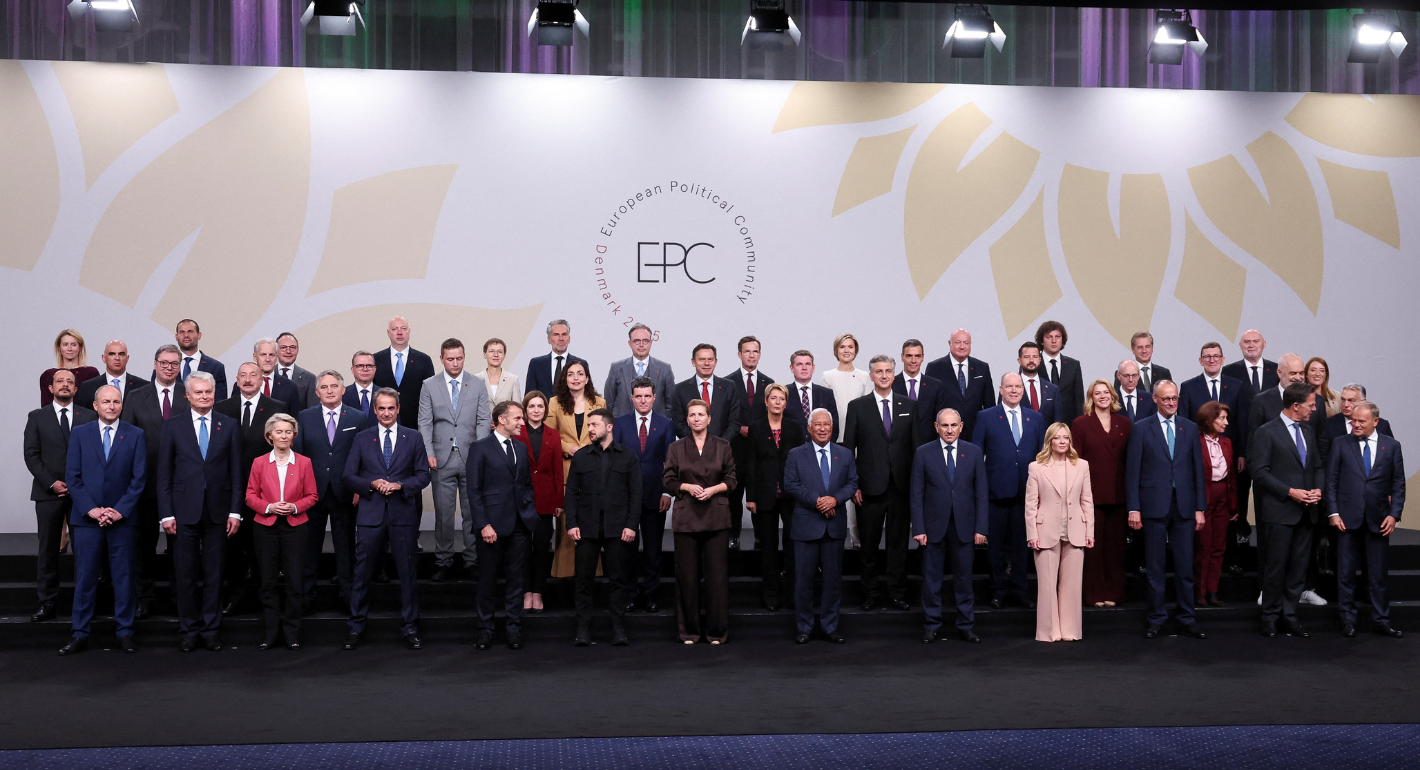
Europe isn’t as weak in the new geopolitics of power as many would believe. But to leverage its assets and claim a sphere of influence, Brussels must stop undercutting itself.

Dimitar Bechev
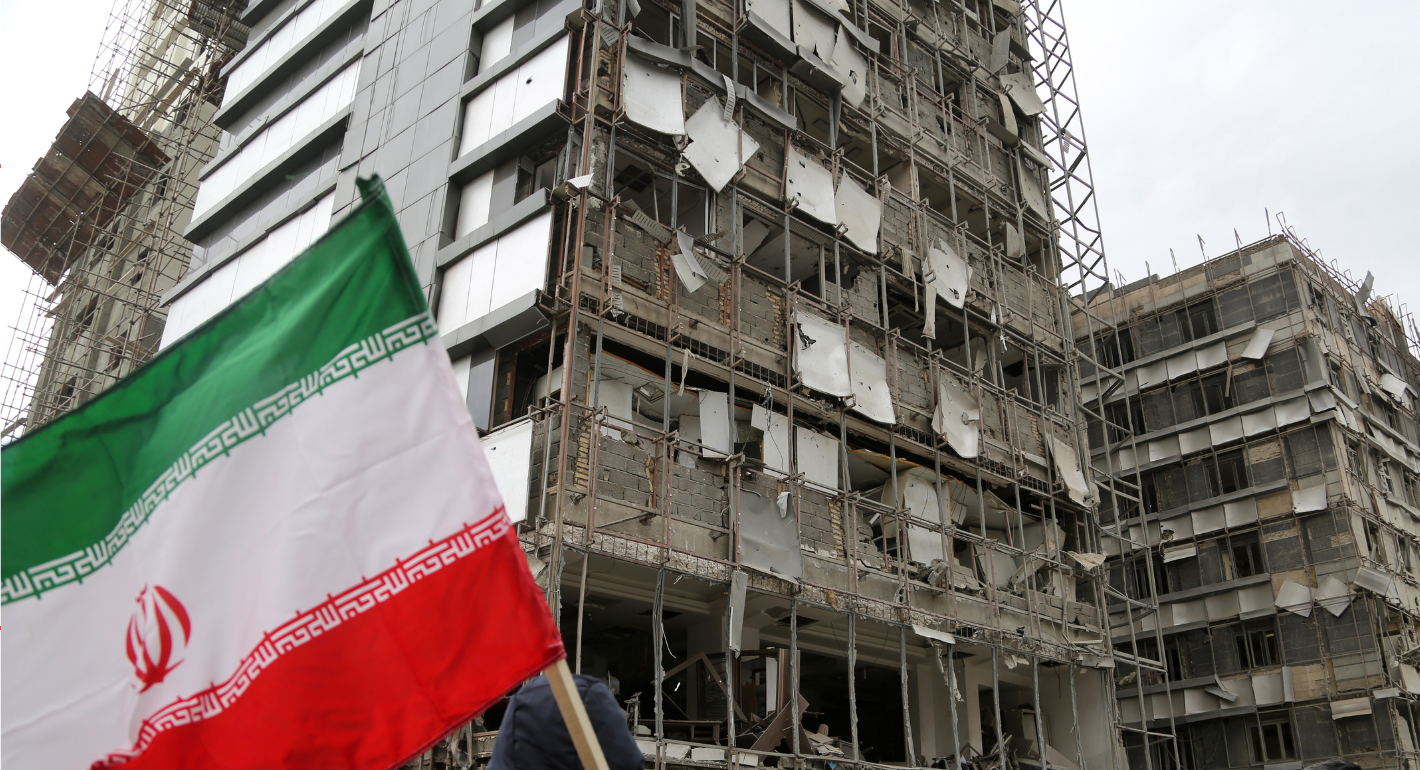
Europe’s reaction to the war in Iran has been disunited and meek, a far cry from its previously leading role in diplomacy with Tehran. To avoid being condemned to the sidelines while escalation continues, Brussels needs to stand up for international law.

Pierre Vimont
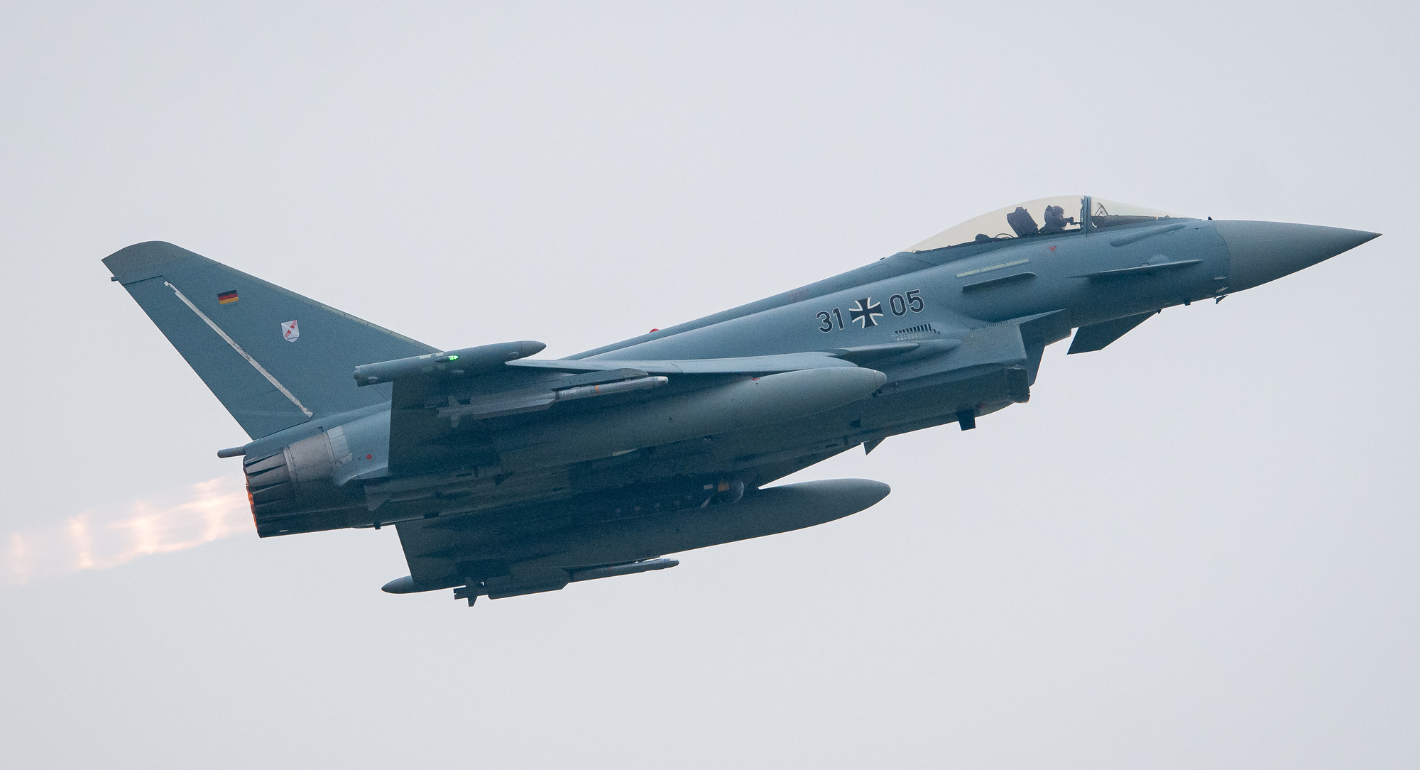
France and Germany’s failure to agree on the Future Combat Air System (FCAS) raises questions about European defense. Amid industrial rivalries and competing strategic cultures, what does the future of European military industrial projects look like?

Rym Momtaz, ed.