

Paper
Douglas H. Paal
{
  "authors": [
    "Douglas H. Paal"
  ],
  "type": "legacyinthemedia",
  "centerAffiliationAll": "dc",
  "centers": [
    "Carnegie Endowment for International Peace"
  ],
  "collections": [],
  "englishNewsletterAll": "asia",
  "nonEnglishNewsletterAll": "",
  "primaryCenter": "Carnegie Endowment for International Peace",
  "programAffiliation": "AP",
  "programs": [
    "Asia"
  ],
  "projects": [],
  "regions": [
    "East Asia",
    "China"
  ],
  "topics": [
    "Economy",
    "Foreign Policy"
  ]
}
Source: Getty
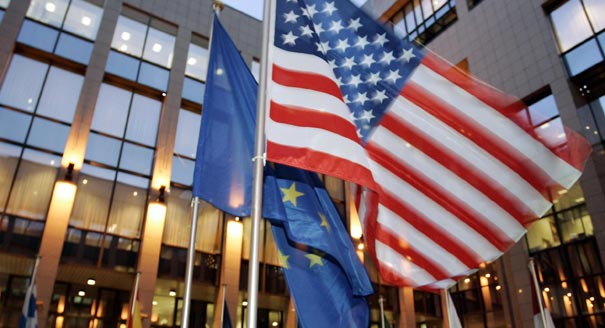
As the world pivots to Asia, China has its own plans for this vast region.
Source: Russia Today
As the world pivots to Asia, China has its own plans for this vast region and the world. Not satisfied with the options of either assimilating itself to the West or facing confrontation, Beijing is creating its own global system. CrossTalking with Douglas Paal, Daniel Wagner, and Richard Weitz about the Asian Development Bank, the Asian Infrastructure Investment Bank, Bretton Woods institutions, and the future of global governance.

Distinguished Fellow, Asia Program
Paal previously served as vice chairman of JPMorgan Chase International and as unofficial U.S. representative to Taiwan as director of the American Institute in Taiwan.
Recent Work
Douglas H. Paal


Douglas H. Paal, Tong Zhao, Chen Qi, …
Carnegie does not take institutional positions on public policy issues; the views represented herein are those of the author(s) and do not necessarily reflect the views of Carnegie, its staff, or its trustees.

The domestic impacts of how long it is taking to end the war in Ukraine have pushed the French electorate to the political extremes and compromised the country’s diplomatic capacity.

Rym Momtaz

The new U.S.–Denmark–Greenland agreement will help Washington exert political, economic, and financial dominance under the guise of security. Yet, it acknowledged Copenhagen’s and Nuuk’s sovereignty on the island.

Marc Pierini

A summer of escalation in the Black Sea has hurt Ukraine economically and is exacerbating world food security. A truce is needed—as is a broader reframing of Europe’s Ukraine strategy.

Thomas de Waal

Are Germany’s economic, industrial, and political struggles becoming a liability for the EU’s ability to rise to the geopolitical moment?
Rym Momtaz, ed.

European Commission President Ursula von der Leyen is about to give her annual address on the state of the EU. Here’s what she won’t—but should—say.
Rym Momtaz