

Commentary
Thomas Carothers, McKenzie Carrier
{
  "authors": [
    "Thomas Carothers"
  ],
  "type": "other",
  "centerAffiliationAll": "dc",
  "centers": [
    "Carnegie Endowment for International Peace"
  ],
  "collections": [
    "Democracy and Governance"
  ],
  "englishNewsletterAll": "democracy",
  "nonEnglishNewsletterAll": "",
  "primaryCenter": "Carnegie Endowment for International Peace",
  "programAffiliation": "DCG",
  "programs": [
    "Democracy, Conflict, and Governance"
  ],
  "projects": [],
  "regions": [
    "North America",
    "United States"
  ],
  "topics": [
    "Democracy",
    "Civil Society"
  ]
}
Source: Getty
The consensus on incorporating transparency, accountability, participation, and inclusion as core principles of aid will only solidify if its strongest proponents recognize how shaky it still is.
Source: Oxfam
If you are about to visit an organization engaged in international development assistance and are unsure of the reception you will receive, a surefire way exists to win over your hosts: tell them you believe that four principles are crucial for development—accountability, transparency, participation, and inclusion. Your hosts will almost certainly nod enthusiastically and declare that their organization in fact prioritizes these very concepts. This holds true whether you are visiting a bilateral or multilateral aid agency, a foreign ministry engaged in development work, a transnational NGO, a private foundation, or any other type of group engaged in aid work. The ubiquity of these four concepts in the policy statements and program documents of the aid world is truly striking–they have become magic words of development.
Veteran readers of this blog may suspect that with such an introduction, we are about to slash away at these concepts with gleeful Greenian gusto, excoriating the aid community for its unshakable addiction to specious magic bullets. Not quite. Some sober questioning of assumptions is indeed warranted. Our point, however, is not that these ideas are misguided or harmful, rather that the agreement around them is much less solid than the rhetoric might indicate. Look through the veneer of the apparent consensus and a series of significant fissures become visible.
Divisions start with respect to the place of these principles in the overall aid enterprise. Enthusiasts of the four magic words tend to see them as good things in and of themselves that should be understood as intrinsic elements of development. Yet within most aid organizations skepticism over this view persists. Some are concerned that opening the door to what may be politically normative claims on the development agenda will dilute the core focus on poverty reduction and aggravate disagreements between donors and recipients over basic purposes. The case for the four magic words, traditionalists argue, should rest on their instrumental value.Yet here too serious divisions persist. Evidence that building accountability, transparency, participation, and inclusion into development assistance will produce better socioeconomic outcomes remains limited and generally inconclusive. If there is one overarching message from the existing research, it is the need for considerable caution regarding expectations of direct developmental impact. This holds true whether the empirical focus is on just one specific element, like transparency or citizen participation, or on the broader proposition that Western-style governance, seen as including the four principles, is vital to achieving or sustaining socioeconomic success.
Fissures also exist concerning the actual application of these principles. Behind very similar sounding policy statements lie drastically different levels of commitment to corp transparencymaking transparency, accountability, participation and inclusion a serious element of development programming. While some aid groups engage in box-ticking when they address these issues, others attempt genuinely transformative approaches. Such differences not only exist between different aid organizations, but also at times between departments of the same agency or group. And highly varied commitment levels are not just the purview of donors—they also characterize aid recipients. Many aid-receiving governments have signed on to international initiatives involving commitments on one or more of the four magic words, like the Open Government Partnership and the Extractive Industries Transparency Initiative. For some these commitments represent genuine efforts at domestic reform. For others, they primarily serve to give the appearance of political openness.
The four magic words appear to be a bridge among the three subcommunities that emerged in the aid world as part of the opening to politics in the 1990s—practitioners focused on governance, those engaged in openly political work on democracy building, and those committed to a rights-based approach to development. Over the past decade, governance specialists have become comfortable with the four principles as a natural evolution of the governance agenda; democracy builders see them as an uncontroversial way to slip intrinsically pro-democratic concepts into aid debates; rights enthusiasts view them as cardinal elements of a rights-based approach. Yet in practice, the bridge is only very partial. When it comes to fostering accountability for example, governance specialists often approach the task as a narrow, technocratic enterprise centered on procedural and regulatory improvements in public financial management. Yet for democracy buffs accountability is all about strengthening parliaments, parties, and political contestation. While a governance program may treat government transparency as a mechanism for soliciting citizen input and improving service delivery, rights specialists conceptualize access to information on all aspects of governance as a fundamental right and thus a matter of legal compulsion.
Despite these divisions and uncertainties, we don’t believe that the embrace of accountability, transparency, participation, and inclusion should be dismissed as just one more transitory enthusiasm of the donor community. We see it as a powerful embodiment of the fundamental movement away from the decades-long tendency of the aid community to avoid political dynamics and treat states as deus ex machinas operating without any organic connection to the citizens they are supposed to serve. But we feel that proponents of these principles are prone to believing that the consensus around them is stronger than it really is. They need to face more squarely the many underlying fissures, and look harder for ways to reduce their impact. Some of the divisions, like disagreements over the legitimacy of the intrinsic case for the four principles, reflect differences in the very idea of what development is and are therefore unlikely to be overcome anytime soon. But others, like the continuing divide between governance, human rights, and democracy practitioners, are more amenable to practical solutions. In other words, the consensus on incorporating transparency, accountability, participation and inclusion as core principles of development aid will only solidify if its strongest proponents recognize how shaky it still is.

Harvey V. Fineberg Chair for Democracy Studies; Director, Democracy, Conflict, and Governance Program
Thomas Carothers, director of the Carnegie Endowment for International Peace’s Democracy, Conflict, and Governance Program, is a leading expert on comparative democratization and international support for democracy.
Recent Work

Thomas Carothers, McKenzie Carrier
Thomas Carothers, McKenzie Carrier
Carnegie does not take institutional positions on public policy issues; the views represented herein are those of the author(s) and do not necessarily reflect the views of Carnegie, its staff, or its trustees.

French President Emmanuel Macron has unveiled his country’s new nuclear doctrine. Are the changes he has made enough to reassure France’s European partners in the current geopolitical context?

Rym Momtaz, ed.
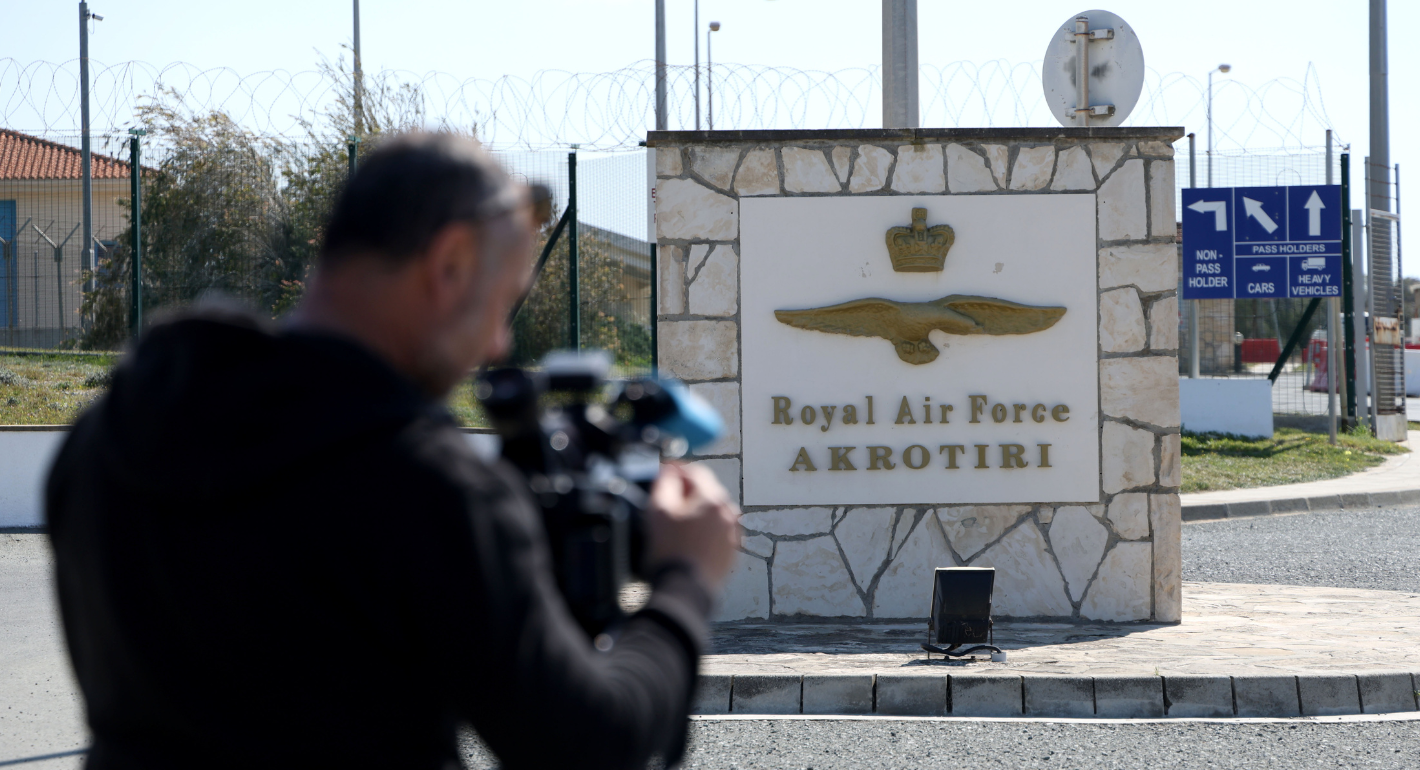
The drone strike on the British air base in Akrotiri brings Europe’s proximity to the conflict in Iran into sharp relief. In the fog of war, old tensions in the Eastern Mediterranean risk being reignited, and regional stakeholders must avoid escalation.

Marc Pierini

European reactions to the war in Iran have lost sight of wider political dynamics. The EU must position itself for the next phase of the crisis without giving up on its principles.

Richard Youngs
For years, the United States anchored global cyber diplomacy. As Washington rethinks its leadership role, the launch of the UN’s Cyber Global Mechanism may test how allies adjust their engagement.

Patryk Pawlak, Chris Painter
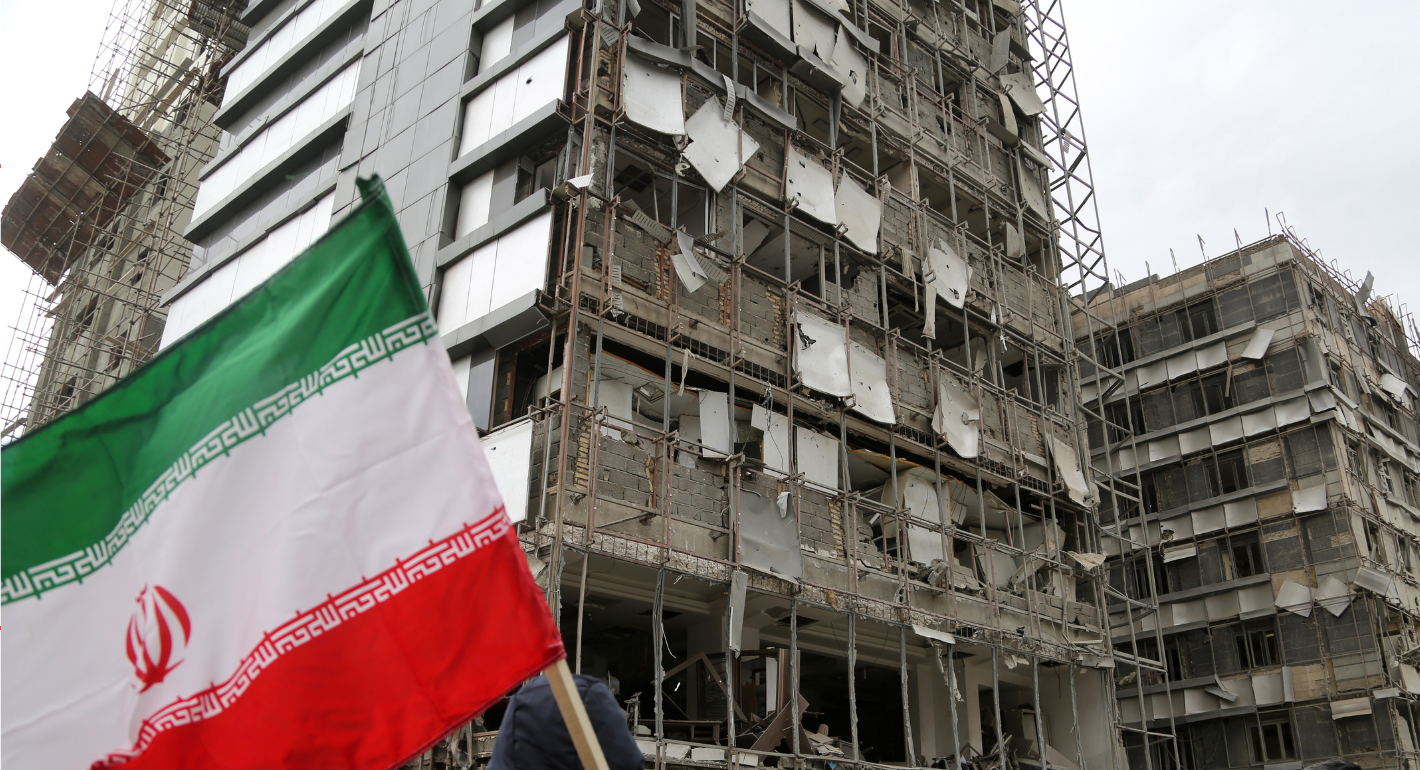
Europe’s reaction to the war in Iran has been disunited and meek, a far cry from its previously leading role in diplomacy with Tehran. To avoid being condemned to the sidelines while escalation continues, Brussels needs to stand up for international law.

Pierre Vimont