

Article
C. Raja Mohan, Darshana M. Baruah
{
  "authors": [
    "C. Raja Mohan"
  ],
  "type": "legacyinthemedia",
  "centerAffiliationAll": "dc",
  "centers": [
    "Carnegie Endowment for International Peace",
    "Carnegie India"
  ],
  "collections": [],
  "englishNewsletterAll": "ctw",
  "nonEnglishNewsletterAll": "",
  "primaryCenter": "Carnegie India",
  "programAffiliation": "SAP",
  "programs": [
    "South Asia"
  ],
  "projects": [],
  "regions": [
    "United States",
    "South Asia",
    "India",
    "North America"
  ],
  "topics": [
    "Foreign Policy"
  ]
}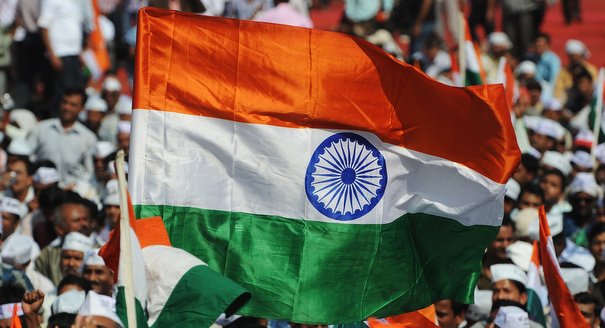
Source: Getty
India’s Prime Minister Narendra Modi and U.S. President Barack Obama ended their second summit meeting in less than four months by proclaiming that a new chapter has begun in bilateral relations.
Source: Eurasia Review
There have been many false dawns before in the uncertain evolution of the relationship between India and the United States. If India and America were estranged democracies during the Cold War, they certainly became more engaged republics since the 1990s. Yet, repeated attempts at elevating it into a genuine strategic partnership seemed to end up nowhere.
But India’s Prime Minister Narendra Modi and US President Barack Obama ended their second summit meeting in less than four months by proclaiming that a new chapter has begun in bilateral relations. This time around there is good reason to be a lot less sceptical about the ambitions of the two leaders to change the nature and direction of India-US relations.
The principal reason for optimism has been the change of Indian attitude towards America under Modi. While both Obama and his predecessor George W Bush were eager to transform the partnership with India, the United Progressive Alliance government in Delhi (2004-14) was ambivalent.While Modi’s predecessor Manmohan Singh presided over some path-breaking initiatives in the nuclear and defence domains with the US during 2005, the leadership of his party, Congress, appeared reluctant to embrace America.
Modi, despite his personal problem with America’s decade-long denial of a visa when he was the Chief Minister of Gujarat, put the United States at the centre of his domestic and foreign policy strategies. Obama, too, was quick to see the opportunity to advance the partnership, and invited Modi to the White House immediately after India’s general election last year. When Modi surprised him with an invitation to be the Chief Guest at India’s Republic Day celebrations this year, Obama readily agreed.
If the first summit between the two leaders last September arrested the drift in the bilateral relationship, the second one has set the stage for building a more expansive partnership in the coming years.
The new personal rapport with Obama has helped Modi to find a decisive resolution to some of the outstanding issues with America. Modi also set new strategic goals, including more effective cooperation with America in securing the balance of power in Asia and defeating terrorism in the South Asian subcontinent and beyond.
If wrapping up the unfinished business of civil nuclear cooperation showcased Modi as the problem-solver, his quest for common ground with Obama on climate change suggested Delhi was no longer shackled by sterile slogans of the past.
The outlines of a mutual understanding on implementing the civil nuclear initiative emerged in the last few weeks, as Delhi opened purposeful negotiations with the US on resolving three issues at hand—American concerns about India’s Nuclear Liability Act, India’s demand for a quick closure on the terms of international safeguards, and Washington’s support for India’s membership of the Nuclear Suppliers Group.
Although a nuclear deal that satisfied both sides was on the cards, few observers in Delhi were prepared for the developments on climate change, which has long been a site of confrontation between India and the United States. If the virtuousness of India’s international policies has been measured in the past by their political distance from the United States, Modi promised to “cooperate closely” with America to conclude an ambitious global climate agreement at the end of this year in Paris.
With Obama standing next to him at the joint press appearance, Modi said India’s problem was not about resisting pressure from America on climate change. Sovereign India was confident enough to handle it, Modi suggested. India’s real pressures today, Modi said, were about protecting the environment for future generations of Indians from the threats of climate change and global warming. His new approach to climate change is centred on deepening bilateral cooperation with the US on renewable energy and developing cooperation with Washington in multilateral forums. Under Modi, Delhi’s entrenched ‘Third World-ism’ is yielding place to the idea of India as a responsible power.
Besides choosing to upturn India’s extended posturing on climate change, Modi outlined his plans for a potentially significant partnership with America in shaping the future of the vast Indo-Pacific region that stretches from East Africa to East Asia. To be sure, promoting Asian balance of power was at the heart of the transformation of the India-US relations in the first term of the UPA government. In the second term, though, the UPA government deliberately began to distance itself from Washington in the name of ‘strategic autonomy’ and ‘nonalignment’. In its second incarnation, the UPA government was also reluctant to deepen maritime security cooperation with the United States in the Indian Ocean.
In his statement with Obama on the joint vision for Asia-Pacific and the Indian Ocean, Modi decisively repudiated that ambivalence towards the United States. The two leaders also agreed to “develop a roadmap that leverages our respective efforts to increase ties among Asian powers, enabling both our nations to better respond” to the emerging diplomatic, economic and security challenges in the region.
Unlike the UPA that was reluctant to embark on trilateral and quadrilateral partnerships with the United States, Modi and and Obama have put the idea of building Asian coalitions at the centre of their regional strategy.
The UPA government justified its ambivalence towards America by citing Chinese concerns. Modi, instead, appears a lot more self-assured in navigating the great power rivalries in Asia and unafraid of building India’s comprehensive national power in collaboration with America.
Modi’s bet on a more intensive strategic partnership with America has been reinforced by a revised and more ambitious framework for defence cooperation that the two leaders approved. They also identified a number of weapons projects for co-development and co- production.
Equally important is the determination of the two leaders to expand bilateral cooperation on counter-terrorism and homeland security. Of particular interest was their emphasis on “joint and concerted efforts to disrupt entities such as Lashkar-e-Tayyiba, Jaish-e-Mohammad, D Company and the Haqqani Network”. Modi’s India is no longer whining about Pakistan to America; instead it is seeking to strengthen its internal capacities to counter terrorism in partnership with the United States.
This article was originally published in the Eurasia Review.
Former Nonresident Senior Fellow, Carnegie India
A leading analyst of India’s foreign policy, Mohan is also an expert on South Asian security, great-power relations in Asia, and arms control.
Recent Work

C. Raja Mohan, Darshana M. Baruah


Alexander Gabuev, Paul Haenle, C. Raja Mohan, …
Carnegie does not take institutional positions on public policy issues; the views represented herein are those of the author(s) and do not necessarily reflect the views of Carnegie, its staff, or its trustees.
The U.S.-sponsored TRIPP deal is driving the Armenia-Azerbaijan peace process forward. But foreign and domestic hurdles remain before connectivity and economic interdependence can open up the South Caucasus.


Thomas de Waal, Areg Kochinyan, Zaur Shiriyev
Donald Trump has demanded that European allies send ships to the Strait of Hormuz while his war of choice in Iran rages on. He has constantly berated NATO while the alliance’s secretary-general has emphatically supported him.

Rym Momtaz, ed.
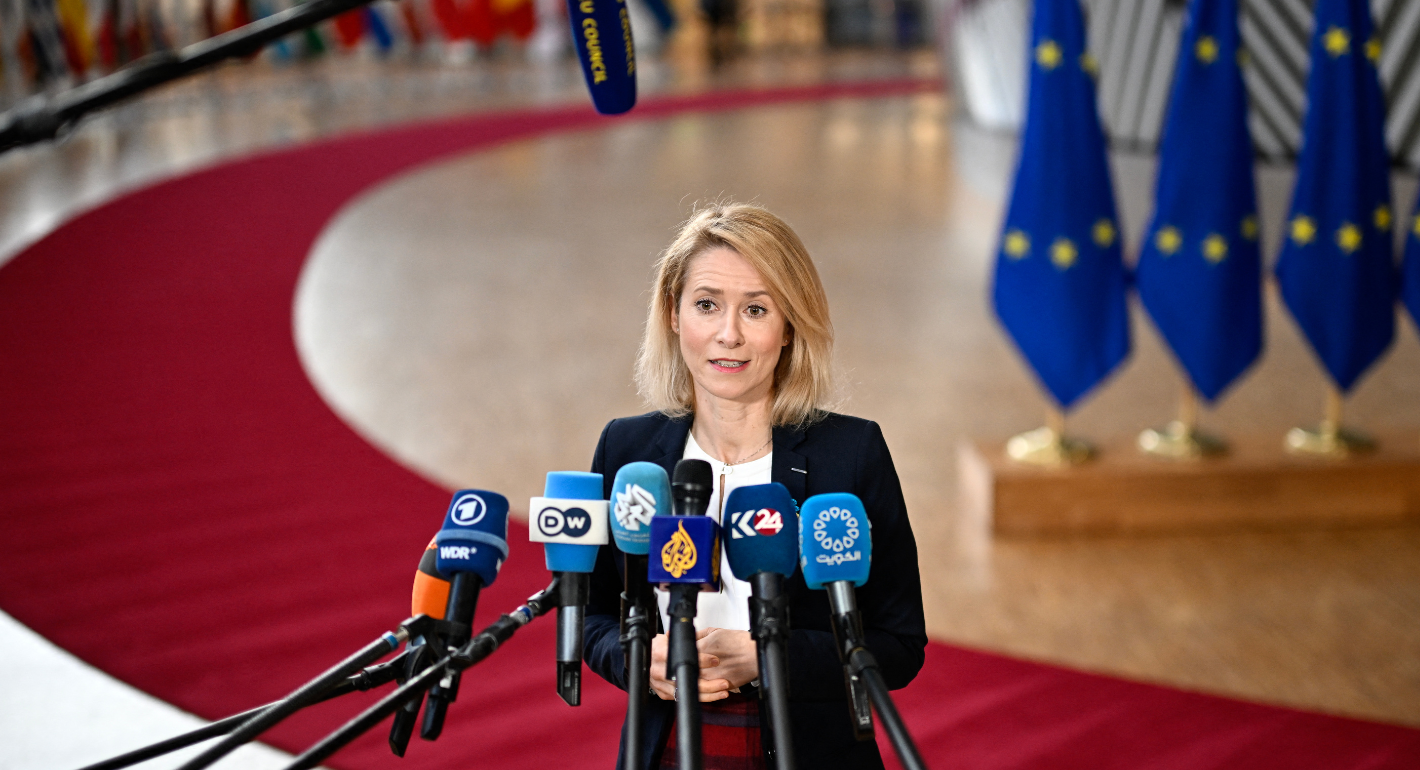
The EU is structurally incapable of reacting to today’s foreign policy crises. The union must fold the EEAS into the European Commission and create a security council better prepared to take action on the global stage.

Stefan Lehne
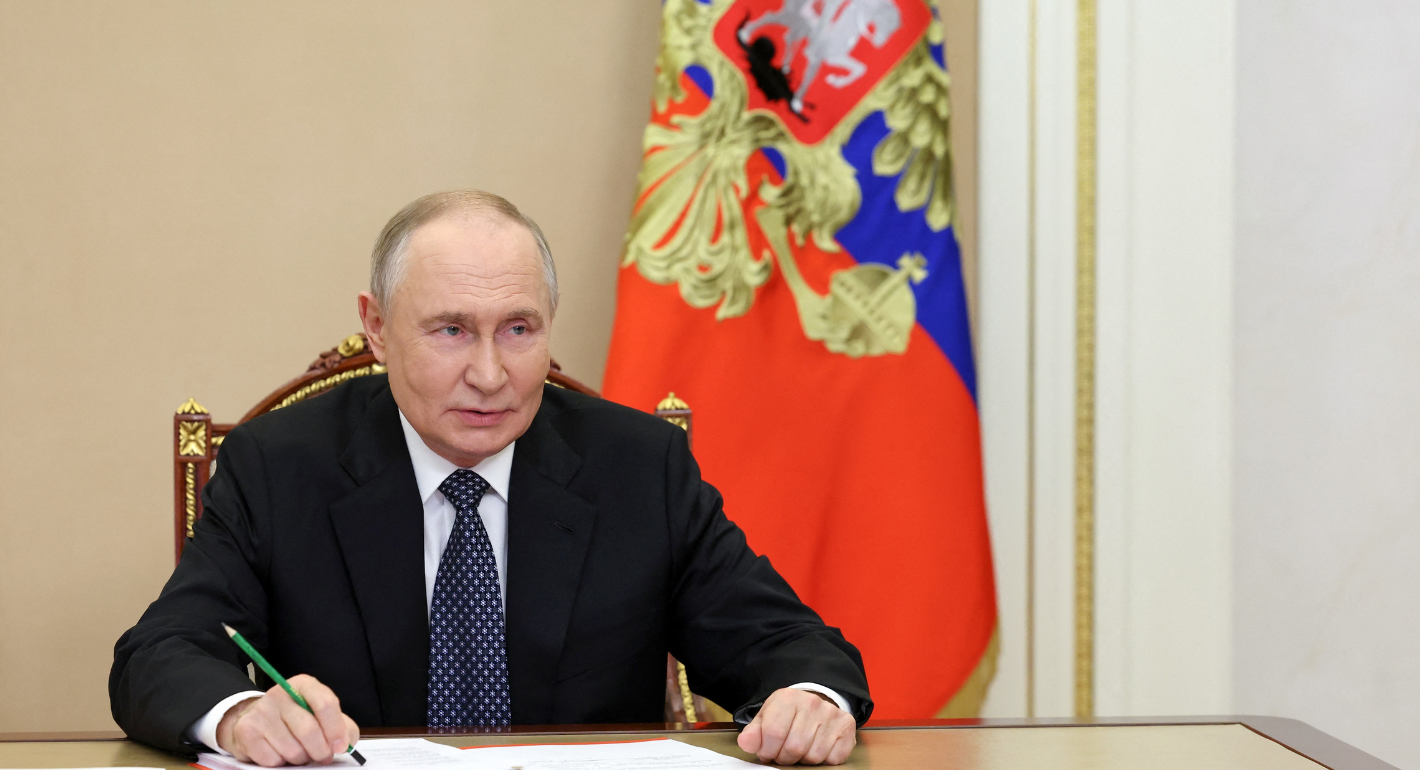
The war in Ukraine is costing Russia its leverage overseas. Across the South Caucasus and Middle East, this presents an opportunity for Europe to pick up the pieces and claim its own sphere of influence.


William Dixon, Maksym Beznosiuk
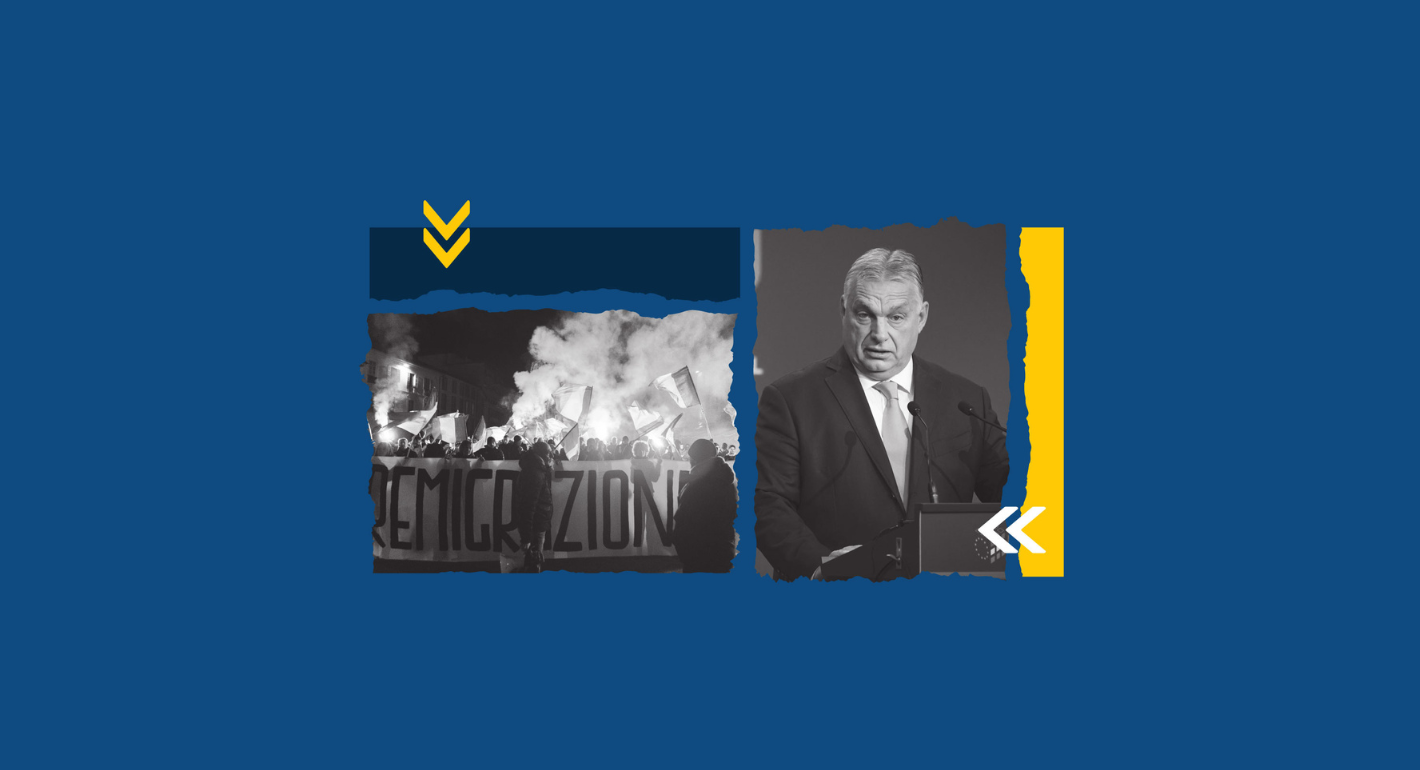
Amid increased polarization and the influence of disinformation, radical-right parties are once again gaining traction across Europe. With landmark elections on the horizon in several countries, are the EU’s geostrategic vision and fundamental values under existential threat?


Catherine Fieschi, Cas Mudde