

Commentary
Togzhan Kassenova
{
  "authors": [
    "Togzhan Kassenova"
  ],
  "type": "other",
  "centerAffiliationAll": "dc",
  "centers": [
    "Carnegie Endowment for International Peace"
  ],
  "collections": [],
  "englishNewsletterAll": "ctw",
  "nonEnglishNewsletterAll": "",
  "primaryCenter": "Carnegie Endowment for International Peace",
  "programAffiliation": "NPP",
  "programs": [
    "Nuclear Policy"
  ],
  "projects": [],
  "regions": [
    "North America",
    "South America"
  ],
  "topics": [
    "Nuclear Policy",
    "Arms Control",
    "Nuclear Energy"
  ]
}
Source: Getty
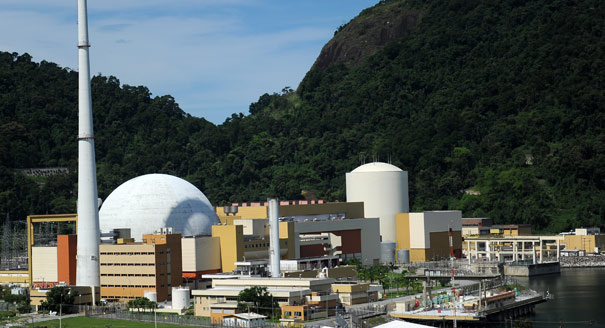
Brazil faces the paradox of criticizing the unfairness of the nuclear order while attempting to carve out a role for itself in it.
Source: Palgrave Macmillan
Brazil’s views on the global nuclear order are informed by the sentiment of distrust towards technologically advanced countries that in the past have sought to deny countries like Brazil access to nuclear technology. Brazil sees the global nuclear order as a reflection of the world order: unfair and antiquated. In the nuclear realm Brazil pursues a strategy similar to its strategy in the fields of multilateral trade, finance, and world governance more broadly. Brazil pushes for greater representation of developing countries in structures like the WTO, World Bank, IMF, and the UN Security Council. While Brazil calls for greater democratization of these institutions, it is ready to accept that they might not evolve to a sufficient degree and in that case, Brazil is keen to be among the power brokers.
Brazil’s nuclear policy-making reveals that occasionally the country’s inclination to be seen as being on higher moral ground conflicts with its immediate national interests. Brazil places high value on multilateralism, international institutions and norms, but practical considerations coupled with a general sense of disillusionment with the global nuclear order have pushed it to adopt policies that meet its immediate interests. Brazil’s reticence to join the NPT, adhere to the Tlatelolco Treaty, and sign the IAEA Additional Protocol are among the examples of this tension in Brazil’s nuclear identity.Speaking about the sense of disillusionment with the global nuclear order, countries like Brazil are growing increasingly assertive in questioning the current status quo; and tensions between established and emerging powers on questions of nuclear disarmament, nonproliferation and nuclear energy have become more pronounced. These tensions are not new, but they are becoming harder to ignore. In the past, established nuclear powers could more easily dismiss complaints from non-nuclear states about the lopsided order, but the non-nuclear states have gradually become more active and vocal, pushing the order to evolve and making outright dismissal of their demands more difficult.
Brazil’s growing confidence and desire to play a more hands-on role in global nuclear affairs manifested itself in negotiating the Brazil-Turkey-Iran Tehran Declaration. The initiative left a contradictory legacy and added to tensions between Brazil and the United States but at the very least, Brazil’s bold attempt at brokering a complicated international standoff made observers curious about Brazil’s ambitions and potential. Brazil is still in the process of establishing itself on the global scene including in the nuclear realm. Brasília, for the foreseeable future, will face the paradox of criticizing the unfairness of nuclear order while attempting to carve out a role for itself in it....
The chapter “Brazil and the Global Nuclear Order” was originally published in the book Brazil on the Global Stage: Power, Ideas, and the Liberal International Order. More information about the book can be found here.

Former Nonresident Fellow, Nuclear Policy Program
Kassenova was a nonresident fellow in the Nuclear Policy Program at the Carnegie Endowment.
Recent Work
Togzhan Kassenova

Toby Dalton, Togzhan Kassenova, Lauryn Williams
Carnegie does not take institutional positions on public policy issues; the views represented herein are those of the author(s) and do not necessarily reflect the views of Carnegie, its staff, or its trustees.
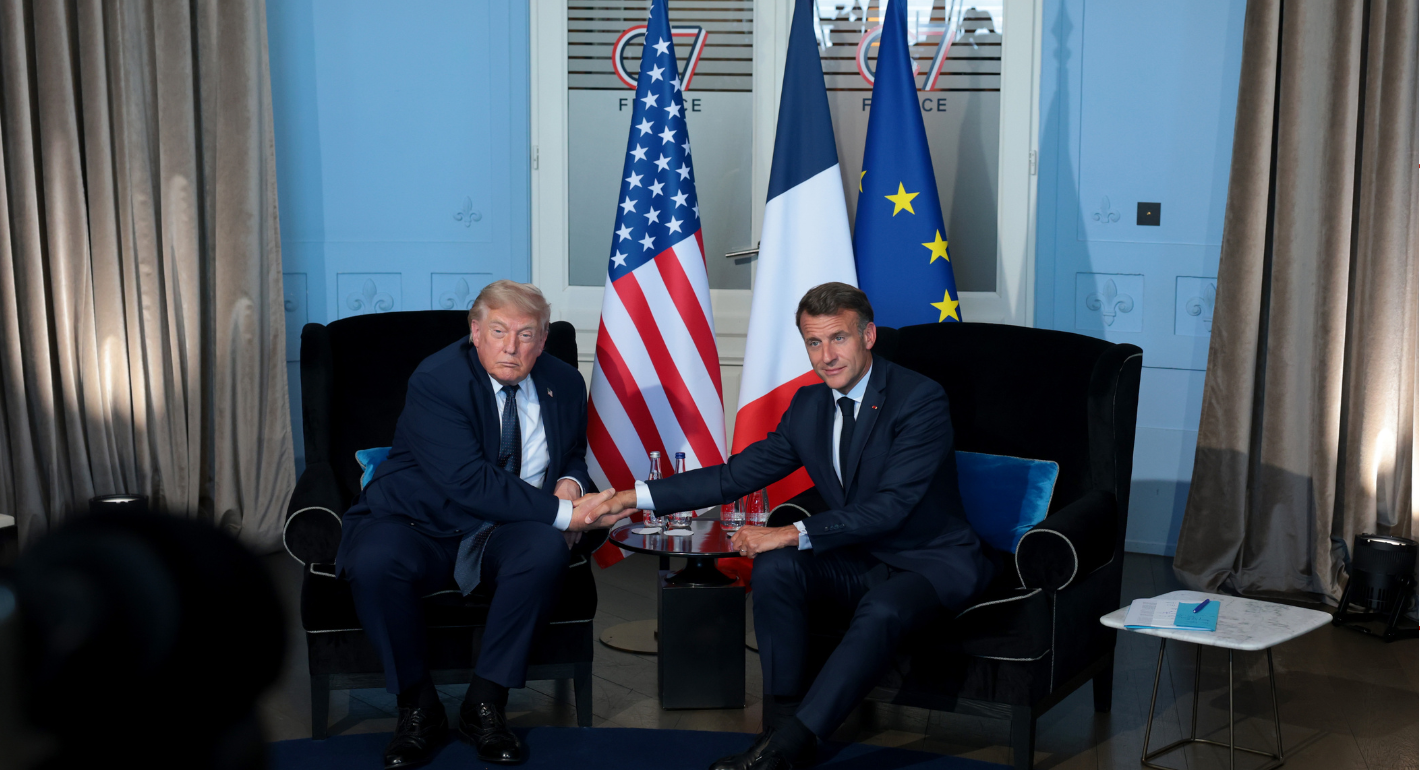
When the U.S.-Iran memorandum of understanding was announced, the UK, France, Germany, and Italy declared their readiness to help demine the Strait of Hormuz and lift nuclear sanctions on Tehran. But does Europe need new tools to recover a diplomatic role?

Rym Momtaz, ed.
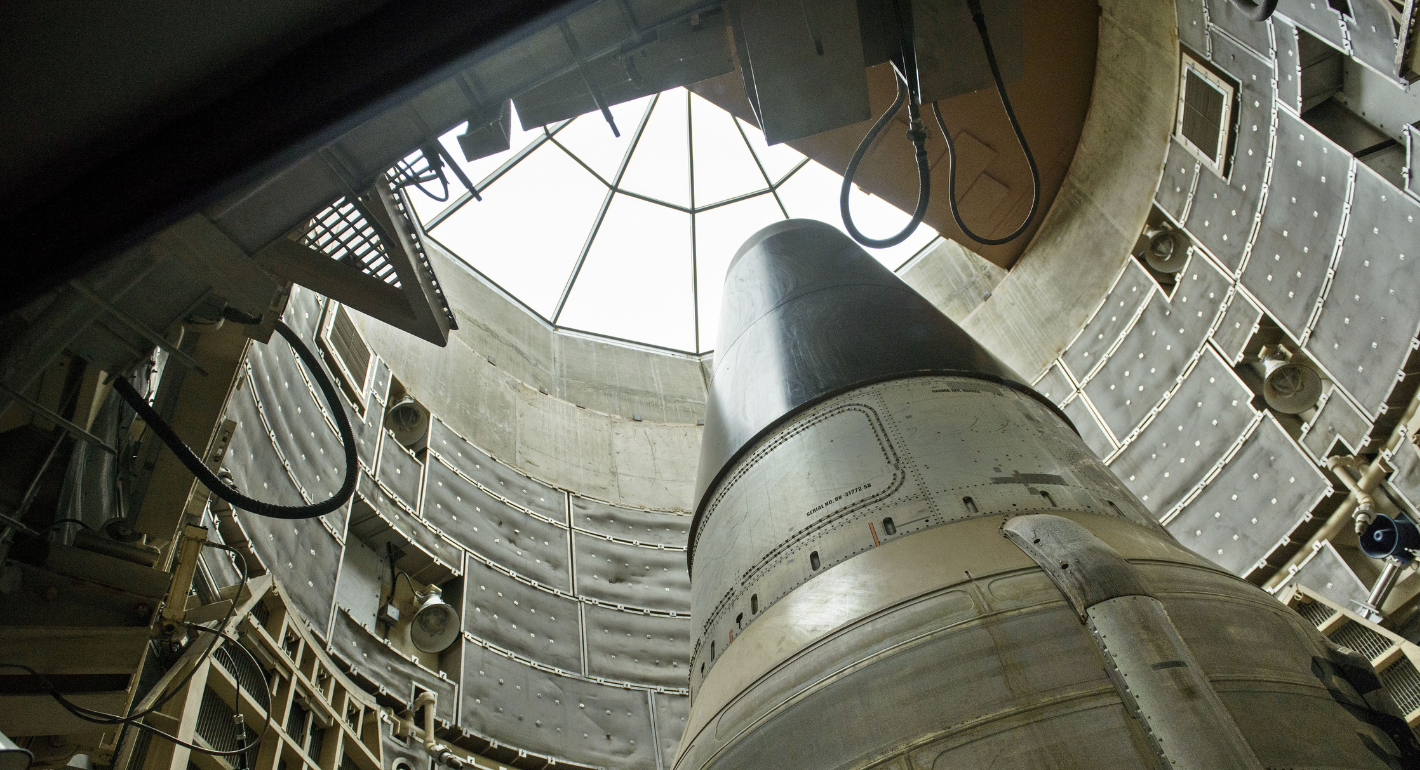
Amid uncertainty caused by the Iran war, the global drive for nonproliferation has stalled. With Europe diplomatically marginalized and countries reassessing their nuclear options, efforts to curb the spread of nuclear weapons risk becoming irrelevant.

Jane Darby Menton
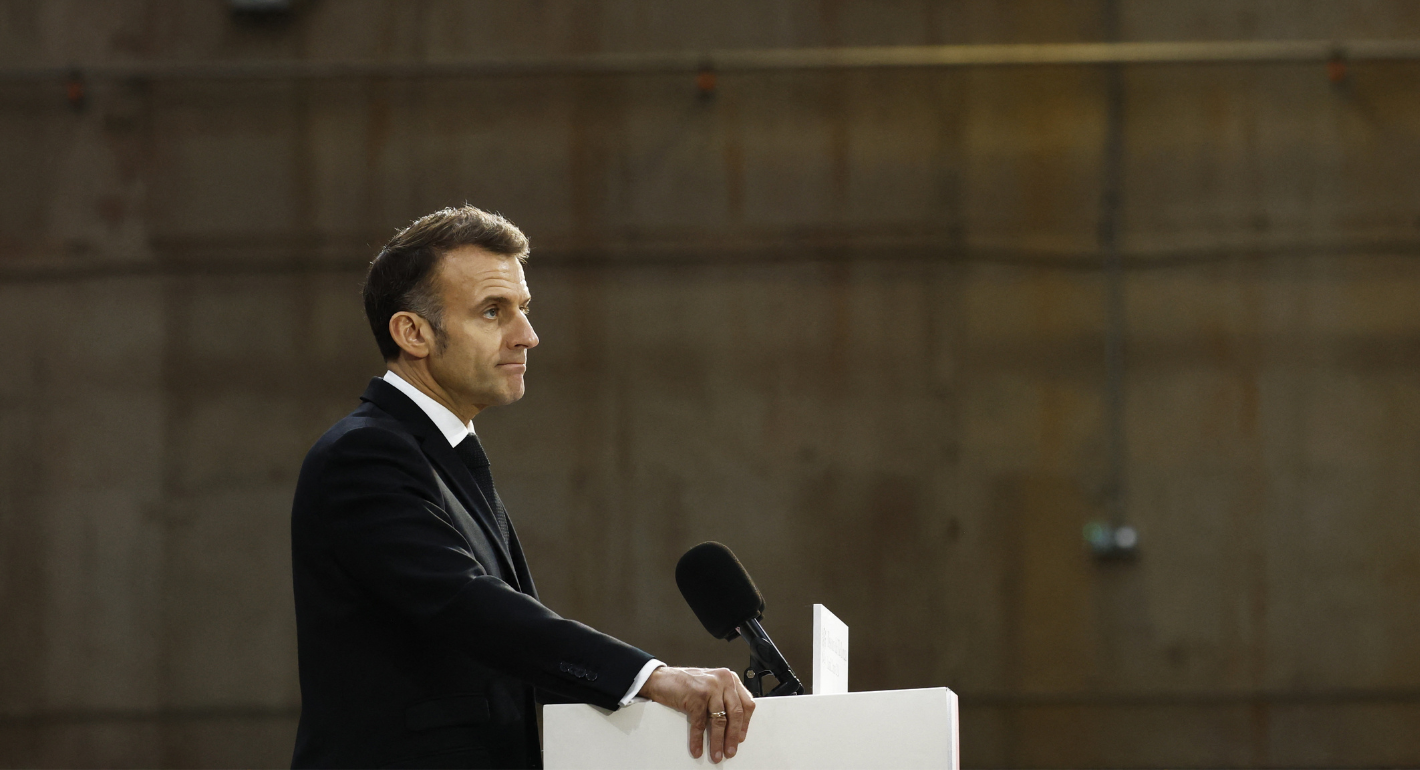
French President Emmanuel Macron has unveiled his country’s new nuclear doctrine. Are the changes he has made enough to reassure France’s European partners in the current geopolitical context?
Rym Momtaz, ed.

Europe’s reaction to the war in Iran has been disunited and meek, a far cry from its previously leading role in diplomacy with Tehran. To avoid being condemned to the sidelines while escalation continues, Brussels needs to stand up for international law.

Pierre Vimont
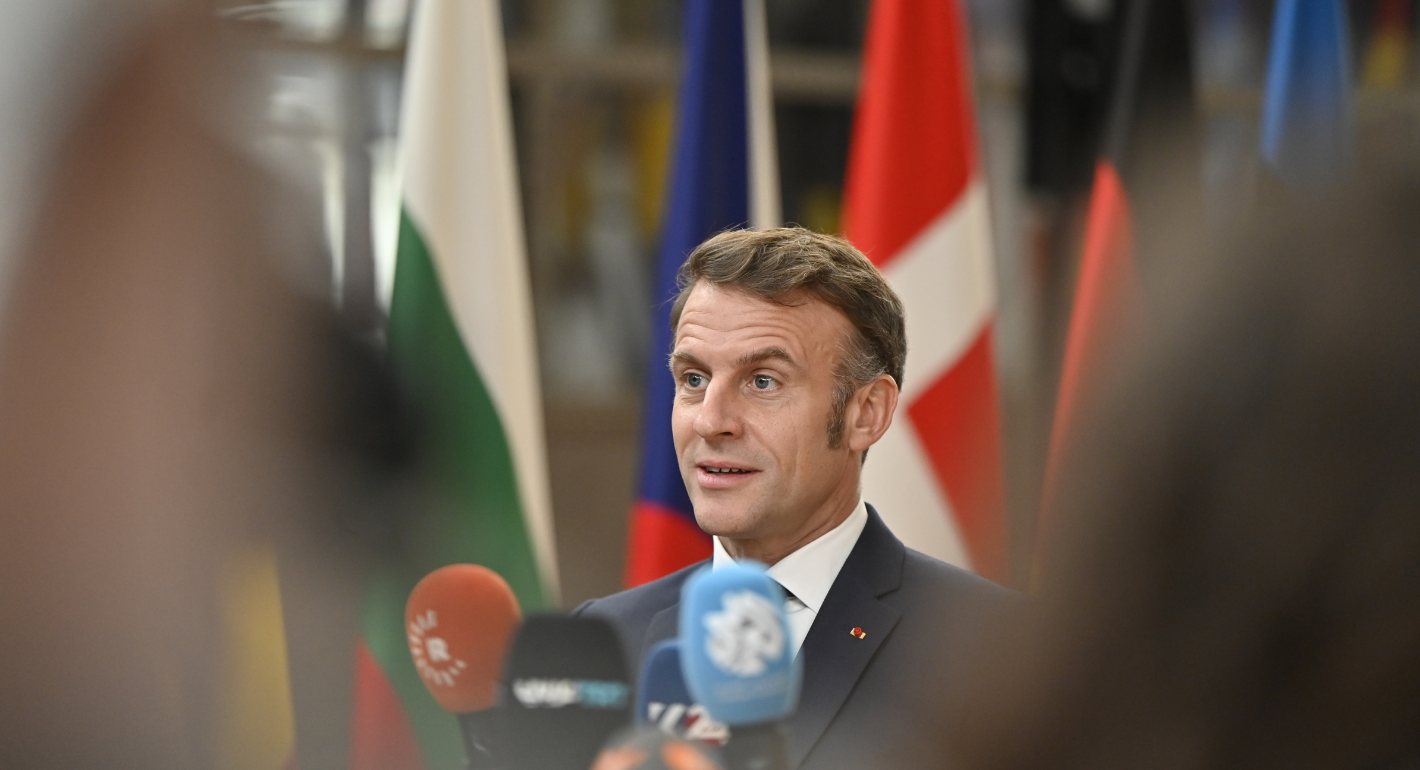
France has stopped clinging to notions of being a great power and is embracing the middle power moment. But Emmanuel Macron has his work cut out if he is to secure his country’s global standing before his term in office ends.
Rym Momtaz