

Commentary
As we close out another season of Strategic Europe, it is worth taking stock of the deep shifts underway.
Rym Momtaz
{
  "authors": [
    "Mario Abou Zeid",
    "Petr Topychkanov",
    "Vladimir Evseev",
    "Nikolay Surkov"
  ],
  "type": "legacyinthemedia",
  "centerAffiliationAll": "dc",
  "centers": [
    "Carnegie Endowment for International Peace",
    "Malcolm H. Kerr Carnegie Middle East Center"
  ],
  "collections": [
    "Iranian Proliferation"
  ],
  "englishNewsletterAll": "menaTransitions",
  "nonEnglishNewsletterAll": "",
  "primaryCenter": "Malcolm H. Kerr Carnegie Middle East Center",
  "programAffiliation": "MEP",
  "programs": [
    "Middle East"
  ],
  "projects": [],
  "regions": [
    "Iran",
    "Middle East"
  ],
  "topics": [
    "Political Reform",
    "Security",
    "Foreign Policy",
    "Nuclear Policy"
  ]
}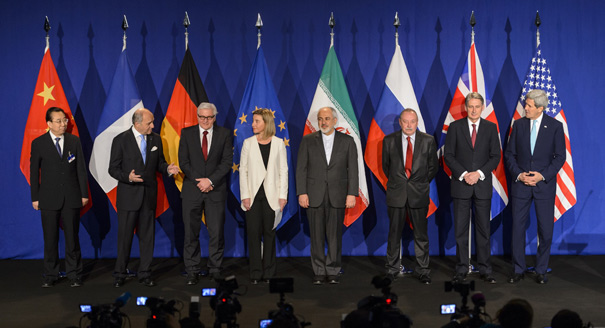
Source: Getty
The status of the Iran nuclear talks is crucial for the further development of the region.
Source: Russia Direct
Alexey Khlebnikov, the senior editor of Russia Direct, moderated a webcast to discuss the outcomes of the Iranian nuclear talks, which were scheduled to conclude on Tuesday, March 31.
Carnegie’s Mario Abou Zeid and Petr Topychkanov, CIS Institute’s Vladimir Evseev, and MGIMO’s Chair of Middle Eastern Studies’ Nikolay Surkov discussed changes that have occurred in the Middle East in recent weeks, including Saudi-led airstrikes on Yemen against Houthi Shia rebels and the Arab League’s decision to form an Arab joint military force. The status of the Iran nuclear talks is crucial for the further development of the region. As major world powers, including France, Germany, Russia, the UK and the U.S., are involved in the talks and pursue their own interests it makes the issue even more complicated and urgent.
Participants
What questions will we answer during the webcast?
This interview was originally published by Russia Direct and broadcast on the Russia Direct Google+ Channel.
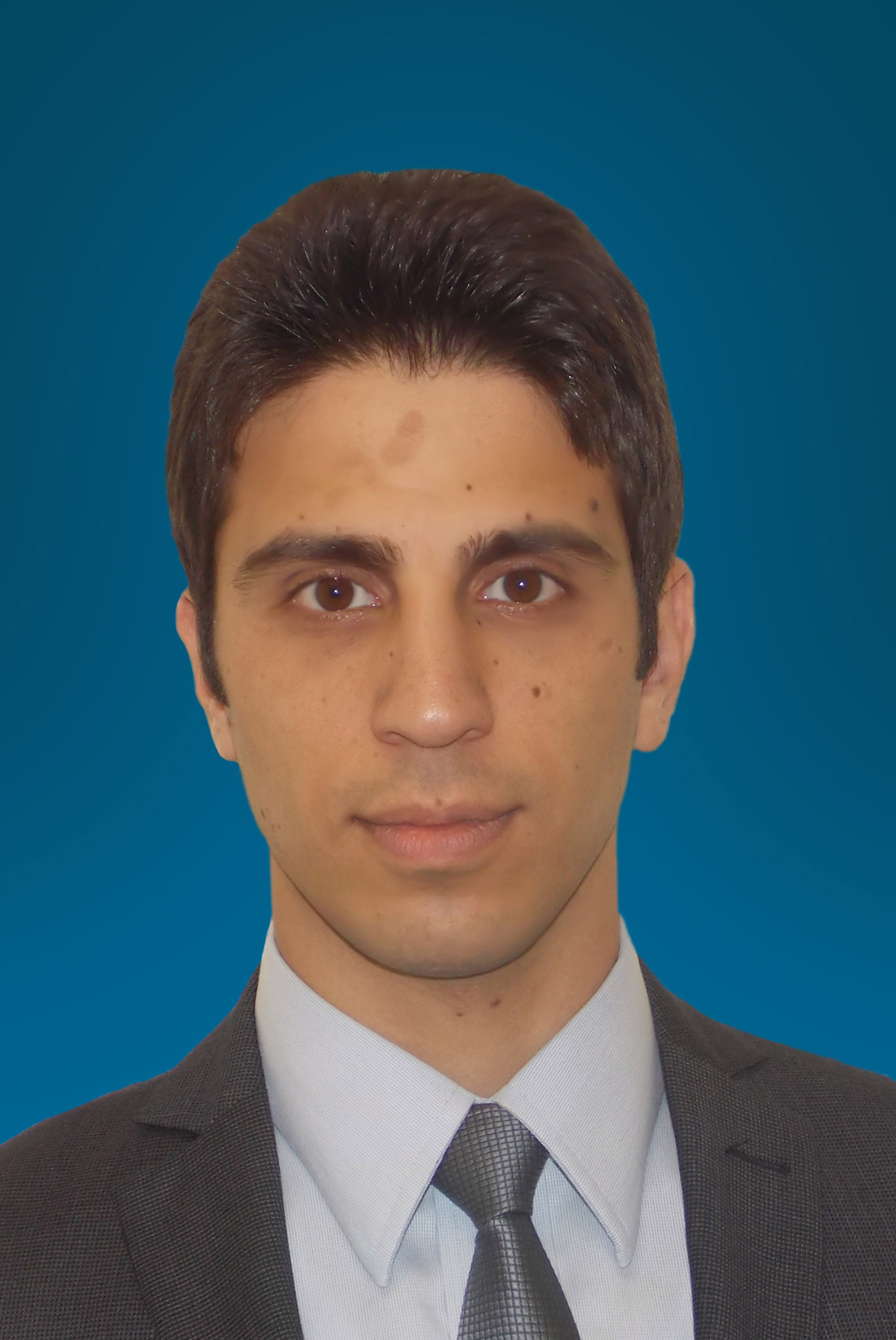
Former Research Analyst, Middle East Center
Abou Zeid was a research analyst at the Carnegie Middle East Center, where his work focuses on political developments in Lebanon, Syria, Iraq, and Iran.
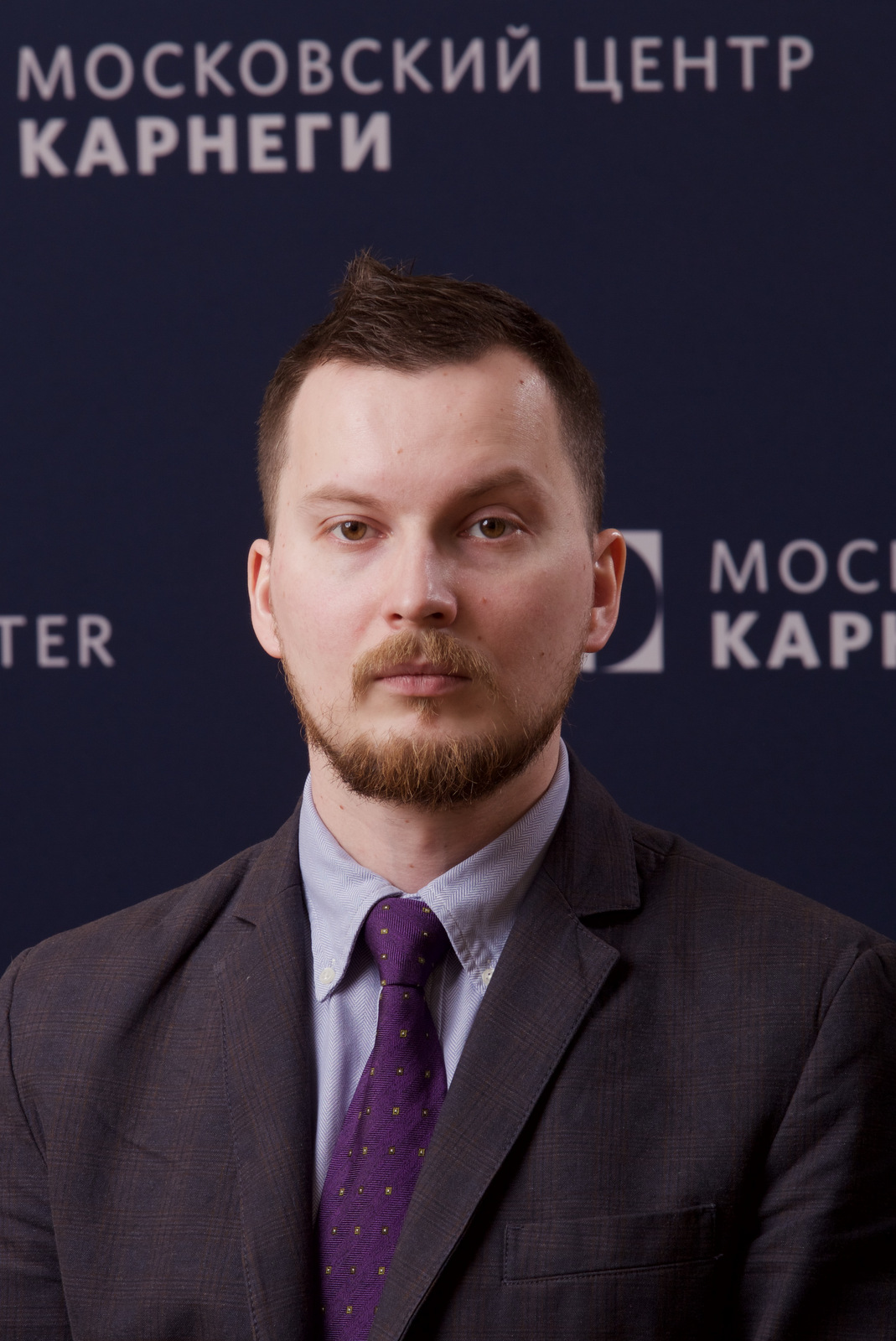
Former Fellow, Nonproliferation Program, Moscow Center
Topychkanov was a fellow in the Carnegie Moscow Center’s Nonproliferation Program.
Vladimir Evseev
Nikolay Surkov
Carnegie does not take institutional positions on public policy issues; the views represented herein are those of the author(s) and do not necessarily reflect the views of Carnegie, its staff, or its trustees.

As we close out another season of Strategic Europe, it is worth taking stock of the deep shifts underway.

Rym Momtaz
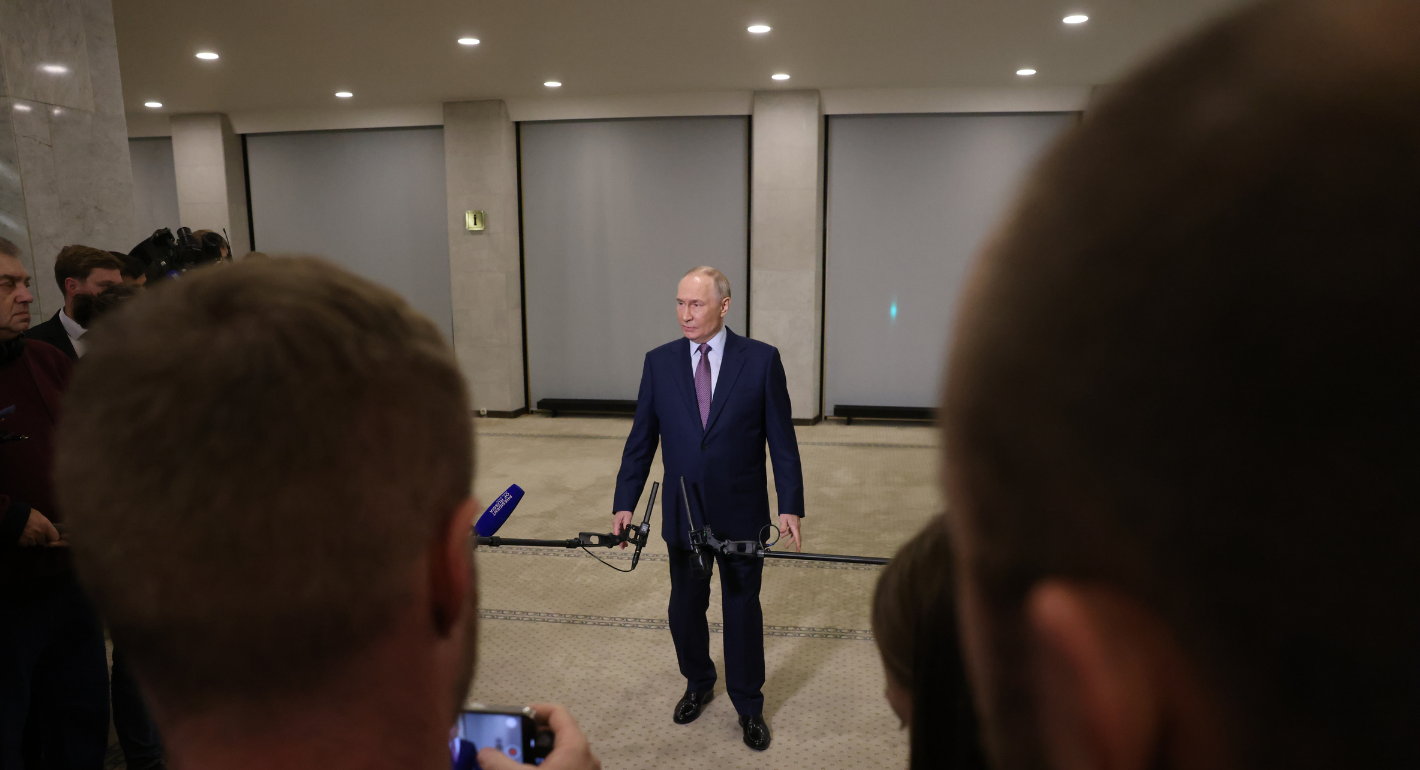
The EU had to compromise to adopt a twenty-first sanctions package against Russia, exposing growing cracks in the union’s resolve. Is this latest, weaker round worth it to keep pressure on Moscow?
Rym Momtaz, ed.

Trump is distracted and Ukraine wants Europe to step up. The continent’s leaders must find their voice and assert it in talks with Russia.

Alissa de Carbonnel

Mounting economic strain and battlefield losses will not necessarily make the Kremlin less dangerous. They could instead push Moscow toward a more aggressive hybrid campaign designed to test NATO’s Eastern flank, exploit allied hesitation, and fracture European resolve.

Maksym Beznosiuk
Over the past ten years, NATO has held almost as many summits as it did during the entirety of the Cold War. Are they still useful, or is it time to stop holding annual meetings?
Rym Momtaz, ed.