

Commentary
There is an elephant in the room when it comes to the EU’s upcoming security strategy: Donald Trump. Unless European leaders acknowledge the depth of the transatlantic crisis, true autonomy will remain out of reach.
Stefan Lehne
{
  "authors": [
    "Karim Sadjadpour",
    "Behnam Ben Taleblu"
  ],
  "type": "other",
  "centerAffiliationAll": "dc",
  "centers": [
    "Carnegie Endowment for International Peace",
    "Malcolm H. Kerr Carnegie Middle East Center"
  ],
  "collections": [],
  "englishNewsletterAll": "menaTransitions",
  "nonEnglishNewsletterAll": "",
  "primaryCenter": "Carnegie Endowment for International Peace",
  "programAffiliation": "MEP",
  "programs": [
    "Middle East"
  ],
  "projects": [],
  "regions": [
    "Middle East",
    "Iran"
  ],
  "topics": [
    "Political Reform",
    "Foreign Policy",
    "Nuclear Policy"
  ]
}
Source: Getty
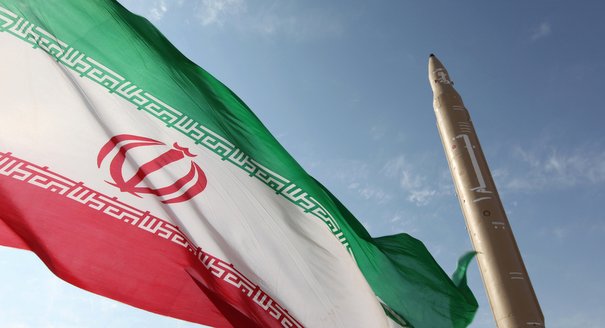
Iran today remains a country of enormous but unfulfilled potential. And unless and until Tehran starts to privilege its national interests before revolutionary ideology, both the Iranian people and those in its regional crosshairs will continue to suffer the consequences.
Source: FRIDE
No country in the Middle East has Iran’s combination of geographic size, strategic location, large and educated population, ancient history, and vast natural resources. Regardless of whom rules Tehran, these attributes will always fuel aspirations of regional primacy. During the reign of the United States (US)-allied Shah, Mohammed Reza Pahlavi, Iran’s external ambitions were cloaked in nationalism and prioritised developing Iranian power and influence within the international system. Since the 1979 revolution and the advent of the Islamic Republic, Iran’s foreign policy has been cloaked in an anti-Imperialist, Islamist revolutionary ideology that has expanded the country’s regional influence by challenging the international system — but has subjected its population to economic hardship, insecurity, and global isolation.Foremost among these policies has been the Islamic Republic’s staunch opposition to the US and its interests and allies in the Middle East. Since radical students seized the US embassy in the 1979 hostage crisis, Iran and the US have been engaged in an often cold, and occasionally hot, political and asymmetrical conflict from the Levant to the Persian Gulf. While the promise of a nuclear deal has raised hopes for US-Iran reconciliation, Iranian Supreme Leader Ayatollah Khamenei has consistently made clear his profound mistrust toward Washington and his opposition to political normalisation....

Senior Fellow, Middle East Program
Karim Sadjadpour is a senior fellow at the Carnegie Endowment for International Peace, where he focuses on Iran and U.S. foreign policy toward the Middle East.
Behnam Ben Taleblu
Carnegie does not take institutional positions on public policy issues; the views represented herein are those of the author(s) and do not necessarily reflect the views of Carnegie, its staff, or its trustees.
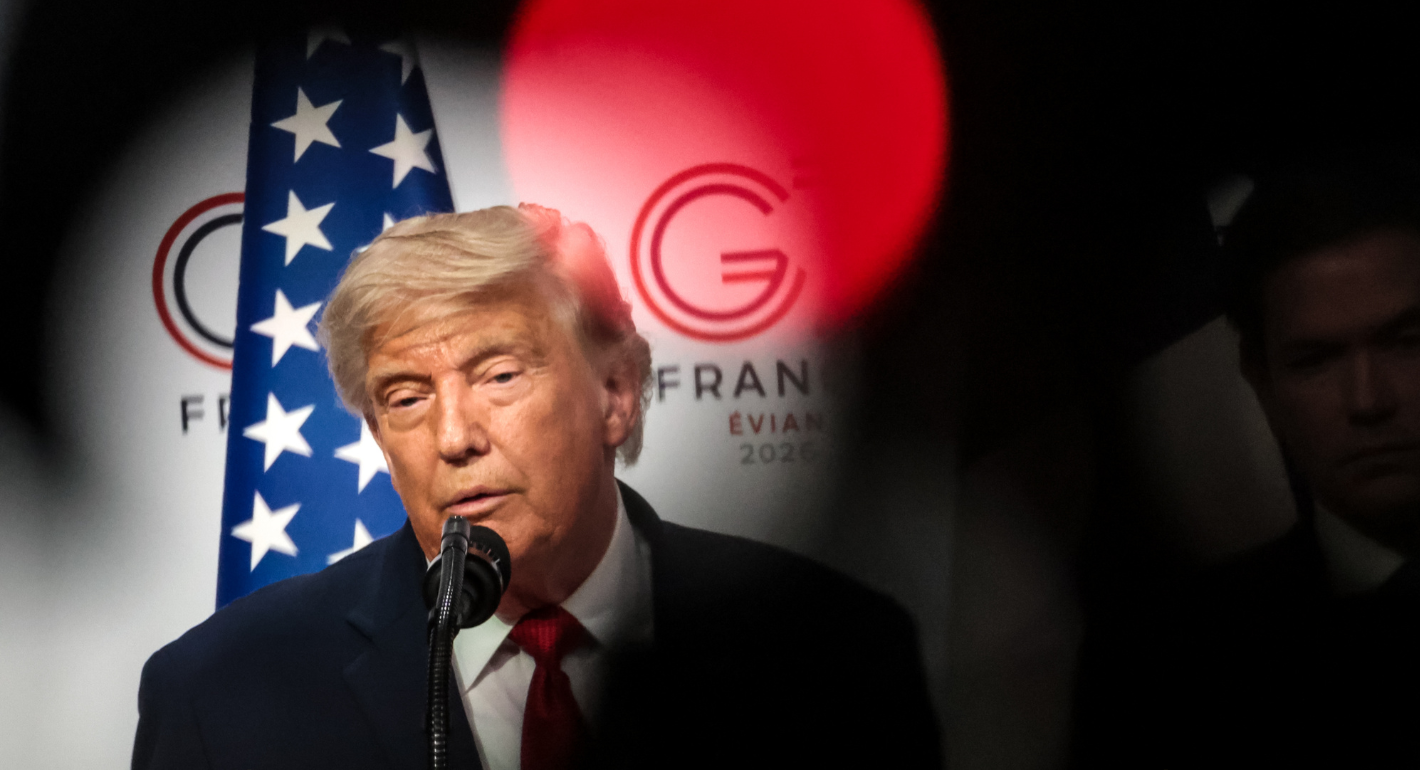
There is an elephant in the room when it comes to the EU’s upcoming security strategy: Donald Trump. Unless European leaders acknowledge the depth of the transatlantic crisis, true autonomy will remain out of reach.

Stefan Lehne
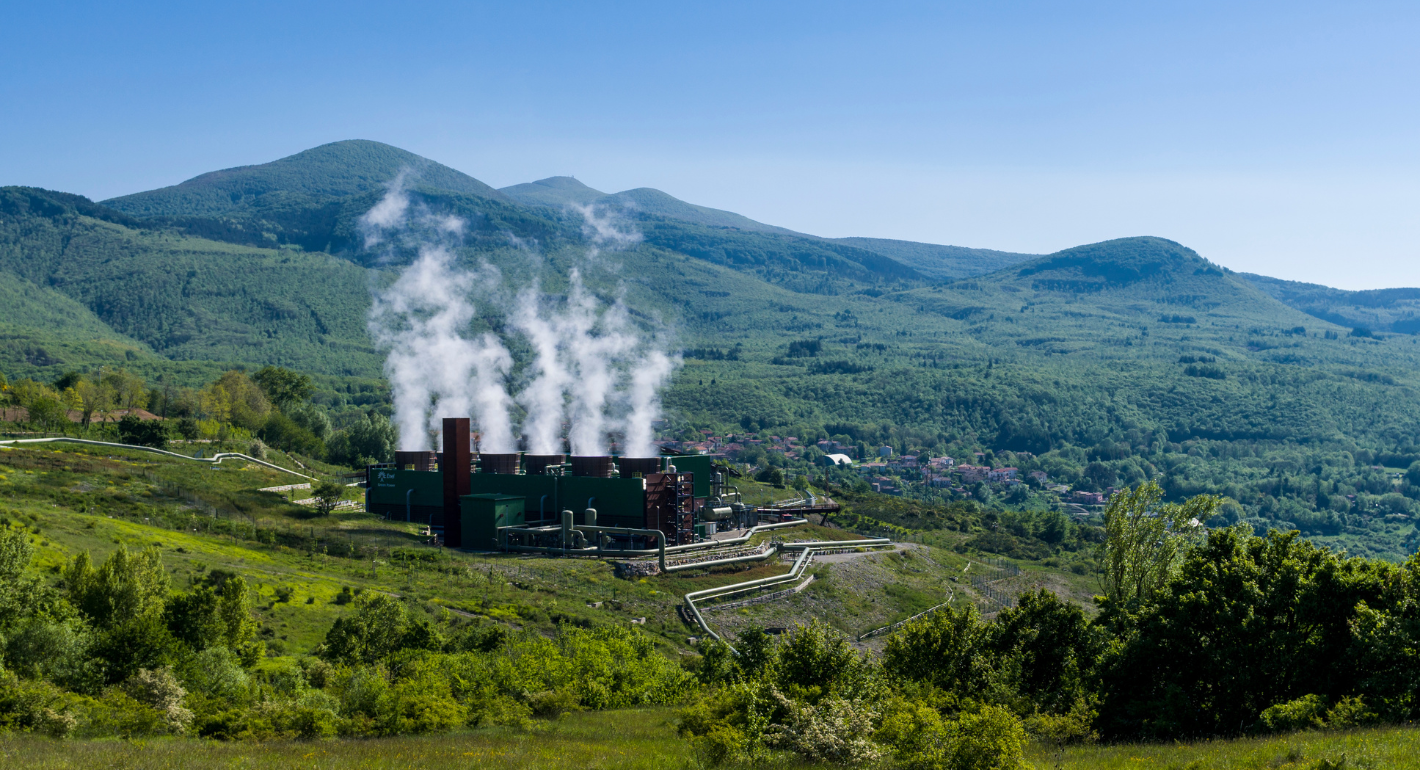
Europe’s industrial supply chains leave it vulnerable to global shocks. The EU needs a pragmatic green industrial strategy that balances durable partnerships and bolsters homegrown clean tech without sacrificing low-carbon ambition.

Milo McBride, Pauline Gerard
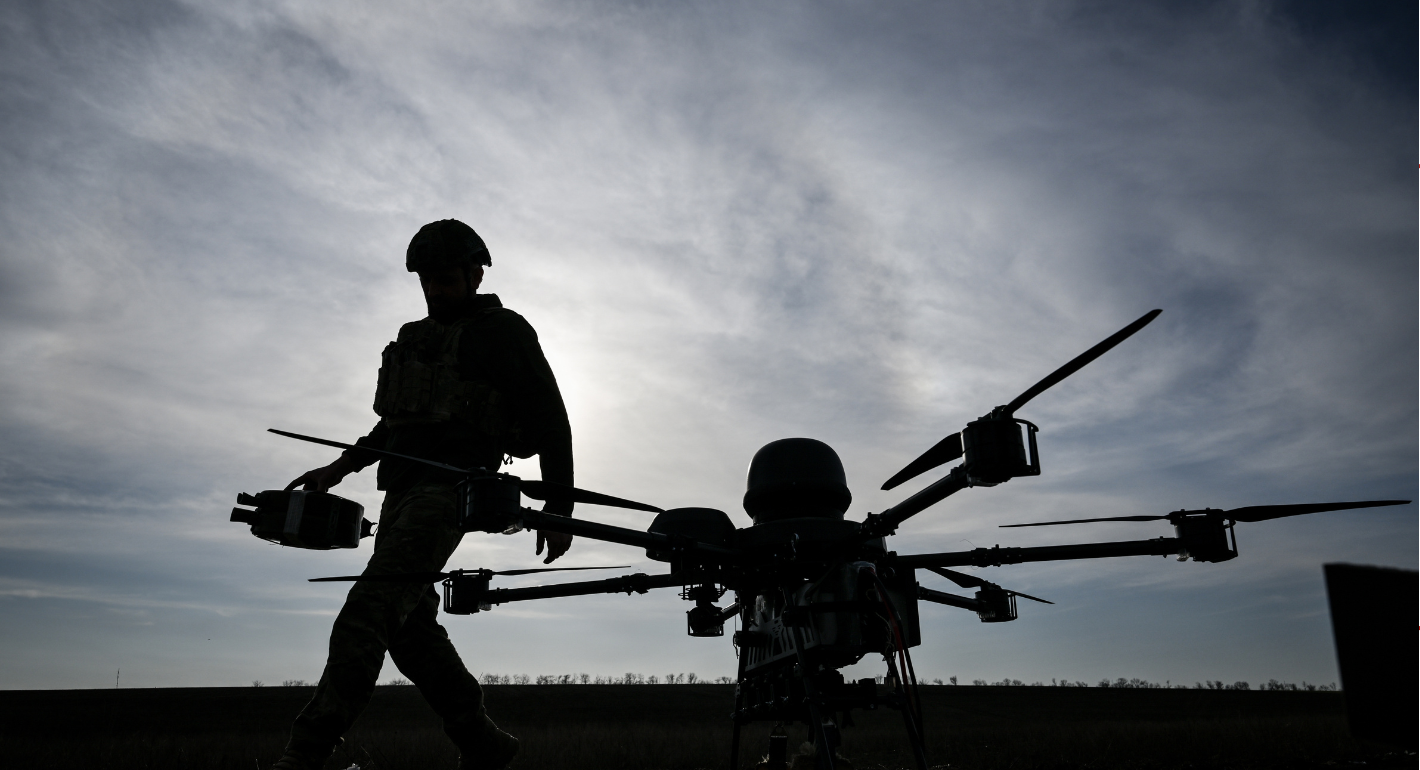
Defense tech innovations will be at the heart of Europe’s new security strategy. But so far, Brussels has been making moves without a broader plan, undermining readiness and credibility.

Raluca Csernatoni
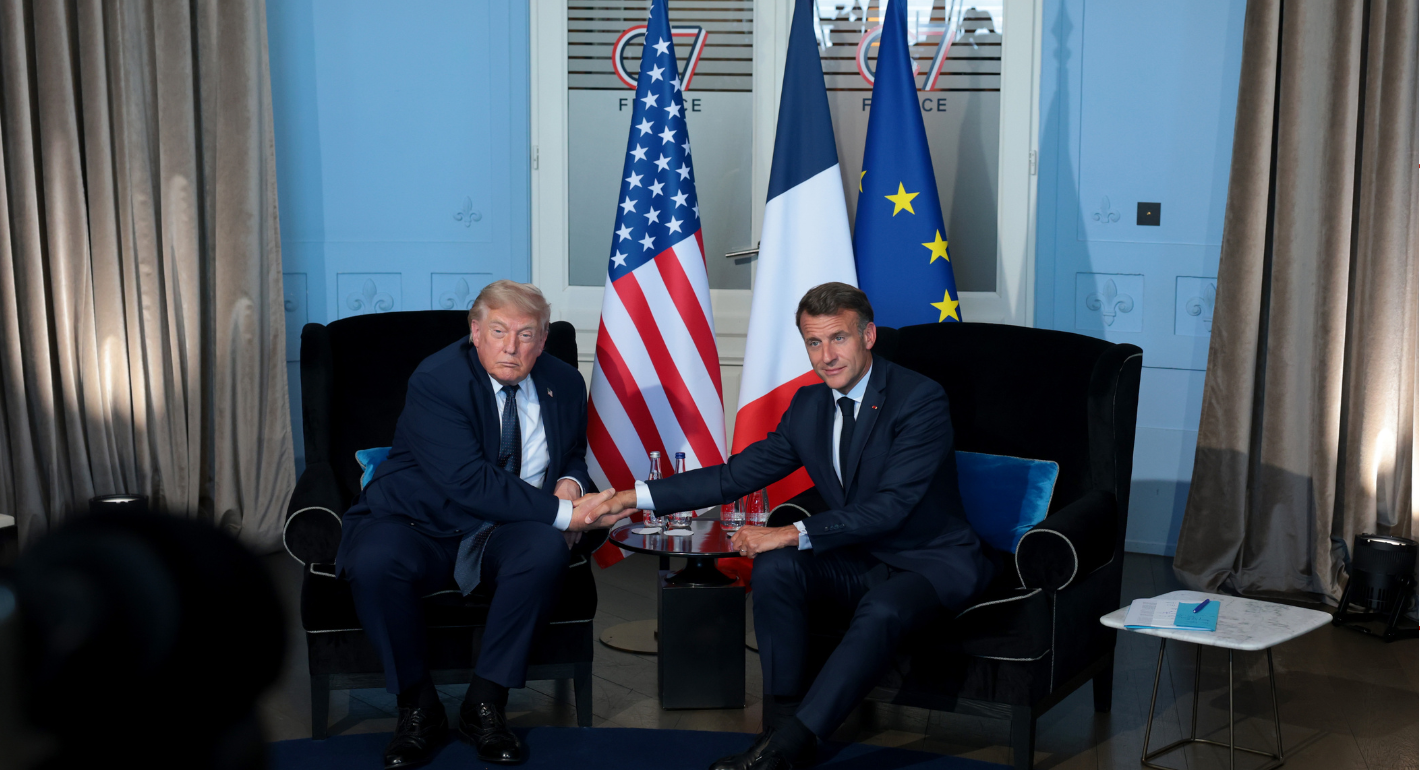
When the U.S.-Iran memorandum of understanding was announced, the UK, France, Germany, and Italy declared their readiness to help demine the Strait of Hormuz and lift nuclear sanctions on Tehran. But does Europe need new tools to recover a diplomatic role?

Rym Momtaz, ed.
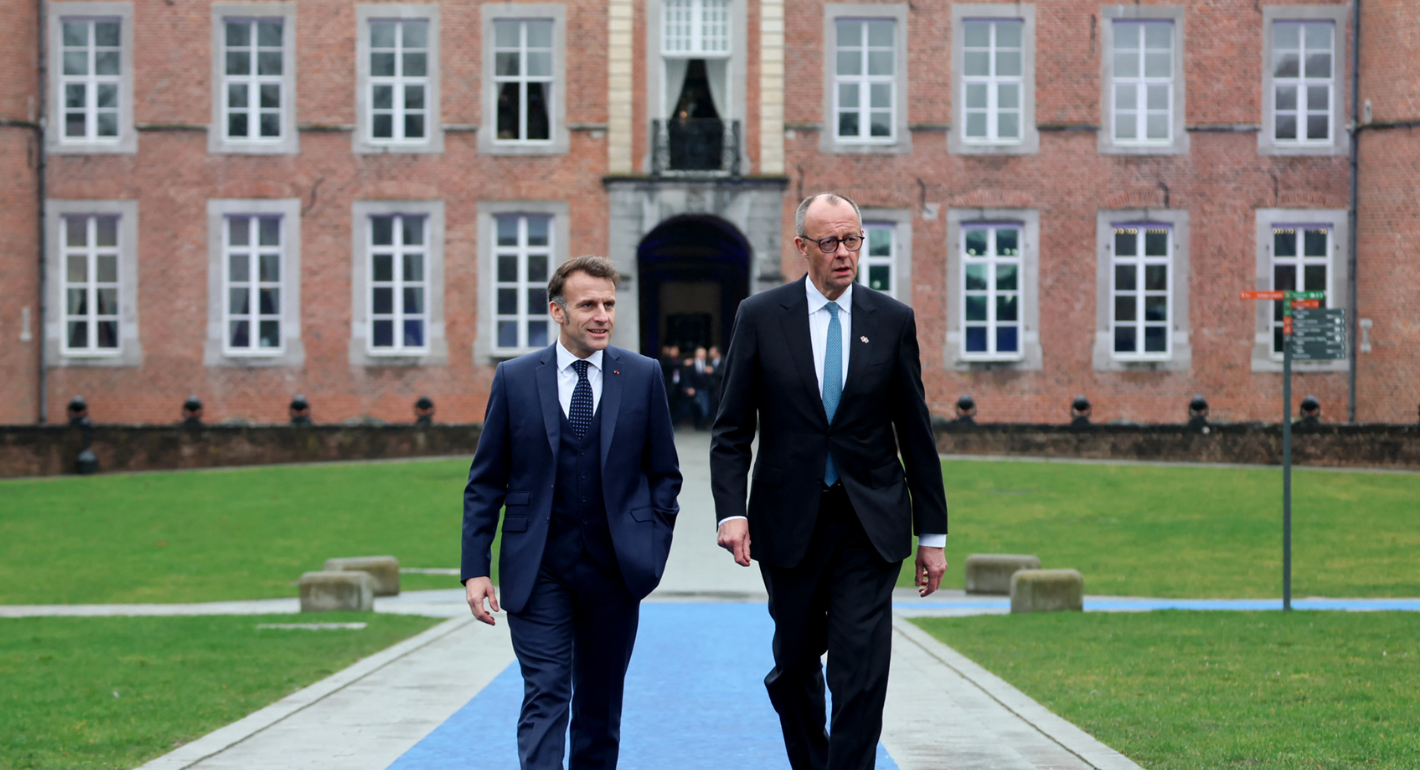
The Franco-German relationship is on the rocks again. But unlike previous moments of tension, the epochal changes on the world stage require that both step up investment in their bilateral ties.
Rym Momtaz