

Paper
Louise Tillin, Milan Vaishnav, Andy Robaina
{
  "authors": [
    "Milan Vaishnav"
  ],
  "type": "legacyinthemedia",
  "centerAffiliationAll": "dc",
  "centers": [
    "Carnegie Endowment for International Peace"
  ],
  "collections": [],
  "englishNewsletterAll": "ctw",
  "nonEnglishNewsletterAll": "",
  "primaryCenter": "Carnegie Endowment for International Peace",
  "programAffiliation": "SAP",
  "programs": [
    "South Asia"
  ],
  "projects": [],
  "regions": [
    "South Asia",
    "India"
  ],
  "topics": [
    "Political Reform"
  ]
}
Source: Getty
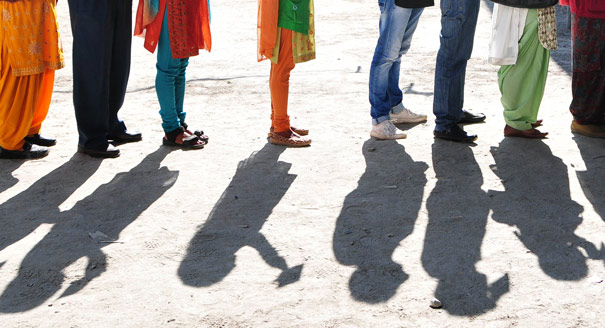
While the motivations of Indian voters might be shifting, the make-up of the candidate pool they choose from is not.
Source: Live Mint
A little over one year ago, historic victory of the Bharatiya Janata Party (BJP) in the 2014 general election prompted declarations of a watershed in the behaviour of the Indian voter. The reality, though, is more nuanced. On some parameters, such as voting based on economic and ethnic considerations, there were indeed discernible changes. However, the evidence suggests these shifts were well under way before 2014. In other areas—support for regional parties, dynastic politicians, and candidates associated with criminal activity—contemporary voters demonstrated much greater continuity with the past.
One area where change is clearly visible is the role the economy is having on voter behaviour. In many democracies, the overall health of the economy is the most important barometer of an incumbent government’s political popularity. Notwithstanding this popular consensus, scholars have typically treated India as something of an outlier. Indian voters, it was thought, typically prioritize other factors—patronage, populism or parochialism—when selecting their representatives.
Yet evidence from state and national elections suggests macroeconomic realities are increasingly relevant. Indeed, data from three decades of state election results show a significant change has occurred in the period following the year 2000. Unlike in previous decades, the data reveal positive electoral returns to state governments able to generate faster growth rates in the 2000s. Statistical analyses, after controlling for a range of potentially confounding factors, reveal a one percentage point improvement in a state’s growth rate in the 2000s is linked to a 7.5% increase in the likelihood that the incumbent party or alliance will be re-elected.Sensing an opportunity to capitalize on the economic success that Gujarat had enjoyed (and the disappointing record of the incumbent United Progressive Alliance government in its final two years in office), Narendra Modi campaigned extensively on the economy, making the rejuvenation of India’s growth story the centrepiece of his political campaign at a time when the average Indian voter was seized with concerns over economic uncertainty. Voter preoccupation with issues such as price rise and lack of employment opportunities was confirmed by post-poll surveys conducted by the Center for the Study of Developing Societies.
Does this shift mean identity politics is dead? Hardly. Social biases remain entrenched, but the transmission of those biases into the political domain is imperfect and may be weakening. The old trope that Indian voters vote their caste rather than cast their vote is too simplistic. Even in states where caste conflict is known to be rife, voters often vote for candidates from castes and communities other than their own. One reason for this is that voters often do not have the opportunity to vote for a co-ethnic because one is not on the ballot. At a more fundamental level, research from Bihar’s 2010 election shows nearly one-third of voters could not accurately identify the jati of the candidate they voted for in the election just days prior.
Could it be that voters value the ethnic brand of a given party more than that of the individual candidate? Quite possibly, but the ethnic labels of many parties are being diluted in the current era of Indian politics, in which many parties or alliances are winning election on the backs of diverse rainbow coalitions. Analyses of the BJP’s performance in the Hindi heartland in the 2014 general election suggest that it cobbled together disparate sources of support across the social spectrum—the glaring exception being the minority Muslims. While the polarization of Hindu-Muslim votes played an obvious role in this outcome, the dilution of caste-based voting is still striking given that north India is the region of the country where scholars believe caste calculations are most salient.
Identity still matters, but it matters in conjunction with other factors. For example, the increase in Other Backward Class (OBC) support for the National Democratic Alliance (NDA) between 2009 and 2014 might have been driven by factors that went well beyond identity alone, such as economic performance or the perceived leadership advantage of the Modi-led BJP. Beyond the BJP, there was a clear divergence in the performance of key regional parties whose appeal is tied to caste. As K.K. Kailash, assistant professor, department of political science, University of Hyderabad, has argued, regionally located parties performed far worse than regionalist parties, the key difference being that the former are typically motivated by underlying caste and community considerations while the latter represent the interests of a broader state, regional culture, or language.
On other dimensions, 2014 signalled more continuity than change. There has been much discussion of regional parties’ increasing influence in Indian politics. But recent electoral trends reveal a surprising degree of stability in the balance of power between national and regional parties. In national elections, the vote share earned by parties other than the BJP and the Congress has hovered around the 50% mark since 1996. The remaining share of the all-India vote has gone to the Congress and the BJP.
What changed significantly in 2014 was not the distribution of votes between national and regional parties, but the distribution of the national party vote. Essentially, without greatly changing their aggregate vote share, the two national parties switched places between 2009 and 2014. One reason that the pessimistic forecast for national parties has not come to pass is that many regional parties threaten other regional parties as much as they do national parties, cannibalizing one another’s votes. Even among chief ministerial posts, national parties are edging out regional players.
Despite widely held pronouncements that a young, aspirational and increasingly urban India is no longer amenable to the idea that politics shall remain the province of a relatively small number of political families, dynastic politicians performed very well in the 2014 elections. Dynastic politics may not be popular, but dynastic politicians certainly are.
At least one in five members of Parliament elected in 2014 came from a political family. This pattern cuts across partisan lines. Every member of the Samajwadi Party’s parliamentary delegation is a member of the Mulayam Singh Yadav clan. Congress is located in the middle of the pack; roughly 41% of its members of Parliament (MPs) are dynasts. At the other end of the spectrum, 16.7% of BJP MPs hail from political families. Yet, even within the BJP, 50% of the party’s MPs under the age of 40 have a family connection in politics.
As long as there are significant barriers to entry in India’s leading political parties, and insofar as politics is viewed as an occupation whose skills are passed down through one’s DNA, it is difficult to imagine that dynastic politics will disappear from the scene. The same can be said of politicians associated with criminal wrongdoing. In 2004, 12% of MPs reported that they were facing serious cases before the courts. Over the next 10 years, those numbers steadily increased to the point where 21% of MPs in 2014 disclosed ongoing cases of a serious nature.
In the 2014 elections, more attention than ever before was devoted to publicizing the biographical details of parliamentary aspirants, yet a record number of candidates involved in criminal cases won election to the Lok Sabha. Lack of information is not the binding constraint. Instead, the 2014 results demonstrate an underlying—and persistent—demand for politicians who can get things done, even if they are connected with wrongdoing. Until the quality of the state improves or clean politicians can convincingly demonstrate that they can deliver, even well informed voters might have good reasons to seek the assistance of candidates who try to pass off their criminal records as signs of their competence.
What, if anything, does the 2014 election reveal about the state of India’s democracy?
For starters, while the regional-national balance of power is steady, there has been an upheaval among national parties. By virtue of its performance in the 2014 general election and recent state assembly elections, the ascendant BJP has replaced the foundering Indian National Congress as the pole around which political competition is organized, filling a vacuum that has existed since 1989.
Second, politicians who seek to gain strength using identity-based appeals alone have generally not fared well. While voters may harbour deep-seated social biases, identity-based concerns and economic evaluations are both in play; it is impossible to conclude that one has clearly overtaken the other. The most successful politicians have found credible ways of marrying traditional appeals on the basis of identity with a forward-looking, aspirational agenda.
Finally, it is striking that while the motivations of voters might be shifting, the make-up of the candidate pool they have to choose from is not. In some sense, voters have more choice than ever before, as evidenced by the increase in the absolute number of parties contesting elections. Yet, there is little change in the nature of candidates themselves.
This article was originally published in Live Mint. It is an excerpt from his recent Carnegie paper, Understanding the Indian Voter.

Director and Senior Fellow, South Asia Program
Milan Vaishnav is a senior fellow and director of the South Asia Program and the host of the Grand Tamasha podcast at the Carnegie Endowment for International Peace. His primary research focus is the political economy of India, and he examines issues such as corruption and governance, state capacity, distributive politics, and electoral behavior. He also conducts research on the Indian diaspora.
Recent Work


Louise Tillin, Milan Vaishnav, Andy Robaina


Milan Vaishnav, Sameer Lalwani, Tanvi Madan, …
Carnegie does not take institutional positions on public policy issues; the views represented herein are those of the author(s) and do not necessarily reflect the views of Carnegie, its staff, or its trustees.
Preparing candidate countries for EU membership is no longer enough. As the enlargement process becomes a reality, the union must also prepare its own societies.

Iliriana Gjoni
Countries face several hurdles in joining the EU, including the final stage of ratifying their accession treaties. Procedural reforms and substantive adjustments could help move the process forward.

Stefan Lehne
Europe has an interest in supporting Armenian leader Nikol Pashinyan as he tries to make peace with neighbors and loosen ties with Russia. But it is depersonalized support in the long term, not quickfire flash, that will win the day.

Thomas de Waal
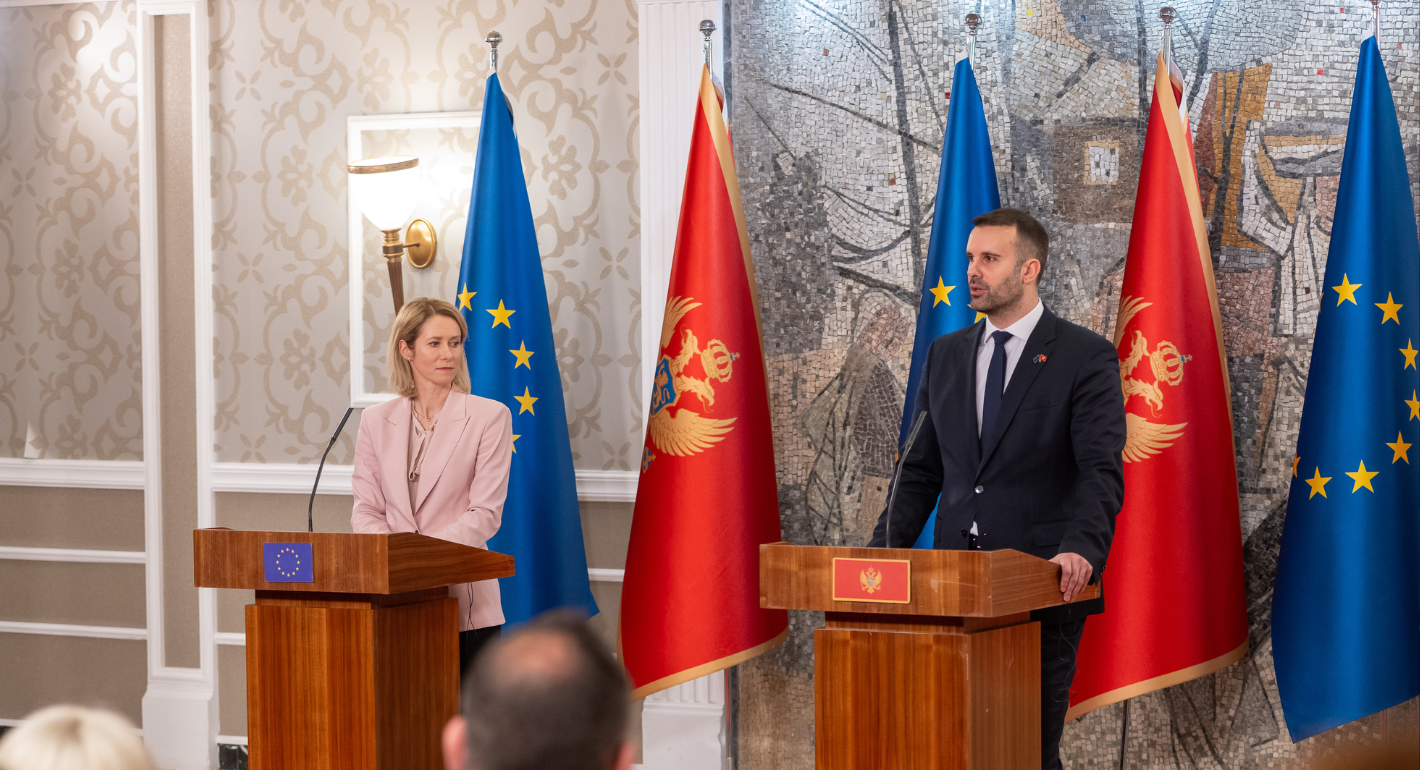
Montenegro and Albania are frontrunners for EU enlargement in the Western Balkans, but they can’t just sit back and wait. To meet their 2030 accession ambitions, they must make a strong positive case.

Dimitar Bechev, Iliriana Gjoni
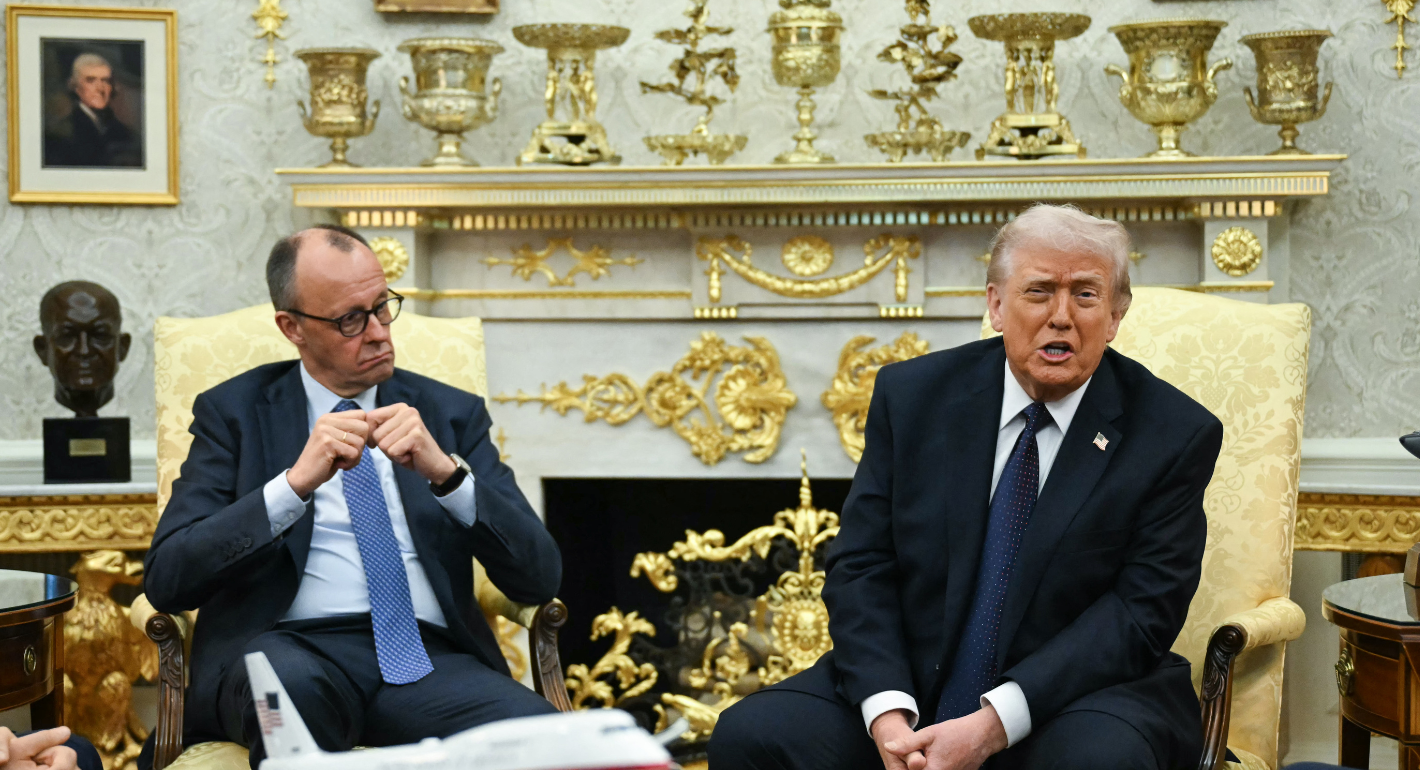
European reactions to the war in Iran have lost sight of wider political dynamics. The EU must position itself for the next phase of the crisis without giving up on its principles.

Richard Youngs