

In The Media
Jessica Tuchman Mathews
{
  "authors": [
    "Jessica Tuchman Mathews"
  ],
  "type": "legacyinthemedia",
  "centerAffiliationAll": "",
  "centers": [
    "Carnegie Endowment for International Peace",
    "Malcolm H. Kerr Carnegie Middle East Center"
  ],
  "collections": [],
  "englishNewsletterAll": "",
  "nonEnglishNewsletterAll": "",
  "primaryCenter": "Carnegie Endowment for International Peace",
  "programAffiliation": "",
  "programs": [],
  "projects": [],
  "regions": [
    "North America",
    "United States",
    "Middle East",
    "Russia",
    "Gulf",
    "Levant"
  ],
  "topics": [
    "Political Reform",
    "Foreign Policy"
  ]
}
Source: Getty
Washington has always done too much or too little; been too pushy or failed to consult. That goes with the territory of being the world’s major power.
Source: New York Review of Books
The following article by Jessica T. Mathews will appear in the September 24, 2015 issue of the New York Review of Books, which goes on sale next week.
“The incoherence in American foreign policy has been growing for twenty-five years,” asserts Ian Bremmer. That’s a considerable overstatement, and from an expert in the field, but there is no question that, at home and abroad, American policies (from long before the current administration) evoke widespread angst, uncertainty, and criticism. Judging from a flurry of recent books, the most basic features of the US role abroad remain in question. How much should we try to do in rapidly changing circumstances? What are we actually able to do? How much should we spend abroad? Can’t a single principle be found to impose greater consistency on foreign policy?
Not only analysts and scholars are worried. I recently listened to a roomful of European leaders bemoan the lack of US commitment to NATO. Since the US accounts for twice as much of NATO members’ military spending (more than 70 percent) as all of its European members combined, this was a bit hard to fathom. Moreover, that commitment, and the lack of it in Europe, extends to the public. A recent poll of citizens of eight NATO countries by the Pew Research Center found that only in the US and Canada is a majority prepared to go to war if a NATO ally is attacked—that being the central requirement of the NATO treaty and the sine qua non of collective defense. So just why are Europeans worried about America?
In the Sunni Middle East fear of a US withdrawal is pervasive. Yet the US maintains dozens of bases and warships in and around the Persian Gulf—including major facilities and a substantial number of troops in Qatar, Kuwait, the United Arab Emirates, and Bahrain. Operations are also based in Jordan and Turkey. CENTCOM, the US Central Command, in charge of this region, has been the United States’ largest geographic command for many years. Yet a visitor to the region constantly hears that the day America will suddenly lose interest and depart is just around the corner. And in East Asia, governments from US allies to Beijing wonder whether America intends to remain the dominant Pacific power, whether the famous but still largely invisible “pivot” is about containing China, and what it might eventually mean if ever made real.

Distinguished Fellow
Mathews is a distinguished fellow at the Carnegie Endowment for International Peace. She served as Carnegie’s president for 18 years.
Recent Work
Jessica Tuchman Mathews
Jessica Tuchman Mathews
Carnegie does not take institutional positions on public policy issues; the views represented herein are those of the author(s) and do not necessarily reflect the views of Carnegie, its staff, or its trustees.
European reactions to the war in Iran have lost sight of wider political dynamics. The EU must position itself for the next phase of the crisis without giving up on its principles.

Richard Youngs
For years, the United States anchored global cyber diplomacy. As Washington rethinks its leadership role, the launch of the UN’s Cyber Global Mechanism may test how allies adjust their engagement.


Patryk Pawlak, Chris Painter
Europe isn’t as weak in the new geopolitics of power as many would believe. But to leverage its assets and claim a sphere of influence, Brussels must stop undercutting itself.

Dimitar Bechev
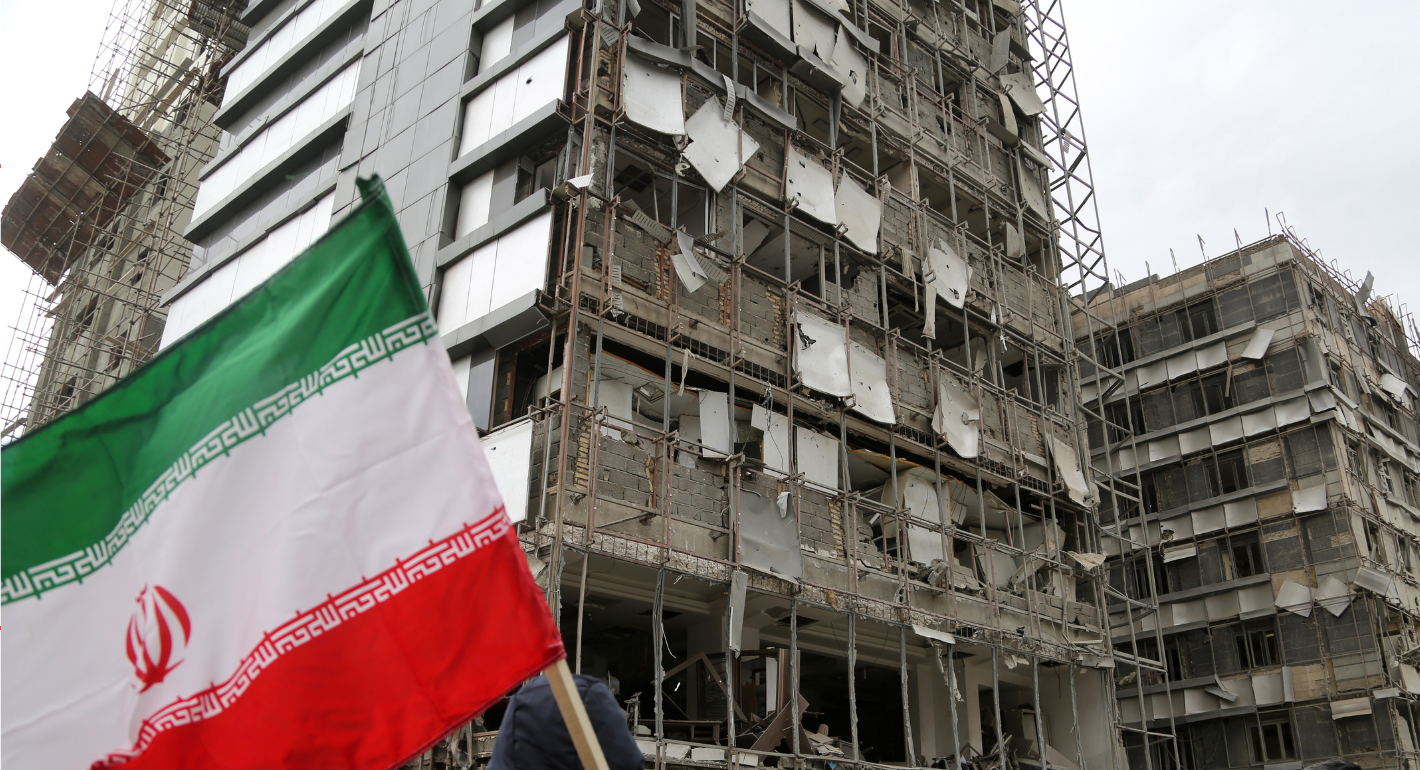
Europe’s reaction to the war in Iran has been disunited and meek, a far cry from its previously leading role in diplomacy with Tehran. To avoid being condemned to the sidelines while escalation continues, Brussels needs to stand up for international law.

Pierre Vimont
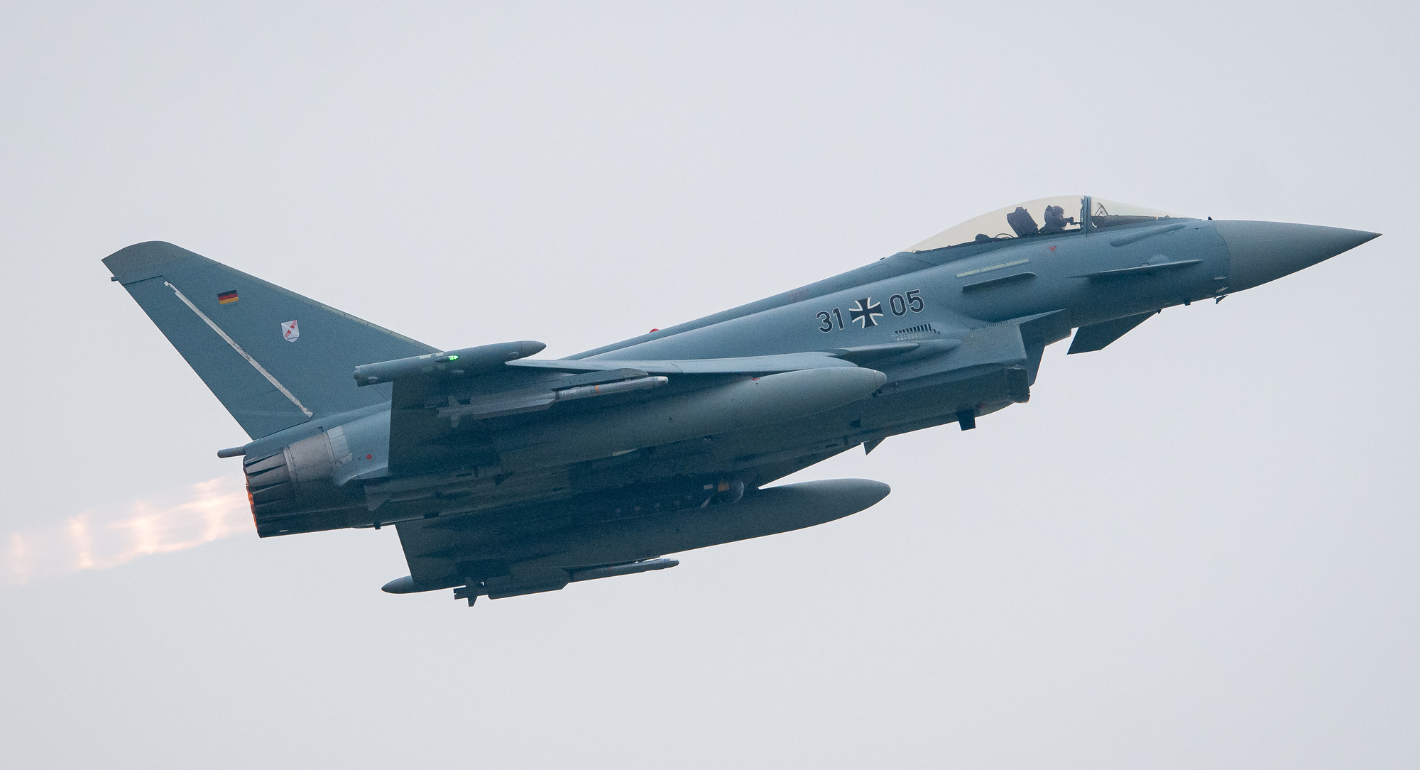
France and Germany’s failure to agree on the Future Combat Air System (FCAS) raises questions about European defense. Amid industrial rivalries and competing strategic cultures, what does the future of European military industrial projects look like?

Rym Momtaz, ed.