

Commentary
Donald Trump has repeatedly bashed NATO and European allies, threatening to annex Canada and Greenland and deploring their lack of enthusiasm for his war of choice in Iran. Is this latest round of abuse the final straw?
Rym Momtaz, ed.
{
  "authors": [],
  "type": "pressRelease",
  "centerAffiliationAll": "",
  "centers": [
    "Carnegie Endowment for International Peace"
  ],
  "collections": [],
  "englishNewsletterAll": "",
  "nonEnglishNewsletterAll": "",
  "primaryCenter": "Carnegie Endowment for International Peace",
  "programAffiliation": "",
  "programs": [],
  "projects": [],
  "regions": [],
  "topics": [
    "Security"
  ]
}
REQUIRED IMAGE
WASHINGTON—The Carnegie Endowment for International Peace announced today the appointment of Tim Maurer as an associate. Maurer will help lead Carnegie’s new cyberpolicy project focusing on developing norms for offensive cyberoperations.
Maurer comes to Carnegie from New America, where he was director of the Global Cybersecurity Norms and Resilience Project and head of research for the organization’s Cybersecurity Initiative.
“I am delighted that Tim will be joining us,” Carnegie President William J. Burns said. “He is as thoughtful and strategic a thinker about emerging norms in cyberspace as I know. He will be an invaluable addition to our growing team of researchers across our global centers examining the intersection of science, technology, and international affairs.”
“I am honored and delighted to be joining Carnegie,” Maurer said. “I am looking forward to working with its team of renowned experts to address normative issues in cyberspace and in other emerging arenas of consequence for international politics.”
Maurer will work with Vice President for Studies George Perkovich and Nonresident Senior Associate Ariel Levite on the new initiative, as well as continue his book project on proxy actors and cybersecurity. He also serves as a member of the Research Advisory Network of the Global Commission on Internet Governance.
Maurer holds a master’s degree in public policy from Harvard University’s John F. Kennedy School of Government and a bachelor’s degree in political science from the Free University of Berlin. A co-chair of the Civil Society Advisory Board for the Global Conference on Cyberspace, he has written on cyberissues in Jane’s Intelligence Review, TIME, Foreign Policy, Slate, and other outlets.
Carnegie does not take institutional positions on public policy issues; the views represented herein are those of the author(s) and do not necessarily reflect the views of Carnegie, its staff, or its trustees.
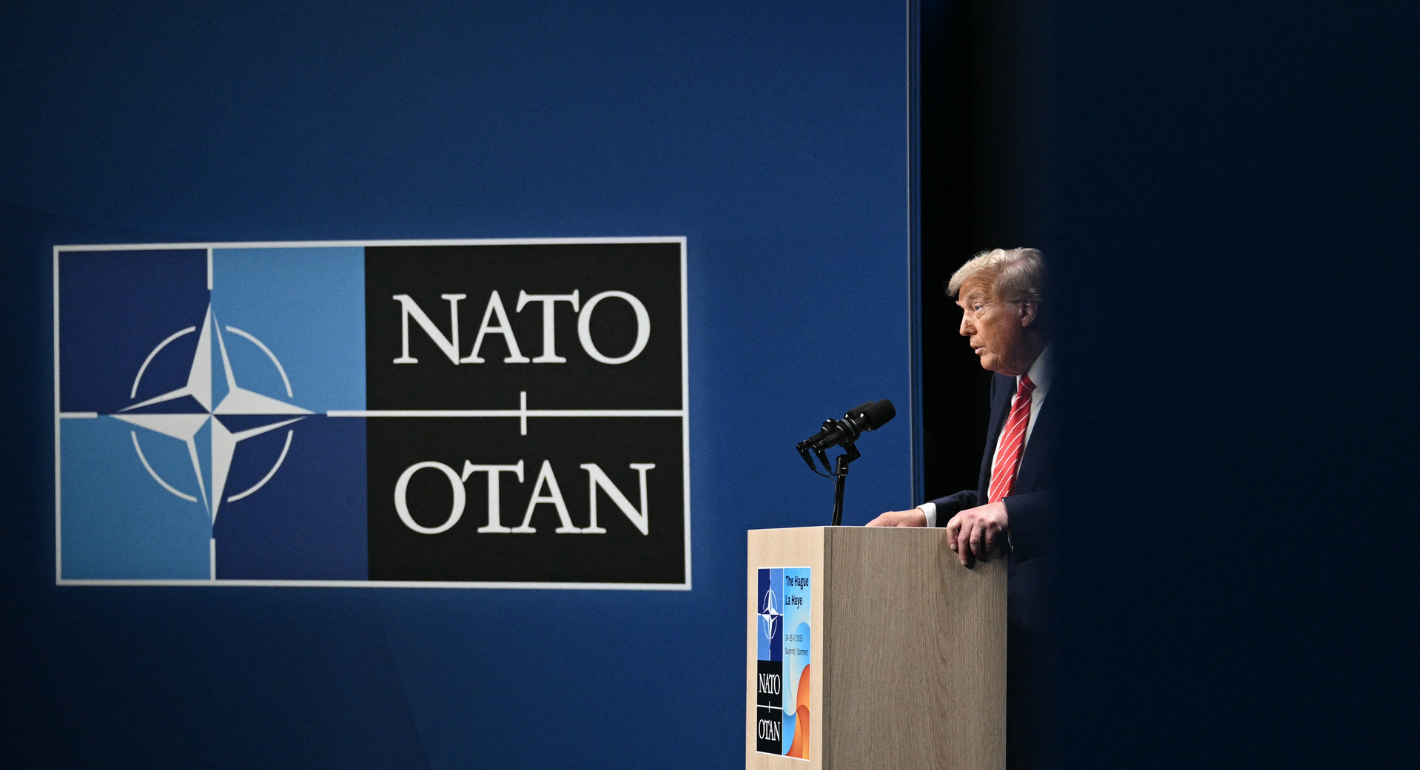
Donald Trump has repeatedly bashed NATO and European allies, threatening to annex Canada and Greenland and deploring their lack of enthusiasm for his war of choice in Iran. Is this latest round of abuse the final straw?

Rym Momtaz, ed.

Economic growth is at the heart of a dilemma between planetary and international security.

Olivia Lazard
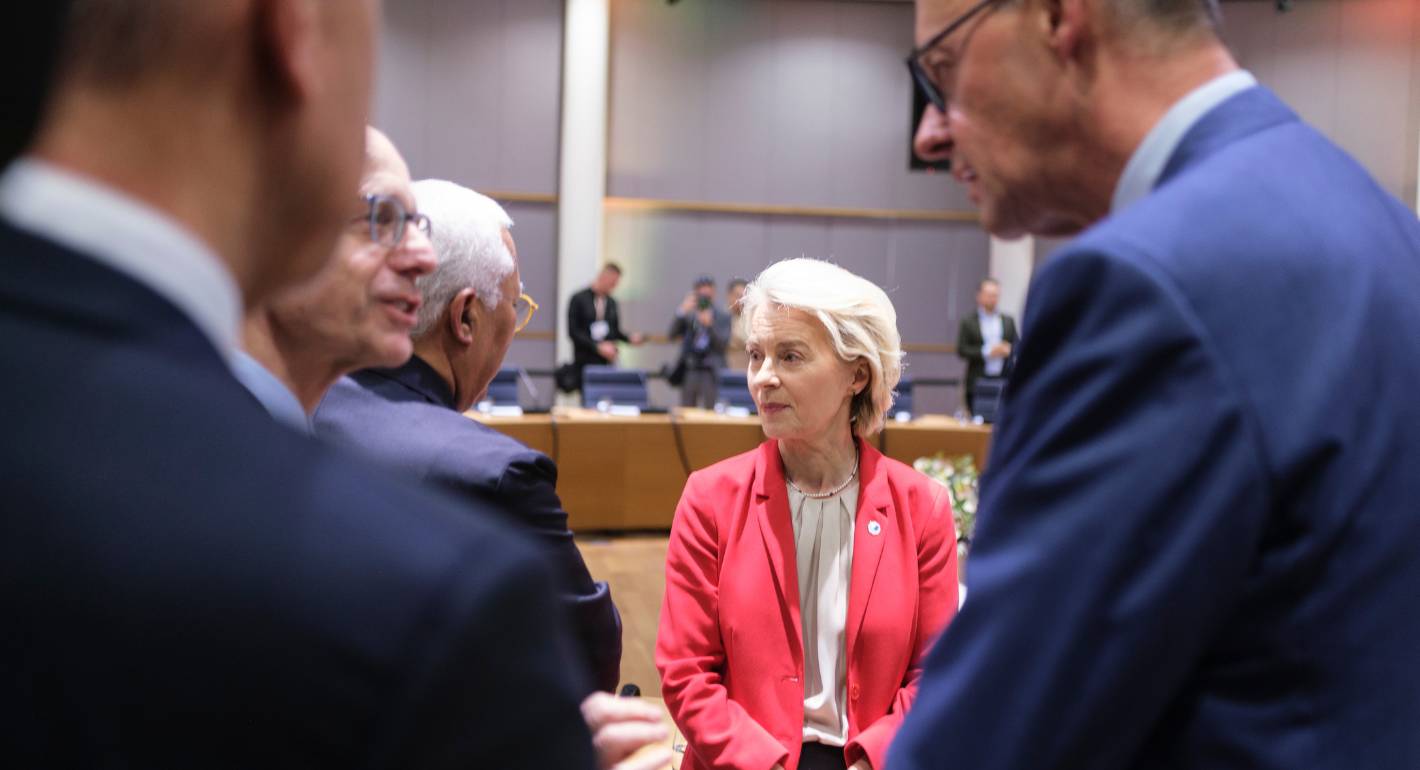
The war in Iran proves the United States is now a destabilizing actor for Europe and the Arab Gulf. From protect their economies and energy supplies to safeguarding their territorial integrity, both regions have much to gain from forming a new kind of partnership together.
Rym Momtaz
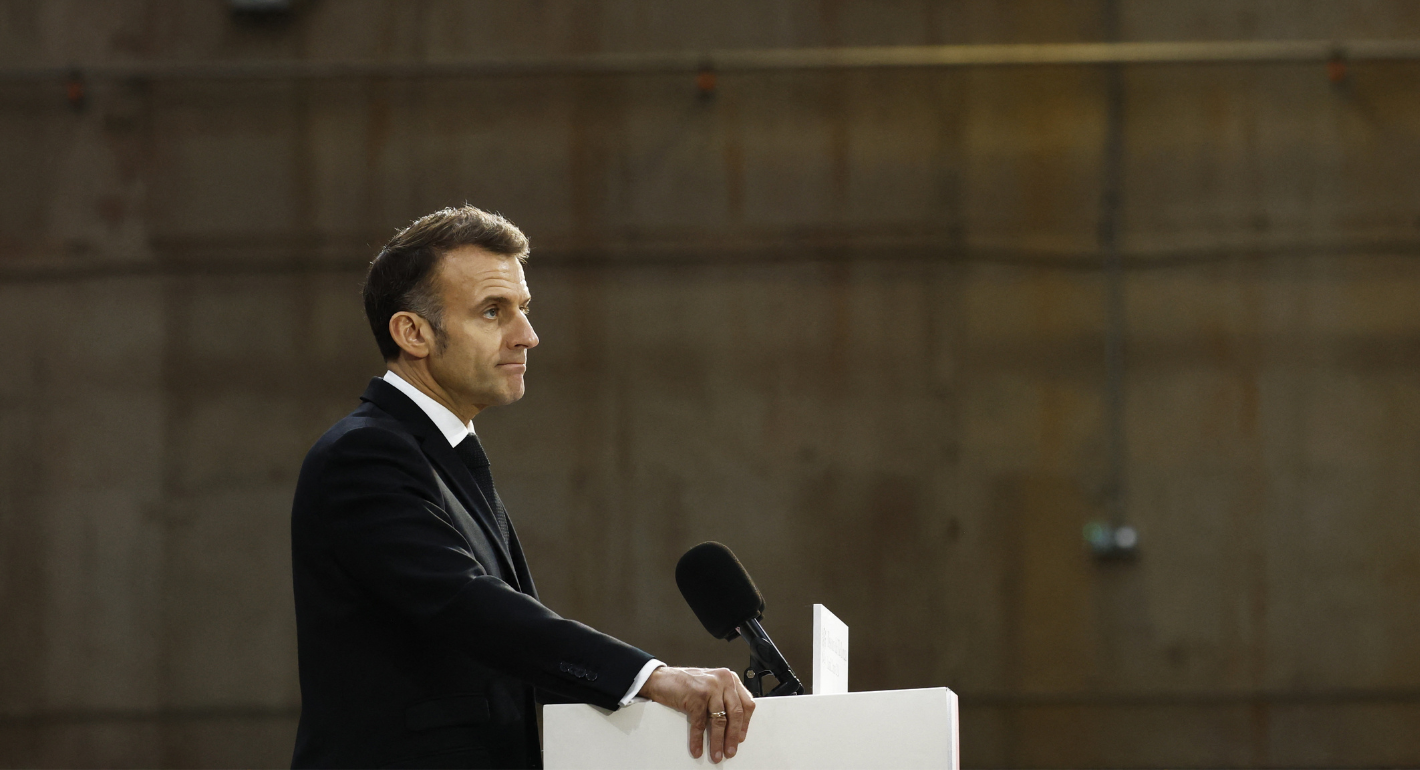
French President Emmanuel Macron has unveiled his country’s new nuclear doctrine. Are the changes he has made enough to reassure France’s European partners in the current geopolitical context?
Rym Momtaz, ed.
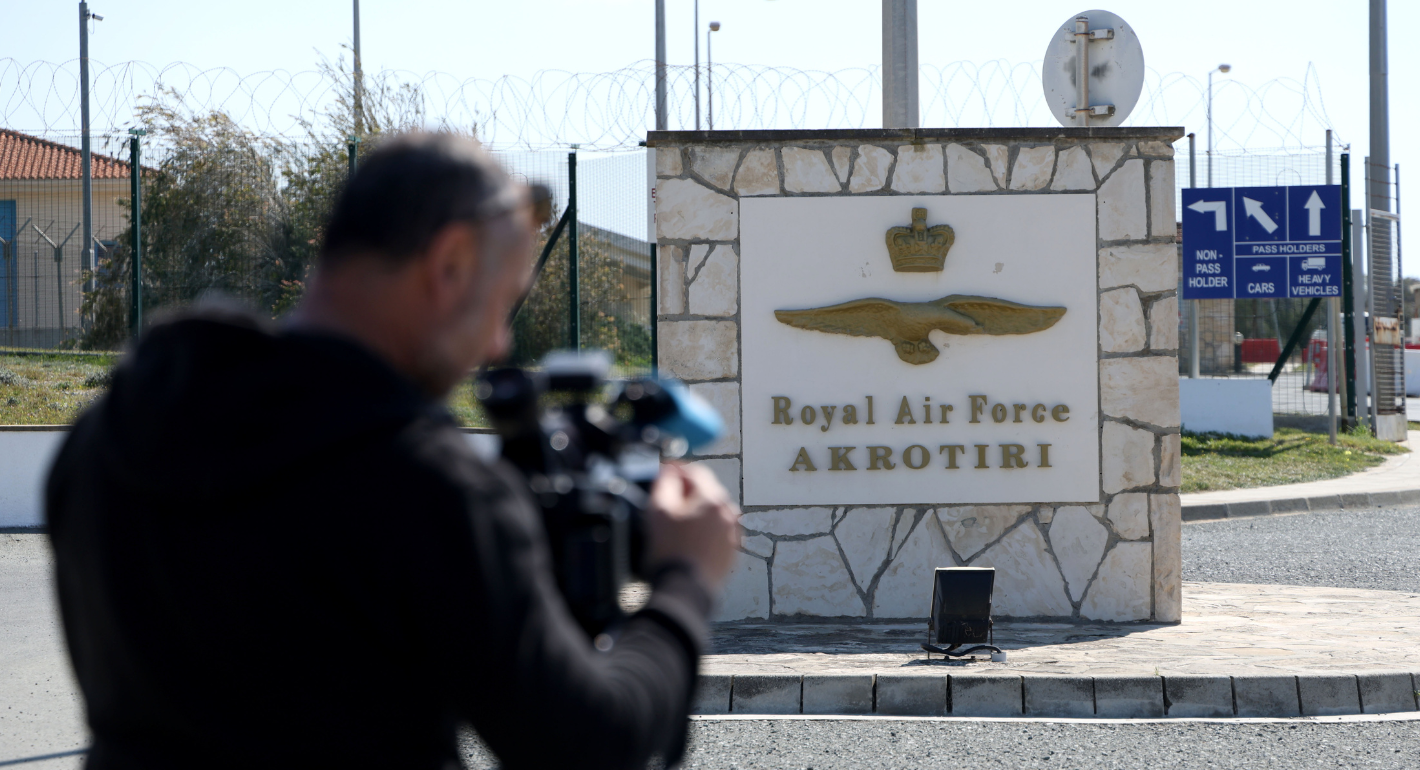
The drone strike on the British air base in Akrotiri brings Europe’s proximity to the conflict in Iran into sharp relief. In the fog of war, old tensions in the Eastern Mediterranean risk being reignited, and regional stakeholders must avoid escalation.

Marc Pierini