

Commentary
Farea Al-Muslimi
{
  "authors": [
    "Farea Al-Muslimi"
  ],
  "type": "legacyinthemedia",
  "centerAffiliationAll": "dc",
  "centers": [
    "Carnegie Endowment for International Peace",
    "Malcolm H. Kerr Carnegie Middle East Center"
  ],
  "collections": [],
  "englishNewsletterAll": "menaTransitions",
  "nonEnglishNewsletterAll": "",
  "primaryCenter": "Malcolm H. Kerr Carnegie Middle East Center",
  "programAffiliation": "MEP",
  "programs": [
    "Middle East"
  ],
  "projects": [],
  "regions": [
    "Gulf",
    "Yemen",
    "Middle East"
  ],
  "topics": [
    "Political Reform"
  ]
}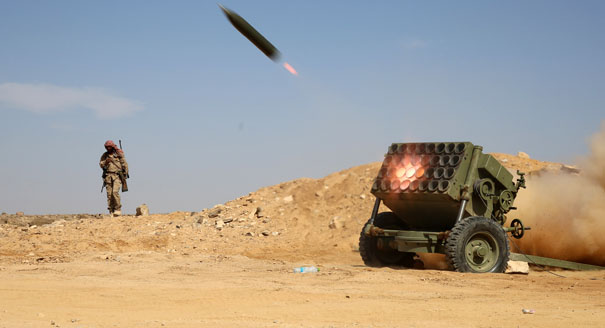
Source: Getty
With the war in Yemen having no clear goals, the various players in the country must invest in peace for the conflict to end.
Source: Al Jazeera
Few things are more damaging and futile than a war without clear goals or clear enemies. This is one reason why the war in Yemen still continues, and why the recent United Nations-sponsored talks in Switzerland failed.
Over the past few years, Yemen has gradually sunk into a civil and regional conflict - the symptom, and not the cause, of which was the Houthi rebels' takeover of Sanaa in September 2014, followed by military intervention in March 2015 by a Saudi-led Arab coalition.
The recent fighting has destroyed Yemen, killing thousands of people and displacing more than two million from their homes. It has created a devastating humanitarian crisis, with more than half of the country's population classified as food insecure.The crisis in Yemen is arguably more straightforward and less internationally divisive than other regional conflicts, including the war in Syria. So why did the recent peace talks fail to generate a solution?
The main reason is that when all sides, both inside Yemen and externally, opted to go to war, they really did not have to. Historically, Saudi Arabia's influence in Yemen has been more powerful than that of the country's own rulers, and although a number of Gulf countries are at odds with former Yemeni President Ali Abdullah Saleh, most of his family members live in the United Arab Emirates.
The Arab coalition did not try diplomacy before going to war in Yemen - a war that has less to do with Yemen than with regional geopolitical rivalries.
The latest round of peace talks failed because many of those involved do not know what they want out of the UN-mediated process, and because they do not believe it is in their immediate interests to have peace. After nearly a year of war in Yemen, the cycle of business, economy and power now revolves around one main thing: war. Should the fighting suddenly end, many players from both sides would stand to lose.
Understanding these possible winners and losers is key to future negotiations. The end of the war would result in four clear losers: the Houthis, armed groups such as al-Qaeda and the Islamic State of Iraq and the Levant (ISIL), Saleh and incumbent President Abd-Rabbu Mansour Hadi. Each of these parties has a motive to impede the peace process.
The most obvious motive is attached to groups such as al-Qaeda and ISIL, which have thrived off the current chaos and instability, making huge strategic and territorial gains.
For the Houthis, a state of war is arguably where they are most comfortable. If the conflict were to end, they would have to face serious questions over power-sharing that they currently do not want to answer. The Houthis, who have displayed a capability to sign a truce with one hand while holding AK-47s with the other, may be able to be guided back towards the peace process through pressure from Iran or Oman.
Saleh, meanwhile, took a gamble by initiating the current conflict to improve his political position - but he did not foresee that it would escalate to this point. His strength now lies in his ability to manipulate those around him into seeing his support as indispensable.
A key to the success of peace negotiations with Saleh and the Houthis is recognising them as separate entities with differing agendas. Saleh and his family are more vulnerable than the Houthis to pressure outside of the country. The UAE still acts as host to his family and some of his closest aides, a situation that could be used to exert pressure.
Lastly, Hadi's mismanagement of the country was a key reason behind the current conflict - and the president surely realises that his allies, even more than his enemies, want him to step aside for any peace framework to succeed.
Consequently, he has taken every possible step to drag out the conflict. Empowering his cabinet and his vice president at his expense will be key to the success of any lasting peace deal. The international community must make it clear that it will only deal with those who want to invest in peace in Yemen.
In addition, for Yemen to achieve peace, the Arab coalition must understand that it cannot win militarily, despite the billions of dollars in expenses already poured into the war. Any possible gains made by the coalition at the start of the conflict are being lost through its continuation.
What Yemen needs now is a dealer who can "redistribute the cards" and convince the various players to invest in peace.
The UN tried this, but its approach has been weak and too easily mired in technicalities. In a recent meeting at UN headquarters in New York, just before the latest round of negotiations, a high-level UN official was asked privately whether the organisation had seriously attempted to assess the lessons learned from the past four years. The response was a flat no.
Regionally, the West can play a role in ending the conflict in Yemen by pushing for reconciliation between Saudi and Iran, and by halting their arms deals in the region. They cannot believably call for peace in Yemen while turning a blind eye to the destruction being wrought with their weapons, now in the hands of their regional clients.

Research fellow at Chatham House’s Middle East and North Africa Programme
Farea Al-Muslimi is a research fellow at Chatham House’s Middle East and North Africa Programme.
Recent Work
Farea Al-Muslimi
Farea Al-Muslimi
Carnegie does not take institutional positions on public policy issues; the views represented herein are those of the author(s) and do not necessarily reflect the views of Carnegie, its staff, or its trustees.

As the EU confronts profound challenges, several leaders have called for fundamental reform to the union’s model—but only modest, superficial changes have resulted. What if Europe really could be reimagined from zero today: What should such a redesigned European order look like?

Richard Youngs, ed.

When the U.S.-Iran memorandum of understanding was announced, the UK, France, Germany, and Italy declared their readiness to help demine the Strait of Hormuz and lift nuclear sanctions on Tehran. But does Europe need new tools to recover a diplomatic role?

Rym Momtaz, ed.

The EU’s new migration policy is not suited to today’s realities. With climate change increasingly becoming a driver of displacement, Europe needs to rethink its deterrence-focused approach.

Shana Tabak
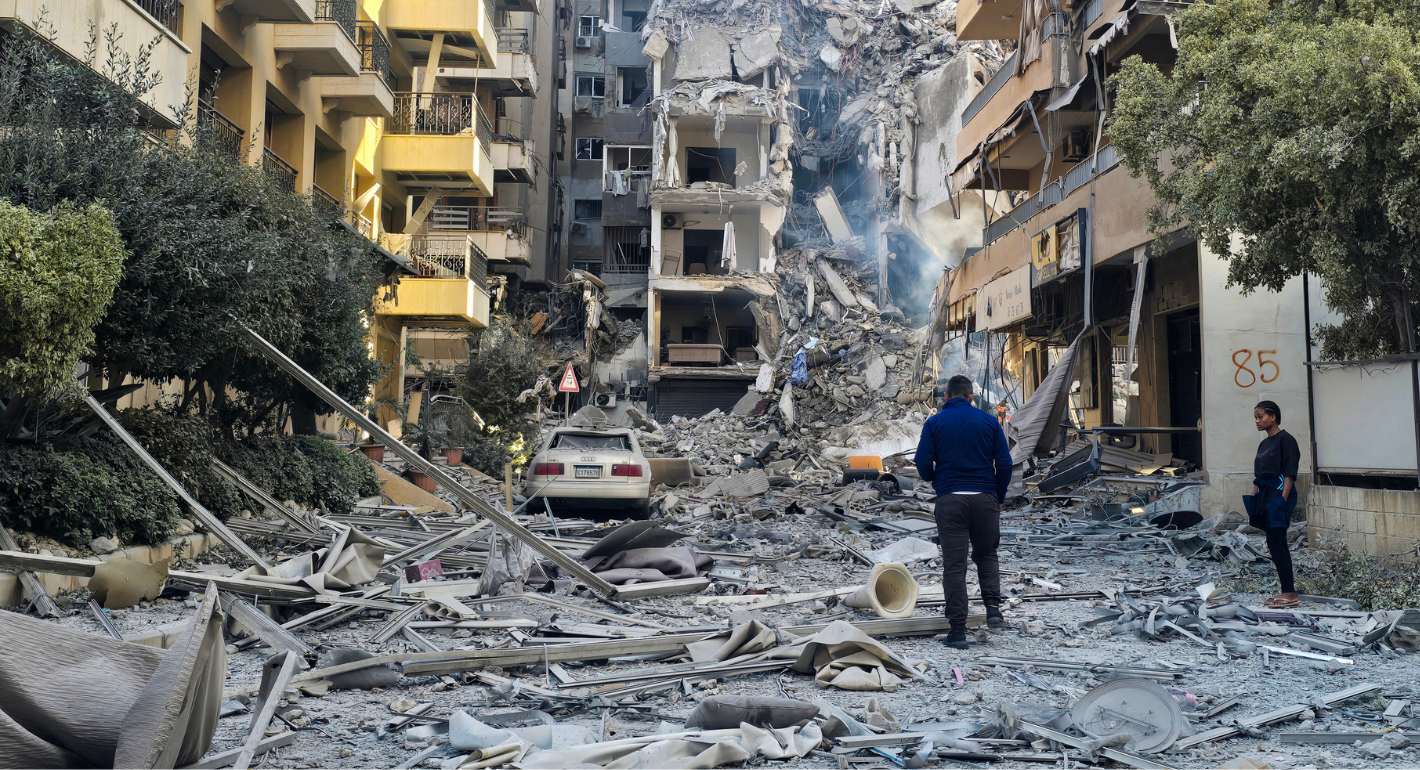
Europe seems to have accepted its sidelining in the Middle East. The EU must reassert its support for the international rules-based order and step up engagement.
Rym Momtaz
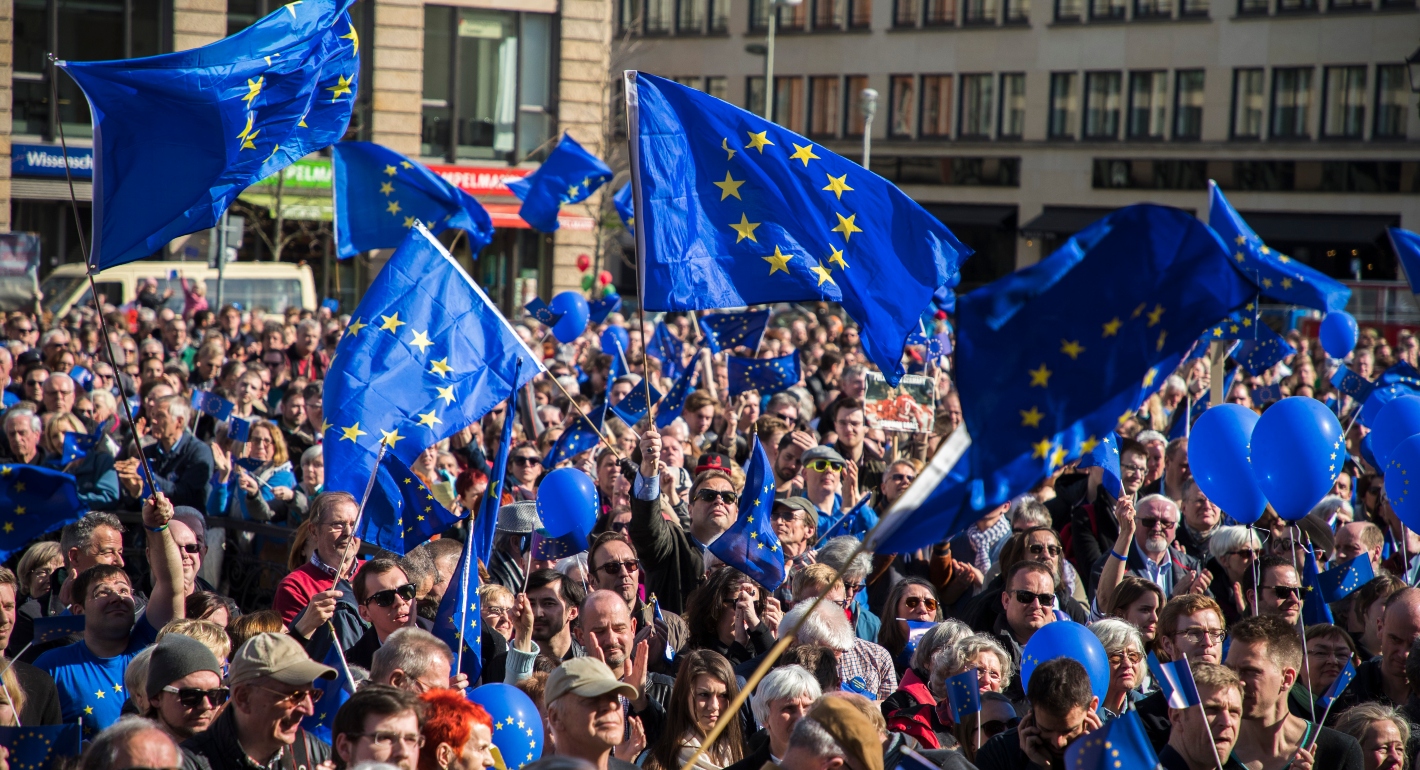
Preparing candidate countries for EU membership is no longer enough. As the enlargement process becomes a reality, the union must also prepare its own societies.

Iliriana Gjoni