

Article
C. Raja Mohan, Darshana M. Baruah
{
  "authors": [
    "C. Raja Mohan"
  ],
  "type": "legacyinthemedia",
  "centerAffiliationAll": "dc",
  "centers": [
    "Carnegie Endowment for International Peace",
    "Carnegie India"
  ],
  "collections": [],
  "englishNewsletterAll": "ctw",
  "nonEnglishNewsletterAll": "",
  "primaryCenter": "Carnegie India",
  "programAffiliation": "SAP",
  "programs": [
    "South Asia"
  ],
  "projects": [],
  "regions": [
    "United States",
    "South Asia",
    "India",
    "North America"
  ],
  "topics": [
    "Foreign Policy"
  ]
}
Source: Getty
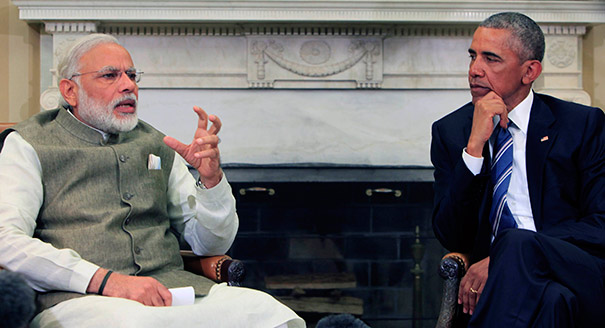
Modi and Obama must work out a new framework for geo-political burden-sharing between India and the United States.
Source: Indian Express
Celebration and consolidation. That is how Indian diplomats are describing Prime Minister Narendra Modi’s fourth visit to the United States in less than two years. There is, indeed, much to celebrate as Modi and President Barack Obama reflect on the successful rejuvenation of the bilateral partnership that had become comatose in the second term of the UPA government. The two leaders will also try and tie together many loose ends on a range of issues including nuclear cooperation, defence partnership, counter terrorism and climate change.
Beyond celebration and consolidation, the PM would also be looking ahead. Until now, Modi’s focus was on completing the unfinished agenda that he had inherited from Prime Minister Manmohan Singh. He now has the opportunity to restructure the relationship with the United States.Many of the big ideas about recasting India-US relations were first articulated by Prime Minister Atal Bihari Vajpayee when he described the US as India’s “natural ally” in September 1998 just a few months after confronting Washington with a series of nuclear tests. The dialogue with the Clinton administration provided the basis for an honest discussion of long-standing political differences on nuclear proliferation, Kashmir, Pakistan and China.
The resolution of these differences, however, began only under the Bush administration. President George W. Bush discarded multiple orthodoxies about India, including the notion of parity between India and Pakistan. He put an end to the nonsense about the US mediating Pakistan’s Kashmir dispute with India.
Bush also viewed India as a rising power with the potential to shape the Asian and global balance of power. He opened the door for an expansive defence and security cooperation with Delhi. Even more important, Bush made a bold bid to end India’s extended atomic isolation on the international stage.
Manmohan Singh and his advisers seized the opportunity, but could not sustain the momentum, thanks to the cold feet in the Congress party. By the time, Modi rode into Delhi, the historic nuclear initiative was in a limbo and the defence cooperation in disrepair. Modi moved quickly to resolve the outstanding disputes in the nuclear domain within the first few months and revived India’s defence partnership with Japan and expanded security cooperation in the trilateral format with Japan.
Modi’s visit might also signal that the first fruits of the historic nuclear initiative are at hand — in the form of a contract for the US company Westinghouse to construct six atomic reactors in Andhra Pradesh. On his part, Obama will welcome India into the Missile Technology Control Regime and is expected to strongly reaffirm support for India’s entry into the Nuclear Suppliers Group, the exclusive group that regulates international atomic commerce.
The NSG members are meeting later this month and would need to see a vigorous American diplomatic push to convince China and a few other holdouts that America will not take “no” for an answer on India’s membership. India’s entry into the NSG will mark the full integration of India into the global nuclear order. It also marks an end to persistent nuclear disputes between India and the US since the nonproliferation regime came into being in 1970.
If the 1950s and 1960s saw expansive nuclear and advanced technology cooperation between India and the US, the 1970s, 1980s, and 1990s saw its disintegration amidst ever advancing US sanctions against India. As Delhi and Washington put behind three decades of nuclear recrimination, Obama and Modi must begin to reimagine the possibilities for high technology cooperation between the two countries, ranging from outer space to artificial intelligence and the maritime domain to microbiology.
Even more tantalising is the prospect for greater understanding between India and the US on our troubled northwestern frontiers. For nearly six decades, differences over Pakistan have been the principal source of political mistrust between India and the US.
Bush addressed the problem, in part by de-hyphenating US relations with India and Pakistan. The great war on terror after 9/11, however, saw the US reliance on Pakistan rise rapidly. While Bush did not let Pakistan come in the way of expanding ties with India, he was also not willing to confront the fact that Pakistan was playing both sides of the street in the war against terror.
Obama has begun to change certain aspects of this policy, for example, in attacking Osama bin Laden’s hideout in Pakistan in 2011 without informing Islamabad. More recently, last month, Obama droned the Taliban chief Mullah Mohammed Mansour to death. The frustration in dealing with Pakistan is deep and finally welling up in Washington.
The new dynamic in Washington has created the space for Modi and Obama to have a fresh conversation on terrorism, Pakistan and Afghanistan. The two leaders can push their suspicious security establishments towards more productive intelligence sharing and on joint operations against international terrorism.
Even more important is the prospect that Delhi and Washington will finally find a way to coordinate their policies towards Pakistan. Delhi and Washington are painfully aware that neither has the power to unilaterally alter Pakistan’s behaviour. But working together, they might have a better chance. All these decades, Delhi and Washington have talked past each other on Pakistan. But working together to nudge Pakistan towards moderation is an idea whose time may have finally come.
For Modi and Obama, a new partnership to shape the future of Pakistan must necessarily be part of a new framework for geopolitical burden-sharing between India and America. Whoever the next president of the US may be, the US establishment is under considerable popular pressure to downsize Washington’s expansive international commitments. Modi, in turn, has begun to position Delhi as a leading power that is ready to take larger responsibilities in the region and beyond. Taken together, these two trends create the basis for reordering India’s relations with the US.
Former Nonresident Senior Fellow, Carnegie India
A leading analyst of India’s foreign policy, Mohan is also an expert on South Asian security, great-power relations in Asia, and arms control.
Recent Work

C. Raja Mohan, Darshana M. Baruah


Alexander Gabuev, Paul Haenle, C. Raja Mohan, …
Carnegie does not take institutional positions on public policy issues; the views represented herein are those of the author(s) and do not necessarily reflect the views of Carnegie, its staff, or its trustees.
The war in Ukraine is costing Russia its leverage overseas. Across the South Caucasus and Middle East, this presents an opportunity for Europe to pick up the pieces and claim its own sphere of influence.

William Dixon, Maksym Beznosiuk
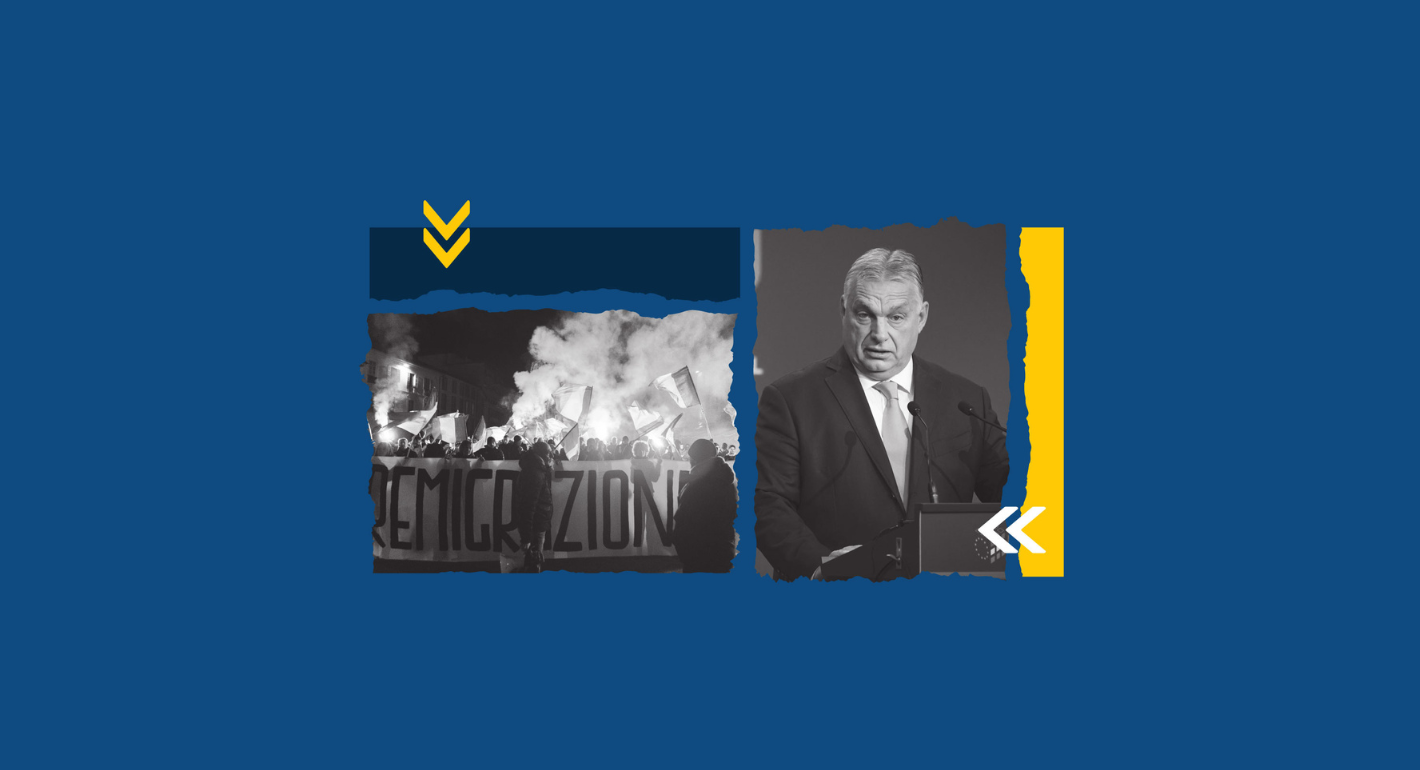
Amid increased polarization and the influence of disinformation, radical-right parties are once again gaining traction across Europe. With landmark elections on the horizon in several countries, are the EU’s geostrategic vision and fundamental values under existential threat?


Catherine Fieschi, Cas Mudde
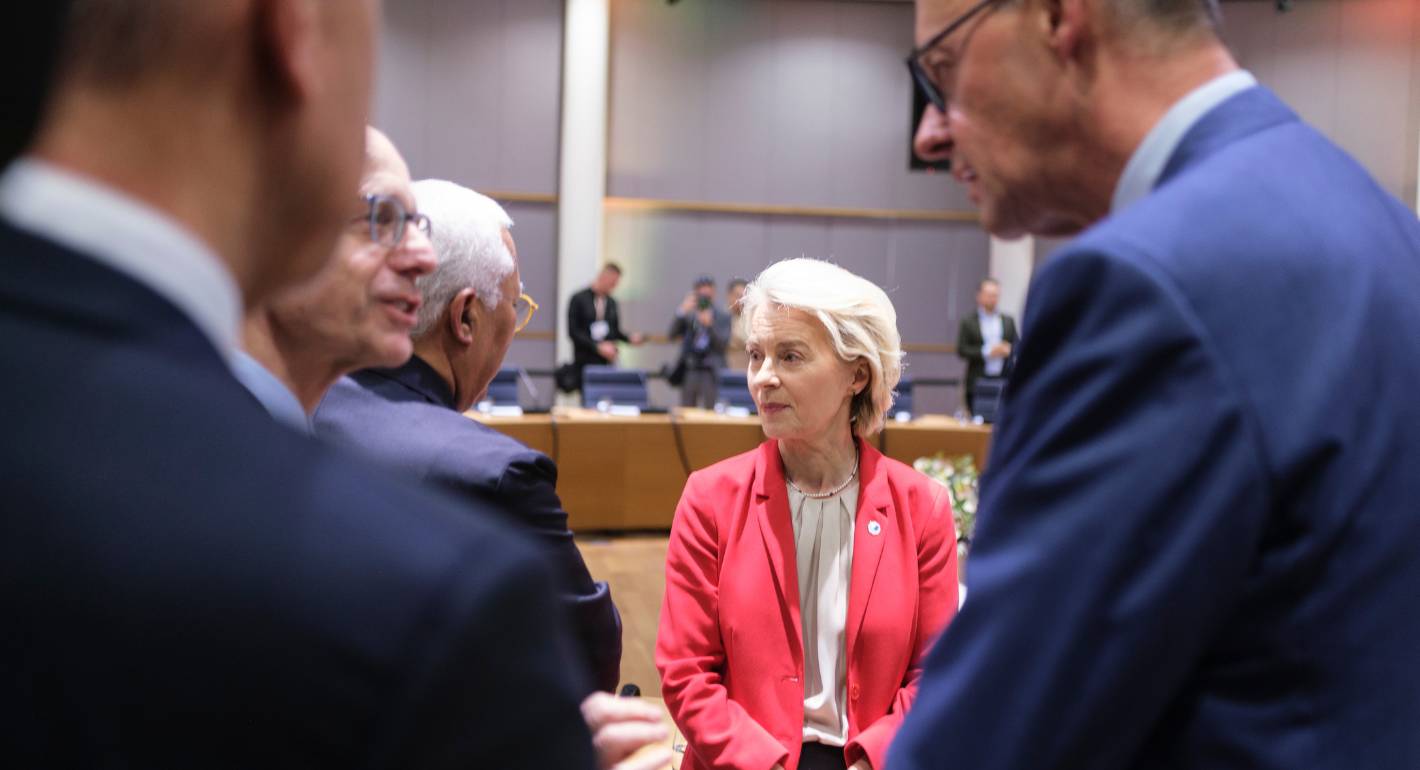
The war in Iran proves the United States is now a destabilizing actor for Europe and the Arab Gulf. From protect their economies and energy supplies to safeguarding their territorial integrity, both regions have much to gain from forming a new kind of partnership together.

Rym Momtaz
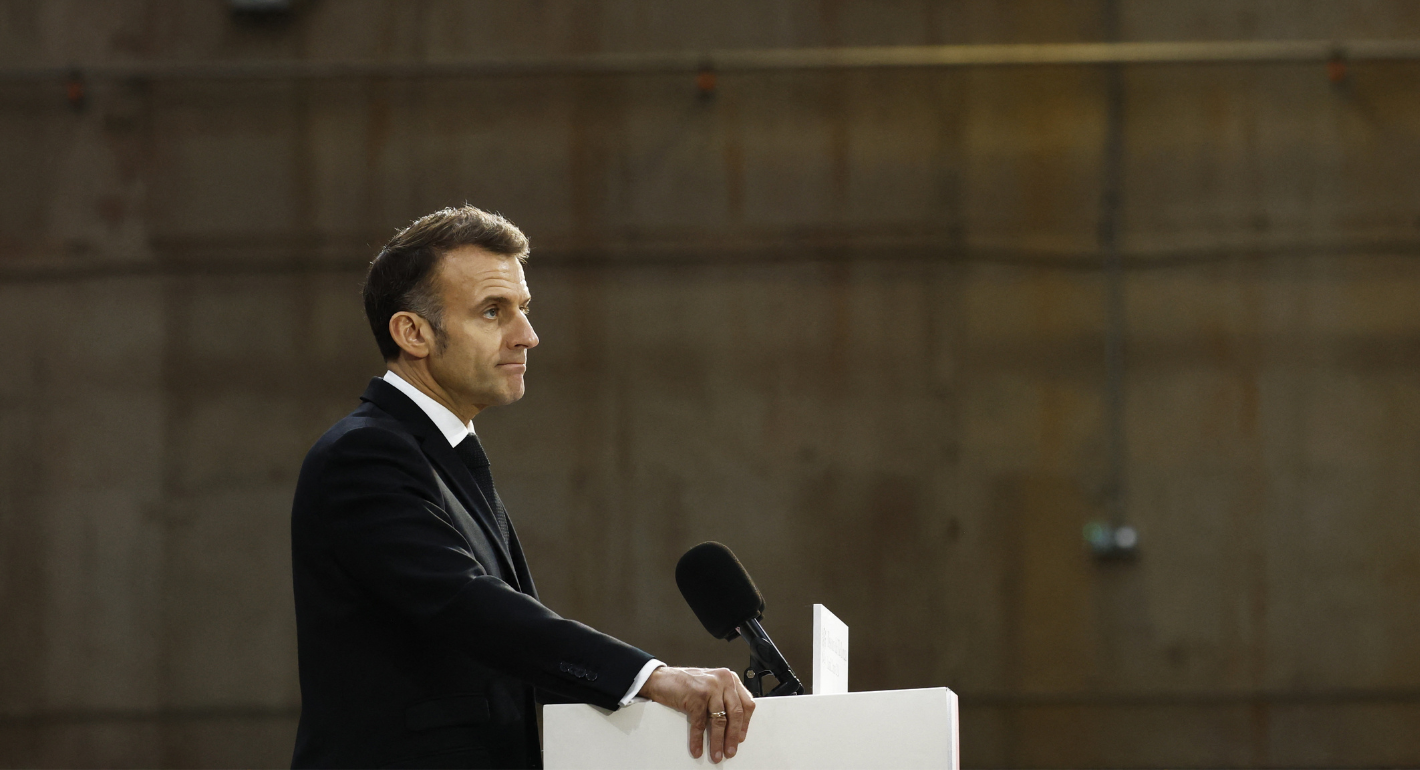
French President Emmanuel Macron has unveiled his country’s new nuclear doctrine. Are the changes he has made enough to reassure France’s European partners in the current geopolitical context?
Rym Momtaz, ed.
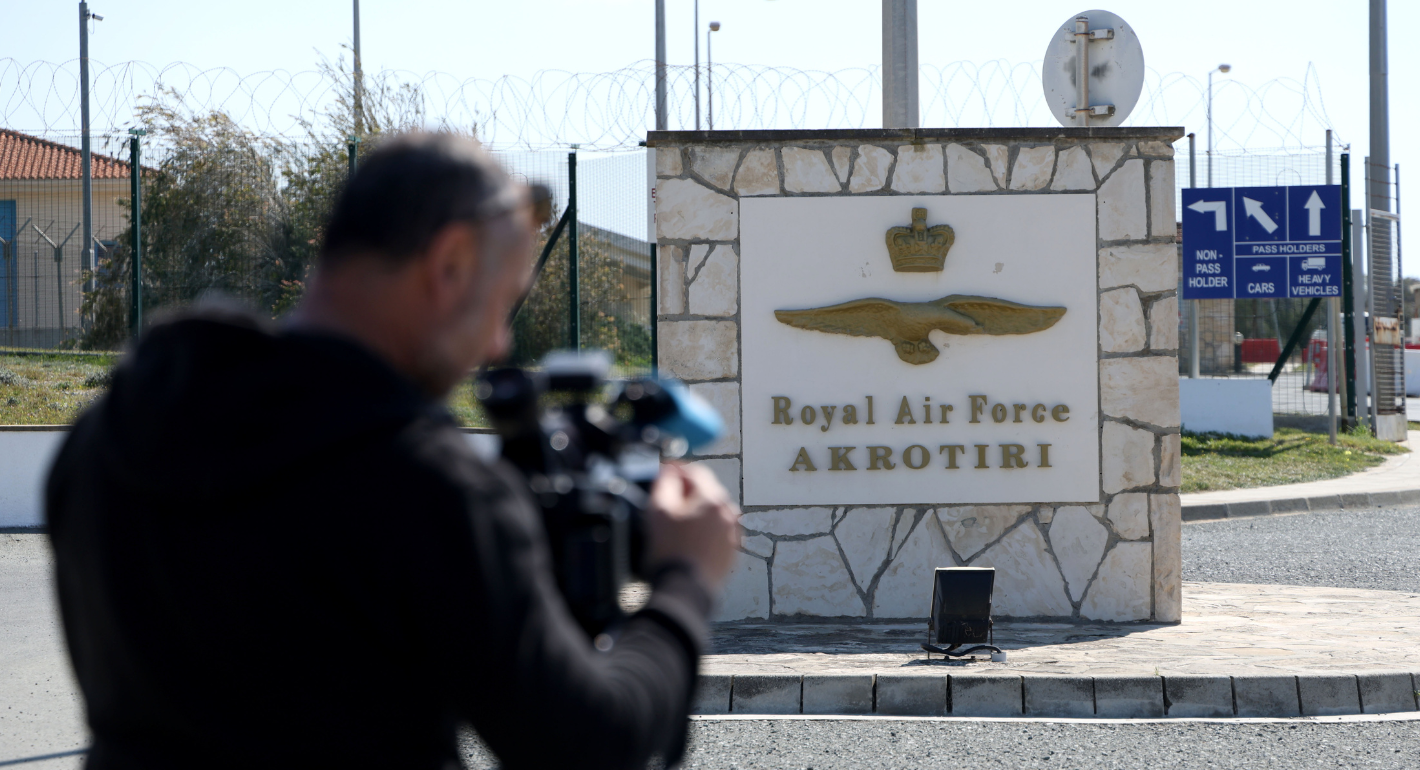
The drone strike on the British air base in Akrotiri brings Europe’s proximity to the conflict in Iran into sharp relief. In the fog of war, old tensions in the Eastern Mediterranean risk being reignited, and regional stakeholders must avoid escalation.

Marc Pierini