

Paper
Renad Mansour, Faleh A. Jabar
{
  "authors": [
    "Renad Mansour"
  ],
  "type": "legacyinthemedia",
  "centerAffiliationAll": "dc",
  "centers": [
    "Carnegie Endowment for International Peace",
    "Malcolm H. Kerr Carnegie Middle East Center"
  ],
  "collections": [],
  "englishNewsletterAll": "menaTransitions",
  "nonEnglishNewsletterAll": "",
  "primaryCenter": "Malcolm H. Kerr Carnegie Middle East Center",
  "programAffiliation": "MEP",
  "programs": [
    "Middle East"
  ],
  "projects": [],
  "regions": [
    "Türkiye",
    "Middle East"
  ],
  "topics": [
    "Political Reform"
  ]
}
Source: Getty
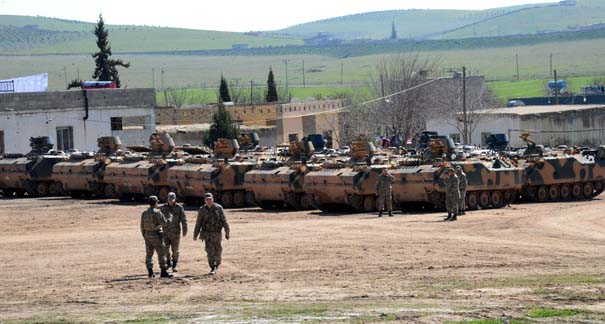
Turkey's perception of the Kurdish groups in northern Syria as an existential threat has been the driving force for its increased military involvement in Syria.
Source: Al Jazeera
Carnegie’s Renad Mansour spoke with Dareen Abu Ghaida on Al Jazeera’s Inside Story alongside President of the Middle East Research Institute Dlawer Ala'aldeen and Bilal Sumbar, professor of social sciences at Yildirim Beyazit University, to discuss Turkey's ramped up military invovlement in Syria.
Mansour argued that Turkey has been attacking Kurdish groups in northern Syria, such as the YPG, as it perceives them as a bigger existential threat than the Islamic State. According to Mansour, Turkey's actions in Syria are meant to stop any Kurdish advancements. He also believes that Turkey could reach out to former foes like Russia or the Assad regime to stop the Kurds from gaining territory. Mansour explained that it is doubtful that President Erdogan of Turkey will change course in Syria as he no longer needs Kurds as electoral allies and that even before the Syrian conflict, Turkey and the Syrian government were in agreement over the Kurdish issue.

Former El-Erian Fellow, Middle East Center
Mansour was an El-Erian fellow at the Carnegie Middle East Center, where his research focuses on Iraq, Iran, and Kurdish affairs.
Recent Work
Renad Mansour, Faleh A. Jabar
Renad Mansour
Carnegie does not take institutional positions on public policy issues; the views represented herein are those of the author(s) and do not necessarily reflect the views of Carnegie, its staff, or its trustees.

A summer of escalation in the Black Sea has hurt Ukraine economically and is exacerbating world food security. A truce is needed—as is a broader reframing of Europe’s Ukraine strategy.

Thomas de Waal

Over the past ten years, NATO has held almost as many summits as it did during the entirety of the Cold War. Are they still useful, or is it time to stop holding annual meetings?

Rym Momtaz, ed.

As the EU confronts profound challenges, several leaders have called for fundamental reform to the union’s model—but only modest, superficial changes have resulted. What if Europe really could be reimagined from zero today: What should such a redesigned European order look like?

Richard Youngs, ed.
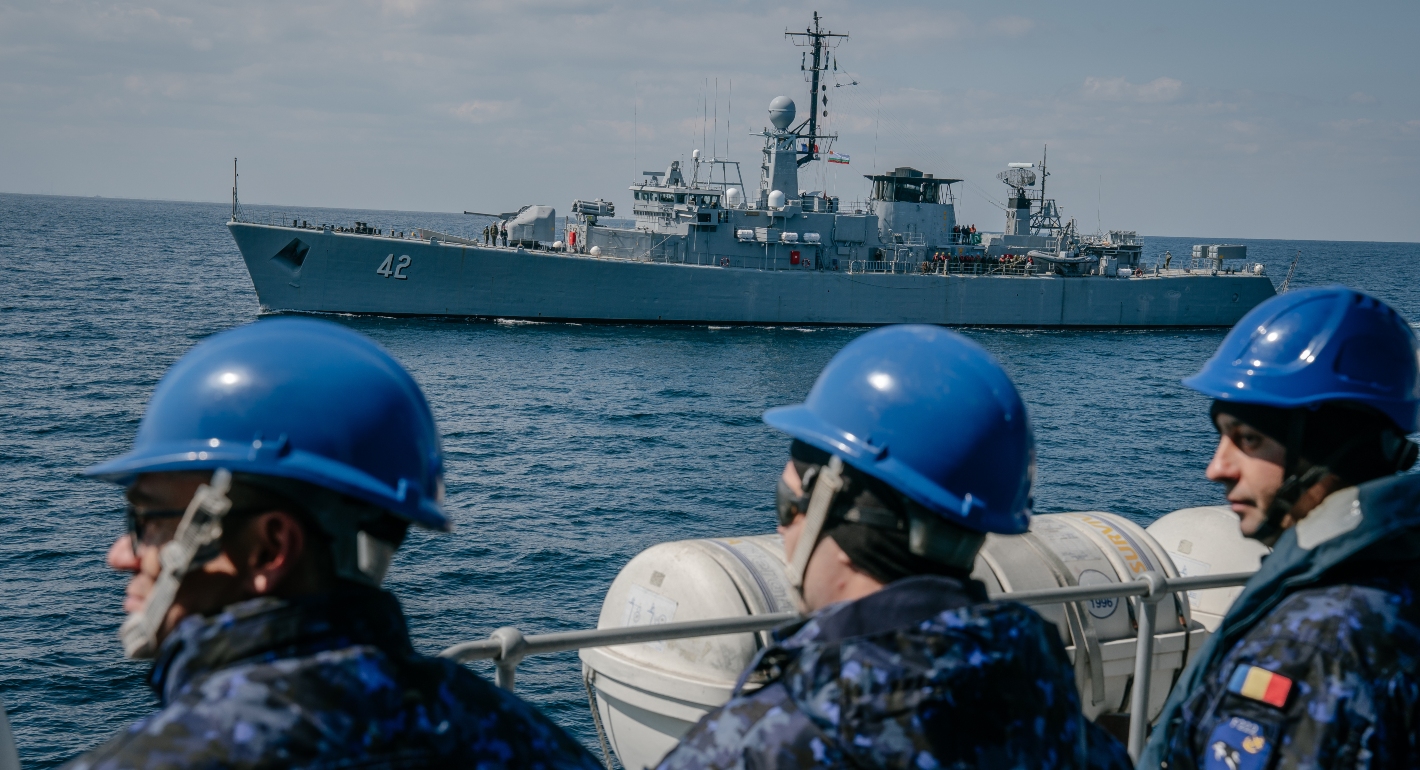
As Russia's war on Ukraine drags on, NATO is expanding its footprint in the Black Sea. Turkey, Romania, and Bulgaria are upgrading their fleets and deepening trilateral cooperation.

Dimitar Bechev
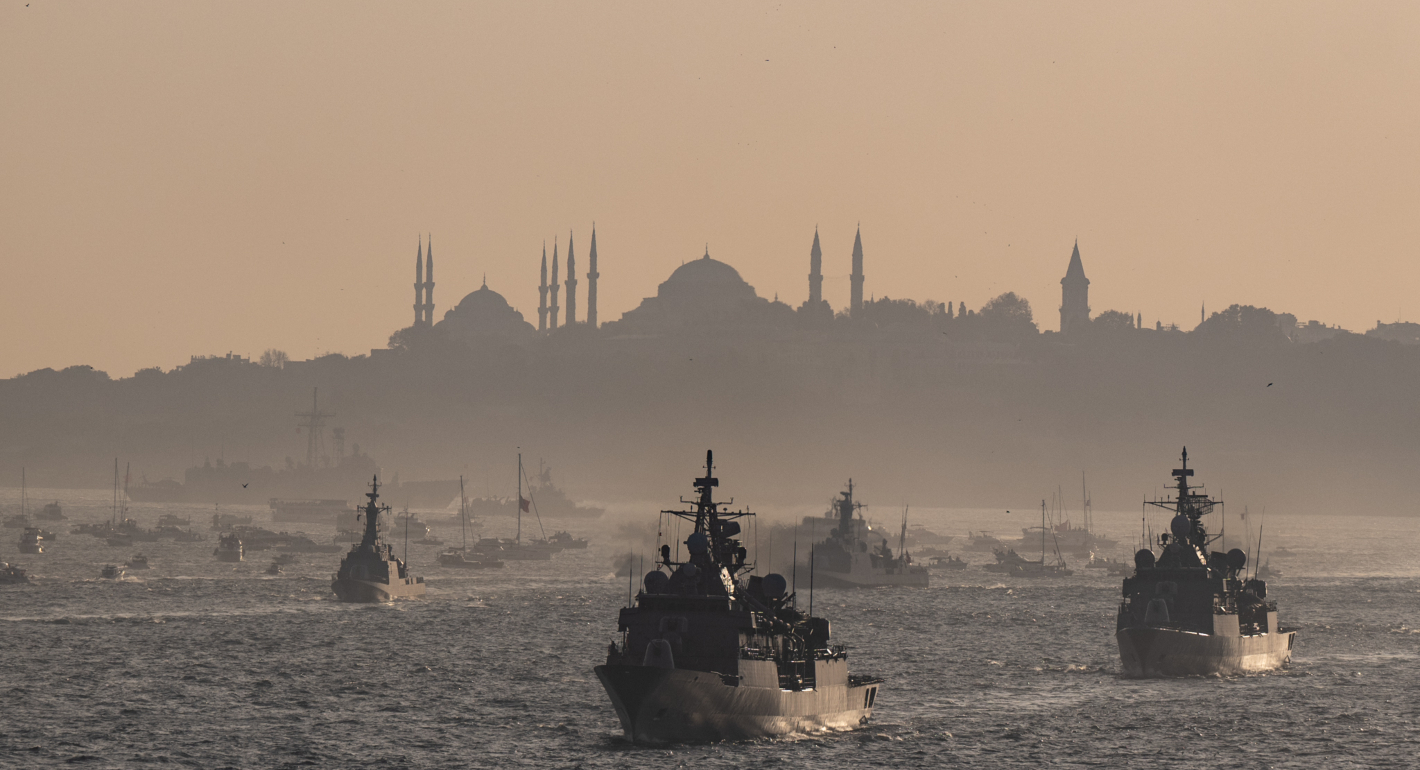
For ninety years, Turkey has been positioned as the principal gatekeeper of Black Sea security. As a result, European and NATO efforts to support Ukraine will require closer engagement with Ankara.
Thomas de Waal