

Research
- +6
Yasmine Farouk, Nathan J. Brown, Maysaa Shuja Al-Deen, …
{
  "authors": [
    "Intissar Fakir"
  ],
  "type": "other",
  "centerAffiliationAll": "dc",
  "centers": [
    "Carnegie Endowment for International Peace"
  ],
  "collections": [],
  "englishNewsletterAll": "menaTransitions",
  "nonEnglishNewsletterAll": "",
  "primaryCenter": "Carnegie Endowment for International Peace",
  "programAffiliation": "MEP",
  "programs": [
    "Middle East"
  ],
  "projects": [],
  "regions": [
    "North Africa",
    "Morocco"
  ],
  "topics": [
    "Political Reform",
    "Economy"
  ]
}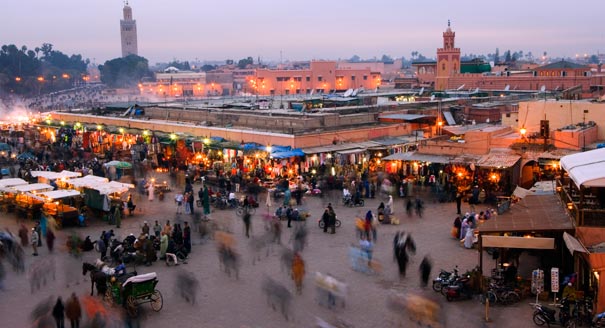
Source: Getty
The net effect of recent reforms and development programs in Morocco has been minimal, and that is largely by design.
Source: World Politics Review
For as long as many Moroccans can remember, they have been told that their country is moving toward reform. They have likewise heard about the government’s near-constant efforts to advance social and political development. But the net effect of these reforms and development programs, particularly in the political realm, has been minimal. That’s largely by design.
When King Mohammed VI ascended to the throne in 1999, he allowed greater freedoms of the press and enacted meaningful social reforms, such as the 2004 revision of the family code, which granted women greater rights and legal protections. He also oversaw efforts to address human rights violations committed during the rule of his father, Hassan II. Along with improving economic indicators, Morocco began to witness stronger respect for human rights and some social progress, including reduced poverty and infant mortality and improved literacy rates...
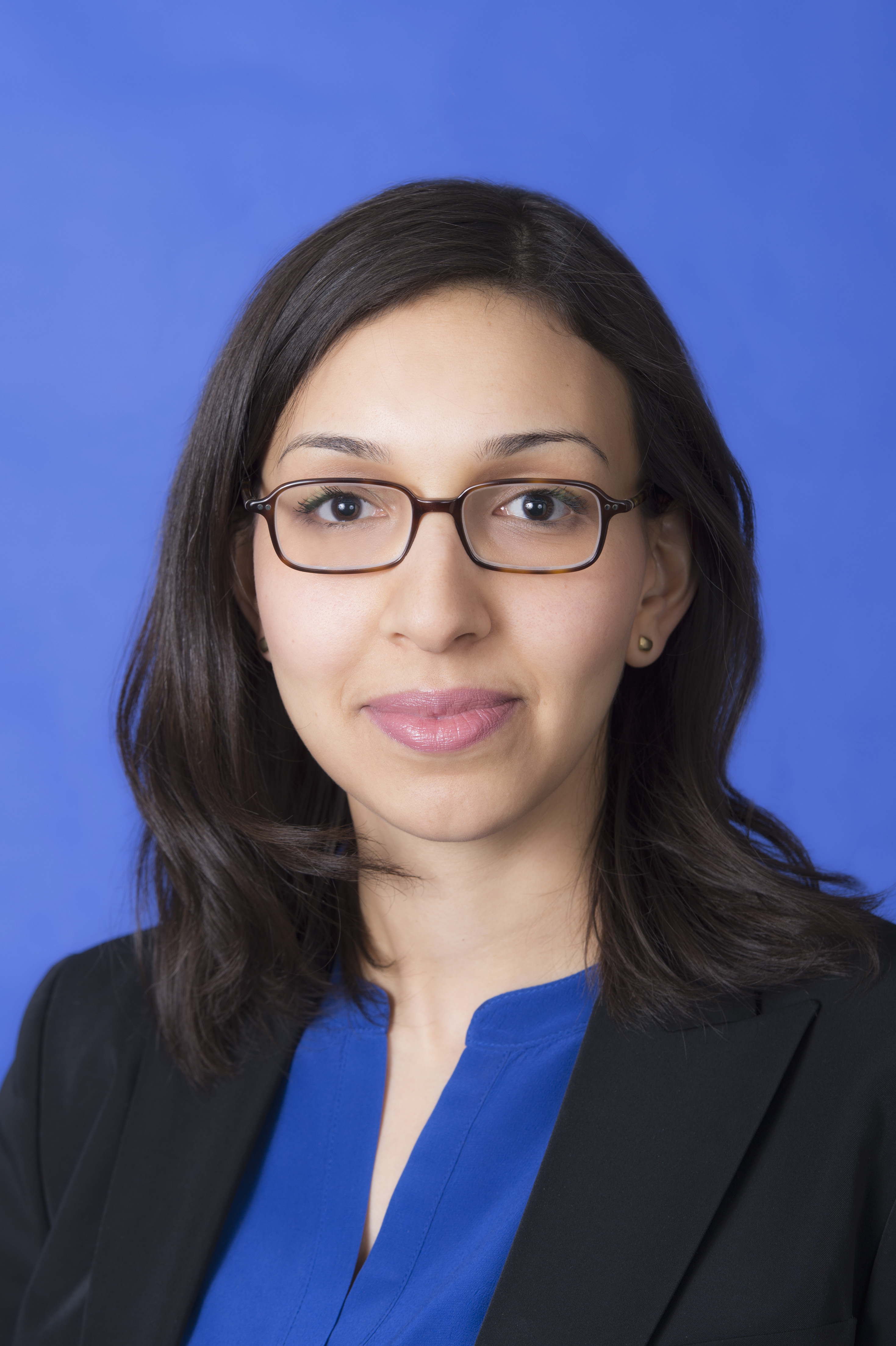
Former Fellow, Middle East Program, Editor in Chief, Sada
Intissar Fakir was a fellow and editor in chief of Sada in Carnegie’s Middle East Program.
Recent Work



Yasmine Farouk, Nathan J. Brown, Maysaa Shuja Al-Deen, …
Intissar Fakir
Carnegie does not take institutional positions on public policy issues; the views represented herein are those of the author(s) and do not necessarily reflect the views of Carnegie, its staff, or its trustees.

As the EU confronts profound challenges, several leaders have called for fundamental reform to the union’s model—but only modest, superficial changes have resulted. What if Europe really could be reimagined from zero today: What should such a redesigned European order look like?

Richard Youngs, ed.

As geopolitical rivalry weaponizes global supply chains, the EU’s true vulnerability lies in emerging-risk imports. For these goods, suppliers are growing more concentrated, substitution more difficult, and political risk is looming.

Sinan Ülgen

The EU is putting together a new security strategy to meet today’s myriad challenges. But for any proposal to be effective, the union needs to grapple with its identity and ambitions.

Pierre Vimont

The EU’s new migration policy is not suited to today’s realities. With climate change increasingly becoming a driver of displacement, Europe needs to rethink its deterrence-focused approach.

Shana Tabak
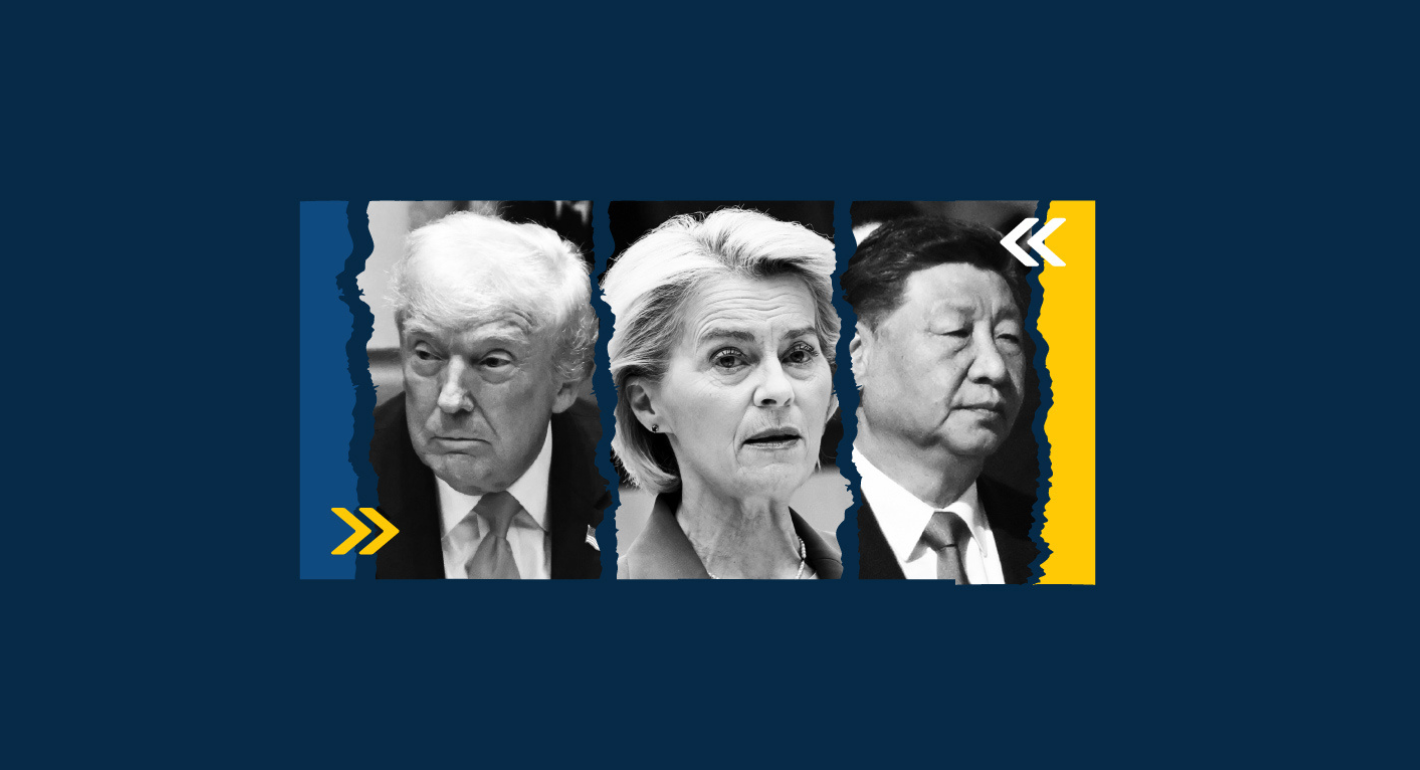
Between the United States’ market-driven approach and China's state-led industrial strategy, Europe is reckoning with how it can remain competitive in the global economy. But is Europe in danger of becoming a U.S. or China colony?
Noah Barkin, Anu Bradford