

In The Media
David Rothkopf
{
  "authors": [
    "David Rothkopf"
  ],
  "type": "legacyinthemedia",
  "centerAffiliationAll": "",
  "centers": [
    "Carnegie Endowment for International Peace"
  ],
  "collections": [],
  "englishNewsletterAll": "",
  "nonEnglishNewsletterAll": "",
  "primaryCenter": "Carnegie Endowment for International Peace",
  "programAffiliation": "",
  "programs": [],
  "projects": [],
  "regions": [
    "North America",
    "United States"
  ],
  "topics": [
    "Political Reform",
    "Democracy",
    "Security"
  ]
}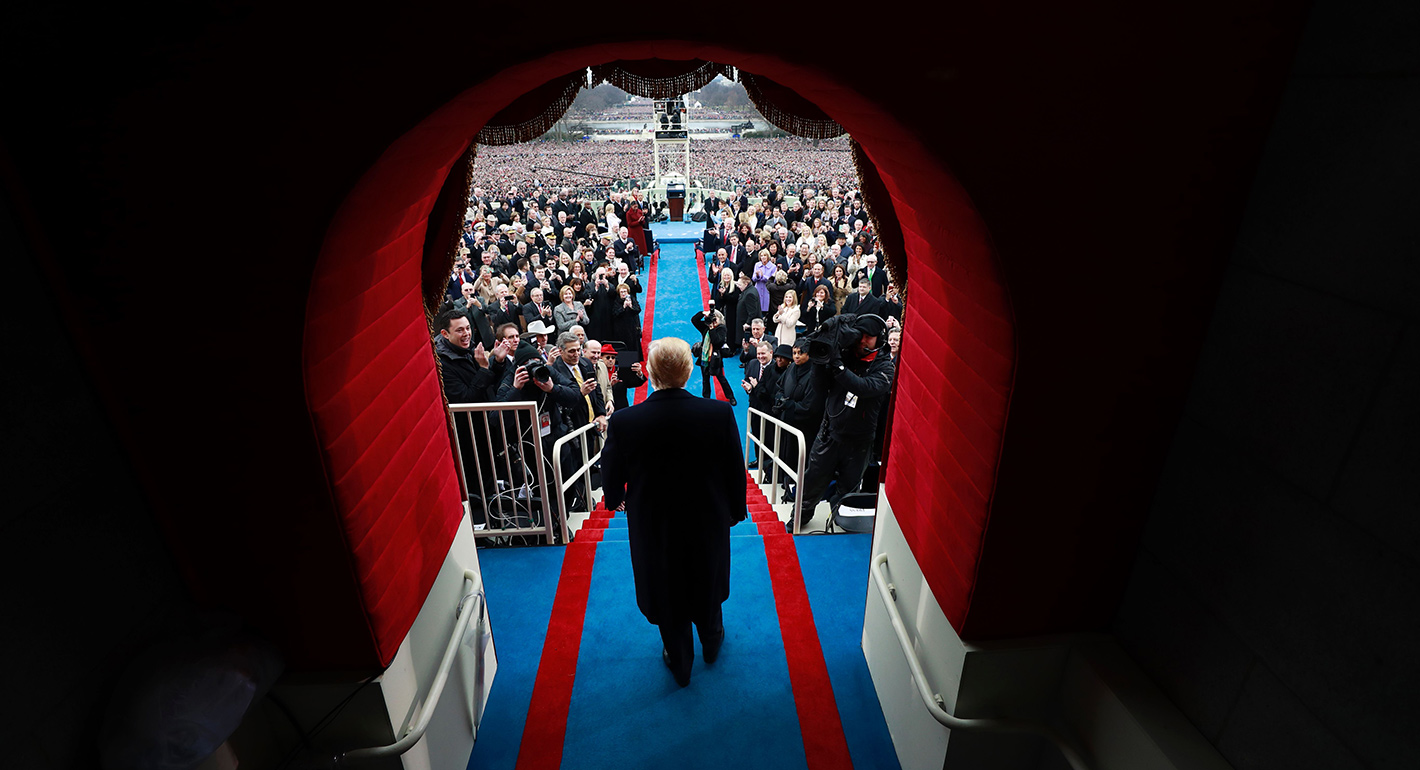
Source: Getty
If there was ever a president that needed a high-functioning National Security Council it is this one. The early signs as to whether he will have one, or whether he will listen to it even if he does, are not encouraging.
Source: Foreign Policy
In this, the 70th anniversary year of the establishment of the U.S. National Security Council (NSC), we have good news and bad news about this vital nerve center of the U.S. government out of the new administration. The good news is that — after a first week in office in which it was clear that there was little or no inclusive, government-wide decision-making process on any of the White House’s major moves — we now know that they have actually started to give thought to just such a process. The bad news is that the president continues to show little understanding of how such processes are supposed to work and bad judgment about who should be involved in them.
The past week has been an excellent case in point on the dangers of not having a process by which executive branch decisions are arrived at through consultation with senior officials within Cabinet agencies (not to mention with Congress or other sources of expertise). From the Executive Order on Friday of the president’s un-American, ill-considered, and badly executed suspension of U.S. refugee programs and ban on admission to foreign nationals from seven predominantly Muslim nations to the continuing damage being done to America’s global standing as a consequence of the commander-in-chief’s itchy Twitter finger, the dangers of shoot-from-the-lip government were once again revealed.
According to a CNN report, Secretary of Homeland Security John Kelly did not see the Executive Order regarding refugees and the Muslim ban-lite, until shortly before it was issued. (Despite a denial from the administration that the order amounted to a Muslim ban, close Trump pal and advisor Rudy Giuliani indicated that the origins of this weekend’s action were an expressed desire by the president to craft just such a program targeting Muslims.) The result is that neither Kelly nor the agency he runs was able to prepare to implement the ban.
Chaos reigned at American airports, where arrivals from these countries — including some who had supported the U.S. military in Iraq and others who had special visa clearances and had been carefully vetted — were turned away. Of course, beyond such purely practical matters, the absence of a broad policy development process where multiple voices are heard and active debate of pros and cons takes place (as was the intention behind the creation of the NSC with the National Security Act of 1947) increases the likelihood that one ends up with extreme, ill-considered, very likely illegal, and certainly mean-spirited policies — contrary to the American spirit and our traditions. This is exactly what happened with Trump’s orders this weekend. But in this administration, according to many sources — including some at the State and Defense Departments — no such process has taken place on virtually any issue of importance.
One might argue it is early days. But the reality is that the transition period could have been a time for consultation and preparation. It was not.
The transition will almost certainly go down in history as the most badly executed and chaotic in modern American history, as has been reported and noted previously here at Foreign Policy. Even though senior officials are not yet in place in key agencies (due as much to delays in appointing deputies and next-level officials from the Trump team as to hold-ups in Congress) consultation could have taken place with “acting” officials from the agencies to at least ensure legal precautions were taken and that implementation was practicable. But no, there was none of that. And that’s to say nothing of the off-the-cuff elements of Trump’s foreign policy, as occurred when the president escalated a growing problem surrounding the impending visit of Mexican President Enrique Peña Nieto with an ill-considered, early-morning tweet that resulted in the cancellation of his visit — starting off on a very wrong foot a relationship with our important neighbor to the south.
Trump seems to believe that it is appropriate for him to make foreign policy on the fly. Sometimes he seems as though he does not understand that is what he is doing — that indeed, everything a president does is foreign policy. His continued attacks on the U.S. press send the message to despots everywhere that such affronts are now okay in the eyes of the world’s most powerful nation and its leading democracy. This has a chilling effect on the advance of the values that have long been central to U.S. foreign policy, and that specialists from both parties have long believed were strongly in the U.S. national interest.
The presidential memorandum about the NSC suggests at least that Trump’s team may undertake something of a more traditional, perhaps slightly more disciplined process — although there is little in the president’s history to suggest he will have the patience or open-mindedness to actually reap the benefits such processes, well-run, typically provide.
This is where the bad news comes in. In Trump’s NSC directive, he tipped his hand about how he views the process. He established that two vital members of his national security team — the chairman of the Joint Chiefs of Staff and the director of national intelligence — would be “as needed” members of the Principals Committee of the NSC, joining discussions only when their expertise was requested. This is a departure from past practice, as the last two administrations made them permanent members. Given the sometimes fluid nature of NSC meetings, where discussions and topics can change in real time, not having them in the room will mean that their expertise and views will not be taken into consideration. Given that one of these individuals is the senior member of the U.S. military and the other is mandated to be the head of the U.S. intelligence community, it is difficult to imagine any national security discussions that would not benefit from their perspectives and involvement.
Worse — much worse, in my view — the president decided to give a permanent seat at the National Security Council table to his chief strategist and senior counselor, Stephen Bannon. Bannon, formerly the publisher of an extreme right-wing, often racist and sexist website called Breitbart, not only has very limited U.S. government experience, he has almost no relevant experience with any aspect of high-level national security decisionmaking (beyond a master’s degree and a seven-year stint in the Navy, some three decades ago). Combine that with the egregious lack of character his exploits at Breitbart illustrate and his past radical statements — like the instance in which he characterized himself as a “Leninist” seeking to bring down the entire system of the U.S. government — and you have precisely the sort of person who has no business at all being at an NSC meeting. But even if you were to set aside such profound character flaws and gaps in experience, the idea that a purely political advisor should be at the table while the chairman of the Joint Chiefs of Staff and the director of national intelligence are not shows a profound lack of understanding of what the NSC has been — or what it should be.
The National Security Council was created in the wake of World War II to ensure that the president not only had the best advice of his Cabinet, but that once a presidential decision was made on how to act, that the agencies of the U.S. government could implement it in an effective and efficient way. For the NSC to work properly, you need the right people at the table, a well-managed process where all feel they have a fair say, and a president that will respect that process. The Trump NSC will not have the right people at the table. National Security Advisor Flynn, who is supposed to manage that process, was at least until recently under FBI investigation for his too cozy relationship with the Russian government. Just as bad, he has a reputation for being a “my way or the highway” manager during his tenure running the Defense Intelligence Agency. Add to all this a president who has no experience in foreign policy, is alarmingly impulsive and seemingly allergic to advice, especially that which might run contrary to his own views, and is inclined to pursue policies that could be damaging to the United States (as we have seen from Mexico to the refugee fiasco, from China to Russia), and you have a recipe for disaster.
In other words, if there was ever a president that needed a high-functioning National Security Council it is this one. The early signs as to whether he will have one or whether he will listen to it even if he does are not encouraging.
Former Visiting Scholar
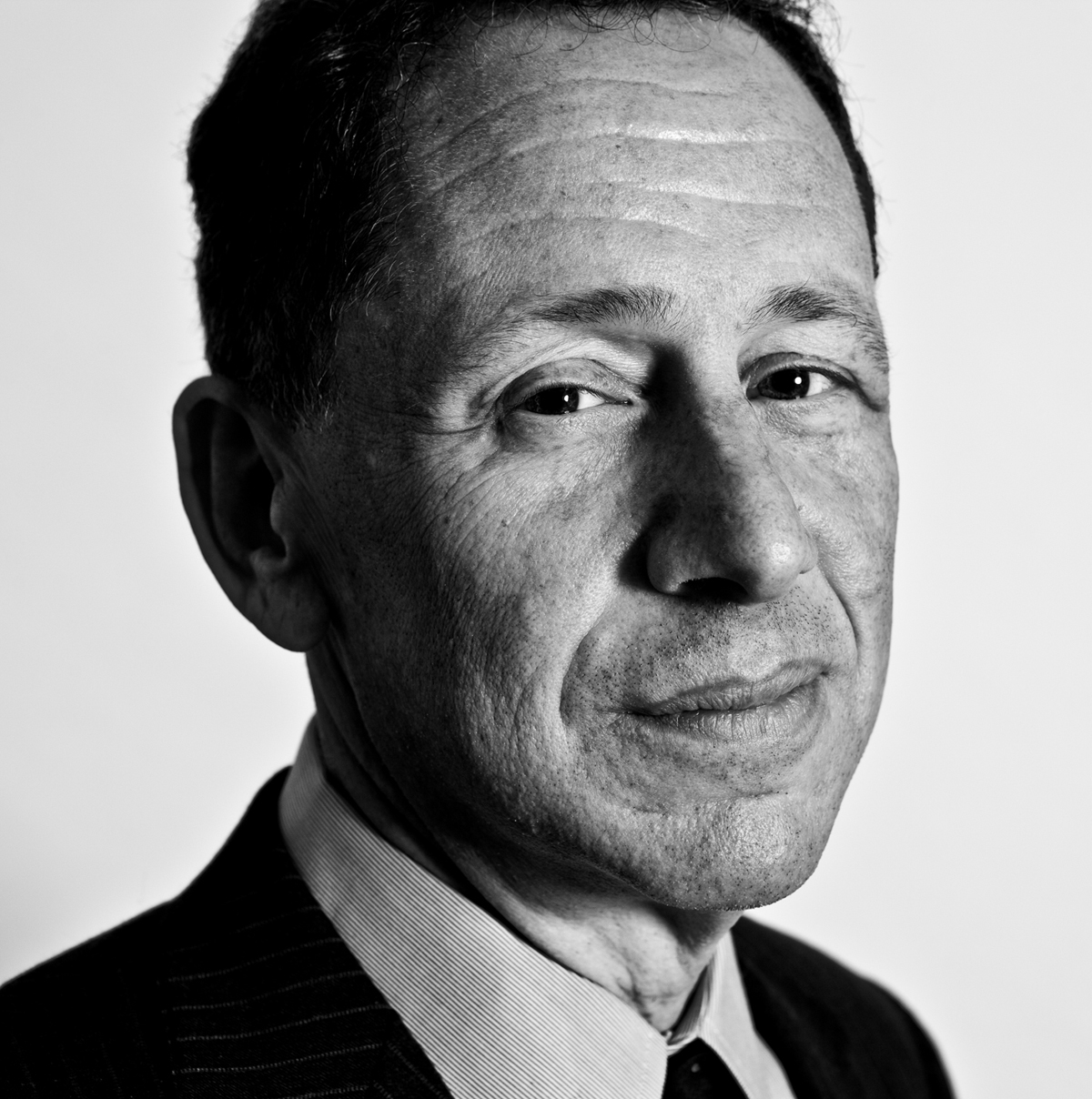
David Rothkopf was a visiting scholar at the Carnegie Endowment as well as the former CEO and editor in chief of the FP Group.
Recent Work
David Rothkopf
David Rothkopf
Carnegie does not take institutional positions on public policy issues; the views represented herein are those of the author(s) and do not necessarily reflect the views of Carnegie, its staff, or its trustees.

Trump is distracted and Ukraine wants Europe to step up. The continent’s leaders must find their voice and assert it in talks with Russia.

Alissa de Carbonnel

Mounting economic strain and battlefield losses will not necessarily make the Kremlin less dangerous. They could instead push Moscow toward a more aggressive hybrid campaign designed to test NATO’s Eastern flank, exploit allied hesitation, and fracture European resolve.

Maksym Beznosiuk
Over the past ten years, NATO has held almost as many summits as it did during the entirety of the Cold War. Are they still useful, or is it time to stop holding annual meetings?

Rym Momtaz, ed.

As the EU confronts profound challenges, several leaders have called for fundamental reform to the union’s model—but only modest, superficial changes have resulted. What if Europe really could be reimagined from zero today: What should such a redesigned European order look like?

Richard Youngs, ed.
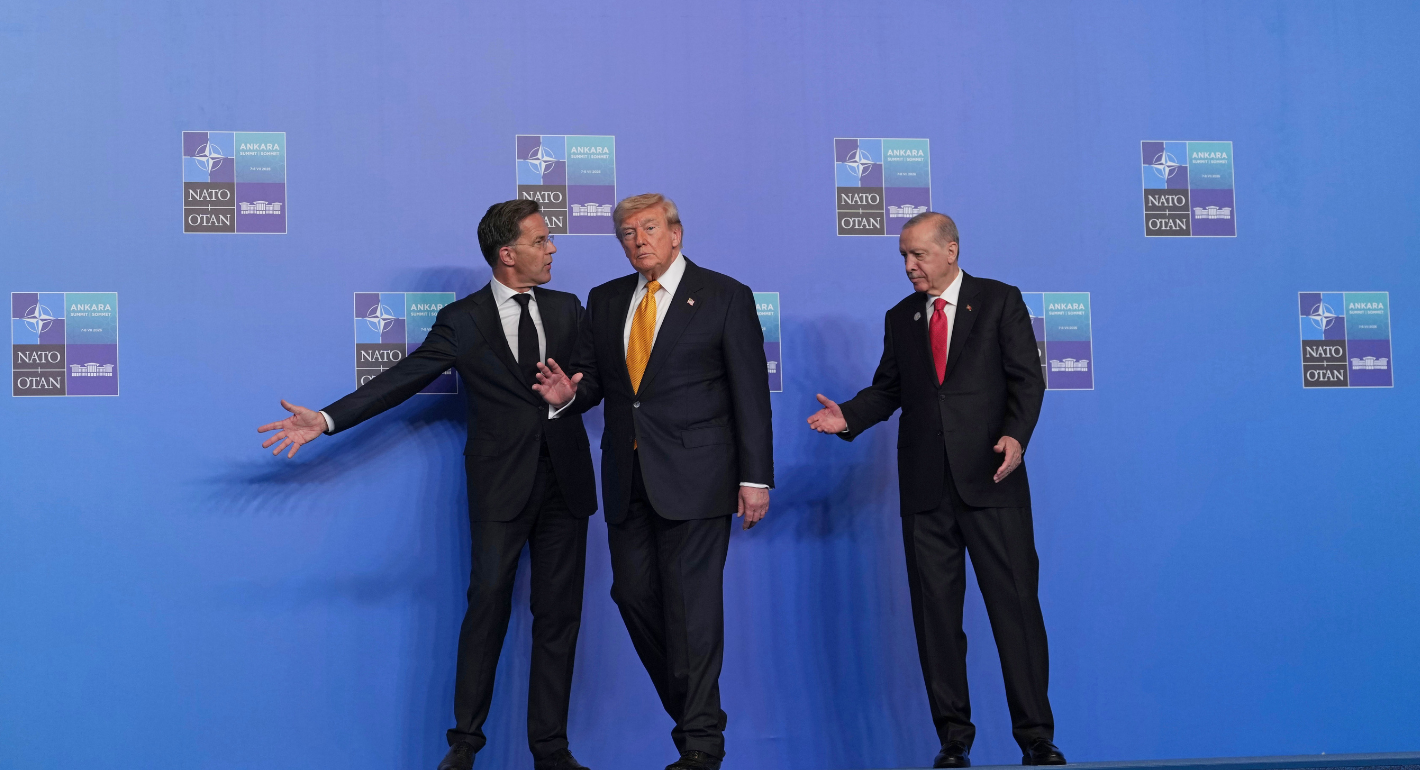
Nearly a year and a half after Europeans leaned into sucking up to Trump, the strategy has produced some benefits when it comes to Ukraine.
Rym Momtaz