

Commentary
With its public finances in shambles, the far right polling at 35 percent ahead of the 2027 presidential election, and a growing protest movement, is France’s crisis a threat to the EU’s geopolitical awakening?
Rym Momtaz, ed.
{
  "authors": [
    "Arushi Kumar"
  ],
  "type": "legacyinthemedia",
  "centerAffiliationAll": "",
  "centers": [
    "Carnegie Endowment for International Peace",
    "Carnegie India"
  ],
  "collections": [],
  "englishNewsletterAll": "",
  "nonEnglishNewsletterAll": "",
  "primaryCenter": "Carnegie India",
  "programAffiliation": "",
  "programs": [],
  "projects": [],
  "regions": [
    "South Asia",
    "Afghanistan",
    "India"
  ],
  "topics": [
    "Foreign Policy",
    "Security"
  ]
}
Source: Getty
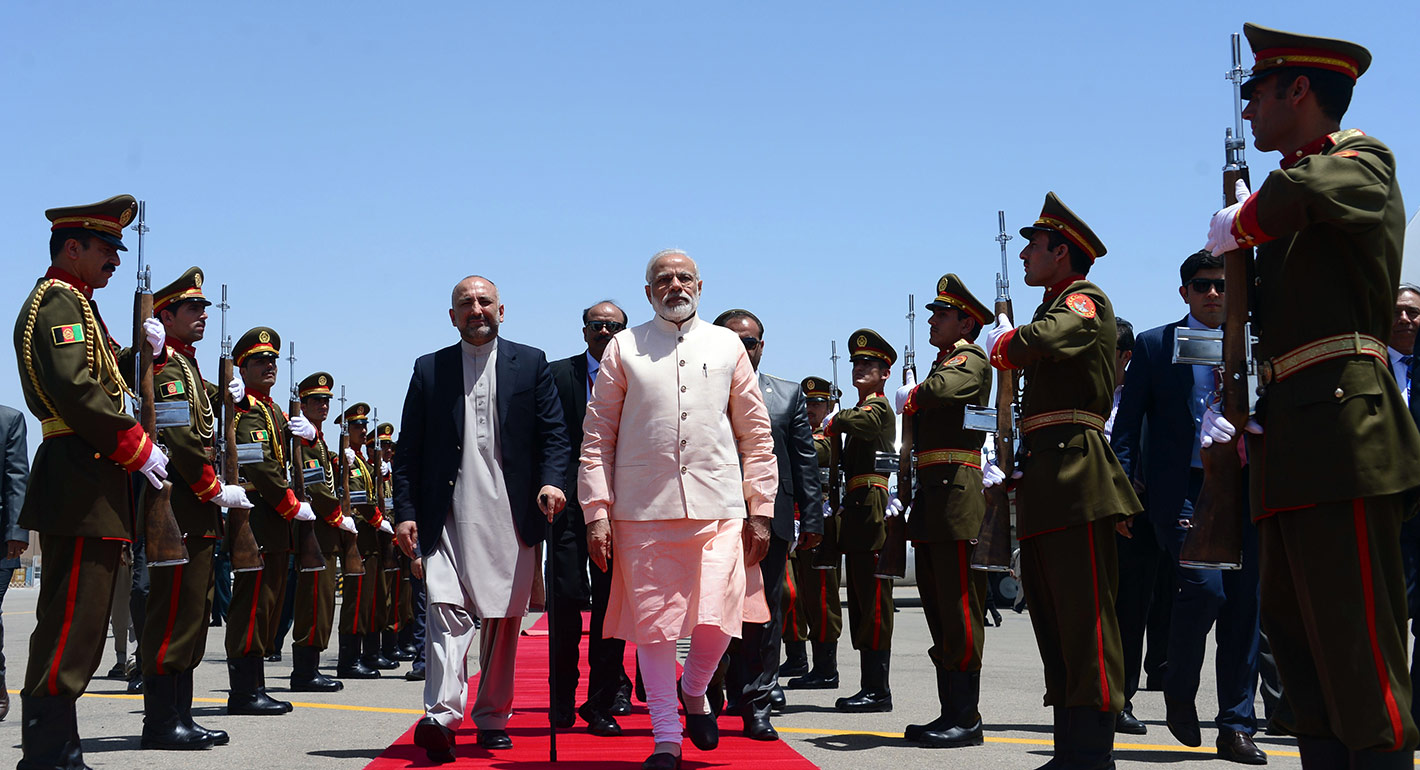
Donald Trump’s presidency presents an unexpected opportunity for India in its continued efforts to stabilize Afghanistan.
Source: Diplomat
Donald Trump’s presidency presents an unexpected opportunity for India in its continued efforts to stabilize Afghanistan. As Western forces reduce their presence on Afghan soil and the formidable Haqqani-Taliban combination consolidates control over increasingly larger areas, the Afghan government’s position continues to diminish. The Trump administration brings with it the opportunity to make a concrete shift in policy to deal with the challenges that threaten to undo the progress made in Afghanistan over the last decade and a half. Given President Donald Trump, Secretary of Defense Gen. James Mattis, and National Security Advisor Lt. Gen. Michael Flynn’s statements on Afghanistan, the incoming administration may push for increased troop levels in Afghanistan and confront Pakistan over its role as the major destabilizing force in South Asia.
Arushi Kumar
Carnegie does not take institutional positions on public policy issues; the views represented herein are those of the author(s) and do not necessarily reflect the views of Carnegie, its staff, or its trustees.

With its public finances in shambles, the far right polling at 35 percent ahead of the 2027 presidential election, and a growing protest movement, is France’s crisis a threat to the EU’s geopolitical awakening?

Rym Momtaz, ed.

Ahead of a tough winter for Ukraine, Donald Trump’s swing back toward Russia bodes ill. But instead of panicking, Kyiv’s European allies are focusing on action.
Rym Momtaz

Funding Ukraine remains a priority for European leaders. As Russia’s war of aggression heads into another winter, two feasible options to mobilize support for Kyiv should be fast-tracked.


Vladyslav Rashkovan, Gregory P. Wilson

While the EU and European governments are embracing the much-lauded middle-power moment, this entails three difficult conundrums.

Richard Youngs

Europe is facing rising populism internally as well as external pressures from Russia, China, Turkey, and the United States.

Dimitar Bechev