

Research
- +11
Frances Z. Brown, Nate Reynolds, Priyal Singh, …
{
  "authors": [
    "Andrew S. Weiss"
  ],
  "type": "legacyinthemedia",
  "centerAffiliationAll": "dc",
  "centers": [
    "Carnegie Endowment for International Peace"
  ],
  "collections": [],
  "englishNewsletterAll": "ctw",
  "nonEnglishNewsletterAll": "",
  "primaryCenter": "Carnegie Endowment for International Peace",
  "programAffiliation": "russia",
  "programs": [
    "Russia and Eurasia"
  ],
  "projects": [],
  "regions": [
    "North America",
    "United States",
    "South Asia",
    "Afghanistan",
    "Russia"
  ],
  "topics": [
    "Security",
    "Foreign Policy"
  ]
}
Source: Getty
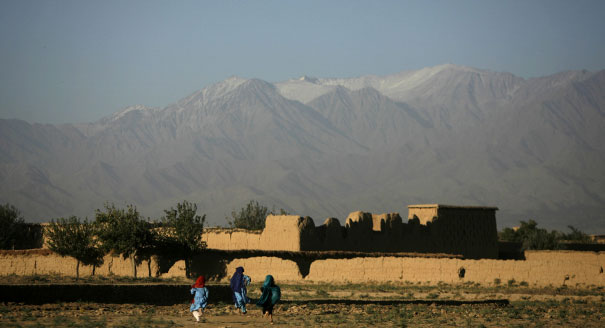
Russia seeks to build a diplomatic profile in Afghanistan that circumvents the West and the government of Afghanistan in an attempt to undermine the U.S.- and NATO-led peace effort.
Source: WBUR’s Here & Now
Last week, Senator John McCain said that Russia is propping up the Taliban to undermine U.S. efforts in Afghanistan. Speaking on WBUR, Carnegie’s Andrew Weiss explained the motivation behind Russia's presence in Afghanistan:
“We’re talking about harassment and efforts by the Russians to undermine the United States- and NATO-led military effort [in Afghanistan]. What we’ve seen in recent days is the Russians trying to build a diplomatic profile on Afghanistan that circumvents what the U.S.-led effort is about and circumvents the government of Afghanistan itself... They’re building bridges to the Taliban, the radical group which ruled Afghanistan before the U.S. military intervention in 2001. And they’re trying to legitimize the Taliban.”
This interview was originally broadcast on WBUR’s Here & Now.
James Family Chair, Vice President for Studies
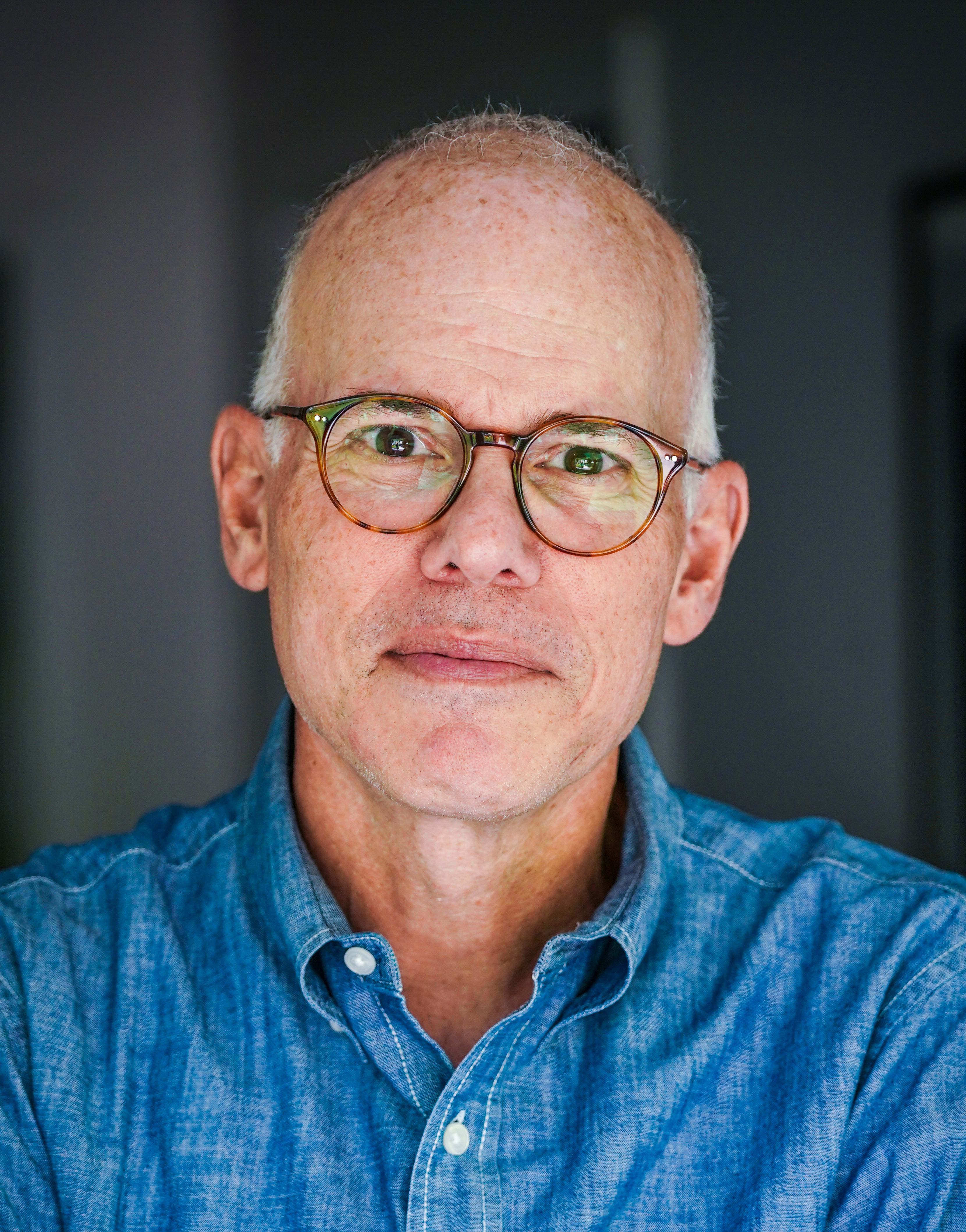
Andrew S. Weiss is the James Family Chair and vice president for studies at the Carnegie Endowment for International Peace, where he oversees research on Russia, Ukraine, and Eurasia. His graphic novel biography of Vladimir Putin, Accidental Czar: the Life and Lies of Vladimir Putin, was published by First Second/Macmillan in 2022.
Recent Work

Frances Z. Brown, Nate Reynolds, Priyal Singh, …

James M. Acton, Saskia Brechenmacher, Cecily Brewer, …
Carnegie does not take institutional positions on public policy issues; the views represented herein are those of the author(s) and do not necessarily reflect the views of Carnegie, its staff, or its trustees.
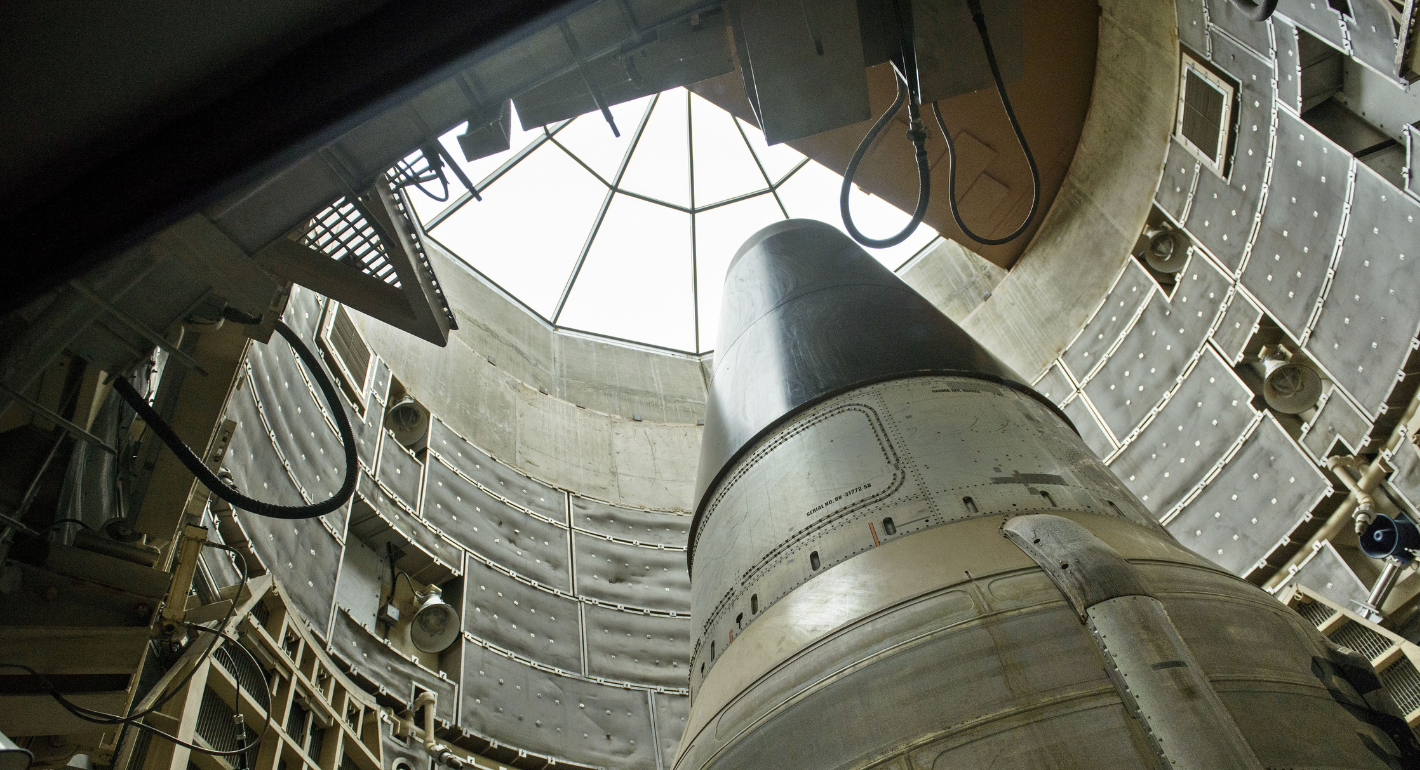
Amid uncertainty caused by the Iran war, the global drive for nonproliferation has stalled. With Europe diplomatically marginalized and countries reassessing their nuclear options, efforts to curb the spread of nuclear weapons risk becoming irrelevant.

Jane Darby Menton
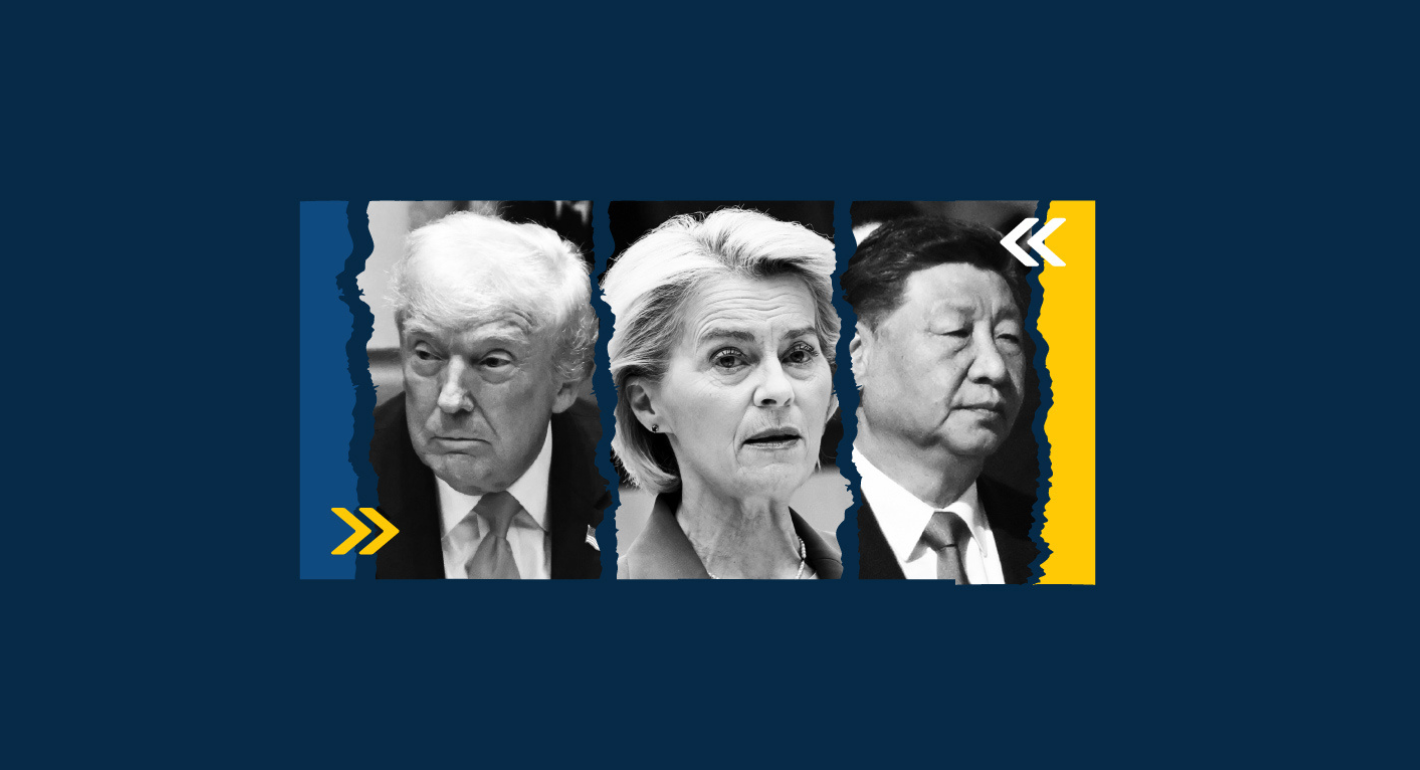
Between the United States’ market-driven approach and China's state-led industrial strategy, Europe is reckoning with how it can remain competitive in the global economy. But is Europe in danger of becoming a U.S. or China colony?
Noah Barkin, Anu Bradford
The full list of humiliations Europe has endured since Donald Trump returned to the White House makes for grim reading. But Washington’s adversarial approach to its allies undermines its own power base.

Rym Momtaz
The closure of the Strait of Hormuz has triggered a global energy crisis, but Europe is stuck in reaction mode. Without more strategic foresight, the EU will remain dependent on fossil fuels and will never be truly secure.

Milo McBride, Pauline Gerard
Debate is heating up on how Turkey could be integrated into a common European defense framework. Commercial and industrial deals offer a better chance at alignment than sweeping political efforts.

Marc Pierini