

Report
- +2
George Perkovich, Jessica Tuchman Mathews, Joseph Cirincione, …
{
  "authors": [
    "Jon Wolfsthal"
  ],
  "type": "other",
  "centerAffiliationAll": "dc",
  "centers": [
    "Carnegie Endowment for International Peace"
  ],
  "collections": [],
  "englishNewsletterAll": "ctw",
  "nonEnglishNewsletterAll": "",
  "primaryCenter": "Carnegie Endowment for International Peace",
  "programAffiliation": "NPP",
  "programs": [
    "Nuclear Policy"
  ],
  "projects": [],
  "regions": [],
  "topics": [
    "Nuclear Policy",
    "Arms Control"
  ]
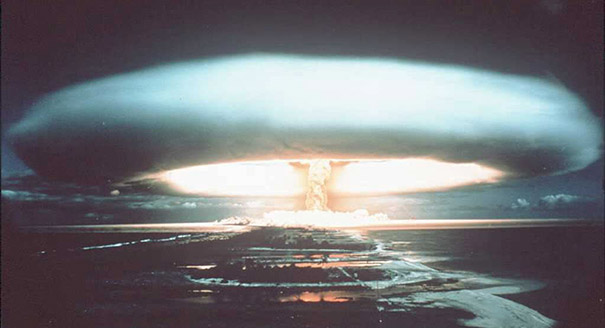
}
Source: Getty
An initial read of the first Draft Convention on the Prohibition of Nuclear Weapons raises new questions on implementation, testing, and more.
Source: Arms Control Wonk
Long time reader, first time Wonker. My thanks to the Wonk-Supreme for allowing me to contribute.
The president of the negotiations for a nuclear weapons ban convention has just released her first draft of the proposed treaty. As will become readily apparent, I am not an expert on international law, but I am a keenly-interested observer of the effort to negotiate a ban on nuclear weapons. I am also an admitted ban skeptic, not because I want to keep nuclear weapons but because I have am concerned the ban diverts scarce resources and attention from readily-identified blockages to nuclear reduction and elimination. However, as a life-long supporter of nuclear reductions and disarmament, I support efforts to harness global frustration with the pace of nuclear elimination to advance disarmament in a way that advances global security. So if there is to be a ban, I want it to be additive. An initial read of the just released draft text raises new questions and concerns, some more important and less easily resolved than others. Keeping in mind a first draft is just that, a first draft and will undoubtedly be improved and clarified as talks continue, my concerns and questions fall into the following categories:
1) Stationing – NATO countries agree to share the burden of nuclear deterrence in a variety of ways. One is that some NATO countries agree to station forward deployed nuclear weapons on their territory to enhance the credibility of reassurance and deterrence. The draft treaty would prohibit this by banning any member state from allowing nuclear weapons to be stationed on their territory. I have long supported the withdrawal of forward deployed nuclear weapons form NATO as part of a verified agreement with Russia to return its own tactical nuclear weapons to central storage. However, the ban treaty would put NATO states at an immediate disadvantage and without Russia having to modify its deployments or verify their storage away from the battlefield. Already skeptical of the realism of the ban convention, this clause will add to the concern the United States and NATO countries have expressed toward the ban. If the Treaty enters into force, could a country seek a new legal ruling from the International Court of Justice (ICJ) that NATO states with nuclear weapons on their territory are violating international law? Would they have to choose between compliance with a ruling and NATO membership?
2) Testing – Article I of the draft treaty duplicates the language of the Comprehensive Nuclear Test Ban: “Each state undertakes never under any circumstances to . . . [c]arry out any nuclear weapon test explosion or any other nuclear explosion.” While the authors almost certainly intended to be supportive of efforts to ban testing, the terms of the CTBT are embedded in a specific framework that includes provisions for monitoring and on-site inspection, establishment of the Comprehensive Test Ban Organization, the International Monitoring System, and an understanding among the nuclear weapons states regarding permitted activities such as subcritical nuclear testing. Replicating the language here creates an uncertain relationship between the two obligations, raising the possibility that the ban treat will do harm to CTBT.
3) The Nonproliferation Treaty (NPT) and the Ban – Article 19 of the draft treaty states that the “[c]onvention does not affect the rights and obligations of the States Parties under the Treaty on the Non-Proliferation of Nuclear Weapons.” The NPT recognizes that states who conducted a nuclear test before 1967 will continue to possess nuclear weapons and “[e]ach of the Parties to the Treaty undertakes to pursue negotiations in good faith on effective measures relating to cessation of the nuclear arms race at an early date and to nuclear disarmament, and on a treaty on general and complete disarmament under strict and effective international control.” If the ban convention enters into force and takes on the weight of a new international legal norm that would apply even to states who have not joined the agreement, then would the NPT’s allowance of nuclear possession stand or be reversed? Can the ICJ find nuclear possession by NPT nuclear weapon states illegal? This is not a criticism of the draft text, but a serious question that would need extensive analysis by legal scholars and would need to be reflected in the negotiations. It is also a central concern of most, if not all nuclear weapon states and their treaty allies with regard to the ban and its impact.
4) The Role of the International Atomic Energy Agency (IAEA) – The draft treaty would erase almost 20 years of progress on IAEA safeguards. We have come a long way since the INFCIRC 153 was the standard upon which the IAEA was based. The IAEA safeguards system has adapted to modern realities and technology through the creation and broad implementation of the Additional Protocol (AP). Some non-nuclear weapon states have resisted adopting the AP as a new standard for safeguards not wanting to take on new obligations unless the nuclear weapon states do more to fulfill their commitments to general and complete disarmament. Putting aside both parts of this debate, adopting a standard for verification that is less than the best the IAEA and member states have achieved undermines nonproliferation and the goal of disarmament. Some nuclear weapons states will see this choice in the ban convention as another sign that it is mainly a mechanism to push obligations on nuclear weapon states and their allies.
5) Entry into Force – The draft treaty as drafted would enter into force once 40 states join. It sets no sub-category of states regionally or technically related to their status as alliance members or states capable of producing nuclear weapons. Thus, 40 countries relatively unaffected by global security or nuclear security considerations could be in a position to set a new normative legal standard that would apply to all states. The thinking behind this, as opposed to other possible standards will be a question worthy of attention when the next round of talks begin this June.
I can see ways a ban would be additive and helpful to U.S. and global security and advance disarmament. However, a ban treaty that would undermine the affirmative and voluntary basis for reassurance among allies and undermine the standards set in the CTBT and for IAEA safeguards is one that should be viewed with great concern. Maybe my parents were right and I should have become a lawyer, but barring a time machine I will be asking my legal scholar friends for their opinions on what these questions mean for the future of the ban, the NPT and disarmament if implemented as drafted.

Former Nonresident Scholar, Nuclear Policy Program
Jon Wolfsthal was a nonresident scholar with the Nuclear Policy Program.
Recent Work



George Perkovich, Jessica Tuchman Mathews, Joseph Cirincione, …
Jon Wolfsthal
Carnegie does not take institutional positions on public policy issues; the views represented herein are those of the author(s) and do not necessarily reflect the views of Carnegie, its staff, or its trustees.
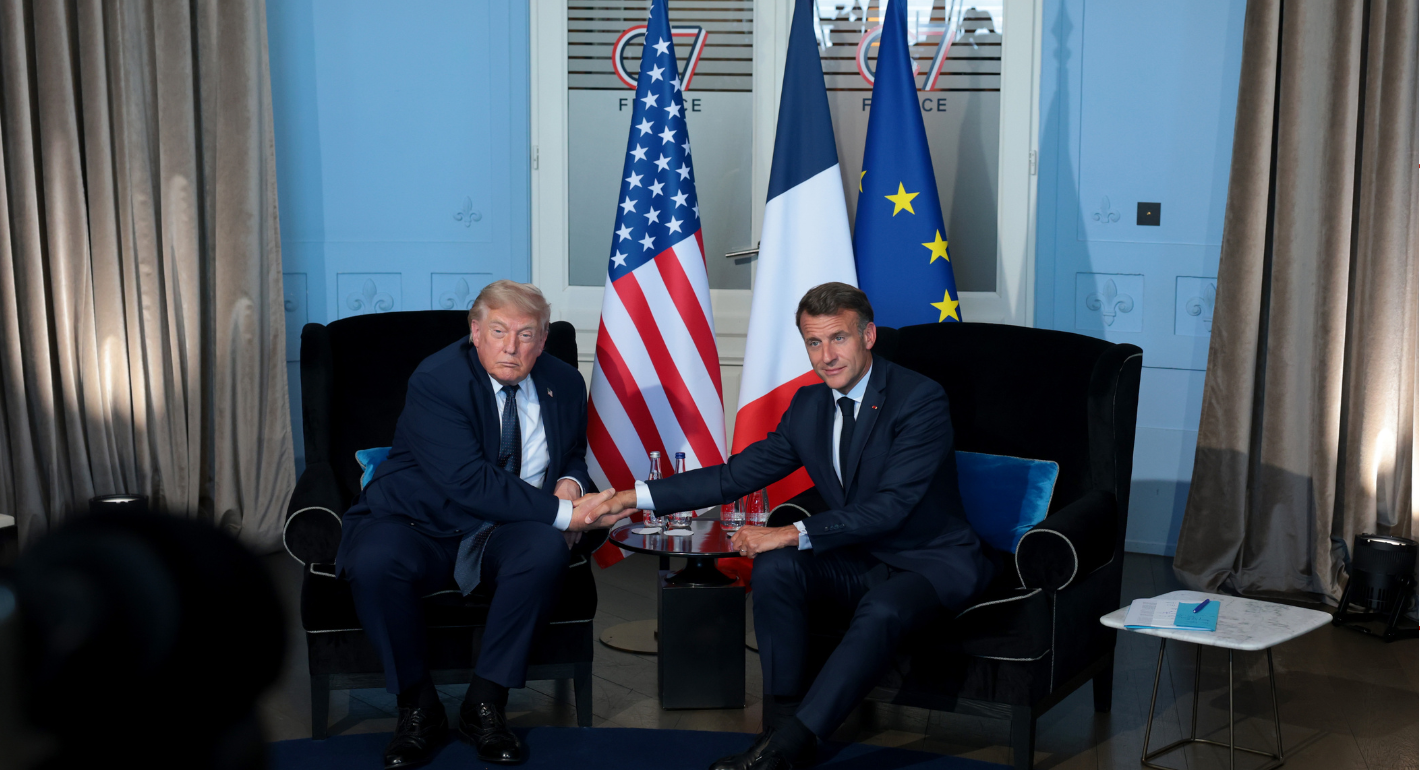
When the U.S.-Iran memorandum of understanding was announced, the UK, France, Germany, and Italy declared their readiness to help demine the Strait of Hormuz and lift nuclear sanctions on Tehran. But does Europe need new tools to recover a diplomatic role?

Rym Momtaz, ed.

Amid uncertainty caused by the Iran war, the global drive for nonproliferation has stalled. With Europe diplomatically marginalized and countries reassessing their nuclear options, efforts to curb the spread of nuclear weapons risk becoming irrelevant.

Jane Darby Menton
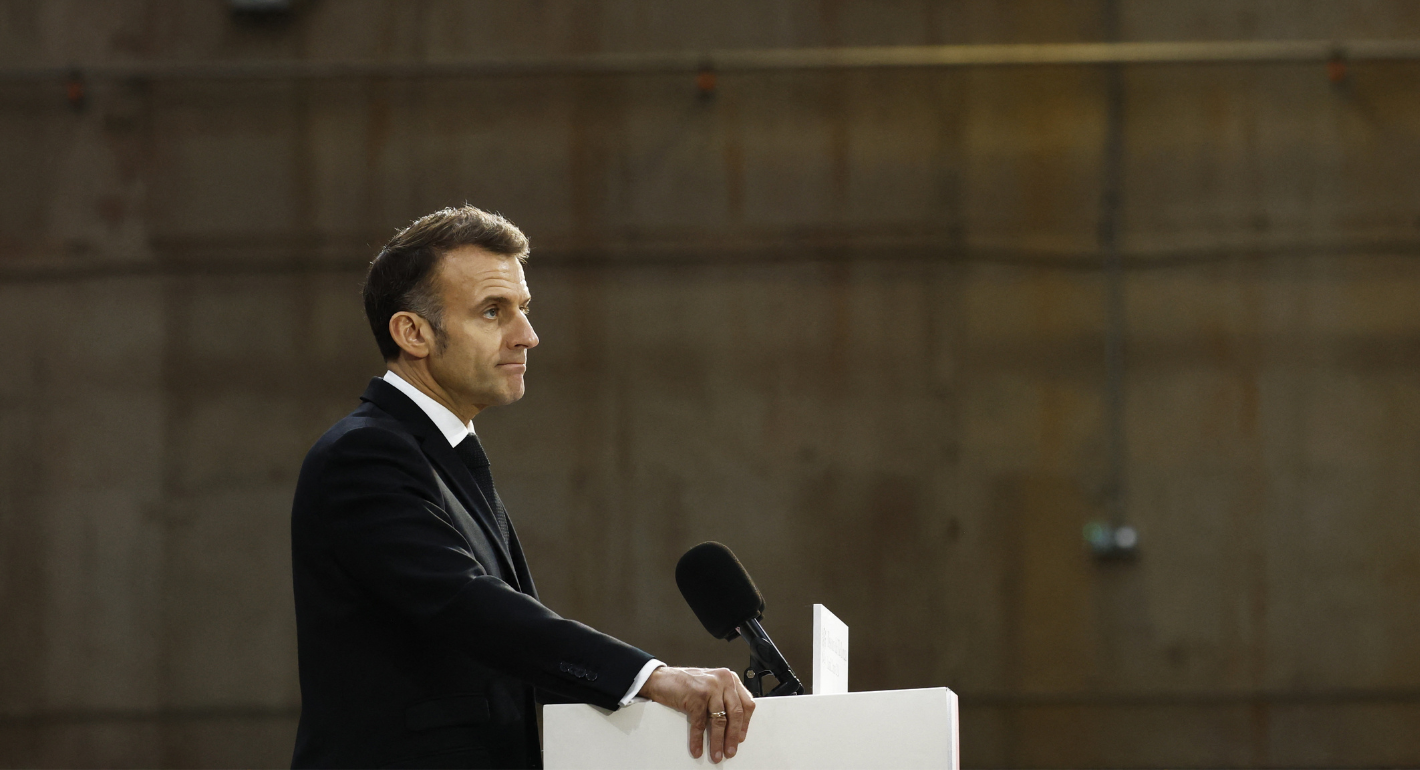
French President Emmanuel Macron has unveiled his country’s new nuclear doctrine. Are the changes he has made enough to reassure France’s European partners in the current geopolitical context?
Rym Momtaz, ed.
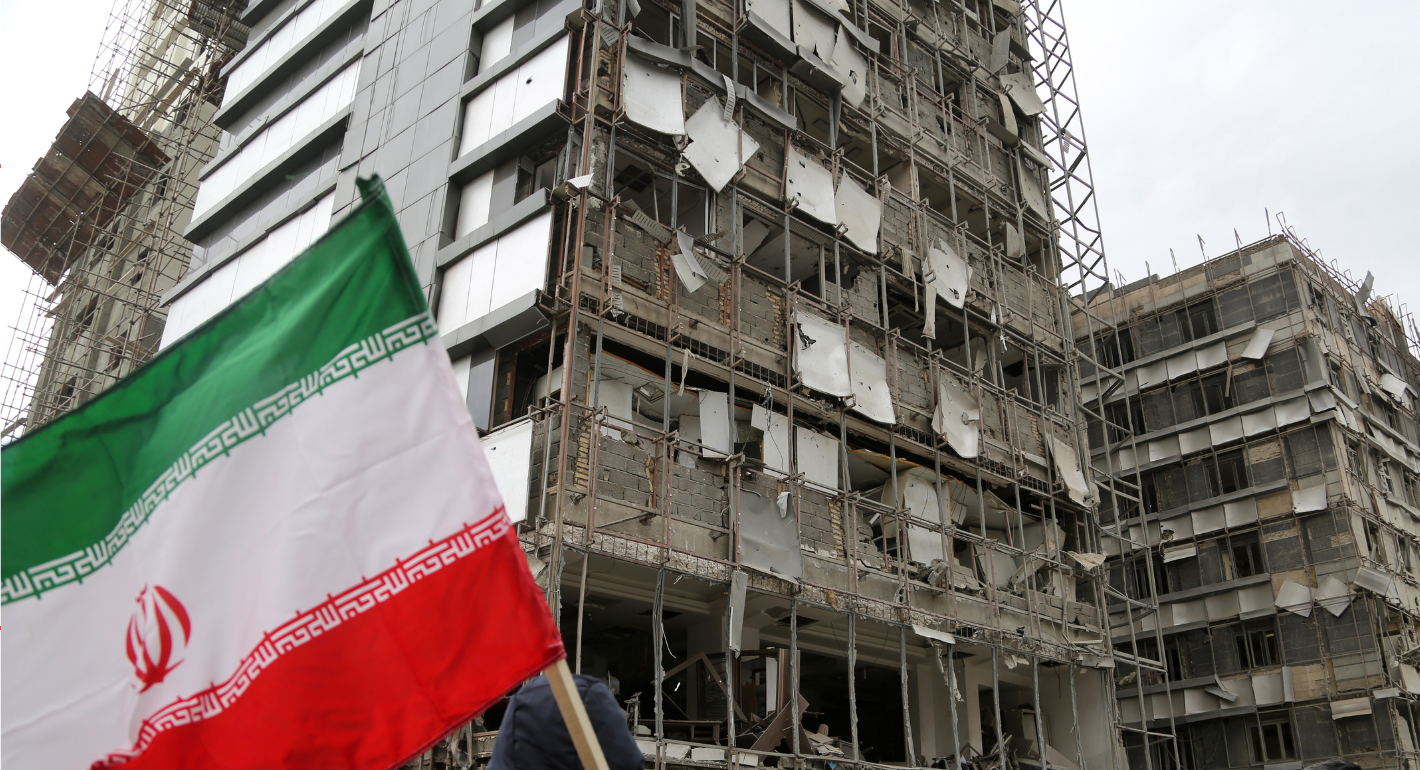
Europe’s reaction to the war in Iran has been disunited and meek, a far cry from its previously leading role in diplomacy with Tehran. To avoid being condemned to the sidelines while escalation continues, Brussels needs to stand up for international law.

Pierre Vimont
France has stopped clinging to notions of being a great power and is embracing the middle power moment. But Emmanuel Macron has his work cut out if he is to secure his country’s global standing before his term in office ends.
Rym Momtaz