

Report
- +2
George Perkovich, Jessica Tuchman Mathews, Joseph Cirincione, …
{
  "authors": [
    "Jon Wolfsthal"
  ],
  "type": "legacyinthemedia",
  "centerAffiliationAll": "dc",
  "centers": [
    "Carnegie Endowment for International Peace"
  ],
  "collections": [
    "Korean Peninsula"
  ],
  "englishNewsletterAll": "ctw",
  "nonEnglishNewsletterAll": "",
  "primaryCenter": "Carnegie Endowment for International Peace",
  "programAffiliation": "NPP",
  "programs": [
    "Nuclear Policy"
  ],
  "projects": [],
  "regions": [
    "East Asia",
    "North Korea"
  ],
  "topics": [
    "Nuclear Policy",
    "Arms Control"
  ]
}
Source: Getty
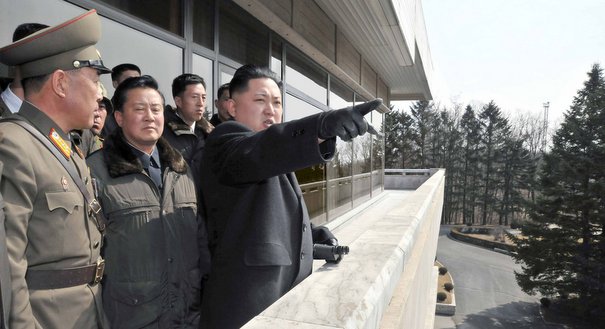
Tensions continue to mount between the U.S. and North Korea, prompting questions on the deterrence relationship and the reliability of North Korea's nuclear capabilities.
Source: The 1A, WAMU Radio
Carnegie NPP scholar Jon Wolfsthal answered listeners’ questions on North Korea and nuclear weapons capabilities. The nuclear program in North Korea, Wolfsthal explained, began in the 1950s, receiving significant assistance from the former Soviet Union. To date, North Korea has conducted, five nuclear weapons tests, a fact confirmed by the comprehensive test ban treaty organization, an international organization that monitors nuclear testing around the world. North Korea began testing short-range ballistic missiles several decades ago, but over the past three months the international community has witnessed North Korea’s program develop rapidly. The advancements include two weapons systems that could potentially deliver nuclear weapons to the continental United States. What we don’t know, Wolfsthal explains, is whether those systems are reliable, and if they work every time.
Wolfsthal further explained that the United States has engaged in a deterrant relationship with North Korea 50 years, while North Korea has deterred the United States from an attack for 50 years. This relationship can be messy and at times dangerous, but is sustainable if the United States continues to handle the relationship with care.
Though questions remain, there is no doubt that North Korea has crossed a number of thresholds, presenting a significant challenge for the United States and its allies.

Former Nonresident Scholar, Nuclear Policy Program
Jon Wolfsthal was a nonresident scholar with the Nuclear Policy Program.
Recent Work


George Perkovich, Jessica Tuchman Mathews, Joseph Cirincione, …
Jon Wolfsthal
Carnegie does not take institutional positions on public policy issues; the views represented herein are those of the author(s) and do not necessarily reflect the views of Carnegie, its staff, or its trustees.

When the U.S.-Iran memorandum of understanding was announced, the UK, France, Germany, and Italy declared their readiness to help demine the Strait of Hormuz and lift nuclear sanctions on Tehran. But does Europe need new tools to recover a diplomatic role?

Rym Momtaz, ed.

Amid uncertainty caused by the Iran war, the global drive for nonproliferation has stalled. With Europe diplomatically marginalized and countries reassessing their nuclear options, efforts to curb the spread of nuclear weapons risk becoming irrelevant.

Jane Darby Menton

French President Emmanuel Macron has unveiled his country’s new nuclear doctrine. Are the changes he has made enough to reassure France’s European partners in the current geopolitical context?
Rym Momtaz, ed.
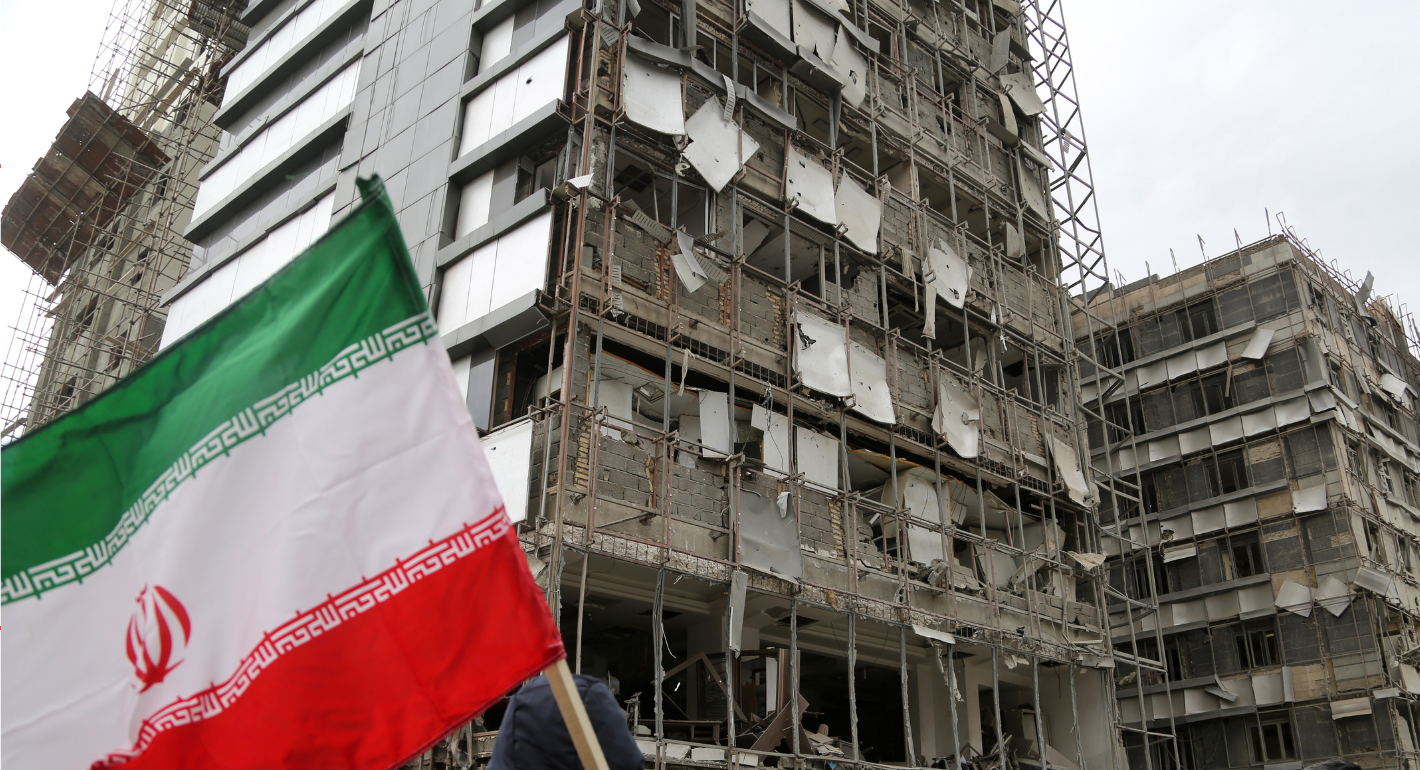
Europe’s reaction to the war in Iran has been disunited and meek, a far cry from its previously leading role in diplomacy with Tehran. To avoid being condemned to the sidelines while escalation continues, Brussels needs to stand up for international law.

Pierre Vimont
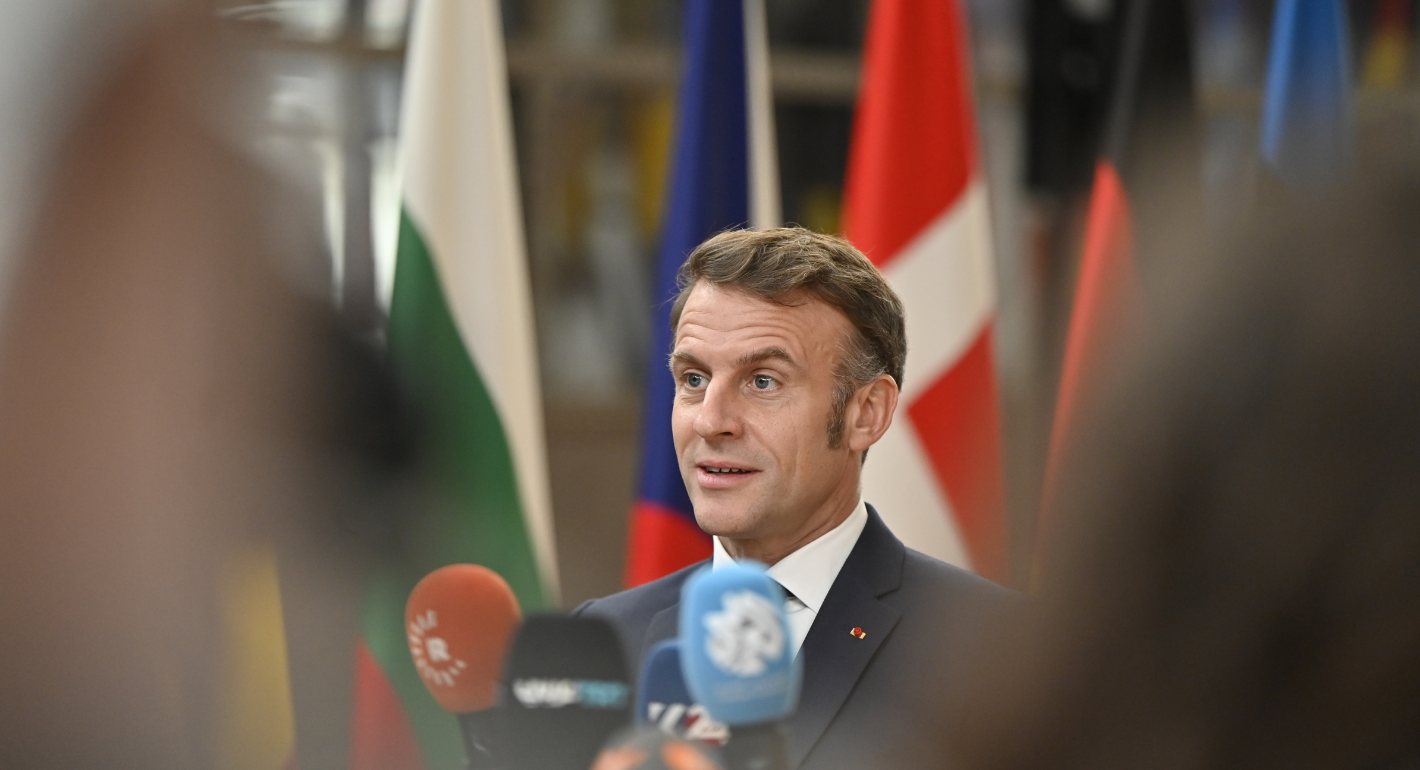
France has stopped clinging to notions of being a great power and is embracing the middle power moment. But Emmanuel Macron has his work cut out if he is to secure his country’s global standing before his term in office ends.
Rym Momtaz