

In The Media
David Rothkopf
{
  "authors": [
    "David Rothkopf"
  ],
  "type": "legacyinthemedia",
  "centerAffiliationAll": "dc",
  "centers": [
    "Carnegie Endowment for International Peace"
  ],
  "collections": [],
  "englishNewsletterAll": "asia",
  "nonEnglishNewsletterAll": "",
  "primaryCenter": "Carnegie Endowment for International Peace",
  "programAffiliation": "AP",
  "programs": [
    "Asia"
  ],
  "projects": [],
  "regions": [
    "South Asia",
    "India",
    "East Asia",
    "China"
  ],
  "topics": [
    "Economy",
    "Trade",
    "Global Governance"
  ]
}
Source: Getty
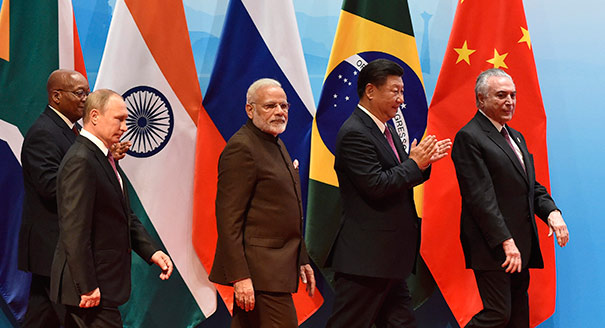
The original conception of BRICS, to bring together the world’s most important emerging markets, may have become obsolete, destined to be replaced by ChIPs: China and India Plus.
Source: National
Last week in Xiamen, China, the Chinese government rolled out the red carpet for the leaders of the Brics countries. There were banquets and musical galas and a host of announcements of new cooperation between Brazil, Russia, India, China and South Africa. A special focus was put on efforts to smooth over tensions between China and India that had recently flared in the Doklam region in the Himalayas along the border between the two countries. A statement was issued following the meeting between Chinese president Xi Jinping and India’s prime minister Narendra Modi, underscoring both sides agreement that the relationship was important and that every effort should be made to improve it. Importantly, the meeting ended with a joint statement condemning terrorism that, in a victory for the Indians, specifically called out several Pakistani-based terrorist organizations.

Former Visiting Scholar
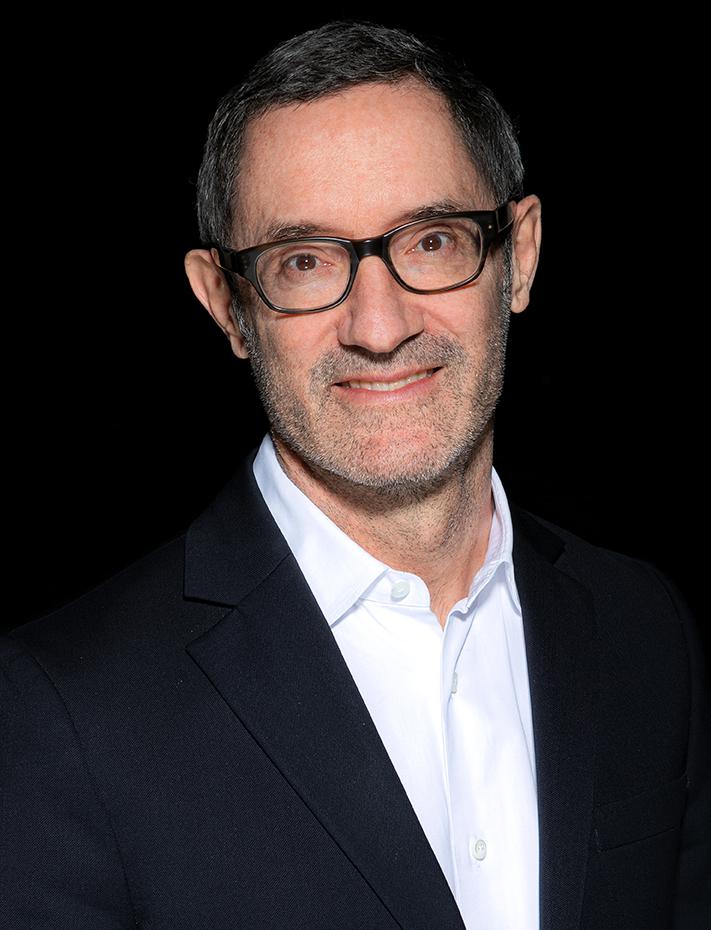
David Rothkopf was a visiting scholar at the Carnegie Endowment as well as the former CEO and editor in chief of the FP Group.
Recent Work
David Rothkopf
David Rothkopf
Carnegie does not take institutional positions on public policy issues; the views represented herein are those of the author(s) and do not necessarily reflect the views of Carnegie, its staff, or its trustees.

Europe’s industrial supply chains leave it vulnerable to global shocks. The EU needs a pragmatic green industrial strategy that balances durable partnerships and bolsters homegrown clean tech without sacrificing low-carbon ambition.


Milo McBride, Pauline Gerard
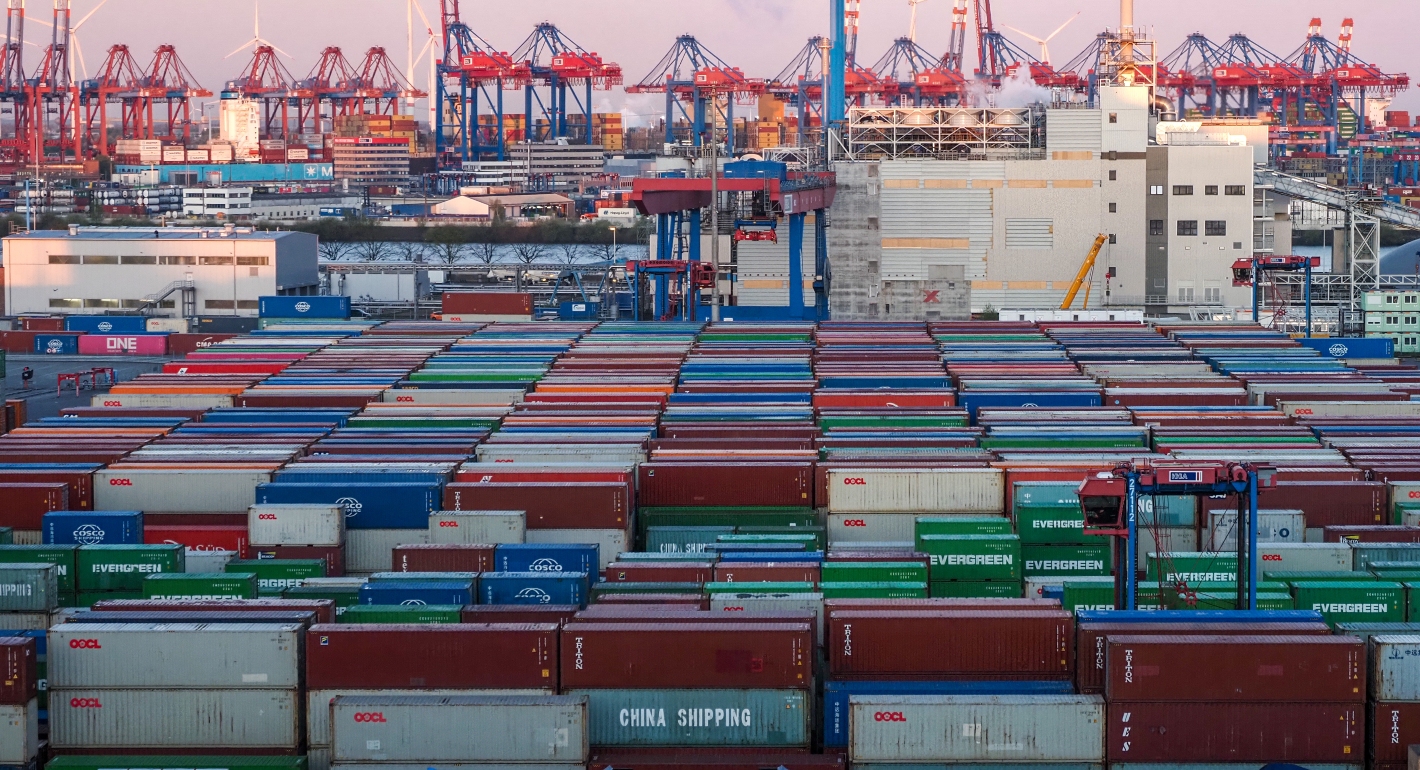
As geopolitical rivalry weaponizes global supply chains, the EU’s true vulnerability lies in emerging-risk imports. For these goods, suppliers are growing more concentrated, substitution more difficult, and political risk is looming.

Sinan Ülgen

The EU is putting together a new security strategy to meet today’s myriad challenges. But for any proposal to be effective, the union needs to grapple with its identity and ambitions.

Pierre Vimont
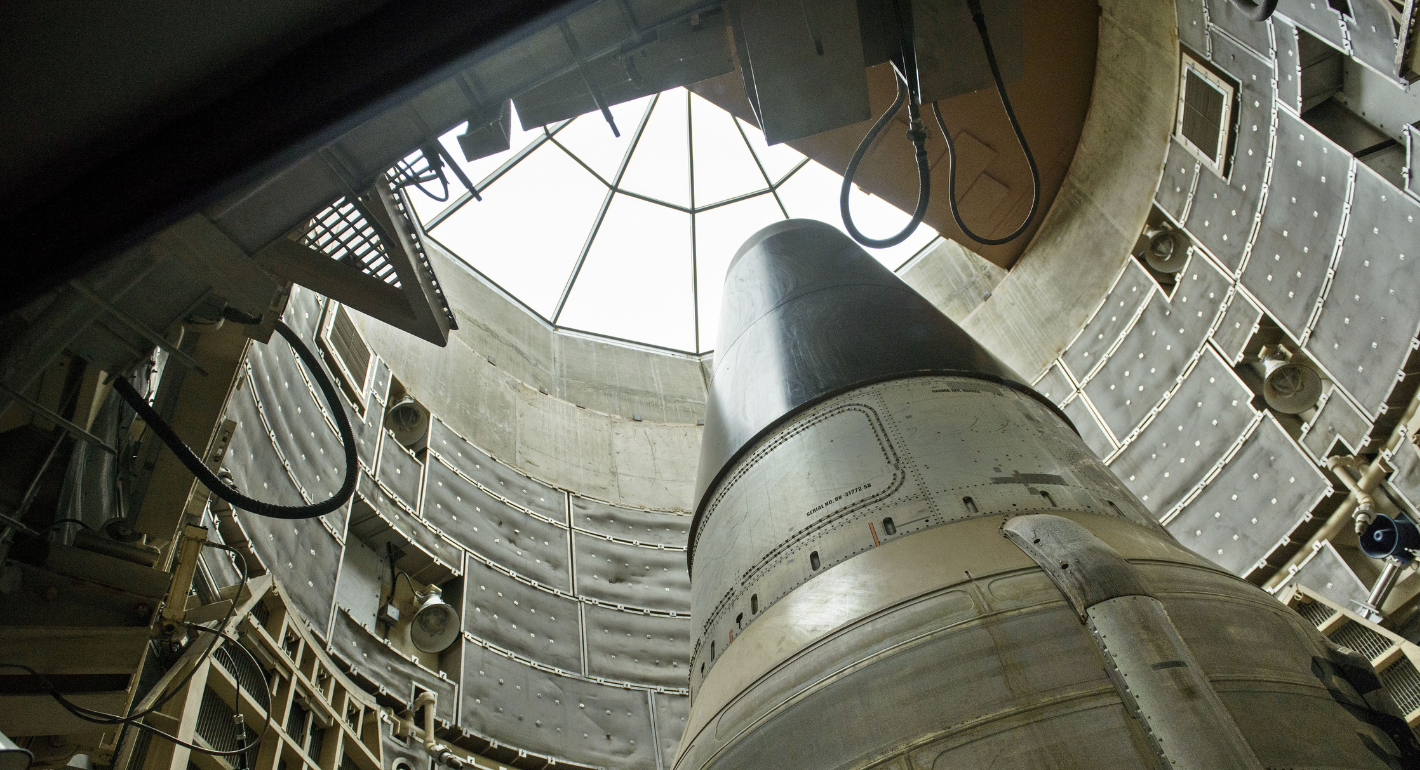
Amid uncertainty caused by the Iran war, the global drive for nonproliferation has stalled. With Europe diplomatically marginalized and countries reassessing their nuclear options, efforts to curb the spread of nuclear weapons risk becoming irrelevant.

Jane Darby Menton
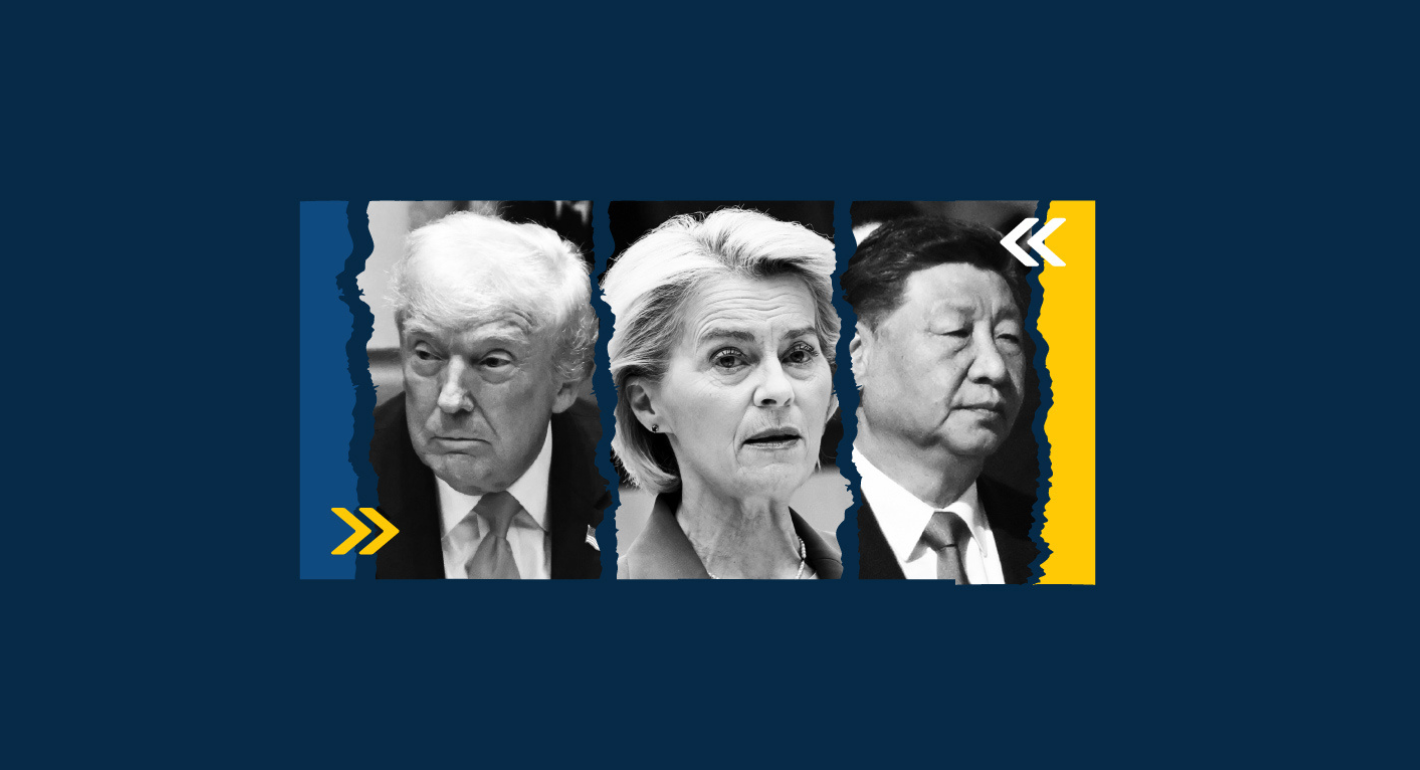
Between the United States’ market-driven approach and China's state-led industrial strategy, Europe is reckoning with how it can remain competitive in the global economy. But is Europe in danger of becoming a U.S. or China colony?

Noah Barkin, Anu Bradford