

Research
- +10
Jarrett Blanc, Thomas de Waal, Karim Sadjadpour, …
{
  "authors": [
    "Jarrett Blanc"
  ],
  "type": "legacyinthemedia",
  "centerAffiliationAll": "dc",
  "centers": [
    "Carnegie Endowment for International Peace",
    "Carnegie Europe"
  ],
  "collections": [
    "Iranian Proliferation"
  ],
  "englishNewsletterAll": "americanStatecraft",
  "nonEnglishNewsletterAll": "",
  "primaryCenter": "Carnegie Endowment for International Peace",
  "programAffiliation": "ASP",
  "programs": [
    "American Statecraft",
    "Europe"
  ],
  "projects": [],
  "regions": [
    "Middle East",
    "Iran",
    "Bahrain"
  ],
  "topics": [
    "Nuclear Policy"
  ]
}
Source: Getty
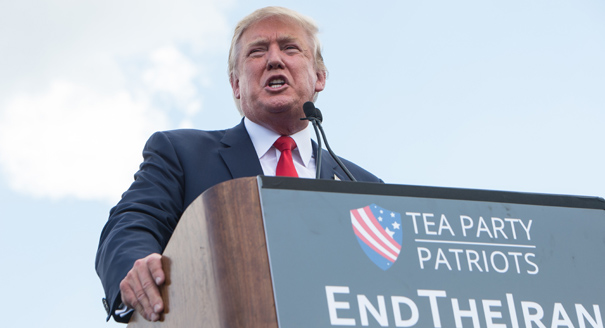
President Trump has the option to not certify Iranian compliance with the nuclear deal, breaking with European allies and signatories of the deal. If the United States chooses to re-impose sanctions, they will do so without international support, leaving empty sanctions against Iran.
Source: Reuters
Donald Trump is approaching a crucial deadline on his Iran policy. On Oct. 15, he will have to certify whether Tehran is observing the 2015 multinational agreement to forego nuclear weapons. Trump has reluctantly certified Iran’s compliance, which is due quarterly, twice since taking office. This time, his belligerent address to the United Nations suggests he may not.If the United States follows through on threats to stop fulfilling its commitments under the Joint Comprehensive Plan of Action, or JCPOA, as the Iran deal is formally known, its allies in Europe will be forced to choose between committing a crime and making a mistake. Whichever they decide, the strength of the transatlantic coalition – America’s most important and most reliable partnership – will be cast into doubt.
Iran is complying with the JCPOA. The U.S. intelligence community has repeatedly confirmed it, as have partner intelligence agencies and the International Atomic Energy Agency (IAEA). European leaders oppose refusing to certify Iranian compliance because it would make it likely that Congress will re-impose U.S. sanctions.
That would be only the first of two body blows to the agreement and to the alliance. The second would be an abuse of U.S. authority to re-impose United Nations sanctions.
The president has the power to force the United Nations to “snap back” the multilateral sanctions lifted under the deal – biting restrictions on Iranian banks and other businesses. If the United States re-imposes its own sanctions on Iran, it will inevitably avail itself of these UN sanctions, as well.
The Bush and Obama administrations persuaded Russia, China, and the UN Security Council to sanction Iran’s economy in order to limit its nuclear program. The JCPOA traded these sanctions for tight nuclear restrictions and inspections, but the United States and its partners worried that the Security Council might fail to re-impose the sanctions if Iran cheated, reducing Iran’s incentive for long-term compliance. A clever procedural solution was built into the JCPOA. Any participant in the deal can demand that the Security Council vote on a resolution to continue sanctions relief. The U.S. can veto that resolution, so even if the Security Council votes 14-1 all of the previous restrictions on Iran still snap back into place.
The JCPOA was built to respond to Iranian violations, even if Russia and China were no longer aligned with the United States and the EU. It was not designed to withstand a hawkish or isolationist America using its veto power outside of the terms of the deal or against the objections of its European partners.
Ironically, though, if the U.S. does choose to act alone, in the absence of Iranian violations and against the wishes of its allies, it might undermine the substantive goal of UN snapback, leaving empty sanctions on paper.
Once the UN applies – or in this case, re-applies – sanctions, the European Commission and European Union member countries are supposed to take a number of steps to make the UN sanctions part of EU law and regulation. This is serious business for Europe, which is strongly committed to the idea that, as a matter of international law, the UN can impose binding requirements on all members in the interest of international peace and security. The EU has occasionally faced legal challenges in applying UN sanctions, but it never has simply chosen to ignore a binding Security Council resolution as a matter of policy.
Europe would be sorely tempted to do exactly that on Iran. The snap back mechanism is designed for cases of Iranian non-compliance. Under the JCPOA, Washington does not need to prove that Iran has violated the deal, but Europe may decide that American bad faith justifies breaking from its own UN obligations. Certainly, Europe will categorically disagree with the U.S. policy. EU foreign policy chief Federica Mogherini, echoing the senior leadership of the UK, France, and Germany, said after Trump’s UN speech that the deal is working and must be preserved. If the U.S. withdraws, the EU has made clear it will do everything within its power to keep the agreement alive by sustaining newly established business ties with Iran.
Europe would thus be faced with a choice between a crime under international law and what it considers to be a policy mistake. In either case, Europe would be justifiably furious about being forced to choose between two important, deeply held policies – adherence to Security Council resolutions and implementation of the JCPOA.
Other countries, including Russia and China, may also prove lax in applying the restored sanctions, but this is both less uncommon and less important to Iran’s economic aspirations. U.S. withdrawal from the JCPOA will hurt Iran’s economy badly, but will not achieve the kind of strangulating effect the broad international coalition had before the deal. A deep break between the United States, the UN and Europe will make it much less likely that the U.S. will ever be able to muster such powerful international economic pressure again.
At the UN last week, President Trump called the Iran deal “an embarrassment to the United States.” He teased that he has made a decision about whether to certify Iranian compliance to Congress but refused to tell anyone, including UK Prime Minister Theresa May, what he had decided. The weeks leading to the October 15 certification deadline may be Europe’s last, best chance to explain to President Trump and his advisors that undermining, let alone abrogating, the JCPOA would be a catastrophe not only for the goal of preventing Iran from developing nuclear weapons, but also for the bond between the United States and Europe. The only winners would be Europe’s and America’s adversaries.
Former Senior Fellow, Geoeconomics and Strategy Program
Jarrett Blanc was a senior fellow in the Geoeconomics and Strategy Program at the Carnegie Endowment for International Peace.
Recent Work


Jarrett Blanc, Thomas de Waal, Karim Sadjadpour, …

Dan Baer, Rosa Balfour, Jarrett Blanc, …
Carnegie does not take institutional positions on public policy issues; the views represented herein are those of the author(s) and do not necessarily reflect the views of Carnegie, its staff, or its trustees.
When the U.S.-Iran memorandum of understanding was announced, the UK, France, Germany, and Italy declared their readiness to help demine the Strait of Hormuz and lift nuclear sanctions on Tehran. But does Europe need new tools to recover a diplomatic role?

Rym Momtaz, ed.

The EU’s new migration policy is not suited to today’s realities. With climate change increasingly becoming a driver of displacement, Europe needs to rethink its deterrence-focused approach.

Shana Tabak
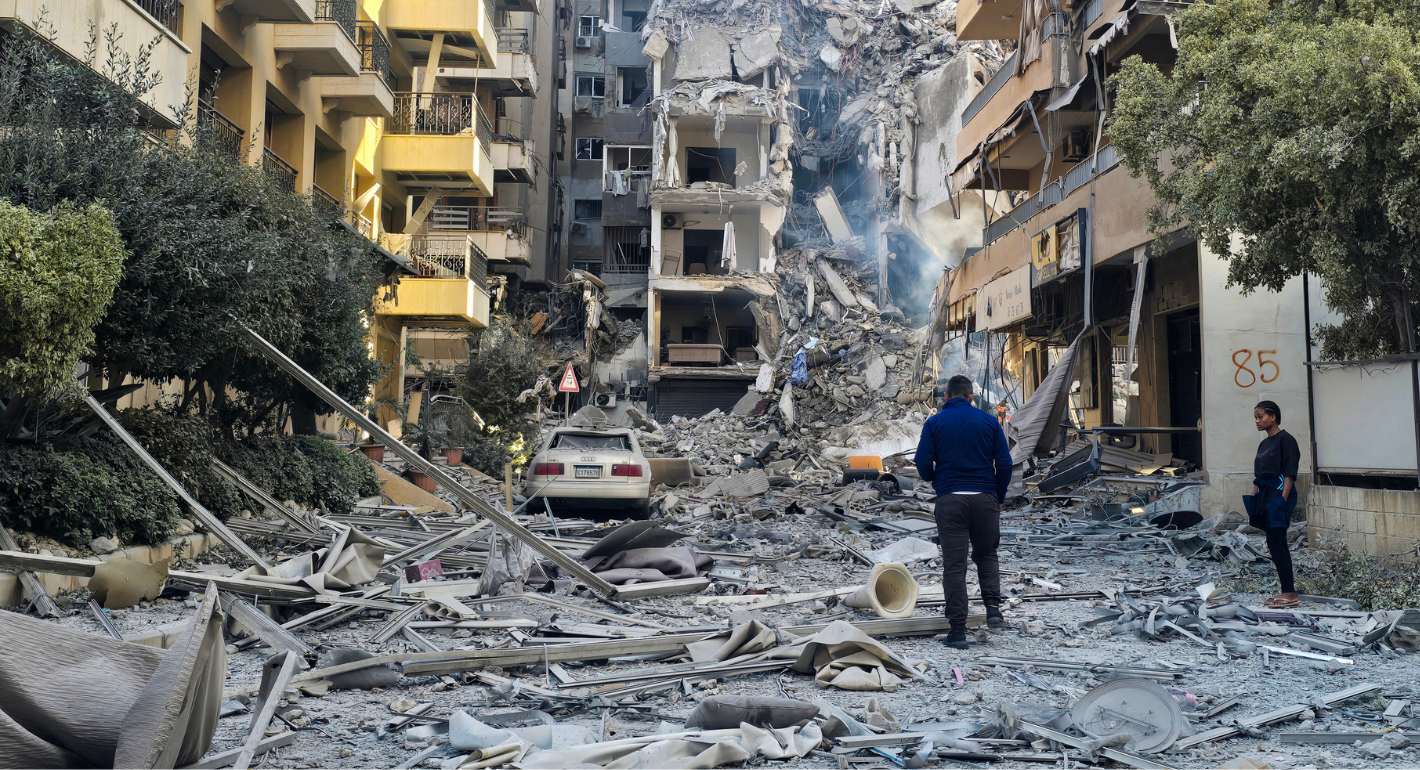
Europe seems to have accepted its sidelining in the Middle East. The EU must reassert its support for the international rules-based order and step up engagement.
Rym Momtaz
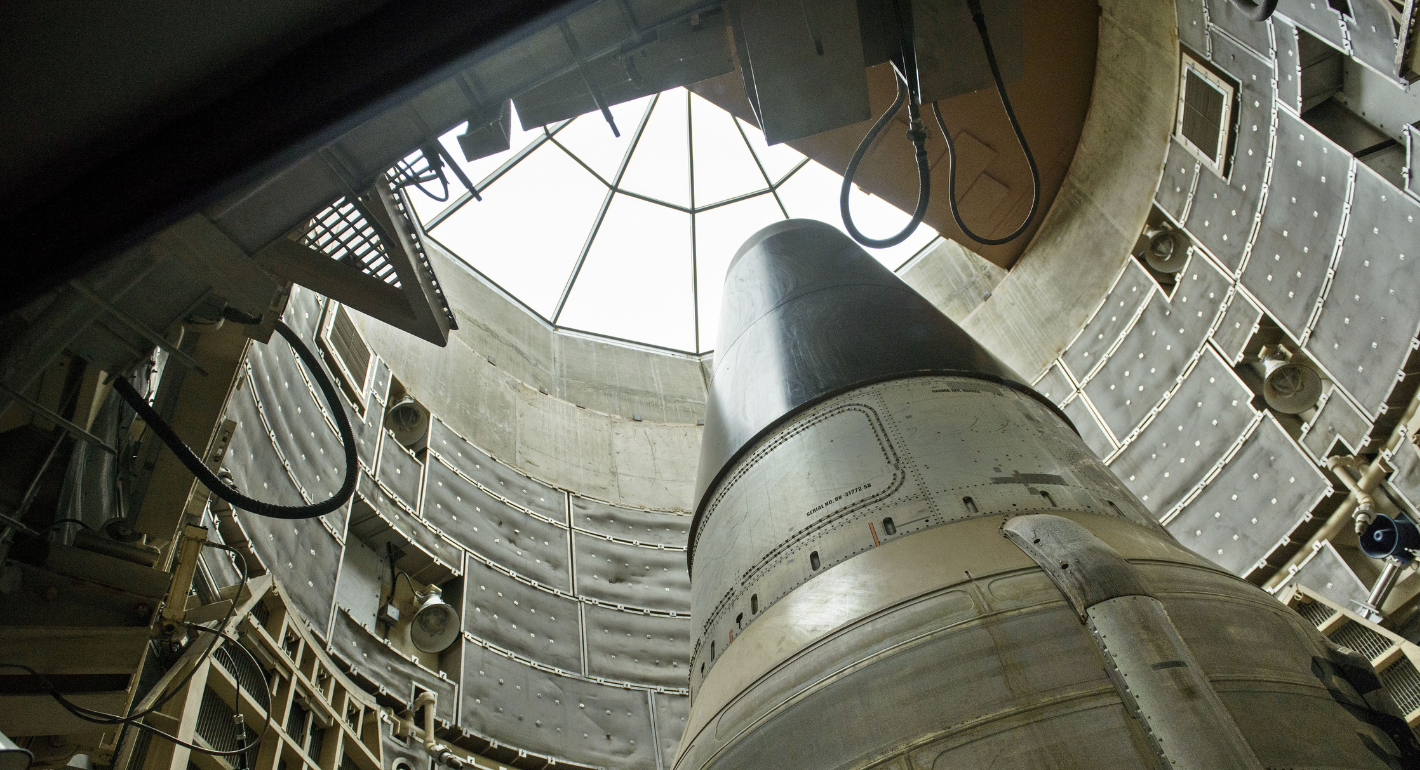
Amid uncertainty caused by the Iran war, the global drive for nonproliferation has stalled. With Europe diplomatically marginalized and countries reassessing their nuclear options, efforts to curb the spread of nuclear weapons risk becoming irrelevant.

Jane Darby Menton
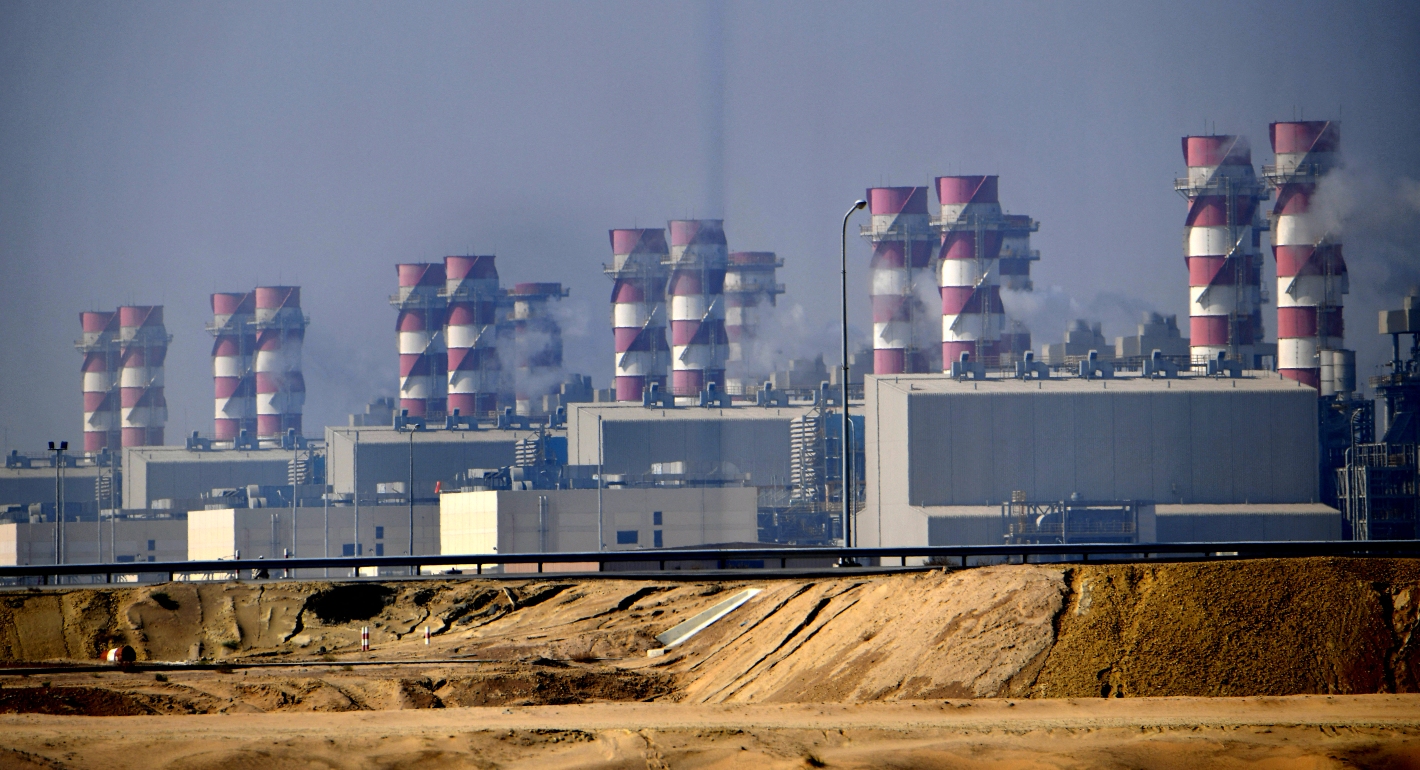
The U.S.-Iran war has crossed a dangerous threshold: water infrastructure in the Gulf is now a target. Ecological statecraft is no longer peripheral to security, it's part of its foundations.


Olivia Lazard, Ali Bin Shahid