

Commentary
- +1
Paul Haenle, Xue Gong, Ngeow Chow Bing, …
{
  "authors": [
    "Paul Haenle"
  ],
  "type": "legacyinthemedia",
  "centerAffiliationAll": "",
  "centers": [
    "Carnegie Endowment for International Peace",
    "Carnegie China"
  ],
  "collections": [
    "U.S.-China Relations",
    "China’s Foreign Relations"
  ],
  "englishNewsletterAll": "",
  "nonEnglishNewsletterAll": "",
  "primaryCenter": "Carnegie China",
  "programAffiliation": "",
  "programs": [],
  "projects": [],
  "regions": [
    "North America",
    "United States",
    "East Asia",
    "China"
  ],
  "topics": [
    "Foreign Policy"
  ]
}
Source: Getty
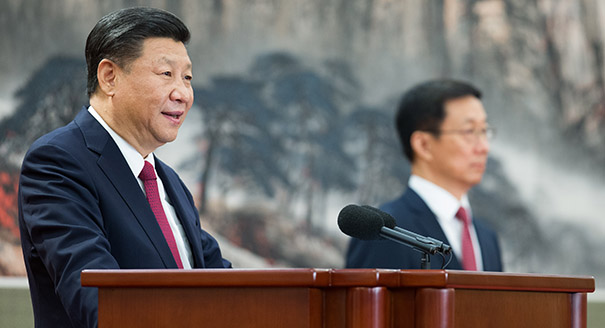
The 19th Party Congress holds particular consequence for U.S.-China relations. President Trump will make his inaugural visit to the Asia-Pacific region and to China early next month, becoming among the first world leaders to meet with Xi under his new mandate.
Source: CNN
The Chinese Communist Party (CCP) concluded its 19th National Congress this week, where it amended its constitution, set policy priorities, and selected new members to serve in its highest leadership bodies—handing Chinese President Xi Jinping political power not seen since Mao Zedong was in charge of the country.
While the congress largely focused on domestic policy, the key announcements will be studied carefully in capitals around the world—especially in Washington.
Though President Trump’s relationship with China has stabilized since his campaign claims that China was “raping” the United States, the important question of where the relationship between the United States and China is going remains unanswered.
Since Trump’s election last year, Xi Jinping has been treading on what would traditionally be considered U.S. territory. In January, he flew to Davos to defend globalization and free trade. In May, while announcing China’s ambitious One Belt, One Road initiative, he put China forward as a nation that would take urgent action on climate change.
So what will this week’s meeting—and a stronger than ever Xi Jinping—mean for Trump and the United States?
Though Xi’s appointment as general secretary of the party for a second term was never in question, he managed to exceed expectations by securing the inclusion of his eponymous ideology in the party charter. In doing so, he has amassed power to a level unrivaled in China since Mao Zedong.
Initiatives that have come to define Xi’s push for China to become a powerful global force—such as military overhaul and modernization, the ambitious One Belt, One Road Initiative, and a comprehensive corruption campaign—were indoctrinated into the party's constitution.
Potential challengers, like former Chongqing party secretary Sun Zhengcai, were sidelined as a majority of Xi's allies were installed on the Politburo Standing Committee—which for the first time since Deng Xiaoping, includes no heir apparent.
Taken together, this means that Xi will control the direction of China’s development for the next five years at least—and perhaps beyond.
Xi's three-and-a-half hour report to delegates last week mentioned several ways in which China intends to continue to shape global politics and institutions to better suit its interests.
Xi suggested that China’s version of socialism provided an alternative model to Western democracy for countries who want to “accelerate their development while maintaining their independence” to emulate.
The reference echoes Beijing’s longstanding foreign policy objective to increase the voices and influence of emerging nations in global governance. It also underscores the confidence of China in its ability to both provide stability and prosperity at home and be respected as a major, responsible power abroad.
Xi noted that under Mao Zedong’s revolutionary leadership, the Chinese people stood up. Under Deng Xiaoping, the Chinese people became rich. And now, in China’s third historic era, the nation is becoming strong.
To illustrate its new global stature, Xi mentioned China’s contribution of UN peacekeepers, a point of significant Chinese pride. He emphasized the country’s willingness to take a “driving seat in international cooperation” and be a “torchbearer in the global endeavor” to address climate change.
He described China repeatedly as a “strong” and “great power,” which he said was returning to its rightful place at the center of the world after a century of humiliation at the hands of foreign imperial powers.
The 19th Party Congress holds particular consequence for U.S.-China relations. President Trump will make his inaugural visit to the Asia-Pacific region and to China early next month, becoming among the first world leaders to meet with Xi under his new mandate.
Since taking office, Trump has developed a stronger working relationship and personal rapport with Xi, and can use the results of the party congress to make progress on priorities like stepping up pressure on North Korea, which only Xi has the authority to allow, and establishing a stronger foundation for the bilateral relationship for the years to come.
But many U.S. allies and partners in Asia are also concerned about China’s growing clout and assertive behavior, especially in the absence of U.S. leadership.
With the backdrop of a much stronger Chinese leader, and a new directive to build a “strong” China, President Trump will need to forcefully push back against the narrative that U.S. leadership in Asia and on the global stage is receding. The region will be looking for reassurances that “America First” does not mean “America Alone.”
These commitments must be matched by time and resources, if China is to take the U.S. president seriously.

Former Maurice R. Greenberg Director’s Chair, Carnegie China
Paul Haenle held the Maurice R. Greenberg Director’s Chair at the Carnegie Endowment for International Peace and is a visiting senior research fellow at the East Asian Institute, National University of Singapore. He served as the White House China director on the National Security Council staffs of former presidents George W. Bush and Barack Obama.
Recent Work


Paul Haenle, Xue Gong, Ngeow Chow Bing, …

Paul Haenle, Chong Ja Ian
Carnegie does not take institutional positions on public policy issues; the views represented herein are those of the author(s) and do not necessarily reflect the views of Carnegie, its staff, or its trustees.
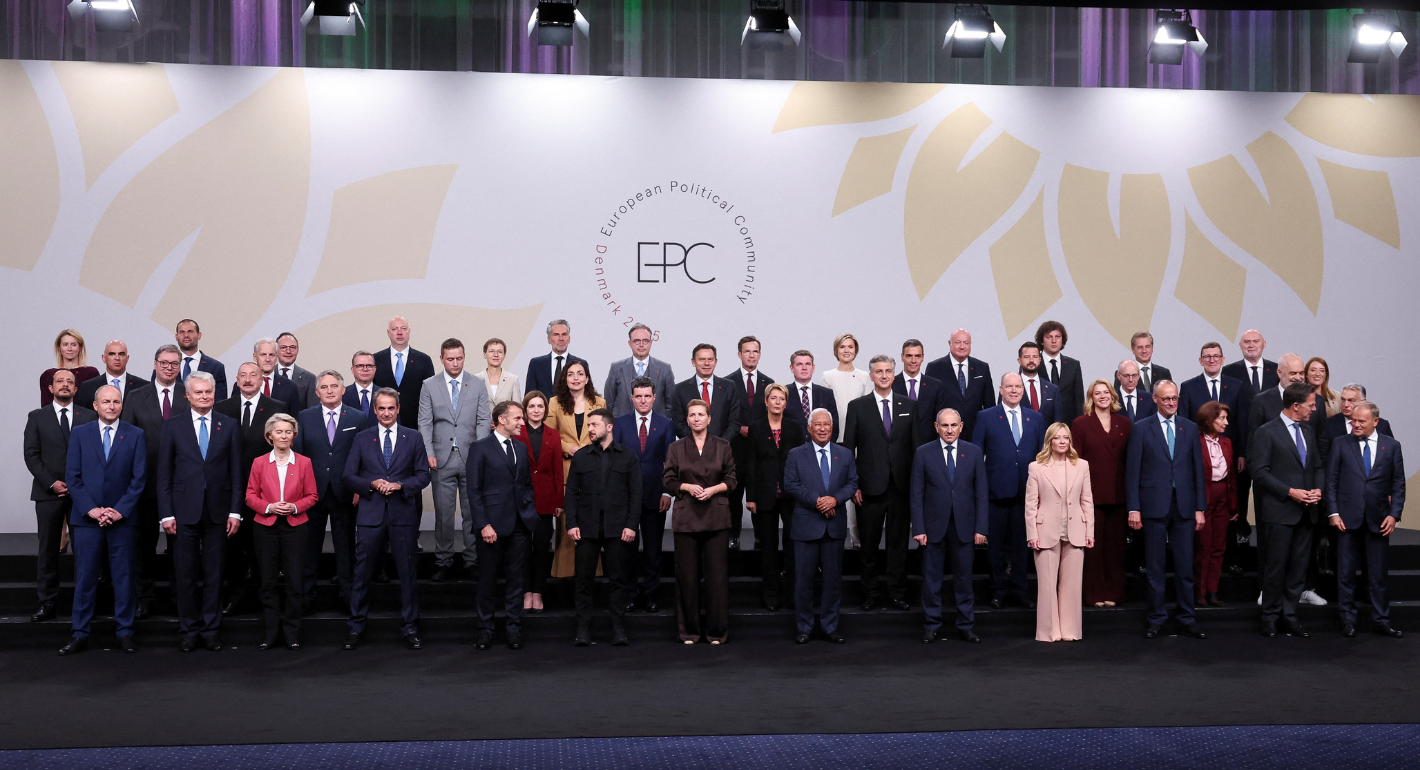
Europe isn’t as weak in the new geopolitics of power as many would believe. But to leverage its assets and claim a sphere of influence, Brussels must stop undercutting itself.

Dimitar Bechev
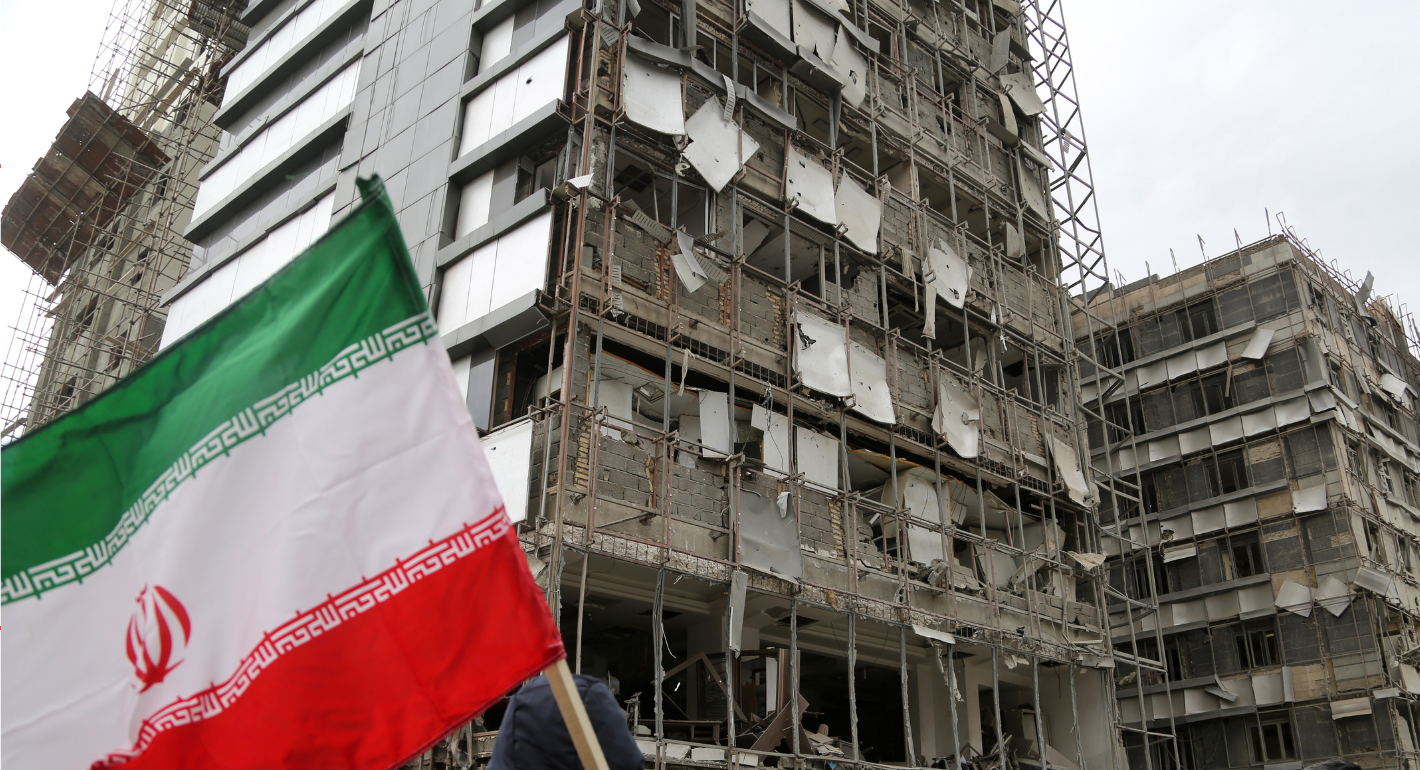
Europe’s reaction to the war in Iran has been disunited and meek, a far cry from its previously leading role in diplomacy with Tehran. To avoid being condemned to the sidelines while escalation continues, Brussels needs to stand up for international law.

Pierre Vimont
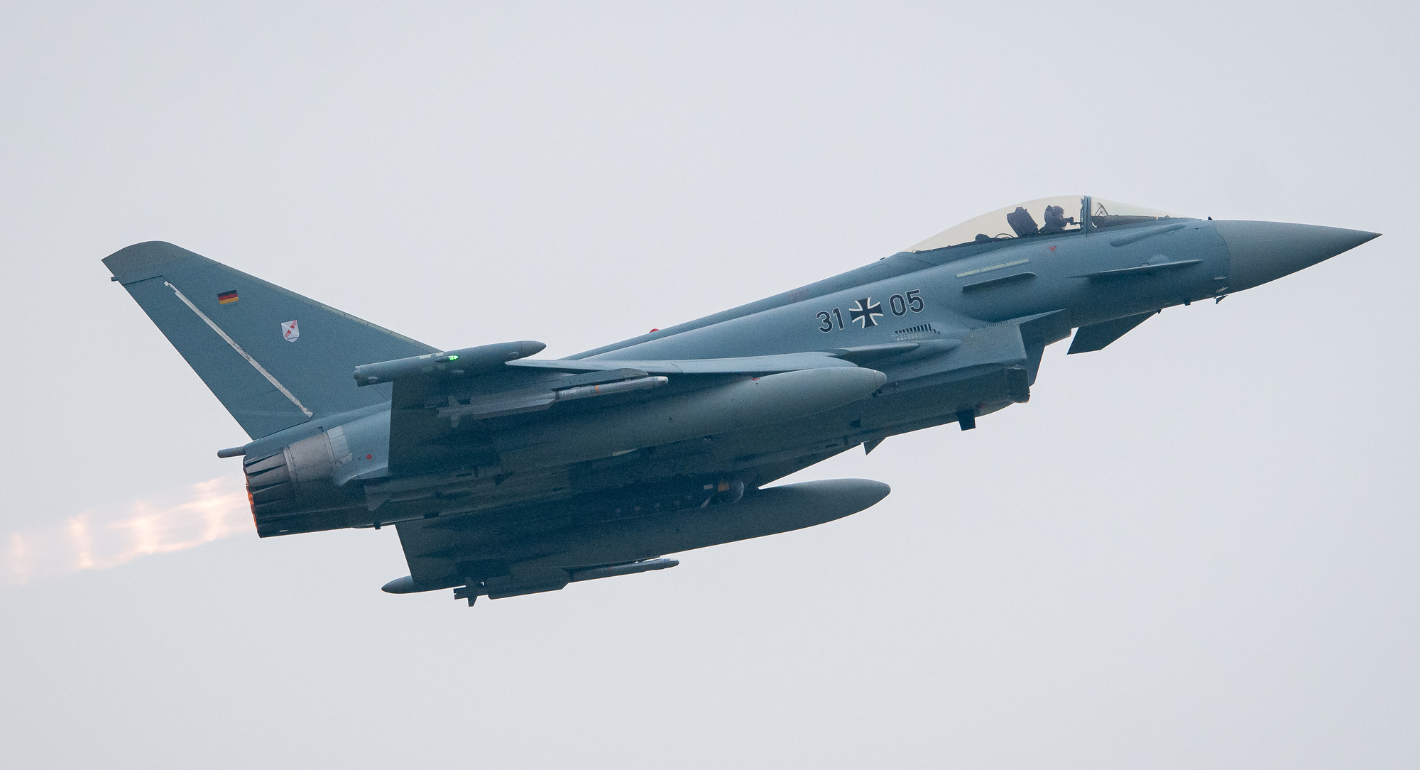
France and Germany’s failure to agree on the Future Combat Air System (FCAS) raises questions about European defense. Amid industrial rivalries and competing strategic cultures, what does the future of European military industrial projects look like?

Rym Momtaz, ed.
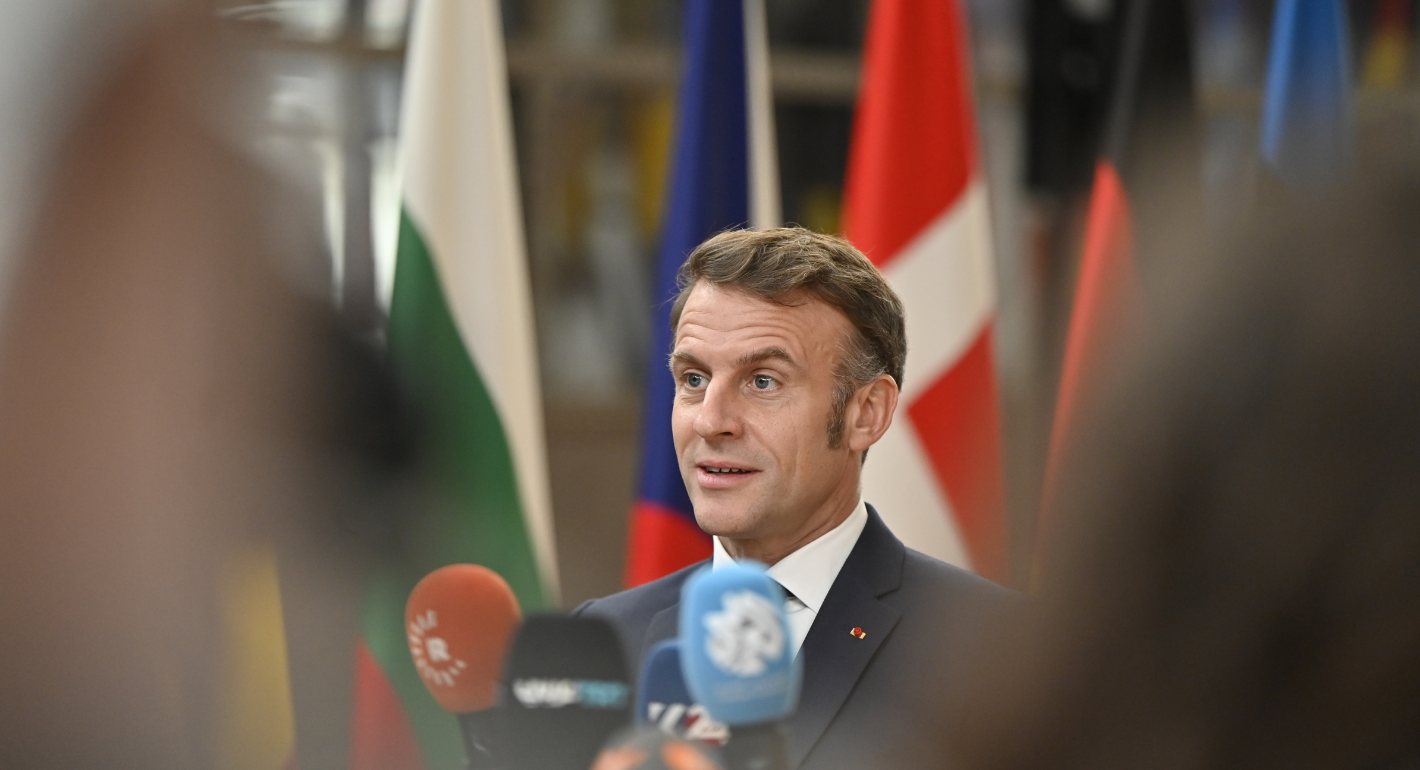
France has stopped clinging to notions of being a great power and is embracing the middle power moment. But Emmanuel Macron has his work cut out if he is to secure his country’s global standing before his term in office ends.
Rym Momtaz

Despite offering security benefits to candidates and the EU alike, the enlargement agenda appears stalled. Why is progress not being made, and is it time for Europe to rethink its approach?
Sylvie Goulard, Gerald Knaus