

Commentary
Yukon Huang, Isaac B. Kardon, Matt Sheehan
{
  "authors": [
    "Yukon Huang"
  ],
  "type": "legacyinthemedia",
  "centerAffiliationAll": "dc",
  "centers": [
    "Carnegie Endowment for International Peace"
  ],
  "collections": [],
  "englishNewsletterAll": "asia",
  "nonEnglishNewsletterAll": "",
  "primaryCenter": "Carnegie Endowment for International Peace",
  "programAffiliation": "AP",
  "programs": [
    "Asia"
  ],
  "projects": [],
  "regions": [
    "East Asia",
    "China"
  ],
  "topics": [
    "Economy"
  ]
}
Source: Getty
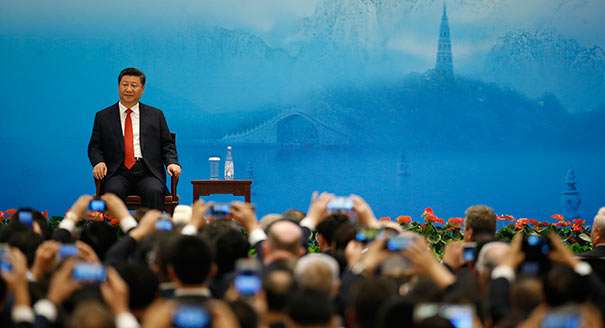
China’s 19th Party Congress is all set to confirm President Xi Jinping’s consolidation of power. But for many China watchers, the question is whether economic reforms will accelerate afterwards.
Source: East Asia Forum
China’s 19th Party Congress is all set to confirm President Xi Jinping’s consolidation of power. But for many China watchers, the question is whether economic reforms will accelerate afterwards. For China’s leaders, delivering the growth agenda is critical to preserving the credibility of the Chinese Communist Party (CCP). This legitimacy could be questioned in the event of a dramatic slowdown in growth, yet whether the right policies will be implemented to prevent this is still unclear.
The answer is likely to depend on how Xi resolves the major contradiction highlighted in the CCP’s 2013 Third Plenum reform statement. The statement proposed that the market should play a ‘decisive’ role in resource allocation, but it also reaffirmed that the state would continue to play a ‘leading role’ in the economy. This ambiguity has clouded the formulation and implementation of reforms since then.
There are three issues arising from this contradiction that the new leadership will need to confront: dealing with a potential financial crisis (and the role of state-owned enterprises (SOEs) therein), shifting to a more efficient urbanisation process and addressing the systemic drivers of corruption.
For years, China’s surging debt-to-GDP ratio has triggered warnings that a financial crisis is imminent. S&P’s recent downgrade following Moody’s similar adjustment is just another reminder. The argument given is that all economies that have incurred comparable debt increases have experienced a financial crisis, and there is no reason why China should be any different.
Yet China is different — not because it is immune to financial pressures, but because the structure of and interactions within its economic system are not the same as other economies. The more optimistic observers point out that most of China’s debt is public rather than private and it is sourced domestically rather than externally. Further, household balance sheets are typically strong.
But neither the optimists nor the pessimists have recognised that the extent of China’s debt surge actually comes from the creation of a private property market a decade and half ago. Once created, surging credit flows established market-based values for land — values that were previously hidden in a socialist system. The five-fold increase in property prices over the past decade explains why debt levels have surged but GDP levels have not, since increases in land values and transfers of such assets are not included in GDP.
The risks lie more in the concentration of non-performing loans within a subset of SOEs that have to be restructured or even closed down. But because many of the largest SOEs are seen as China’s national champions, the required reforms have been delayed. So the issue is not so much about a traditional banking problem as it is about getting the SOEs out of what would normally be private and market-driven commercial activities.
The main source of sustainable medium-term growth lies in China’s urbanisation process since another 150 million rural residents will likely be moving to the cities over the coming decade. China’s planners believe that these migrants should be channelled into small- and medium-sized cities and barred from going to China’s largest cities such as Shanghai and Beijing. So the state ‘manages’ the movement of labour with draconian residency requirements rather than allowing market forces and personal choice to shape migration decisions. This preference for sending migrants to smaller cities reduces economic growth since labour productivity is much higher in the larger cities.
Xi also sees his highly visible campaign against corruption as vital for maintaining the legitimacy of the CCP even as sustaining rapid growth continues to be a high priority for the leadership. But these twin goals may not be compatible. Conventional wisdom is that corruption impedes growth because it dampens investment incentives. China is different because while the state controls all the major resources, rates of return are much lower for state-operated assets than for the private sector.
Since privatisation of ownership is often not politically realistic in China, corruption allows for the transfer of state asset usage rights to private interests through formal or informal arrangements with government officials who control their availability. China’s unique administrative system then fosters a partnership between state and private interests in favour of growth with both sides sharing in the gains. China’s leadership does not fully appreciate that curtailing corruption while sustaining growth might require the state to step out of its dominant role in controlling economic activity.
China’s impressive economic achievements are the result of gradually relying more on market forces to shape economic outcomes — albeit with the state still setting the priorities. The question now is whether the new leadership can find the right balance between allowing the market to play the ‘decisive’ role envisaged in the Third Plenum while preserving a ‘leading’ role for the CCP.
This article was originally published in the East Asia Forum.

Senior Fellow, Asia Program
Huang is a senior fellow in the Carnegie Asia Program where his research focuses on China’s economy and its regional and global impact.
Recent Work


Yukon Huang, Isaac B. Kardon, Matt Sheehan
Yukon Huang, Genevieve Slosberg

The hybrid warfare landscape is evolving rapidly, leaving policymakers without clear strategies. To better inform their work in addressing emerging challenges, governments must dig deeper into the underlying dynamics at play.


Raluca Csernatoni, Alicia Wanless
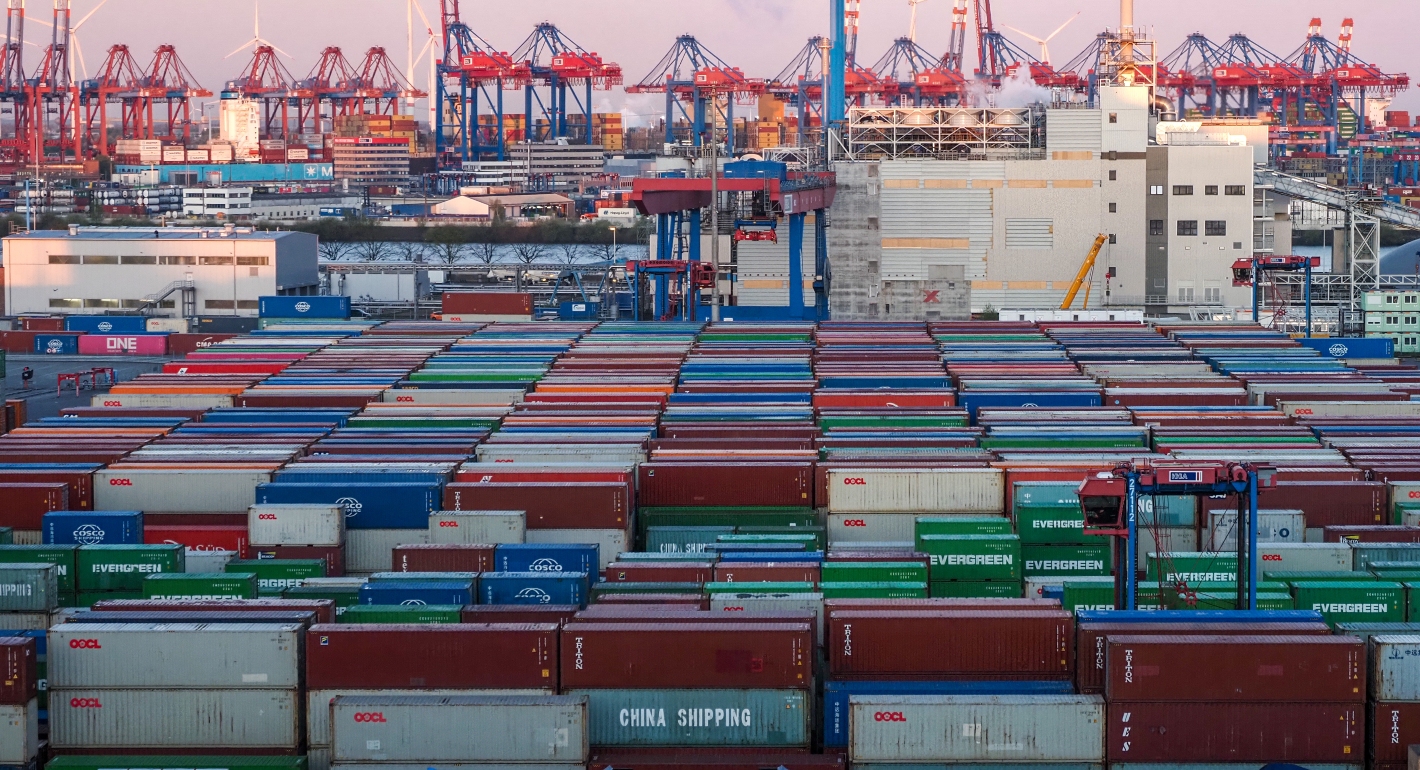
As geopolitical rivalry weaponizes global supply chains, the EU’s true vulnerability lies in emerging-risk imports. For these goods, suppliers are growing more concentrated, substitution more difficult, and political risk is looming.

Sinan Ülgen

The EU is putting together a new security strategy to meet today’s myriad challenges. But for any proposal to be effective, the union needs to grapple with its identity and ambitions.

Pierre Vimont
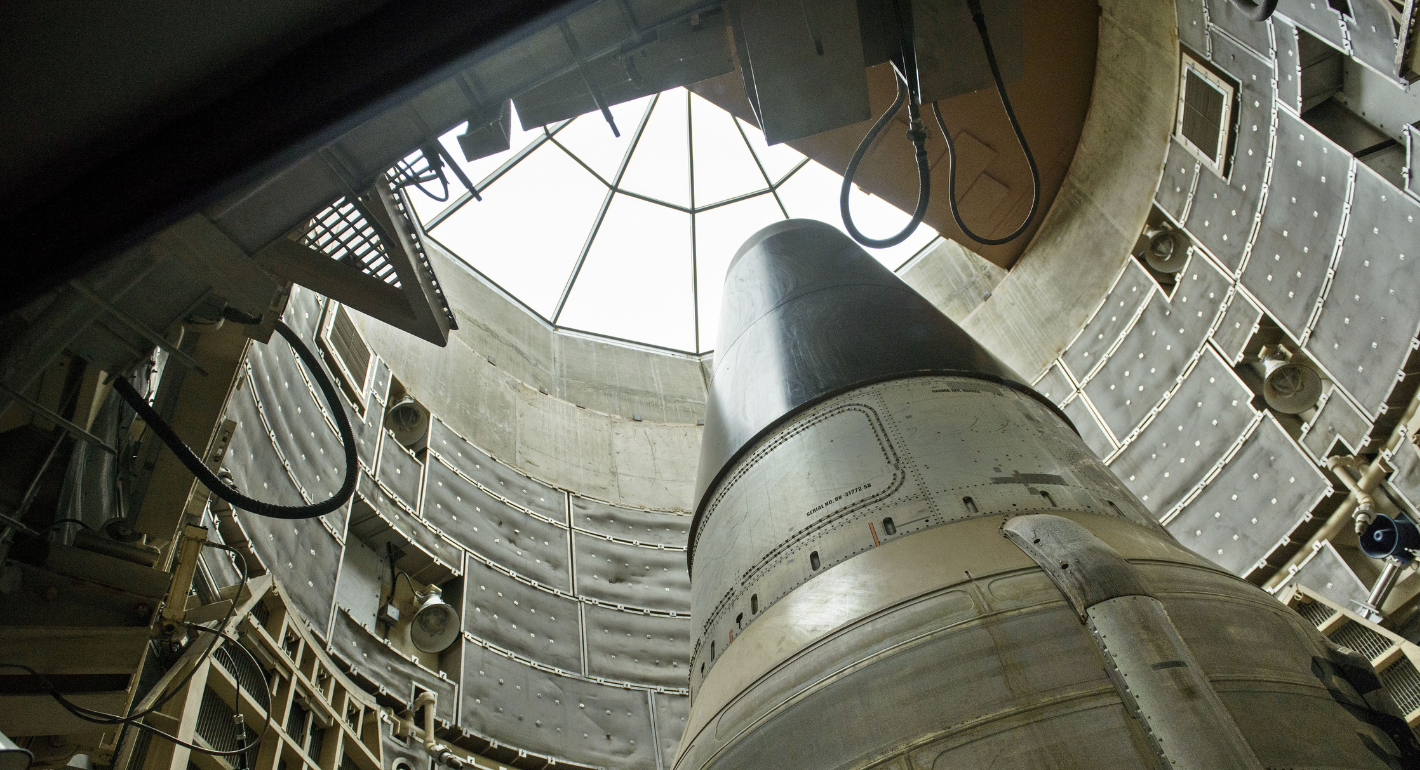
Amid uncertainty caused by the Iran war, the global drive for nonproliferation has stalled. With Europe diplomatically marginalized and countries reassessing their nuclear options, efforts to curb the spread of nuclear weapons risk becoming irrelevant.

Jane Darby Menton
Between the United States’ market-driven approach and China's state-led industrial strategy, Europe is reckoning with how it can remain competitive in the global economy. But is Europe in danger of becoming a U.S. or China colony?


Noah Barkin, Anu Bradford