


Closer EU-UK ties could help address urgent European concerns. But is the EU ready for rapprochement with the United Kingdom?
Rym Momtaz, ed.
{
"authors": [
"Richard Sokolsky",
"Aaron David Miller"
],
"type": "legacyinthemedia",
"centerAffiliationAll": "",
"centers": [
"Carnegie Endowment for International Peace"
],
"collections": [],
"englishNewsletterAll": "",
"nonEnglishNewsletterAll": "",
"primaryCenter": "Carnegie Endowment for International Peace",
"programAffiliation": "",
"programs": [],
"projects": [],
"regions": [
"North America",
"United States"
],
"topics": [
"Security",
"Foreign Policy"
]
}Source: Getty
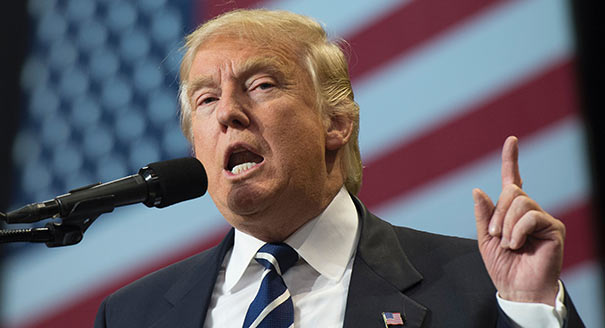
National Security Strategies are typically less detailed foreign policy to do lists than broad principles and platitudes designed to persuade people that an administration has a compelling and effective strategy. A year in it’s not at all clear that the Trump administration has one.
Source: USA Today
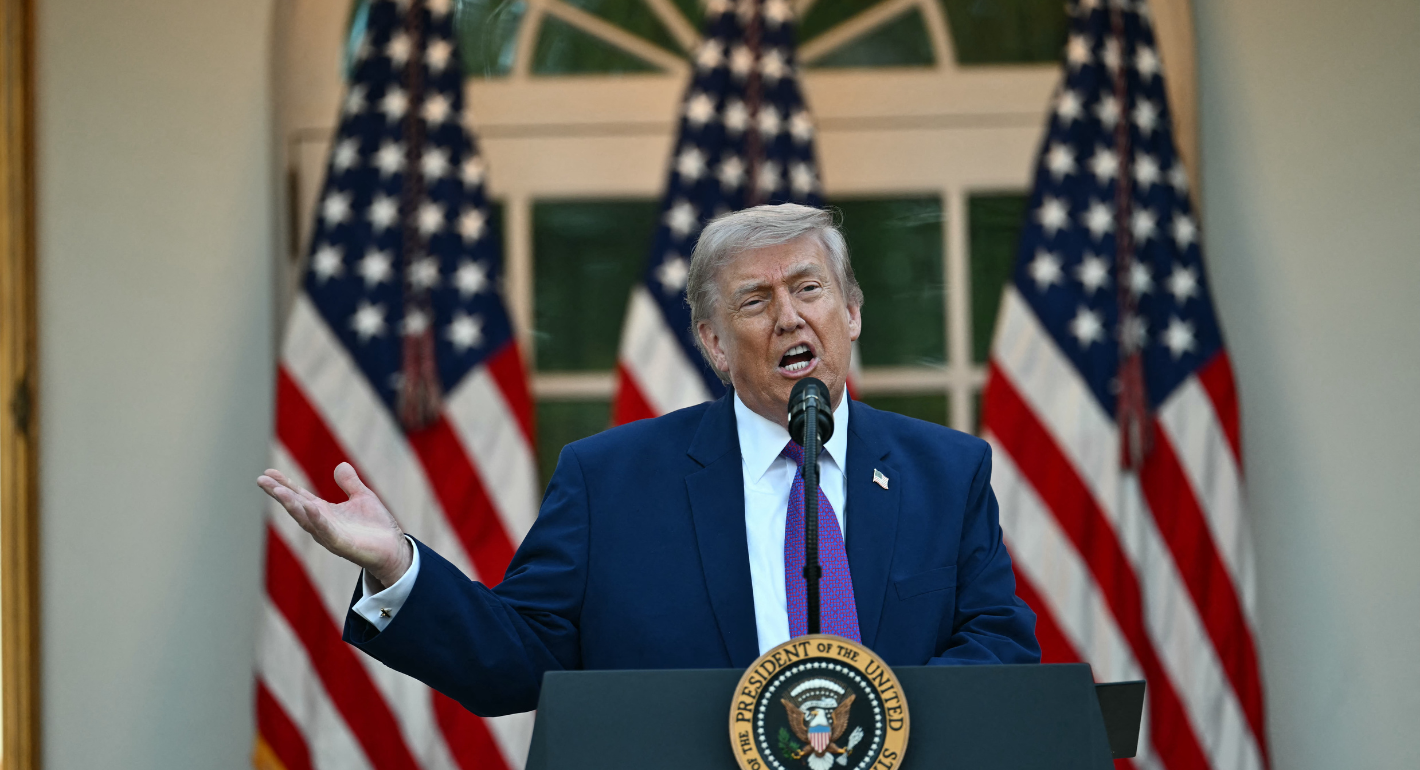
Who says Donald Trump doesn’t have a foreign policy? He does, but it wasn’t the one he rolled out in a speech Monday on his administration’s national security strategy.
Much of the speech contains language quite consistent with Trumpian values, particularly the focus on America first, homeland security, trade protectionism, America’s sovereignty, and withdrawal from Paris Climate and Trans-Pacific Partnership. But it’s also full of bromides, slogans and platitudes to persuade Congress, the media and the public that the administration has a coherent strategy to protect U.S. interests in a turbulent world.
Still, there is little in the speech that reflects much of what Trump has actually done in foreign policy or why. Here’s a more politically inconvenient guide to Trump’s foreign policy. And unlike the national security strategy, it may well provide clues as to how he’ll operate for the remainder of his presidency....
Nonresident Senior Fellow, Russia and Eurasia Program
Richard Sokolsky is a nonresident senior fellow in Carnegie’s Russia and Eurasia Program. His work focuses on U.S. policy toward Russia in the wake of the Ukraine crisis.
Senior Fellow, American Statecraft Program
Aaron David Miller is a senior fellow at the Carnegie Endowment for International Peace, focusing on U.S. foreign policy.
Carnegie does not take institutional positions on public policy issues; the views represented herein are those of the author(s) and do not necessarily reflect the views of Carnegie, its staff, or its trustees.
Closer EU-UK ties could help address urgent European concerns. But is the EU ready for rapprochement with the United Kingdom?
Rym Momtaz, ed.
Europe has been standing by while its Southern neighborhood is being redrawn by force. To establish a path to peace between Israel and Lebanon, it’s time for Europeans to get involved with hard power.
Rym Momtaz
In Ukraine, Gaza, and Iran, AI warfare has come to dominate, with barely any oversight or accountability. Europe must lead the charge on the responsible use of new military technologies.
Raluca Csernatoni
Montenegro and Albania are frontrunners for EU enlargement in the Western Balkans, but they can’t just sit back and wait. To meet their 2030 accession ambitions, they must make a strong positive case.
Dimitar Bechev, Iliriana Gjoni
Donald Trump has repeatedly bashed NATO and European allies, threatening to annex Canada and Greenland and deploring their lack of enthusiasm for his war of choice in Iran. Is this latest round of abuse the final straw?
Rym Momtaz, ed.