

Report
- +2
George Perkovich, Jessica Tuchman Mathews, Joseph Cirincione, …
{
  "authors": [
    "Jon Wolfsthal"
  ],
  "type": "legacyinthemedia",
  "centerAffiliationAll": "dc",
  "centers": [
    "Carnegie Endowment for International Peace"
  ],
  "collections": [
    "Korean Peninsula"
  ],
  "englishNewsletterAll": "ctw",
  "nonEnglishNewsletterAll": "",
  "primaryCenter": "Carnegie Endowment for International Peace",
  "programAffiliation": "NPP",
  "programs": [
    "Nuclear Policy"
  ],
  "projects": [],
  "regions": [
    "East Asia",
    "North Korea"
  ],
  "topics": [
    "Nuclear Policy",
    "Arms Control"
  ]
}
Source: Getty
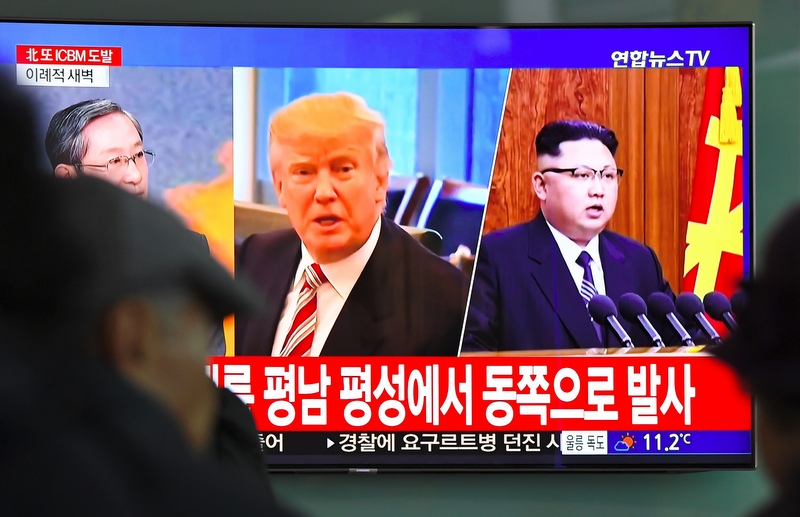
The risks for a Trump-Kim summit remain high, and Trump’s notorious inconsistency and irritability cannot be dismissed.
Source: Foreign Policy
If you are a North Korea expert, your head is spinning these days. News that U.S. President Donald Trump had agreed to a risk-fraught summit with North Korean leader Kim Jong Un took everyone by surprise. The announcement this week that CIA Director and Secretary of State nominee Mike Pompeo had visited Pyongyang and met with Kim gave already dizzy brains another turn—although the news is more reassuring than not.
Using diplomacy, backed by sanctions and strong alliances, to stop and roll back North Korea’s nuclear weapons and ballistic missile programs has been the goal of multiple Republican and Democratic administrations. I have been part of such efforts in the last two Democratic administrations—in the 1990s, on the ground, implementing the Agreed Framework that froze North Korea’s nuclear efforts for almost a decade through engagement, and under President Barack Obama’s administration, ensuring that North Korea was isolated and starved of money and resources until it agreed to talk real denuclearization. Progress toward engaging with North Korea through diplomacy should have strong bipartisan support, even if the process to get to this point has been unconventional.
The risks for a Trump-Kim summit remain high, and Trump’s notorious inconsistency and irritability cannot be dismissed. But Trump’s disclosure that Pompeo and Kim met has put to rest one of the biggest concerns surrounding the U.S.-North Korea summit — that Trump might prepare insufficiently and try to wing it. Anyone who has worked on North Korea should welcome the decision to pursue serious diplomacy.
Pompeo is Trump’s most trusted foreign-policy advisor. While extreme and hawkish on many issues, he is both very intelligent and well informed by his knowledgeable CIA staff. This in no way guarantees a positive summit outcome, but it does reduce the risk that the United States and North Korea talk past each other on the issue of denuclearization or that South Korean leaders, eager to avoid a conflict, have inaccurately reported what Kim has said about a desire to pursue the elimination of nuclear weapons.
It remains more likely than not that Kim’s strategy is to gain status and legitimacy and to play the United States and South Korea against one another. Trump’s rash language over the past year, his decision to impose tariffs on South Korea, and the reported U.S. decision to try to charge South Korea for the cost of deploying missile defenses and of strategic bomber flights have all made this approach easier for North Korea. However, as the U.S. president and his top lieutenants get more invested and involved in a summit, the harder it will be for diplomacy to fail. Investments in prestige and effort may create momentum for sustained engagement that hopefully will pay off. Trump may rightly sense that he does not want to be blamed should the summit fail, and Kim may feel the same way, creating an almost perverse incentive for success.
Many experienced government security experts were understandably worried that a reflexive and impulsive Trump would expect Kim to disarm because of his toughness and superior negotiating skills. Maybe Trump still believes this will be the edge that allows him to succeed where others, including Obama, have failed. Regardless, finding out if a deal is really possible, and on what terms, helps ensure alliance credibility and unity—and leaves the door open for much-needed de-escalation and communication tools.
Despite obvious reasons to be skeptical, and larger concerns about Trump’s handling of many other issues, the world should welcome and encourage real diplomatic efforts to pursue a more stable and less nuclear Korean Peninsula. It is also encouraging that senior U.S. officials are working on the details, since the mechanics of verifying a deal that locks in the current freeze, caps North Korea’s nuclear and missile complex, and then eventually eliminates it would take many months to negotiate and years to implement, even under an intrusive and constructive set of agreements. Verification, while difficult, is achievable. Just as the United States established the access and terms needed to verify the Iran nuclear deal and the New START agreement with Russia, the technological and verification aspects of an accord can fall into place if a political deal is struck.
Lastly, Trump recognizing that diplomacy takes time and hard work, and can produce real results that bring accolades, is a valuable realization. Others should encourage it, in hopes it will become a habit. It is good that the Trump administration is testing the proposition that North Korea wants to deal. Trump deserves credit for this. Let’s hope he earns more—and makes real, lasting progress.
Former Nonresident Scholar, Nuclear Policy Program
Jon Wolfsthal was a nonresident scholar with the Nuclear Policy Program.
Recent Work


George Perkovich, Jessica Tuchman Mathews, Joseph Cirincione, …
Jon Wolfsthal
Carnegie does not take institutional positions on public policy issues; the views represented herein are those of the author(s) and do not necessarily reflect the views of Carnegie, its staff, or its trustees.

When the U.S.-Iran memorandum of understanding was announced, the UK, France, Germany, and Italy declared their readiness to help demine the Strait of Hormuz and lift nuclear sanctions on Tehran. But does Europe need new tools to recover a diplomatic role?

Rym Momtaz, ed.
Amid uncertainty caused by the Iran war, the global drive for nonproliferation has stalled. With Europe diplomatically marginalized and countries reassessing their nuclear options, efforts to curb the spread of nuclear weapons risk becoming irrelevant.

Jane Darby Menton
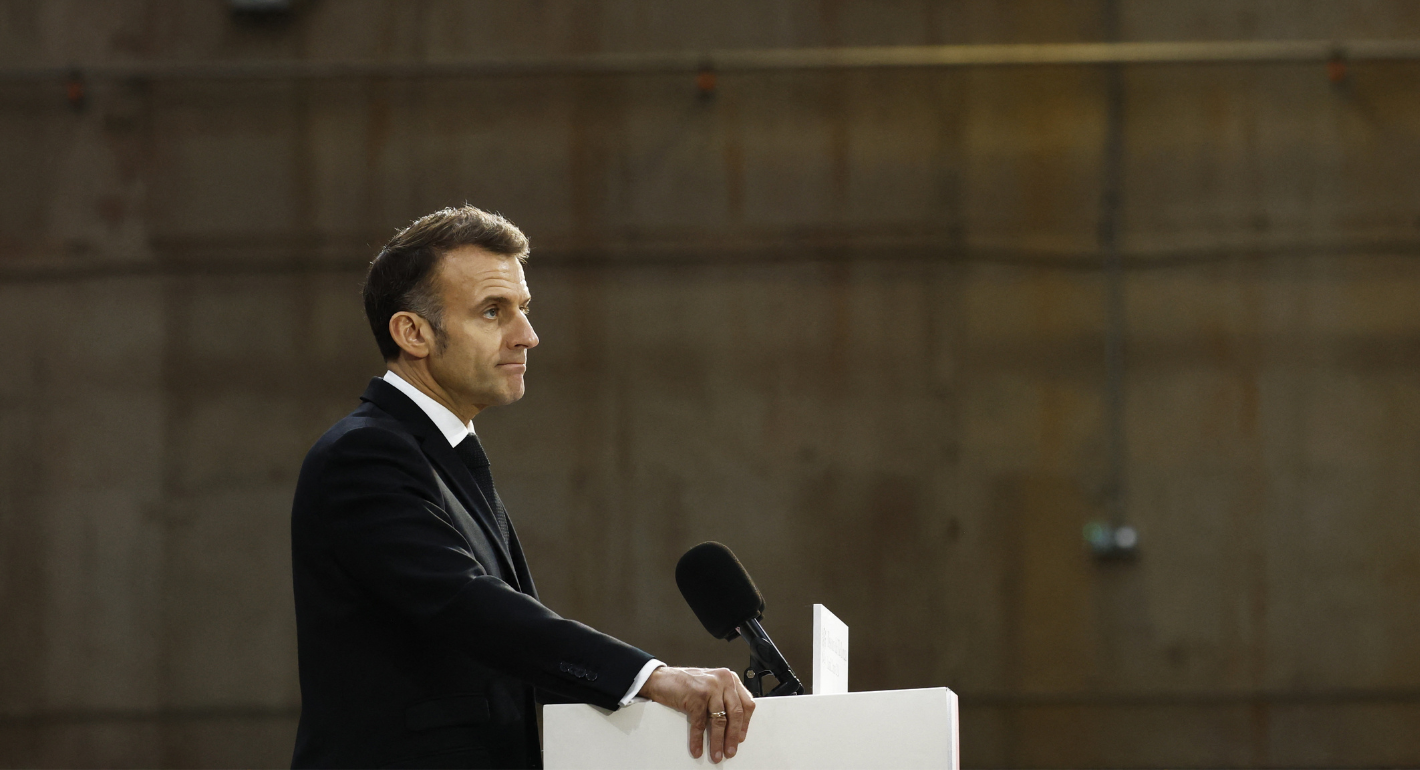
French President Emmanuel Macron has unveiled his country’s new nuclear doctrine. Are the changes he has made enough to reassure France’s European partners in the current geopolitical context?
Rym Momtaz, ed.
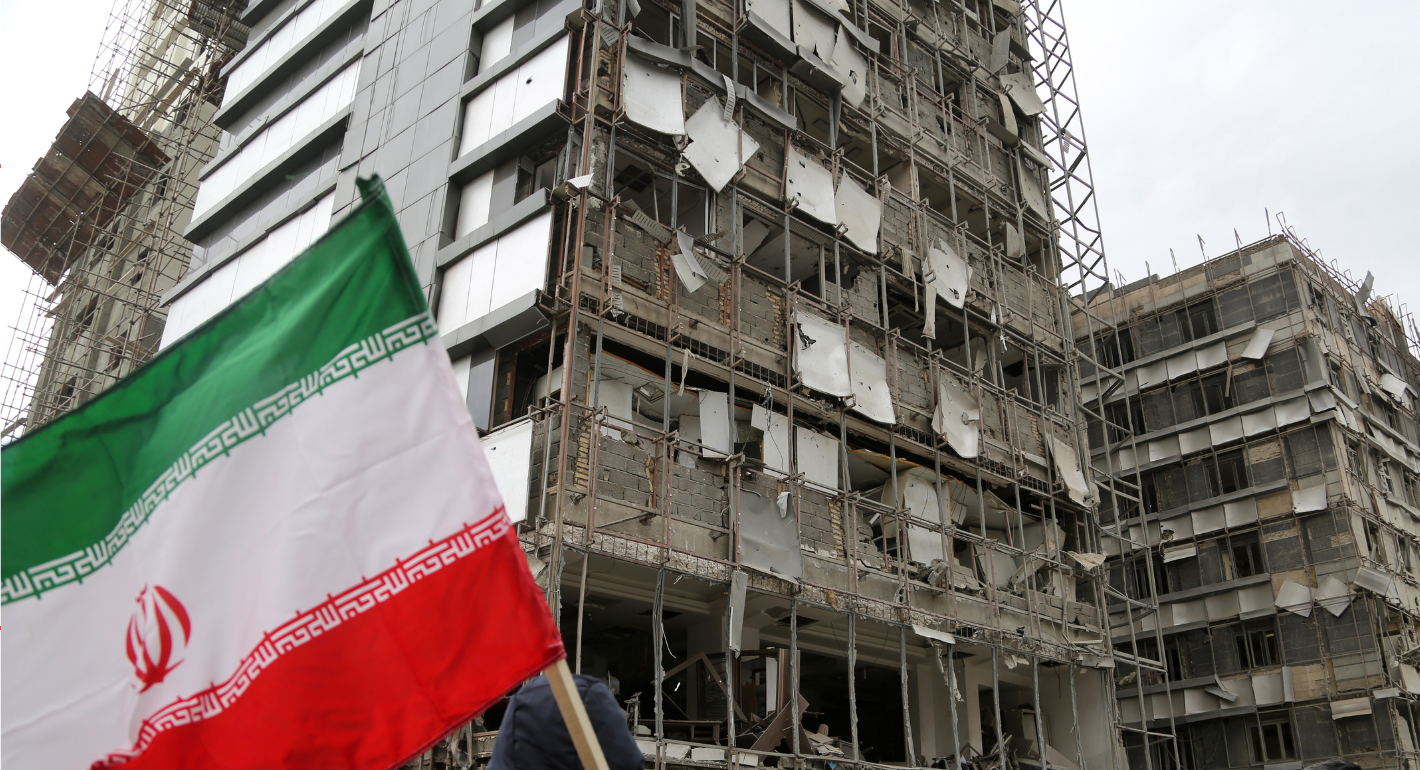
Europe’s reaction to the war in Iran has been disunited and meek, a far cry from its previously leading role in diplomacy with Tehran. To avoid being condemned to the sidelines while escalation continues, Brussels needs to stand up for international law.

Pierre Vimont
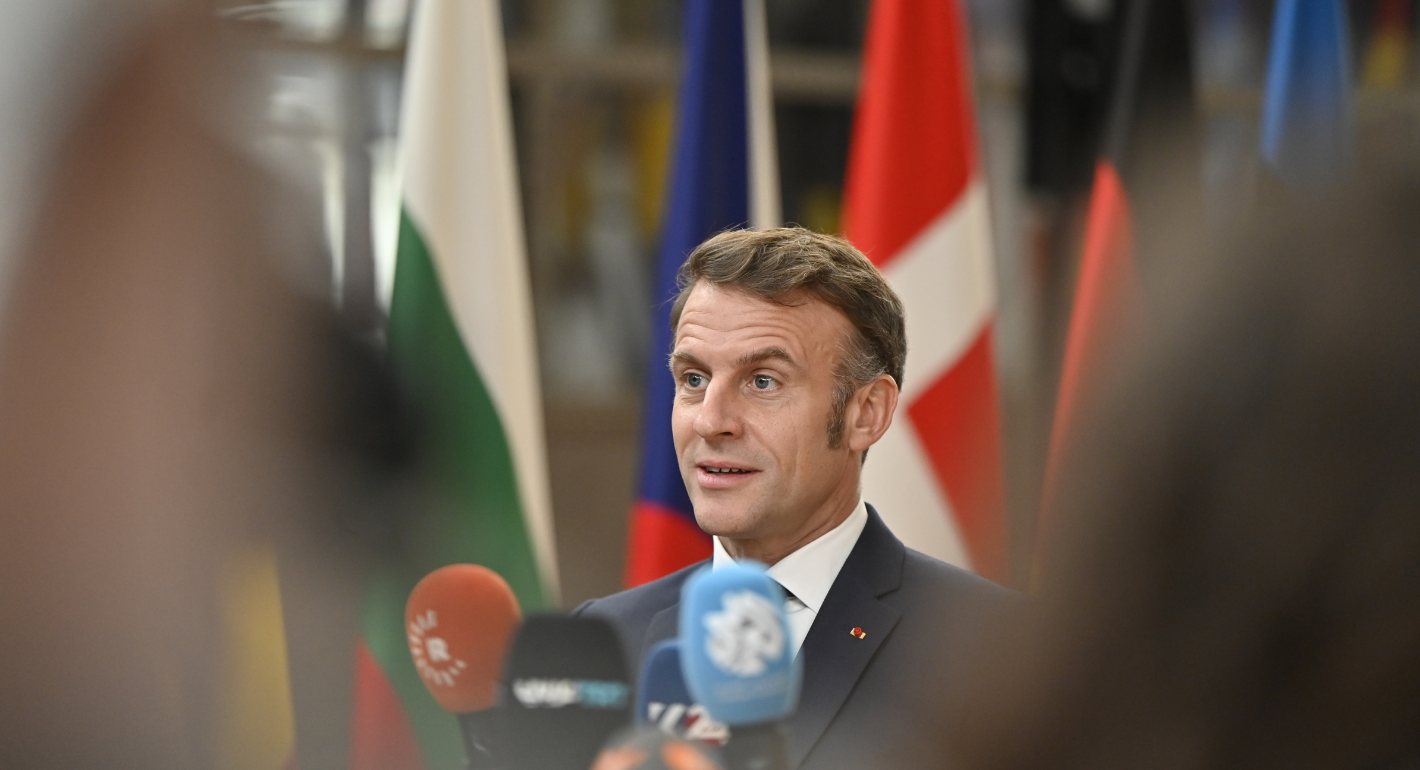
France has stopped clinging to notions of being a great power and is embracing the middle power moment. But Emmanuel Macron has his work cut out if he is to secure his country’s global standing before his term in office ends.
Rym Momtaz