

Book
Europe is facing rising populism internally as well as external pressures from Russia, China, Turkey, and the United States.
Dimitar Bechev
{
  "authors": [
    "Ashley J. Tellis",
    "Bharath Gopalaswamy",
    "James Cunningham",
    "David Petraeus",
    "Husain Haqqani",
    "Manish Tewari",
    "Anita McBride"
  ],
  "type": "other",
  "centerAffiliationAll": "dc",
  "centers": [
    "Carnegie Endowment for International Peace"
  ],
  "collections": [],
  "englishNewsletterAll": "ctw",
  "nonEnglishNewsletterAll": "",
  "primaryCenter": "Carnegie Endowment for International Peace",
  "programAffiliation": "SAP",
  "programs": [
    "South Asia"
  ],
  "projects": [],
  "regions": [
    "South Asia",
    "Afghanistan",
    "Pakistan"
  ],
  "topics": [
    "Security",
    "Military",
    "Foreign Policy"
  ]
}
Source: Getty
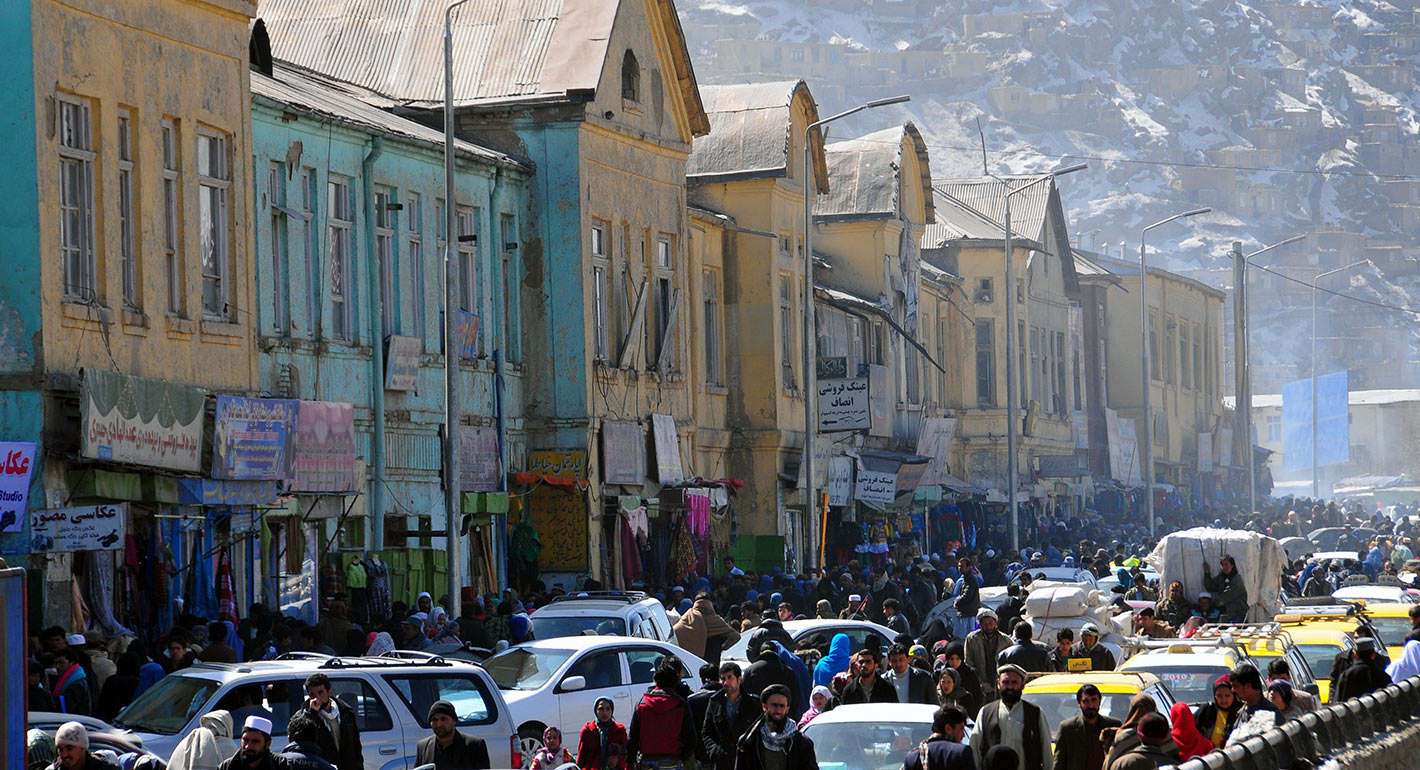
The Trump administration’s strategy in Afghanistan is promising, but the United States must devote substantial resources and effort to ensure its success.
Source: Atlantic Council
One year after President Donald Trump’s announcement of his strategy in South Asia and Afghanistan, the authors believe that the administration is on the right course, but that it can, and must, do better. Improved implementation offers the opportunity to end the Afghanistan conflict in a way that advances the core US interests of defeating terrorism and demonstrating that a moderate Islamic state, aligned with the international community, can succeed.
The Trump strategy is new in important respects: its focus is to bring the conflict to an end on terms acceptable to the Afghan people and their international partners; its aim is to preserve the achievements in Afghanistan that, first and foremost, contribute to American security; it is conditions-based; it properly views Afghanistan in a regional context, with a renewed focus on Pakistan; and it provides Secretary of Defense James Mattis and his commanders flexibility in shaping the deployment and use of US forces in support of Afghanistan and the counterterrorism mission. The strategy intends to enable Afghanistan to become a more stable state—one capable of protecting its people with limited outside support—as well as to lay the foundation for bringing the Taliban to the negotiating table, and, ultimately, to end the conflict.
Afghanistan is an Islamic partner committed to the international fight against terrorism. As long as it remains such a partner, and continues to pursue better governance, much-needed reforms, and democratic expression for its people, the United States will be able to advance the strategy through increasing military pressure on the Taliban, and through the concerted use of international efforts to shape the diplomatic environment, to affect the behavior and calculations of the Taliban and other actors, especially Pakistan.
The strategy is still developing after a year, but is beginning to produce results—even though it has not yet been adequately explained nor, on the political side, adequately resourced. Doubts remain as to its feasibility and ultimate success. However, the authors believe that it can succeed with a renewed and visible effort at comprehensive implementation, and improved alignment of the many lines of diplomatic and political effort required to produce results. Success will require demonstrating to all concerned—especially Afghanistan’s adversaries and neighbors—that the United States is committed to the strategy, and to fostering the crucial political process required to end the conflict.
Achieving such a political process will take time, along with a multifaceted and multilateral diplomatic campaign of extraordinary complexity, even as the Afghan and coalition military effort shapes conditions on the ground. The Trump strategy corrects the most serious weaknesses of the Barack Obama administration’s efforts, the most counterproductive of which was the announced accelerated withdrawal of US forces based on an unrealistic timeline, rather than according to conditions on the ground. Commitment to a timeline encouraged US adversaries to wait out US forces, discouraged US partners, and encouraged continued hedging behaviors by the countries of the region. Among the counterproductive effects was the psychological impact on the Afghans as they strive to rebuild safe communities and a functioning economy.
This report was originally published by the Atlantic Council South Asia Center.
Former Senior Fellow
Ashley J. Tellis was a senior fellow at the Carnegie Endowment for International Peace.
Bharath Gopalaswamy
James Cunningham

David Petraeus
David Petraeus is a partner and chairman of the KKR Global Institute, which he established in May 2013. Prior to founding KKR, Petraeus served over thirty-seven years in the U.S. military, culminating his career with six consecutive commands, five of which were in combat, and serving as director of the Central Intelligence Agency from 2011 to 2012.
Husain Haqqani
Manish Tewari
Anita McBride
Carnegie does not take institutional positions on public policy issues; the views represented herein are those of the author(s) and do not necessarily reflect the views of Carnegie, its staff, or its trustees.

Europe is facing rising populism internally as well as external pressures from Russia, China, Turkey, and the United States.

Dimitar Bechev

Much has been said of the changes Brussels is trying to make to the EU enlargement process. Here’s why gradual integration might—or might not—be the answer.
Dimitar Bechev

The European Commissioner for Trade is headed to China. But after President Xi’s bridge-building visit to Washington, can a more isolated EU overcome Beijing’s stranglehold on critical raw materials? Who will blink first?

Rym Momtaz, ed.

European NATO countries are wrestling with the possibility of U.S. disengagement from the alliance. With the continent’s security increasingly uncertain, governments must restore the credibility of their collective defense.



Hans-Dieter Lucas, Adam Thomson, Pierre Vimont

The new U.S.–Denmark–Greenland agreement will help Washington exert political, economic, and financial dominance under the guise of security. Yet, it acknowledged Copenhagen’s and Nuuk’s sovereignty on the island.

Marc Pierini