

Other
François Godement, Ashley J. Tellis
{
  "authors": [
    "François Godement"
  ],
  "type": "legacyinthemedia",
  "centerAffiliationAll": "dc",
  "centers": [
    "Carnegie Endowment for International Peace"
  ],
  "collections": [],
  "englishNewsletterAll": "asia",
  "nonEnglishNewsletterAll": "",
  "primaryCenter": "Carnegie Endowment for International Peace",
  "programAffiliation": "AP",
  "programs": [
    "Asia"
  ],
  "projects": [],
  "regions": [],
  "topics": [
    "Economy",
    "Trade"
  ]
}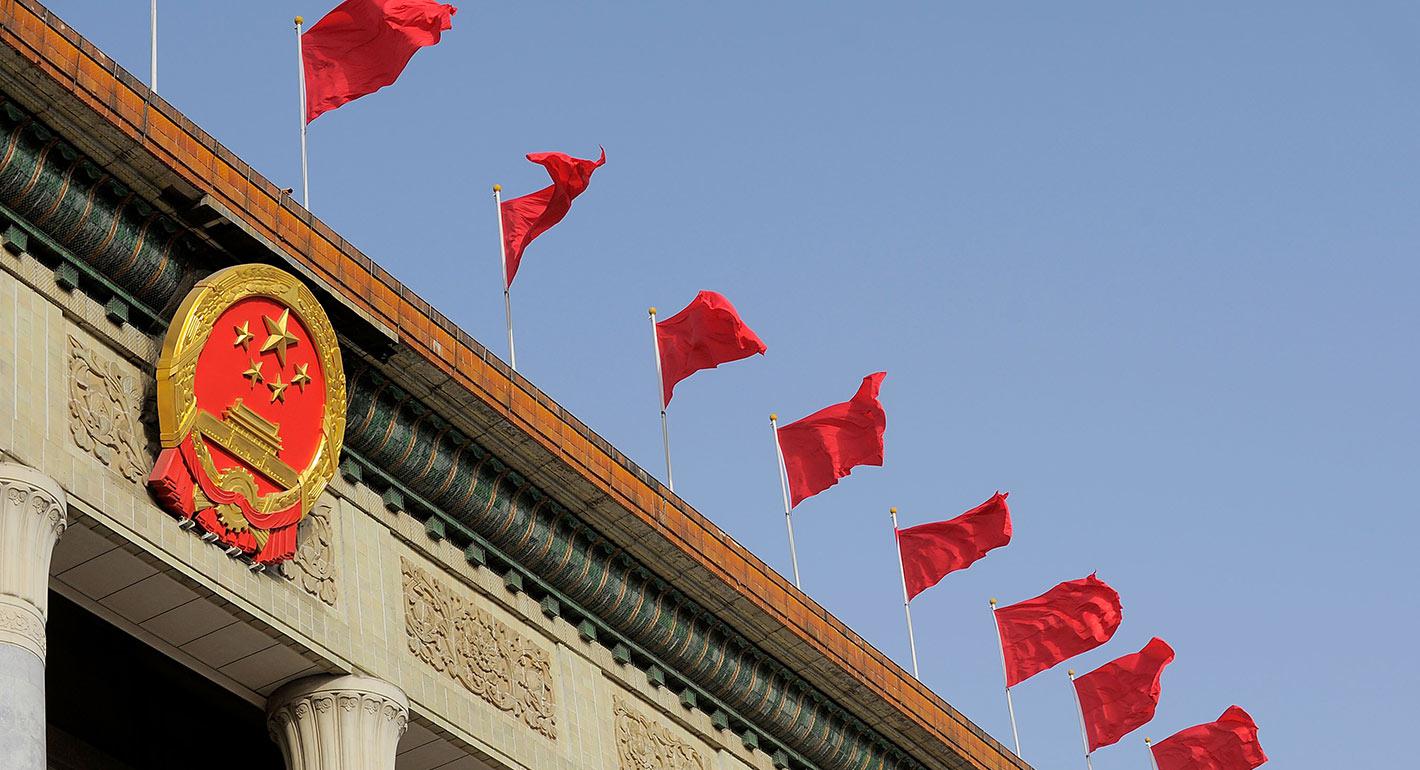
Source: Getty
China’s 2001 entry into WTO was an epochal step in China’s reform and opening up. As the transition ended in December 2016, China had skyrocketed to become the world’s first trading nation.
Source: Institut Montaigne
China’s 2001 entry into WTO was an epochal step in China’s reform and opening up. As the transition ended in December 2016, China had skyrocketed to become the world’s first trading nation. It is not hard to understand why Chinese sources (described in this issue by Pierre Sel) recognize the benefits to China from WTO membership.
In 2017, Donald Trump came to power with a program to restore the pre-eminence of the US economy. Mammoth trade deficits with China are an obvious target. Europeans, as the sources seen by Mathieu Duchâtel politely tell it, are experiencing "growth pains" in their relationship with China, now a global competitor in many sectors.
The formerly "developing" Chinese economy is reaching mid-level income levels (nearly 10,000 USD per capita GDP in 2018), with several hundred million Chinese close to European levels of income. Yet it has not become a market economy. It is an even more state-led and politically driven economy, where huge saving rates are captured by state banks for state-owned enterprises. This is capital that fuels growth and subsidizes the industries of the future. Our Chinese sources, as seen by Viviana Zhu, are not blind to the changing perceptions from the outside world. Yet, China remains as a birth right the status of a developing economy under present WTO terms. The asymmetry of rules that this statute provides seems unshakable.

Former Nonresident Senior Fellow, Asia Program
Godement, an expert on Chinese and East Asian strategic and international affairs, was a nonresident senior fellow in the Asia Program at the Carnegie Endowment for International Peace.
Recent Work
François Godement, Ashley J. Tellis

François Godement, Abigaël Vasselier
Following Ursula von der Leyen’s gaffe equating Turkey to Russia and China, relations with Ankara risk deteriorating even further. Without better, more consistent diplomatic messaging, how can the EU pretend to be a geopolitical power?

Sinan Ülgen

The U.S.-sponsored TRIPP deal is driving the Armenia-Azerbaijan peace process forward. But foreign and domestic hurdles remain before connectivity and economic interdependence can open up the South Caucasus.



Thomas de Waal, Areg Kochinyan, Zaur Shiriyev

Economic growth is at the heart of a dilemma between planetary and international security.

Olivia Lazard
The war in Iran proves the United States is now a destabilizing actor for Europe and the Arab Gulf. From protect their economies and energy supplies to safeguarding their territorial integrity, both regions have much to gain from forming a new kind of partnership together.

Rym Momtaz
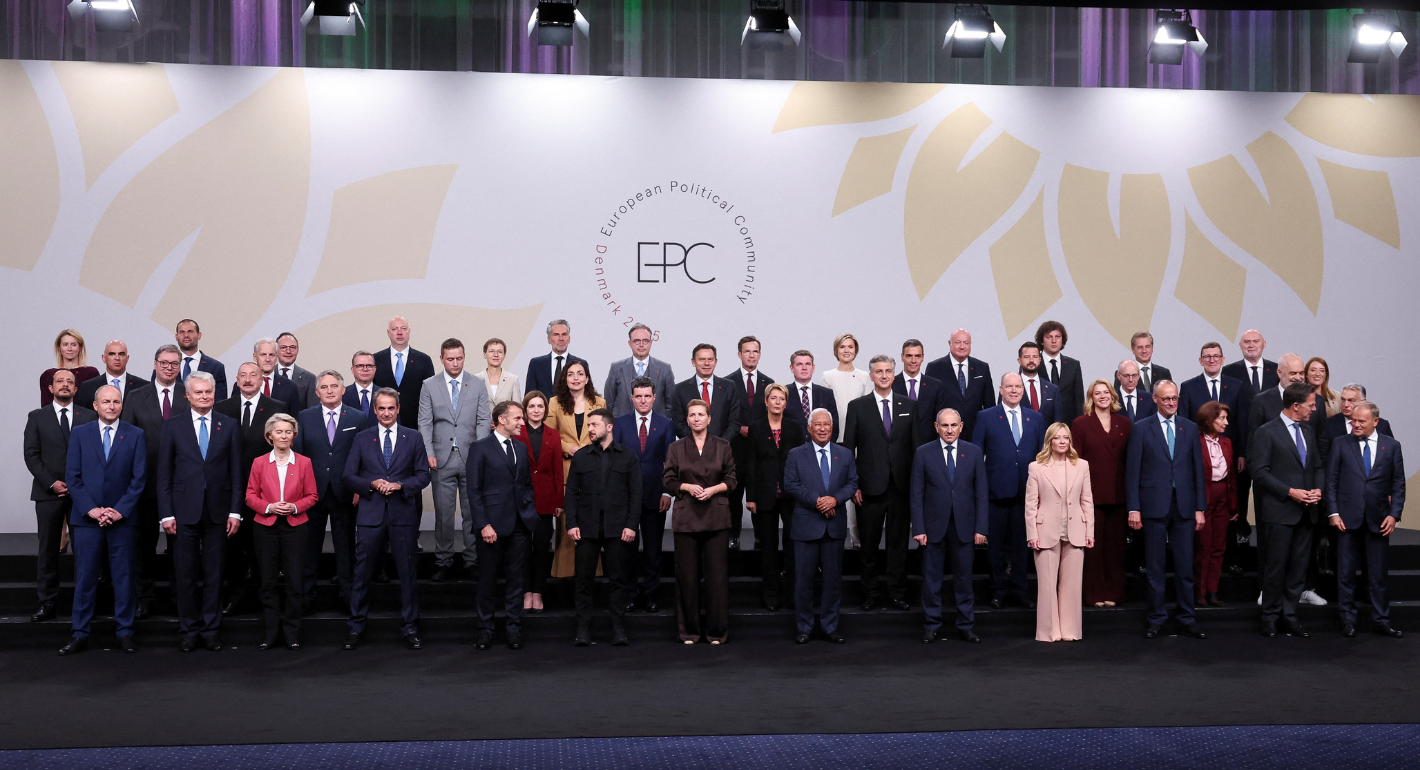
Europe isn’t as weak in the new geopolitics of power as many would believe. But to leverage its assets and claim a sphere of influence, Brussels must stop undercutting itself.

Dimitar Bechev