

Article
C. Raja Mohan, Darshana M. Baruah
{
  "authors": [
    "C. Raja Mohan"
  ],
  "type": "legacyinthemedia",
  "centerAffiliationAll": "",
  "centers": [
    "Carnegie Endowment for International Peace",
    "Carnegie India"
  ],
  "collections": [],
  "englishNewsletterAll": "",
  "nonEnglishNewsletterAll": "",
  "primaryCenter": "Carnegie India",
  "programAffiliation": "",
  "programs": [],
  "projects": [
    "Security Studies"
  ],
  "regions": [
    "South Asia",
    "Pakistan",
    "India",
    "Middle East"
  ],
  "topics": [
    "Foreign Policy"
  ]
}
Source: Getty
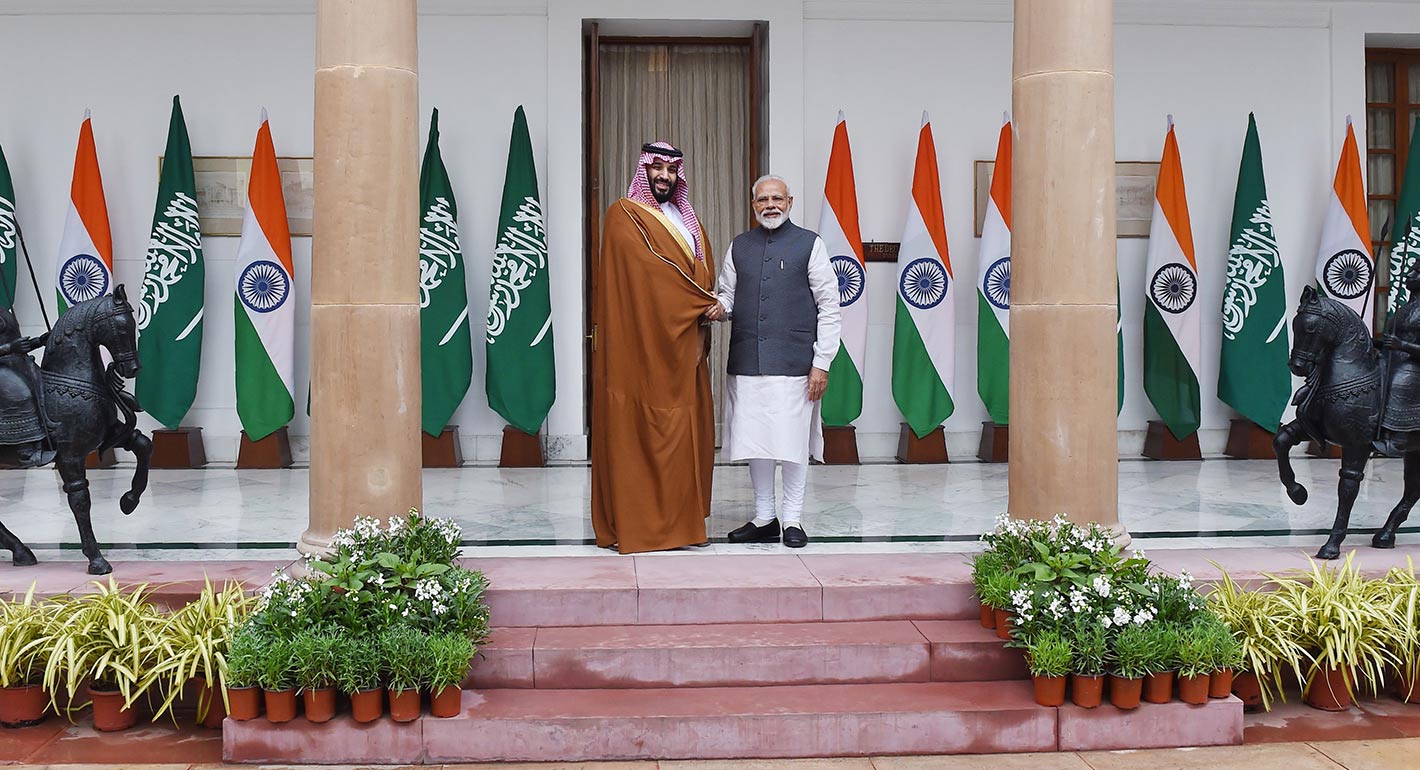
Today the House of Saud is becoming a valuable partner for New Delhi in promoting regional security in the subcontinent and beyond.
Source: Indian Express
The idea that the Gulf countries might have some interest, let alone a role, in South Asian security would sound quite improbable for most Indian ears. Whatever that role might be, there is no mistaking the significant activism of the Gulf countries to help defuse the current tensions between India and Pakistan. Media reports, for example, suggest that Saudi Arabia and the United Arab Emirates (UAE) pressed Pakistan to release Wing Commander Abhinandan Varthaman who was downed after a dogfight in the air with Pakistan Air Force last week.
In the past, many parts of the Gulf and Middle East tended to act as Pakistan’s strategic depth. For decades, shared religious identity and common approach to regional affairs gave Pakistan a political edge over India in the region. In recent years, though, Delhi has begun to correct that imbalance. As many Gulf countries, especially Saudi Arabia and the UAE, develop stronger economic and security bonds with India, they could become potential allies in nudging Pakistan towards political moderation and regional accommodation in the Subcontinent. The parlous state of its economy and dependence on financial bailouts from the UAE and Saudi Arabia has made Pakistan more amenable to such an outcome.
This is not some thing new. The security of the Indian Subcontinent and the Gulf region have always been inter-linked. The nature of that interdependence has, of course, varied over time and space. But independent India has tended to underestimate the importance of this strategic intimacy with the Gulf, thanks to Delhi’s entrenched ideological approach to the Middle East.
In the colonial era, undivided India loomed large over the Gulf. During that era, the Raj offered security protection, a framework for commerce and some administrative support. The Gulf and other locations in the Middle East were critical links in the larger architecture of Great Britain’s Imperial defence system in the eastern hemisphere centred on undivided India.
The armies of India had to embark on repeated expeditionary operations in the Gulf and the Middle East through the 19th and early 20th centuries. The Indian army played a key role in the Middle Eastern theatre in both the World Wars.
After Independence, India pulled out of any security role in the Gulf and the Middle East. Pakistan, however, joined the Anglo-American effort to replace the security vacuum created by the Indian withdrawal. It became a member of short-lived regional military alliance called the Central Treaty Organisation (CENTO). Its regional members included Pakistan, Iran, Iraq and Turkey. While India aligned with the nationalist and non-aligned governments like Egypt, Pakistan embraced conservative and pro-Western regimes.
While CENTO did not survive, it provided the basis for Pakistan’s external and internal security cooperation with a number of countries in the Gulf region. Some of them like Jordan, Iran and Turkey backed Pakistan during its wars with India in 1965 and 1971. As the Arab nationalist regimes steadily weakened in relation to the regional conservatives, India steadily lost political ground to Pakistan in the 1970s.
Matters got worse in the 1980s as India remained silent on the Soviet occupation of Afghanistan and the Gulf regimes joined Pakistan in promoting jihad against the Soviet Union. While India’s energy and economic dependence on the Gulf grew, its political vulnerability was shockingly visible when Delhi’s lone friend in the region, Saddam Hussein, invaded Kuwait and annexed it in 1990.
As key countries in the region rallied behind the US to roll back Saddam Hussein’s aggression, India scrambled to evacuate thousands of expatriates from the region. More significantly, India seemed unable to navigate the rapidly changing Middle East with its old slogans.
The 1990s also saw Pakistan mobilise significant support within the Middle East, including at the OIC and other international forums, to castigate India’s internal policies. The attack on the Babri Masjid and India’s troubles in the Kashmir valley gave ample political ammunition to Pakistan.
Paradoxically, the nuclear tests by India and Pakistan in May 1998 and the Kargil crisis in the summer of 1999, opened the possibilities for restructuring South Asia’s relations with the Gulf. The strategic dialogue between Jaswant Singh and the US Deputy Secretary Strobe Talbott during 1998-2000 opened an influential new channel to the Gulf. More important, the US mobilised Saudi Arabia during the Kargil War to encourage Prime Minister Nawaz Sharif to accept the Indian demand to pull Pakistan’s army back to the Line of Control. Sharif, fearful of the army chief Pervez Musharraf, wanted an American cover.
The influential Saudi ambassador in Washington, Bandar Bin Sultan, arranged a meeting for Sharif at the White House with President Bill Clinton on July 4, 1999. Prince Bandar received Sharif at the Dulles Airport and prepared him for the meeting next morning with Clinton. After he signed the controversial agreement (in Pakistan) to restore the Line of Control in accordance with the Simla Agreement, Prince Bandar had a Saudi Royal accompany a nervous Nawaz Sharif back home.
After Kargil, the NDA brought a new self-confidence and intensity to the engagement with the Gulf and the Middle East. That Jaswant Singh was the first Indian foreign minister to ever visit Saudi Arabia in late 2000 underlined how far Delhi and Riyadh had drifted in the decades before.
The bilateral relationship with Saudi Arabia that steadily improved in the UPA decade, acquired a fresh momentum under Prime Minister Narendra Modi. Two decades ago, Jaswant Singh sought to lift the Pakistan constraint on the bilateral relationship with Saudi Arabia. Today the House of Saud is becoming a valuable partner for Delhi in promoting regional security in the Subcontinent and beyond.
This article was originally published in the Indian Express.
Former Nonresident Senior Fellow, Carnegie India
A leading analyst of India’s foreign policy, Mohan is also an expert on South Asian security, great-power relations in Asia, and arms control.
Recent Work

C. Raja Mohan, Darshana M. Baruah


Alexander Gabuev, Paul Haenle, C. Raja Mohan, …
Carnegie does not take institutional positions on public policy issues; the views represented herein are those of the author(s) and do not necessarily reflect the views of Carnegie, its staff, or its trustees.
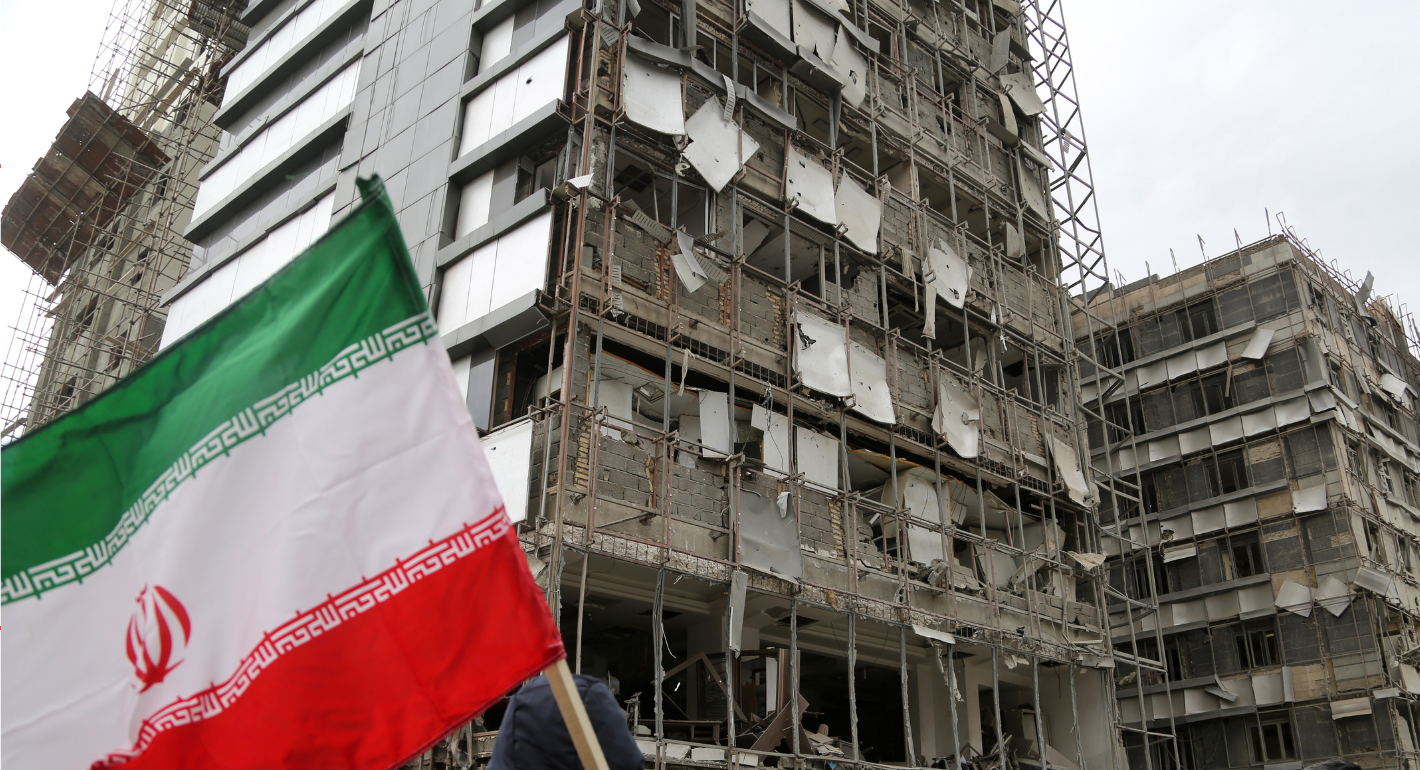
Europe’s reaction to the war in Iran has been disunited and meek, a far cry from its previously leading role in diplomacy with Tehran. To avoid being condemned to the sidelines while escalation continues, Brussels needs to stand up for international law.

Pierre Vimont
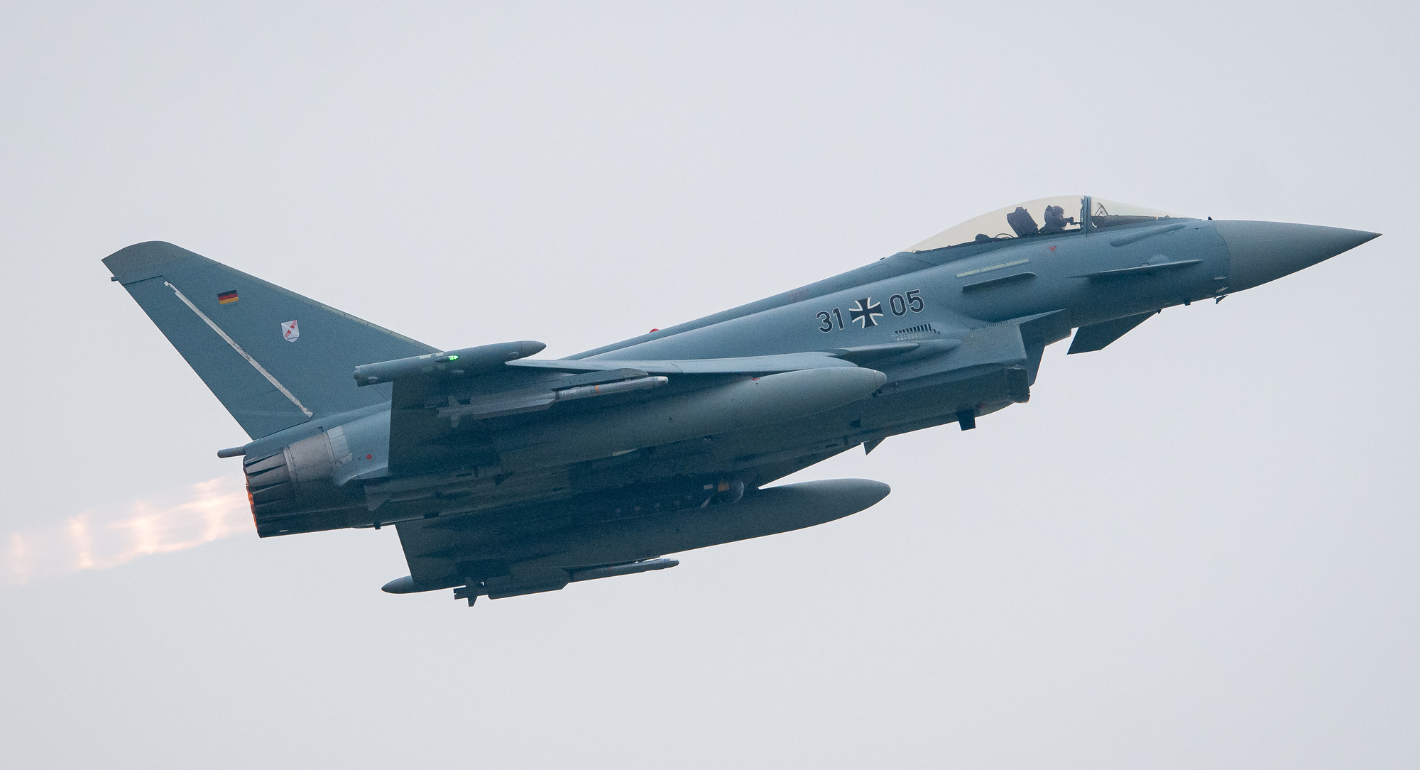
France and Germany’s failure to agree on the Future Combat Air System (FCAS) raises questions about European defense. Amid industrial rivalries and competing strategic cultures, what does the future of European military industrial projects look like?

Rym Momtaz, ed.
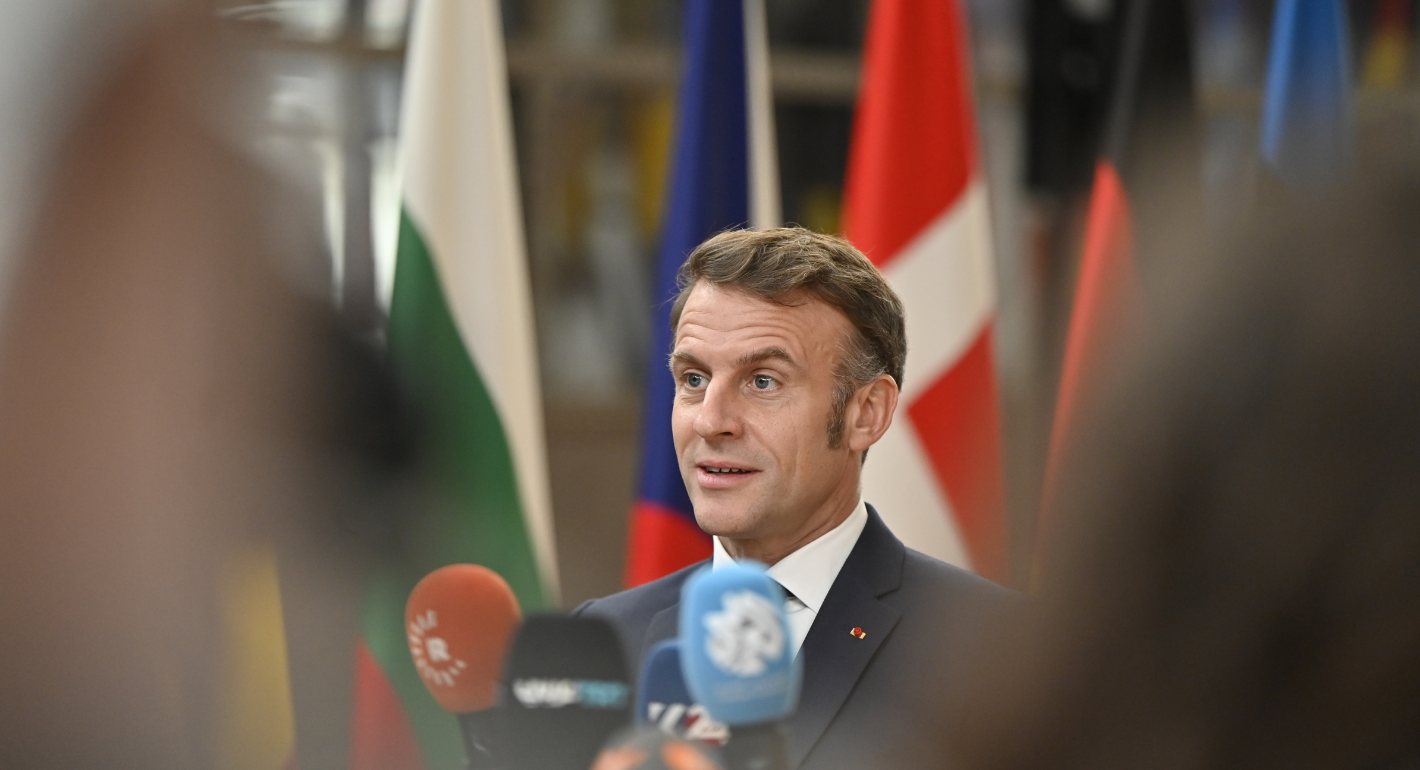
France has stopped clinging to notions of being a great power and is embracing the middle power moment. But Emmanuel Macron has his work cut out if he is to secure his country’s global standing before his term in office ends.
Rym Momtaz

Despite offering security benefits to candidates and the EU alike, the enlargement agenda appears stalled. Why is progress not being made, and is it time for Europe to rethink its approach?

Sylvie Goulard, Gerald Knaus
Over the past two decades, regional collaboration in the South Caucasus has intensified. Turkey and the EU should establish a cooperation framework to accelerate economic development and diversification.



Feride İnan, Güven Sak, Berat Yücel