

Article
Suyash Rai, Anirudh Burman
{
  "authors": [
    "Anirudh Burman"
  ],
  "type": "legacyinthemedia",
  "centerAffiliationAll": "",
  "centers": [
    "Carnegie Endowment for International Peace",
    "Carnegie India"
  ],
  "collections": [],
  "englishNewsletterAll": "",
  "nonEnglishNewsletterAll": "",
  "primaryCenter": "Carnegie India",
  "programAffiliation": "",
  "programs": [],
  "projects": [
    "Political Economy"
  ],
  "regions": [
    "India"
  ],
  "topics": [
    "Economy"
  ]
}
Source: Getty
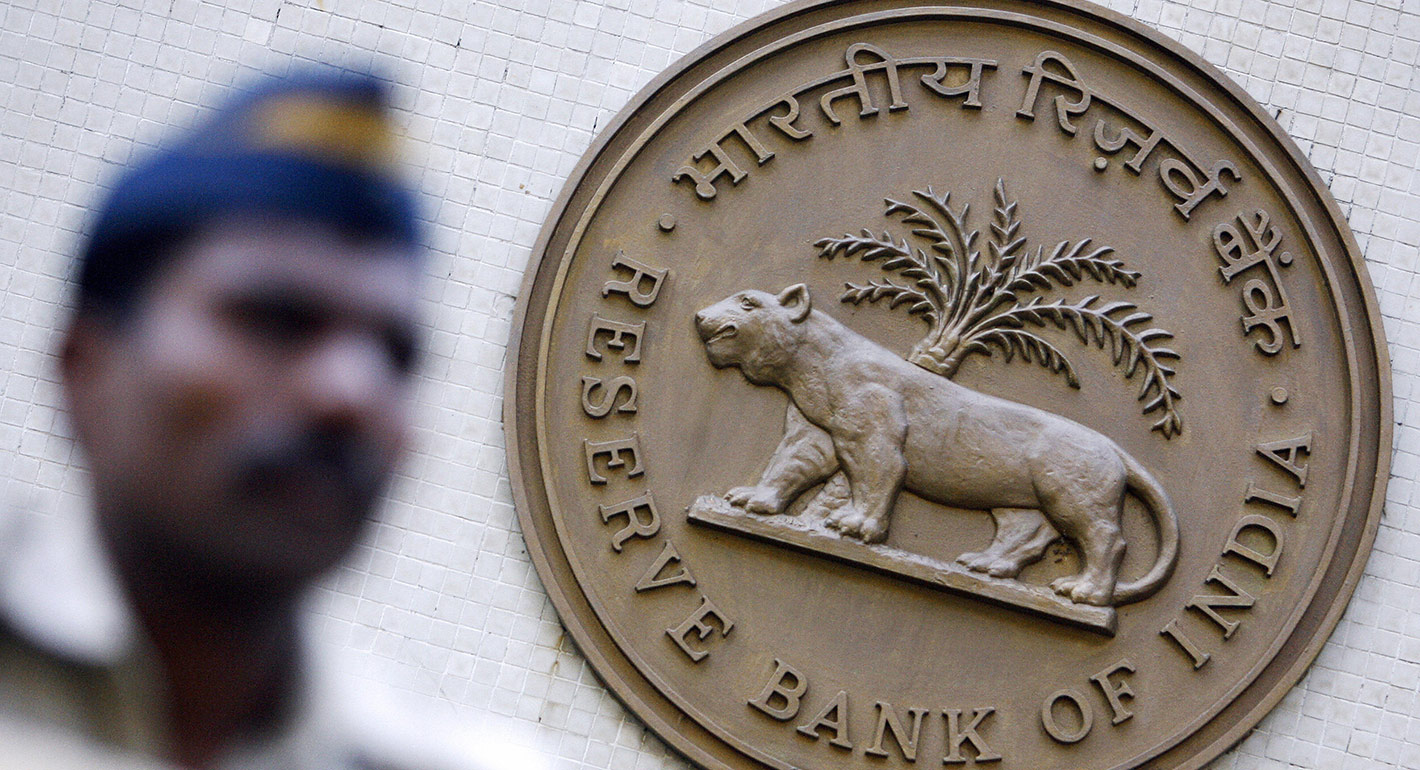
The Supreme Court’s recent decision striking down the RBI’s February 2018 circular on bad loans highlights something significant about the state machinery—the extent to which it can be a source of risk for private businesses.
Source: Print
The Supreme Court’s recent decision striking down the RBI’s February 2018 circular on bad loans highlights something significant about the state machinery — the extent to which it can be a source of risk for private businesses.
In that sense, the ruling provides an immediate relief to promoters in the power sector — mainly because the petitions challenging the RBI circular were primarily filed by power sector companies — from being dragged to insolvency courts under the Narendra Modi government’s 2016 legislation, the Insolvency and Bankruptcy Code (IBC).

Former Associate Research Director and Fellow, Carnegie India
Anirudh Burman was an associate research director and fellow at Carnegie India. He works on key issues relating to public institutions, public administration, the administrative and regulatory state, and state capacity.
Recent Work

Suyash Rai, Anirudh Burman
Anirudh Burman

The European Commissioner for Trade is headed to China. But after President Xi’s bridge-building visit to Washington, can a more isolated EU overcome Beijing’s stranglehold on critical raw materials? Who will blink first?

Rym Momtaz, ed.

The domestic impacts of how long it is taking to end the war in Ukraine have pushed the French electorate to the political extremes and compromised the country’s diplomatic capacity.
Rym Momtaz

A summer of escalation in the Black Sea has hurt Ukraine economically and is exacerbating world food security. A truce is needed—as is a broader reframing of Europe’s Ukraine strategy.

Thomas de Waal
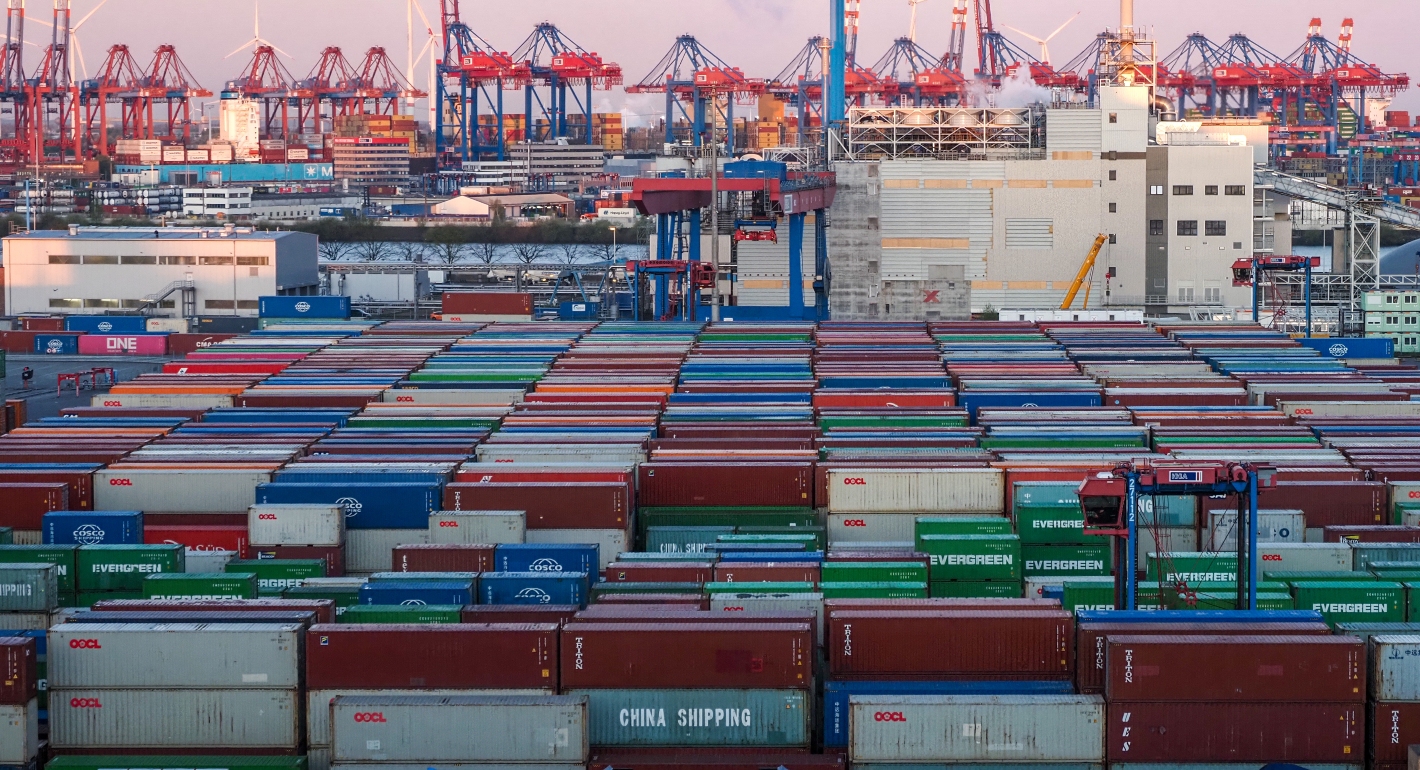
As geopolitical rivalry weaponizes global supply chains, the EU’s true vulnerability lies in emerging-risk imports. For these goods, suppliers are growing more concentrated, substitution more difficult, and political risk is looming.

Sinan Ülgen

The EU is putting together a new security strategy to meet today’s myriad challenges. But for any proposal to be effective, the union needs to grapple with its identity and ambitions.

Pierre Vimont