

Paper
- +3
Rajesh Bansal, Anirudh Burman, Rudra Chaudhuri, …
{
  "authors": [
    "Srinath Raghavan"
  ],
  "type": "legacyinthemedia",
  "centerAffiliationAll": "",
  "centers": [
    "Carnegie Endowment for International Peace",
    "Carnegie India"
  ],
  "collections": [],
  "englishNewsletterAll": "",
  "nonEnglishNewsletterAll": "",
  "primaryCenter": "Carnegie India",
  "programAffiliation": "",
  "programs": [],
  "projects": [],
  "regions": [
    "United States",
    "India"
  ],
  "topics": [
    "Foreign Policy"
  ]
}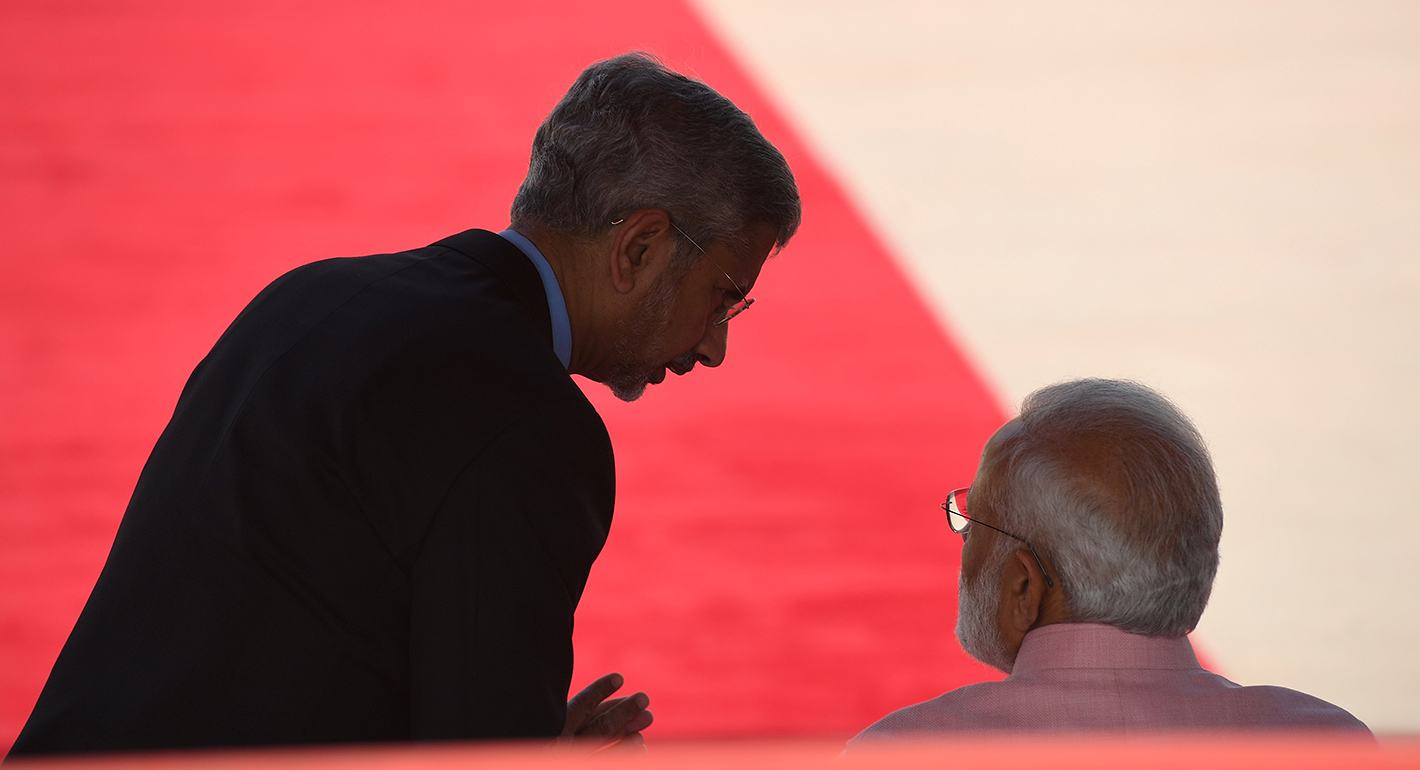
Source: Getty
Hours after he took over as the external affairs minister in the new Narendra Modi government, former diplomat S. Jaishankar had a situation on hand. U.S. President Donald Trump formally rescinded India’s designation as a beneficiary developing country under the Generalized System of Preferences.
Source: Print
Hours after he took over as the external affairs minister in the new Narendra Modi government, former diplomat S. Jaishankar had a situation on hand. US President Donald Trump formally rescinded India’s designation as a beneficiary developing country under the Generalized System of Preferences (GSP).
This designation, accorded to India in November 1975, provided preferential duty-free access to the US markets for an array of goods. It is the clearest expression yet of Trump’s intention to confront economic differences, especially bilateral trade deficit, with India head on — irrespective of its implications for the wider US-India relationship. While Jaishankar is no stranger to these issues, the context in which he will have to deal with them is more challenging than ever.

Nonresident Senior Fellow, Security Studies Program
Srinath Raghavan is a nonresident senior fellow at Carnegie India. His primary research focus is on the contemporary and historical aspects of India’s foreign and security policies.
Recent Work


Rajesh Bansal, Anirudh Burman, Rudra Chaudhuri, …
Srinath Raghavan
Carnegie does not take institutional positions on public policy issues; the views represented herein are those of the author(s) and do not necessarily reflect the views of Carnegie, its staff, or its trustees.
The war in Iran proves the United States is now a destabilizing actor for Europe and the Arab Gulf. From protect their economies and energy supplies to safeguarding their territorial integrity, both regions have much to gain from forming a new kind of partnership together.

Rym Momtaz
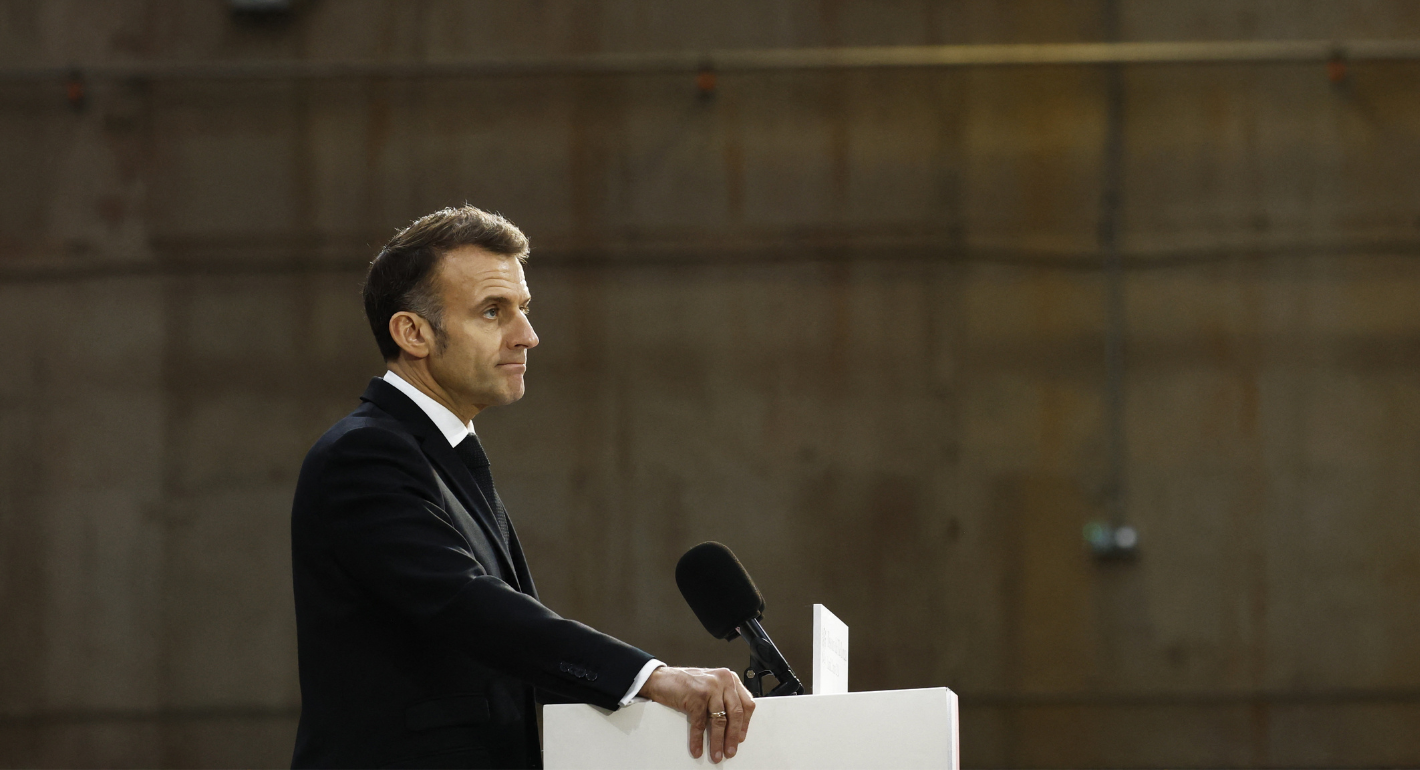
French President Emmanuel Macron has unveiled his country’s new nuclear doctrine. Are the changes he has made enough to reassure France’s European partners in the current geopolitical context?
Rym Momtaz, ed.
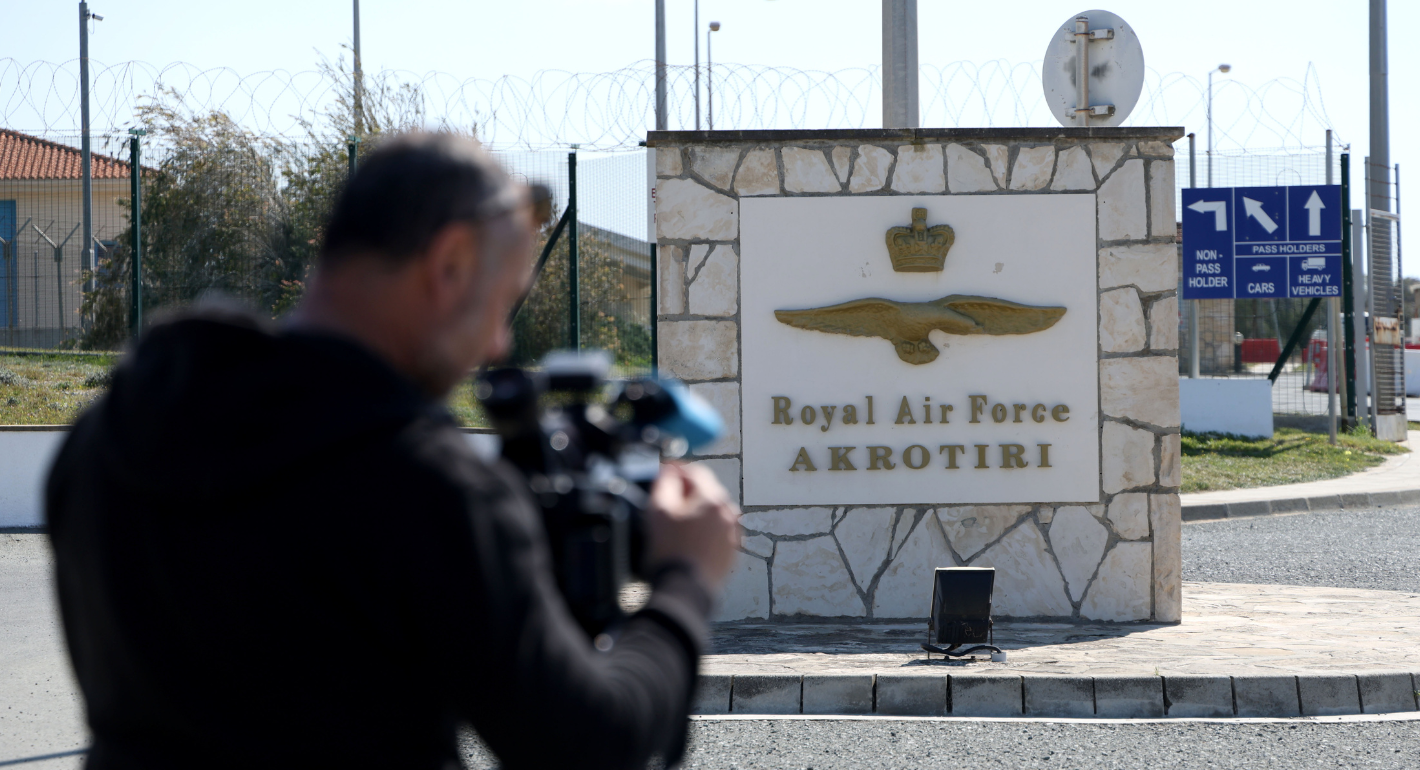
The drone strike on the British air base in Akrotiri brings Europe’s proximity to the conflict in Iran into sharp relief. In the fog of war, old tensions in the Eastern Mediterranean risk being reignited, and regional stakeholders must avoid escalation.

Marc Pierini
European reactions to the war in Iran have lost sight of wider political dynamics. The EU must position itself for the next phase of the crisis without giving up on its principles.

Richard Youngs
For years, the United States anchored global cyber diplomacy. As Washington rethinks its leadership role, the launch of the UN’s Cyber Global Mechanism may test how allies adjust their engagement.

Patryk Pawlak, Chris Painter