

Q&A
Sarah Yerkes
{
  "authors": [
    "Sarah Yerkes"
  ],
  "type": "other",
  "centerAffiliationAll": "dc",
  "centers": [
    "Carnegie Endowment for International Peace"
  ],
  "collections": [
    "Arab Awakening"
  ],
  "englishNewsletterAll": "menaTransitions",
  "nonEnglishNewsletterAll": "",
  "primaryCenter": "Carnegie Endowment for International Peace",
  "programAffiliation": "MEP",
  "programs": [
    "Middle East"
  ],
  "projects": [
    "Tunisia Monitor"
  ],
  "regions": [
    "North Africa",
    "Tunisia"
  ],
  "topics": [
    "Political Reform"
  ]
}
Source: Getty
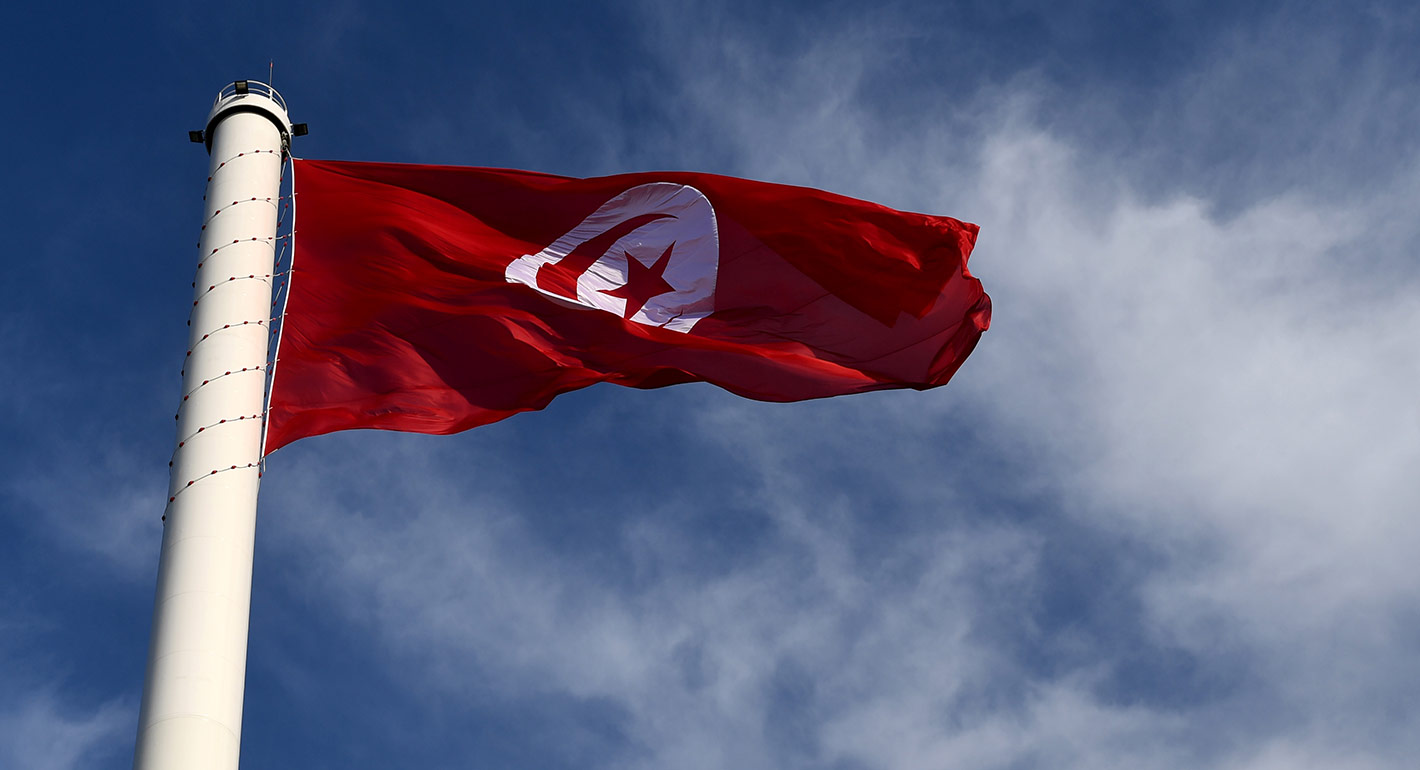
The role of Tunisia’s primary Islamist party—Ennahda—within the country’s political scene ebbed and flowed both during and after the 2011 revolution. Understanding how Ennahda got to where it is today is crucial to understanding where it—and the country—is going.
Source: Journal of Islamic Studies
The role of Tunisia’s primary Islamist party—Ennahda—within the country’s political scene ebbed and flowed both during and after the 2011 revolution. Today, despite a parliamentary system with dozens of political parties in some form of power, Tunisia operates like a two-party democracy, with power vacillating between Ennahda and its primary rival, Nidaa Tounes. Understanding how Ennahda got to where it is today is crucial to understanding where it—and the country—is going.
While the party’s initial success was consistent with an Islamist wave that swept across the Arab Spring states in 2011–2012, Ennahda has continued to succeed where other Islamist parties in the region—particularly Egypt’s Muslim Brotherhood—have dramatically failed. Anne Wolf’s book, Political Islam in Tunisia, offers a comprehensive overview of the history of Ennahda, examining not only the origins and evolution of this Islamist party but also the way the country has dealt with the highly contentious issue of what role religion should play in politics. The book tackles this question in today’s democratic context, but also provides the reader with a brief overview of the role religion played in the pre-independence period, as well as a longer treatment of the Bourguiba and Ben Ali eras....
This book review was originally published in the Journal of Islamic Studies.

Acting Co-Director and Senior Fellow, Middle East Program
Sarah Yerkes is acting co-director and a senior fellow in the Middle East Program at the Carnegie Endowment for International Peace. Her research focuses on democracy and governance, U.S. foreign policy towards the Middle East and North Africa, and political and economic reform in Tunisia.
Recent Work
Carnegie does not take institutional positions on public policy issues; the views represented herein are those of the author(s) and do not necessarily reflect the views of Carnegie, its staff, or its trustees.

Before the next wave of EU enlargement takes place, the union needs to grapple with thorny questions of how power is distributed among its members.


Emil Sondaj Hansen, Ditte Brasso Sørensen

As the EU confronts profound challenges, several leaders have called for fundamental reform to the union’s model—but only modest, superficial changes have resulted. What if Europe really could be reimagined from zero today: What should such a redesigned European order look like?

Richard Youngs, ed.

The EU’s new migration policy is not suited to today’s realities. With climate change increasingly becoming a driver of displacement, Europe needs to rethink its deterrence-focused approach.

Shana Tabak
Preparing candidate countries for EU membership is no longer enough. As the enlargement process becomes a reality, the union must also prepare its own societies.

Iliriana Gjoni
Countries face several hurdles in joining the EU, including the final stage of ratifying their accession treaties. Procedural reforms and substantive adjustments could help move the process forward.

Stefan Lehne