

Article
Thomas de Waal
{
  "authors": [
    "Thomas de Waal"
  ],
  "type": "other",
  "centerAffiliationAll": "dc",
  "centers": [
    "Carnegie Endowment for International Peace",
    "Carnegie Europe"
  ],
  "collections": [
    "Europe’s Eastern Neighborhood"
  ],
  "englishNewsletterAll": "ctw",
  "nonEnglishNewsletterAll": "",
  "primaryCenter": "Carnegie Europe",
  "programAffiliation": "EP",
  "programs": [
    "Europe"
  ],
  "projects": [],
  "regions": [
    "Europe",
    "Eastern Europe",
    "Moldova",
    "Iran"
  ],
  "topics": [
    "Security"
  ]
}
Source: Getty
A final political solution of the conflict over Transdniestria remains elusive and dependent on wider geopolitical trends. However, in contrast to other conflicts, it is peaceful.
Source: CENTRE FOR EUROPEAN POLICY STUDIES
The Transdniestria conflict is in many ways less a conflict than a bitter political and territorial dispute. There has been virtually no violence since the armed phase of the conflict ended in 1992. There are high levels of daily contact between people in Transdniestria and in rightbank Moldova and the economies of the two sides are connected at many levels. A spirit of pragmatism prevails in the conflict, which contrasts it with the conflicts in Ukraine and the South Caucasus. The dispute is perpetuated by the rival geopolitical orientations of decisionmakers on two sides. Many in the region also view the status quo as benefiting elite business groups on either side of the Dniester River, who have agreed to divide up assets and profit from Transdniestria’s unrecognized status.This publication was prepared within the framework of the CEPS-led 3DCFTAs project, enabled by financial support from Sweden. To download the publication, please consult the following link.

Senior Fellow, Carnegie Europe
Thomas de Waal is a senior fellow at Carnegie Europe, specializing in Eastern Europe and the Caucasus.
Recent Work
Thomas de Waal
Thomas de Waal
Carnegie does not take institutional positions on public policy issues; the views represented herein are those of the author(s) and do not necessarily reflect the views of Carnegie, its staff, or its trustees.

Radical-right parties are expected to do well in upcoming elections in four of the EU's biggest member states. If successful, they could prevent the union from addressing key challenges ahead.

Stefan Lehne

The aftermath of the Ceuta crisis shows Europe has drawn the wrong lessons. Rather than doubling down on failed migration policies, the EU needs to address the underlying roots of such episodes.

Richard Youngs
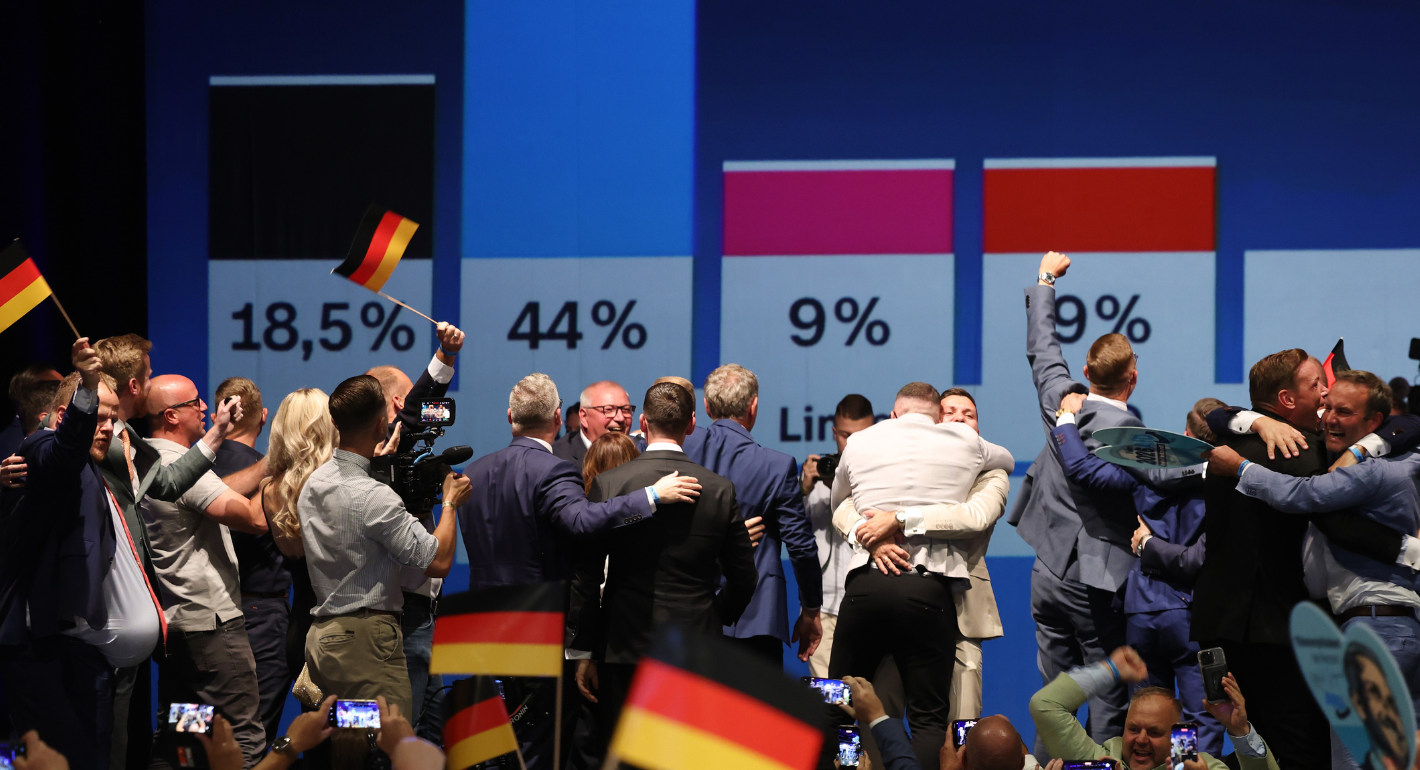
An overwhelming victory by a far-right-wing party in a small state in eastern Germany will have major repercussions for Chancellor Friedrich Merz’s coalition.

Judy Dempsey

Canadian Prime Minister Mark Carney has twice inspired praise for standing up to U.S. President Donald Trump: at the 2026 World Economic Forum in Davos and on Canada-U.S. trade negotiations. Is Carney showing a third way better than the EU has in dealing with the Trump administration?

Rym Momtaz, ed.

The EU’s responses to two recent incidents expose the gulf between European perceptions and capabilities. Unless the union can bridge that gap, it will never become a real geostrategic power.
Rym Momtaz