

Other
François Godement, Ashley J. Tellis
{
  "authors": [
    "François Godement"
  ],
  "type": "legacyinthemedia",
  "centerAffiliationAll": "dc",
  "centers": [
    "Carnegie Endowment for International Peace"
  ],
  "collections": [],
  "englishNewsletterAll": "asia",
  "nonEnglishNewsletterAll": "",
  "primaryCenter": "Carnegie Endowment for International Peace",
  "programAffiliation": "AP",
  "programs": [
    "Asia"
  ],
  "projects": [],
  "regions": [
    "East Asia",
    "China",
    "Western Europe",
    "France"
  ],
  "topics": []
}
Source: Getty
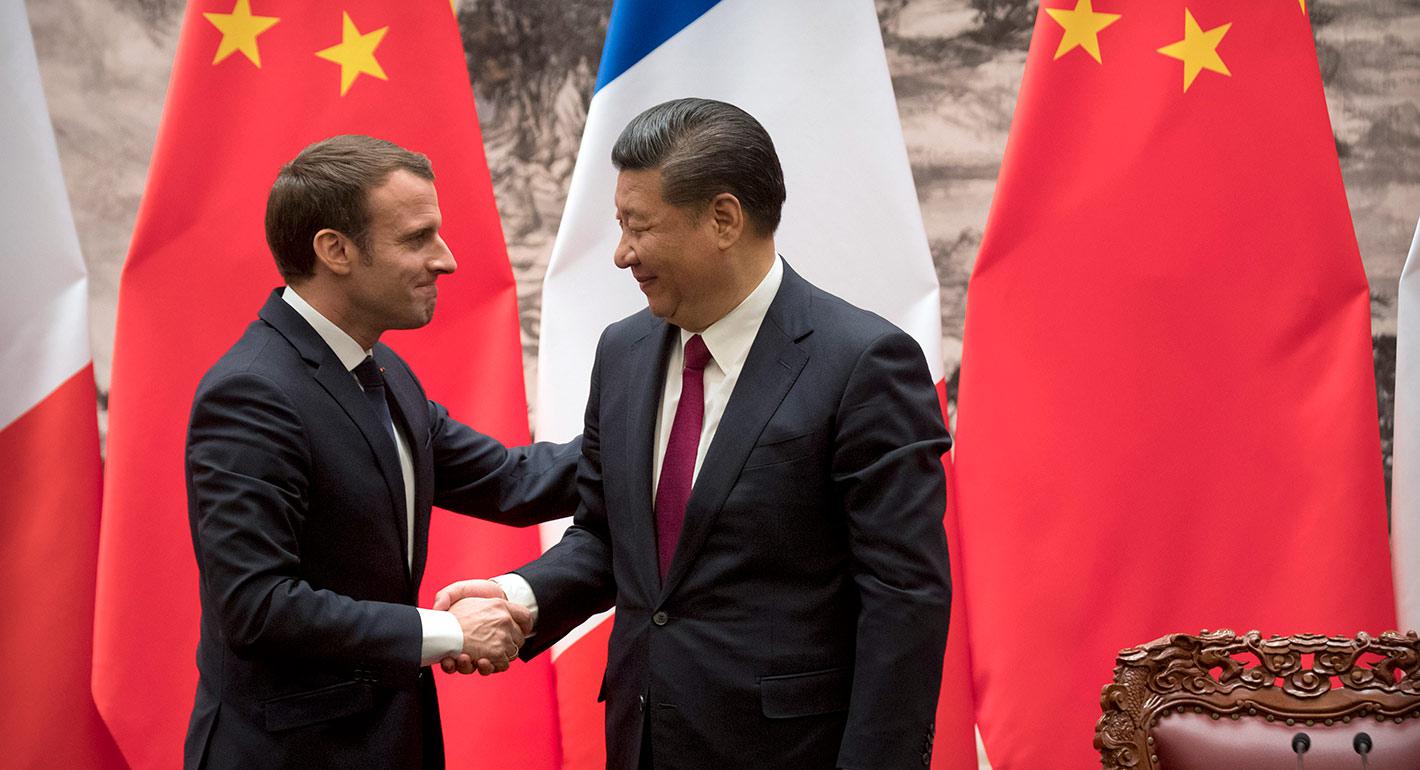
Emmanuel Macron must confront at least four contradictory imperatives during his visit to China.
Source: Institut Montaigne
The visit Emmanuel Macron is starting today in China promises to be a difficult one, as he is confronted to contradictory imperatives. There are perhaps four of them. First, that of French national diplomacy, which aims at delivering a global message at a time when the multilateralist space is shrinking. Climate change and biodiversity protection will be more favorable grounds for this than the WTO reform, where China is clinging to its special statute. Then there is Europe, where Emmanuel Macron must confirm the message that he had delivered to China during Xi Jinping’s Paris visit last March: he had then invited Jean-Claude Juncker and Angela Merkel to take part in Xi’s reception. This kind of gesture demands continuity, even more so as Chinese leaders tend to believe in deeds rather than in words.
The French president must also present itself as a defender of universal values – at a time when human rights are particularly under challenge in China. The dehumanizing treatment of Uyghurs, Kazakhs and more generally Muslims and some Christian communities in western China is a major issue. Even if it is less dramatic for the time being, the fate of Hong Kong is worrying. Finally, the commercial imperative has not disappeared. Mr. Macron has to sell planes (here also in the name of Europe), reach for contracts, including in the nuclear industry, and advocate more opening of China’s services and public markets.
How are these goals manageable in today’s charged international environment? In Europe, a Commission that has reached its end is nonetheless not completely replaced, thus inevitably creating a period of wavering. Certainly, EU civil servants are busy implementing the changes that were – finally – decided by the Juncker Commission: screening foreign investment, countering lobbying and, most importantly, reforming competition policies and support for innovation, which are the two positive changes that the EU can bring to match China’s entry inside Europe. An interim EU report on the security threats associated with 5G, has a running thread in the narrative that points towards the special risks from Chinese companies in this sector. It seems that Europe has got its act together to face the challenge and pressure from China’s hybrid economy. And France has been instrumental in this change of attitude and shift towards new rules.
This article was originally published by Institut Montaigne.

Former Nonresident Senior Fellow, Asia Program
Godement, an expert on Chinese and East Asian strategic and international affairs, was a nonresident senior fellow in the Asia Program at the Carnegie Endowment for International Peace.
Recent Work
François Godement, Ashley J. Tellis

François Godement, Abigaël Vasselier
Carnegie does not take institutional positions on public policy issues; the views represented herein are those of the author(s) and do not necessarily reflect the views of Carnegie, its staff, or its trustees.

As we close out another season of Strategic Europe, it is worth taking stock of the deep shifts underway.

Rym Momtaz

The hybrid warfare landscape is evolving rapidly, leaving policymakers without clear strategies. To better inform their work in addressing emerging challenges, governments must dig deeper into the underlying dynamics at play.


Raluca Csernatoni, Alicia Wanless

As the EU confronts profound challenges, several leaders have called for fundamental reform to the union’s model—but only modest, superficial changes have resulted. What if Europe really could be reimagined from zero today: What should such a redesigned European order look like?

Richard Youngs, ed.
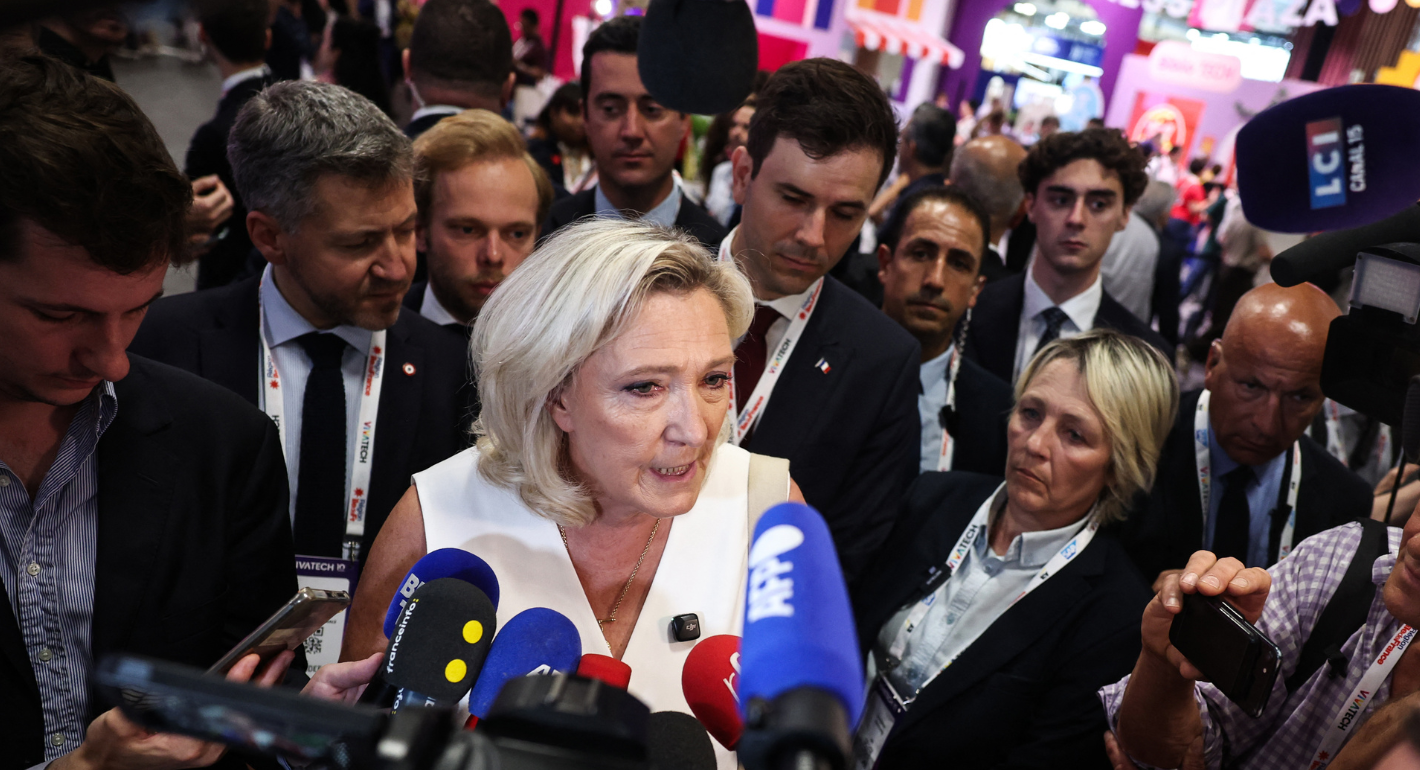
Far-right leader Marine Le Pen can—and will—run in France’s next presidential election. What does the outcome of her appeal against a 2025 embezzlement conviction mean for the country’s political future?

Catherine Fieschi
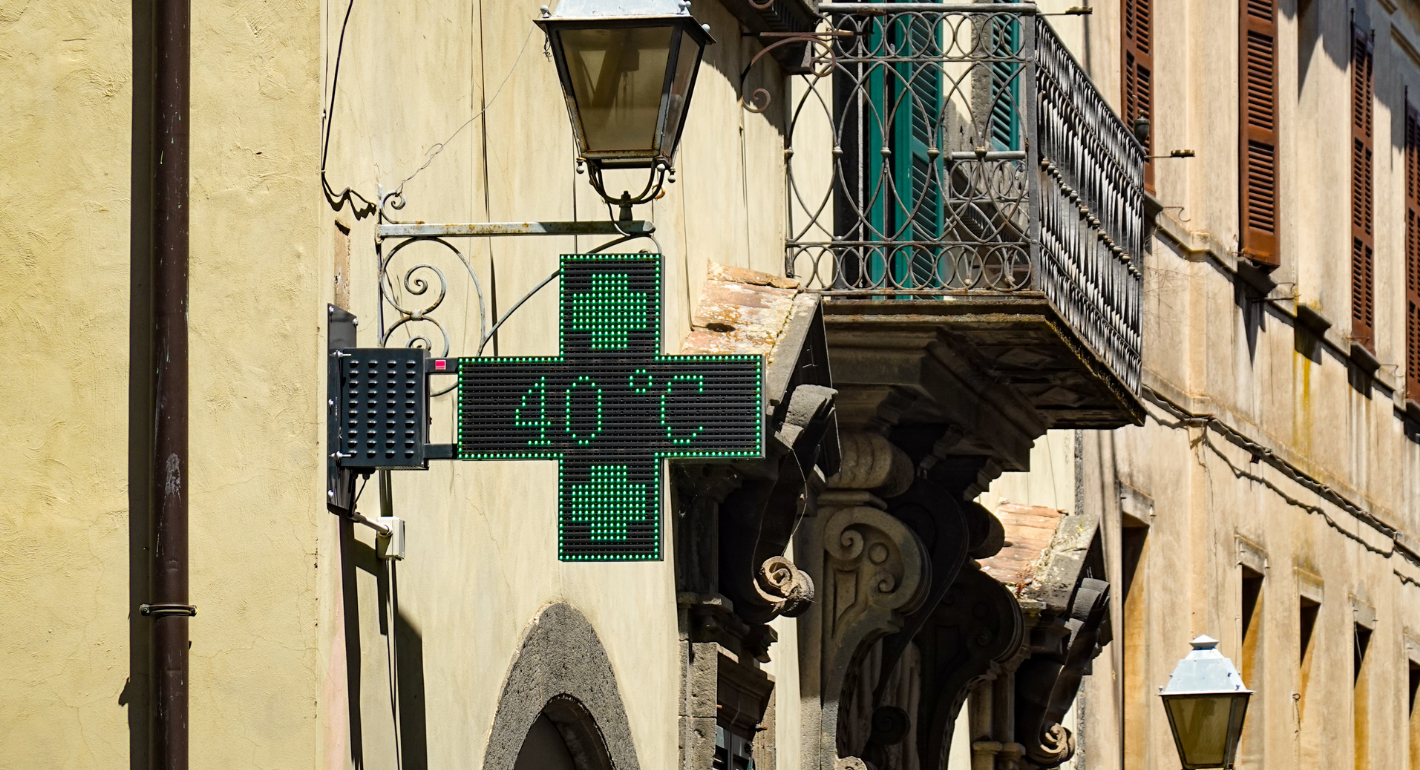
Western Europe’s dual-use infrastructure melted down during its latest heat wave. If a predicted hot weather event can take the continent by surprise, what chance does it have to withstand unexpected geopolitical crises?
Rym Momtaz