

Commentary
Tatiana Stanovaya
{
  "authors": [
    "Tatiana Stanovaya"
  ],
  "type": "legacyinthemedia",
  "centerAffiliationAll": "",
  "centers": [
    "Carnegie Endowment for International Peace",
    "Carnegie Russia Eurasia Center"
  ],
  "collections": [],
  "englishNewsletterAll": "",
  "nonEnglishNewsletterAll": "",
  "primaryCenter": "Carnegie Endowment for International Peace",
  "programAffiliation": "",
  "programs": [],
  "projects": [],
  "regions": [
    "Russia",
    "Eastern Europe",
    "Ukraine"
  ],
  "topics": [
    "Foreign Policy"
  ]
}
Source: Getty
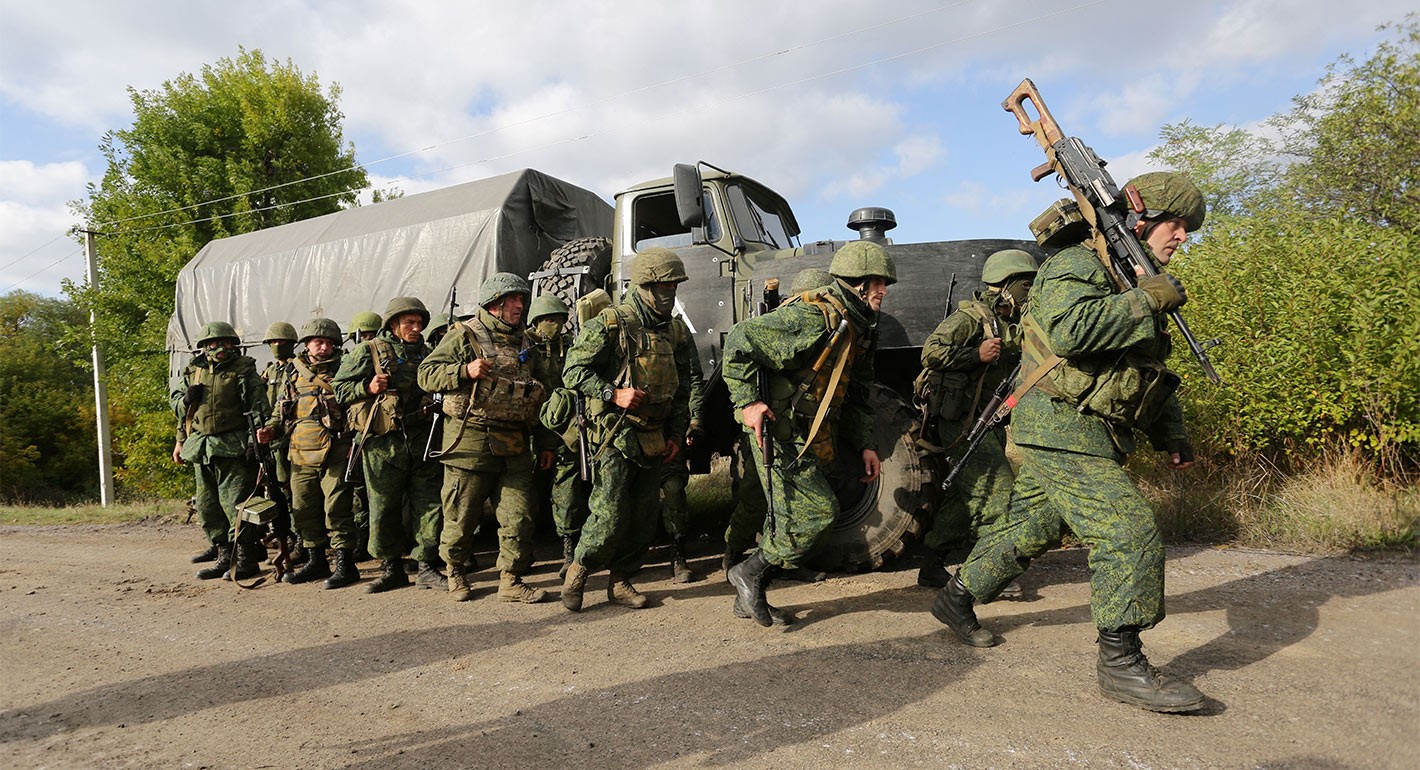
Moscow never wanted an annexation—it just wanted a bargaining chip. Understanding that is the key to settling the conflict once and for all.
Source: Foreign Policy
In the midst of the Trump impeachment drama, it is easy to forget a more geopolitically pressing issue in Ukraine: Russia’s ongoing involvement in the eastern part of the country and Ukraine’s stalled partnership with the West to push it back. Ahead of next week’s meeting in Paris of Russia’s Vladimir Putin, Ukraine’s Volodymyr Zelensky, France’s Emmanuel Macron, and Germany’s Angela Merkel, during which the four leaders will try to strike a cease-fire deal, it is time for the United States to tune back in—especially because there are indications that some influential voices in Moscow are in favor of softer approach. That is, a more flexible interpretation of the 2015 Minsk II agreement meant to end the fighting in the Donbass, with more careful treatment of Ukrainian concerns. That could, in turn, boost the chances of peace.
Part of the United States’ issue is that it misdiagnoses the problem in Ukraine. Hardly a day goes by without some observer suggesting that Russia invaded Ukraine because Putin sought nothing less than that country’s complete subjugation to Moscow. That misunderstanding has, in turn, encouraged Russia hawks in the United States who have advocated sanctions over engagement.
The truth about Russia’s activities in Ukraine is more nuanced. Rather than annexation, the Kremlin’s initial goal in supporting pro-Russia separatists in eastern Ukraine was to secure legal autonomy for the Donbass region within a federal Ukraine. Russia would then hold sway over a prominent piece of territory within Ukraine, which would effectively give Moscow a veto vote in Kyiv over the country’s strategic rapprochement with the West. Multiple statements from Putin himself confirm that Russia considers Ukraine’s federalization as an attractive tool to block the country’s Euro-Atlantic integration and that securing the Donbass’s loyalty is to guarantee Russian preferences.
The Kremlin may be hawkish when it comes to Ukraine, but it is not crazy. Putin surely knew that invading and occupying Ukraine—not to mention creating a permanently simmering conflict—would have been too bloody and too expensive. Nor would an invasion have helped Russia cement influence over Ukrainian politics at minimal geopolitical cost.
To be sure, Russia’s activities in Ukraine have not turned out as planned. The first six months of the Russian involvement were, by all accounts, a total mess, with parts of eastern Ukraine descending into unspeakable levels of violence and anarchy. Eventually, the Kremlin established more or less manageable regimes in two separatist strongholds in the Donbass—Luhansk and Donetsk. But getting there required a long and bloody process of purging ideological fanatics and those who wouldn’t toe the Kremlin’s line.
The difficulties of the campaign in Ukraine have tested Russian elites’ ability to remain united. As time passes and with more at stake, internal disunity is becoming more apparent. These days, Russian policy on the self-proclaimed Donetsk and Luhansk republics involves several competing sets of state players with sometimes contradictory interests.
For example, one key figure in the republics’ management is Vladislav Surkov, a notorious Kremlin political strategist who oversees policy toward Ukraine’s Donbass region within the presidential administration and is tasked with leading state building programs in both the internationally unrecognized independent Donetsk and Lugansk republics. His goal, as he guides lawmaking and personnel policy, is to maintain political stability in the two republics and secure their interests in international talks over the Ukraine conflict.
Surkov’s people frequently come into conflict with the Russian intelligence services and military, which are tasked with managing security in the Donbass. They prefer that the security bodies in the republics be sooner subordinated to Russian military authorities, while political managers report to Surkov’s team, which makes difficult to avoid rivalry. Their contradictory priorities sometimes lead to internal clashes, such as in 2017, when Russia’s Federal Security Service succeeded in getting a former intelligence officer appointed as leader of the Luhansk republic over Surkov’s preferred civilian candidate.
The third Russian interest group in the Donbass is the one that manages financing for Russia’s operations in the region. In recent years, Russian Deputy Prime Minister Dmitry Kozak has headed that group. He has advocated for a more flexible approach to the implementation of the Minsk agreements. In particular, he would like to find ways to settle the conflict that would ease the financial and economic burden that Russia bears as it props up deeply corrupted military regimes. Surkov’s team, on the other hand, sees such moves as indicating a readiness to make unacceptable concessions.
The competition between factions has led to policy incoherence and, most recently, signs of a potential shift in Russia’s stance toward Ukraine. For the last two years, Surkov’s position has been gradually weakening, and he has been called out for his hawkishness. For example, in October 2018, Putin reshaped the key presidential directorate that is informally responsible for Ukraine, narrowing its authority. That was followed by prominent staff reduction for the bureau. There are also murmurs among some technocrats and liberals that limited gestures of goodwill toward Ukraine could be worthwhile if they lead the European Union to lift economic sanctions on Russia.
The main obstacle to any change in Russia’s Ukraine policy is a deeply engrained belief among Russian leadership that making any concessions will lead to ever greater Western pressure and demands. That’s why, whatever other concessions Russia can make, its red line will remain firm: The Kremlin will continue to hold a political foothold in the Donbass that will provide it with leverage to influence Ukraine’s foreign policy. And even smaller concessions are off the table as long as Russia fears a hawkish West.

Senior Fellow, Carnegie Russia Eurasia Center
Tatiana Stanovaya is a senior fellow at the Carnegie Russia Eurasia Center.
Recent Work
Tatiana Stanovaya
Tatiana Stanovaya
Carnegie does not take institutional positions on public policy issues; the views represented herein are those of the author(s) and do not necessarily reflect the views of Carnegie, its staff, or its trustees.
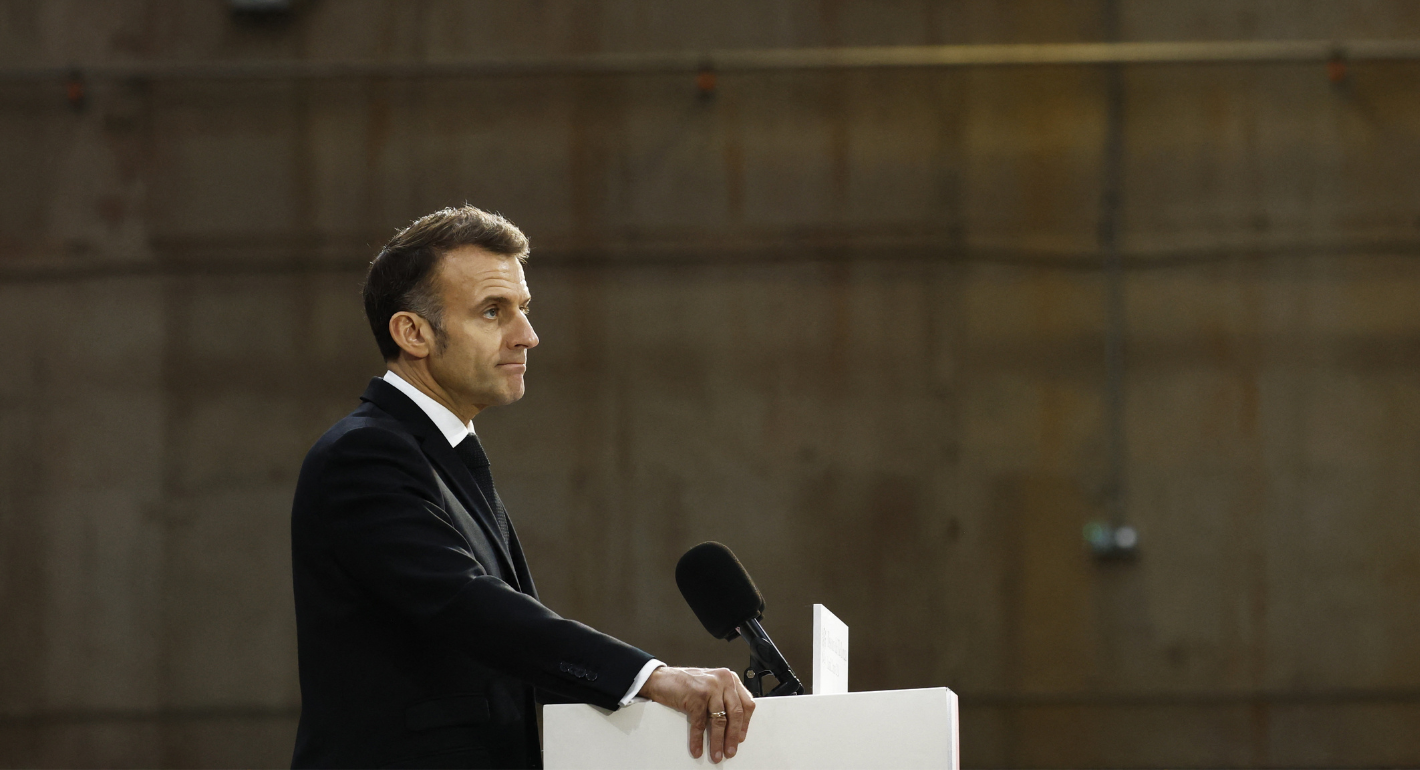
French President Emmanuel Macron has unveiled his country’s new nuclear doctrine. Are the changes he has made enough to reassure France’s European partners in the current geopolitical context?

Rym Momtaz, ed.
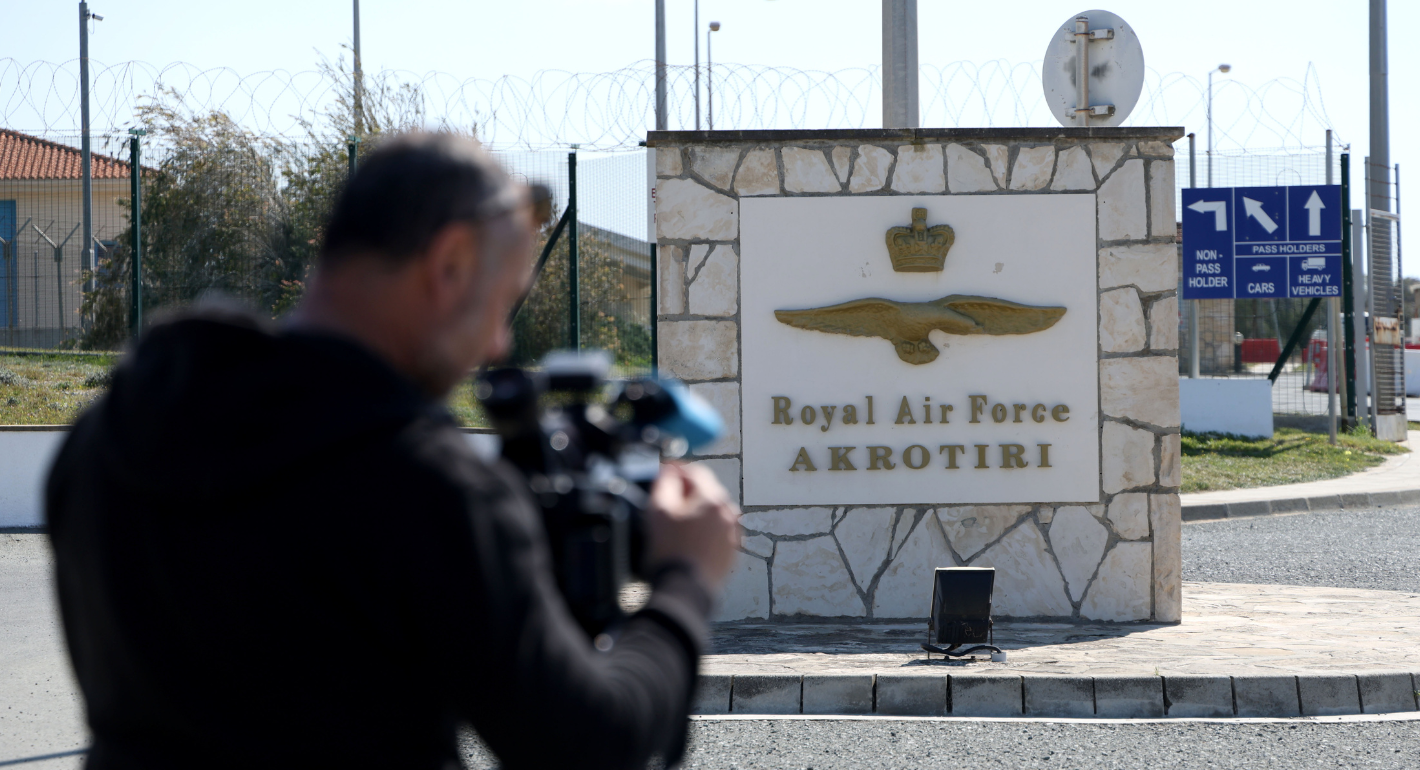
The drone strike on the British air base in Akrotiri brings Europe’s proximity to the conflict in Iran into sharp relief. In the fog of war, old tensions in the Eastern Mediterranean risk being reignited, and regional stakeholders must avoid escalation.

Marc Pierini
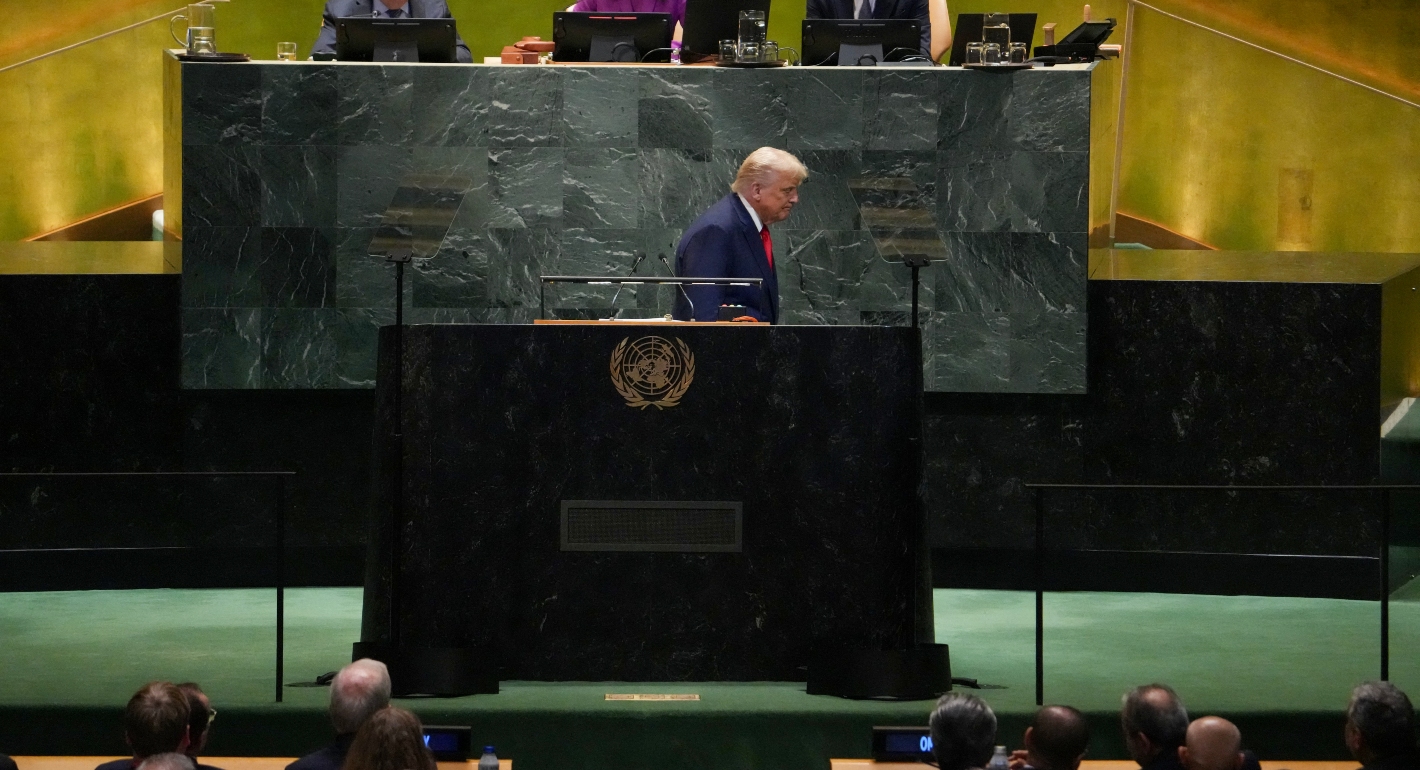
For years, the United States anchored global cyber diplomacy. As Washington rethinks its leadership role, the launch of the UN’s Cyber Global Mechanism may test how allies adjust their engagement.
Patryk Pawlak, Chris Painter
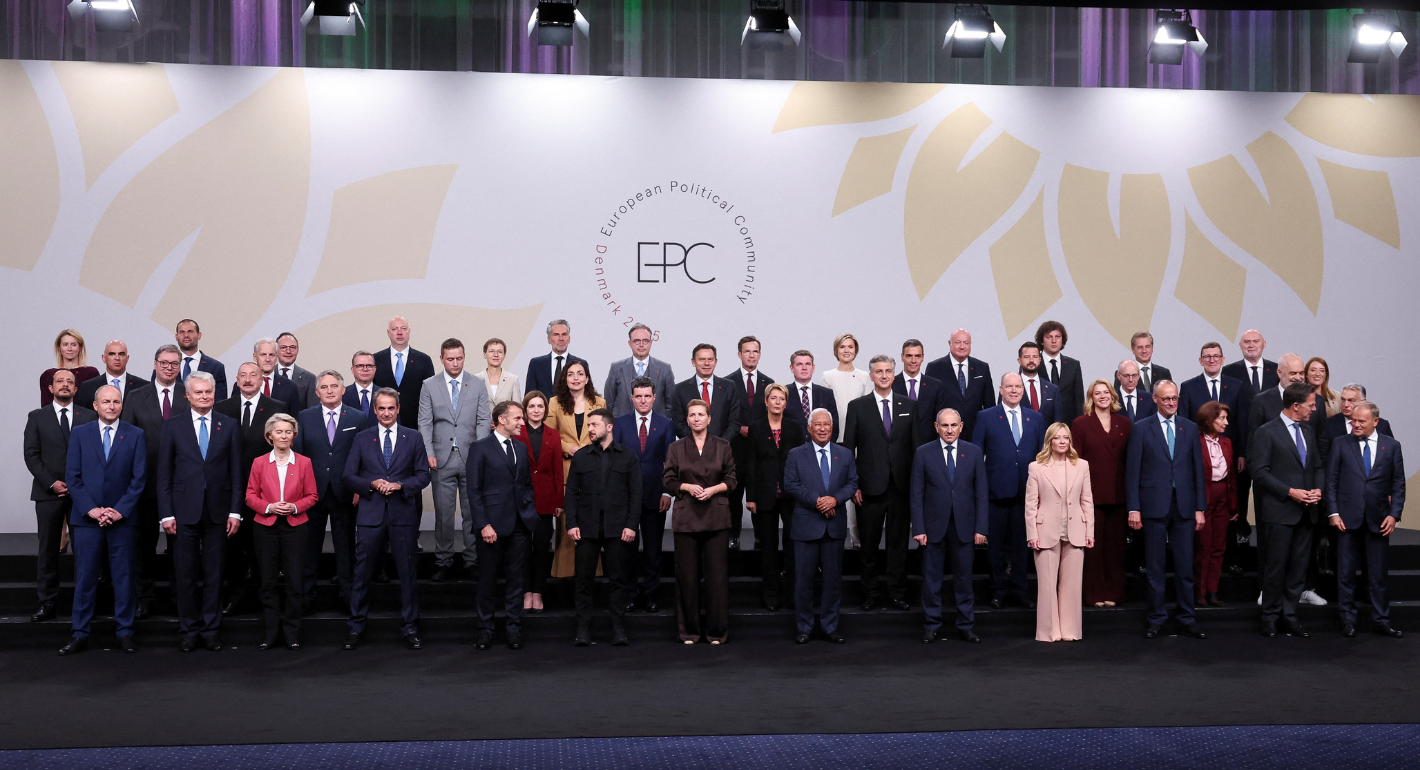
Europe isn’t as weak in the new geopolitics of power as many would believe. But to leverage its assets and claim a sphere of influence, Brussels must stop undercutting itself.

Dimitar Bechev
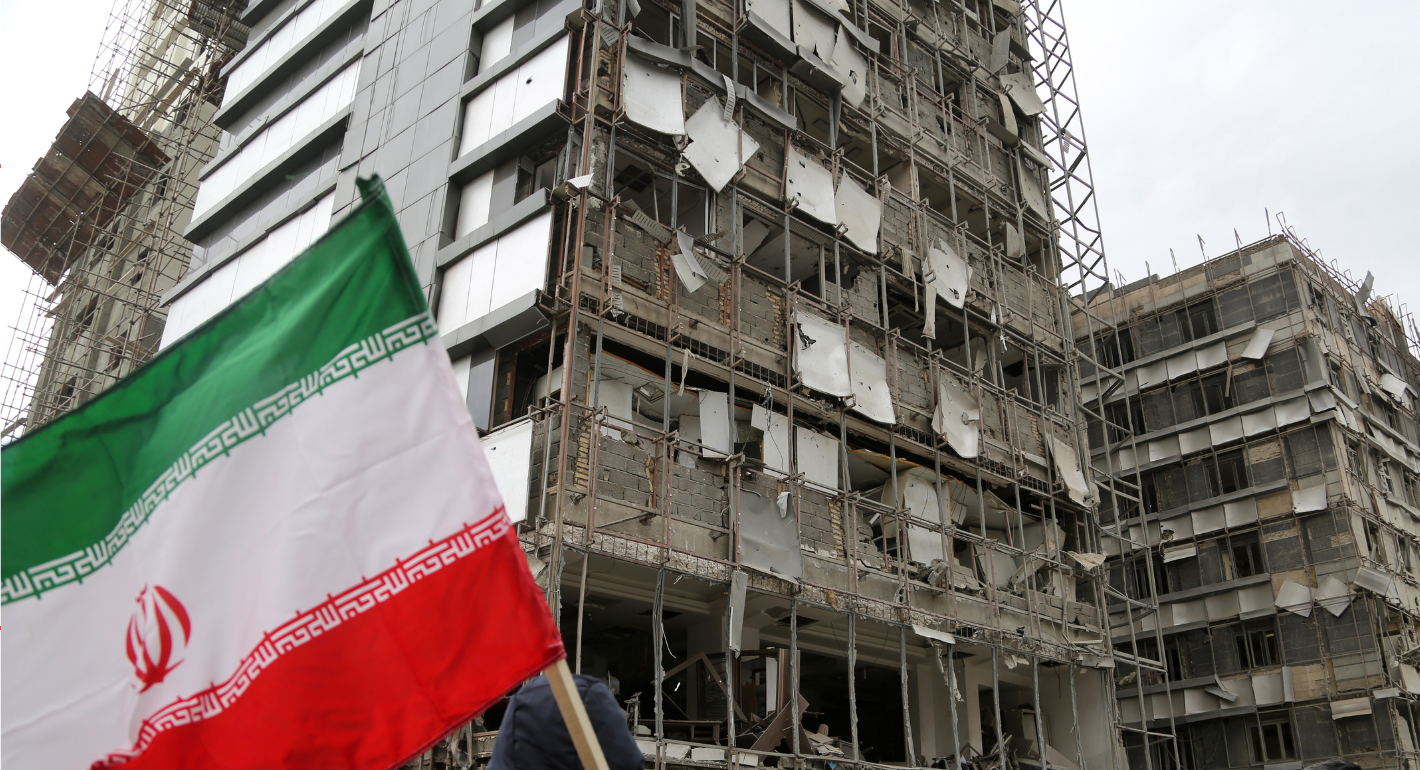
Europe’s reaction to the war in Iran has been disunited and meek, a far cry from its previously leading role in diplomacy with Tehran. To avoid being condemned to the sidelines while escalation continues, Brussels needs to stand up for international law.

Pierre Vimont