

Article
- +1
Toby Dalton, Mark Hibbs, Nicole Grajewski, …
{
  "authors": [
    "Mark Hibbs"
  ],
  "type": "other",
  "centerAffiliationAll": "dc",
  "centers": [
    "Carnegie Endowment for International Peace"
  ],
  "collections": [
    "U.S. Nuclear Policy"
  ],
  "englishNewsletterAll": "ctw",
  "nonEnglishNewsletterAll": "",
  "primaryCenter": "Carnegie Endowment for International Peace",
  "programAffiliation": "NPP",
  "programs": [
    "Nuclear Policy"
  ],
  "projects": [],
  "regions": [
    "North America",
    "United States",
    "South America",
    "Middle East",
    "Iran"
  ],
  "topics": [
    "Political Reform",
    "Foreign Policy",
    "Nuclear Policy"
  ]
}
Source: Getty
Differences between Russia and the United States in the Board of Governors at the International Atomic Energy Agency (IAEA) may inhibit multilateral verification of Iran’s safeguards obligations under the Treaty on the Non-Proliferation of Nuclear Weapons (NPT).
Source: European Leadership Network
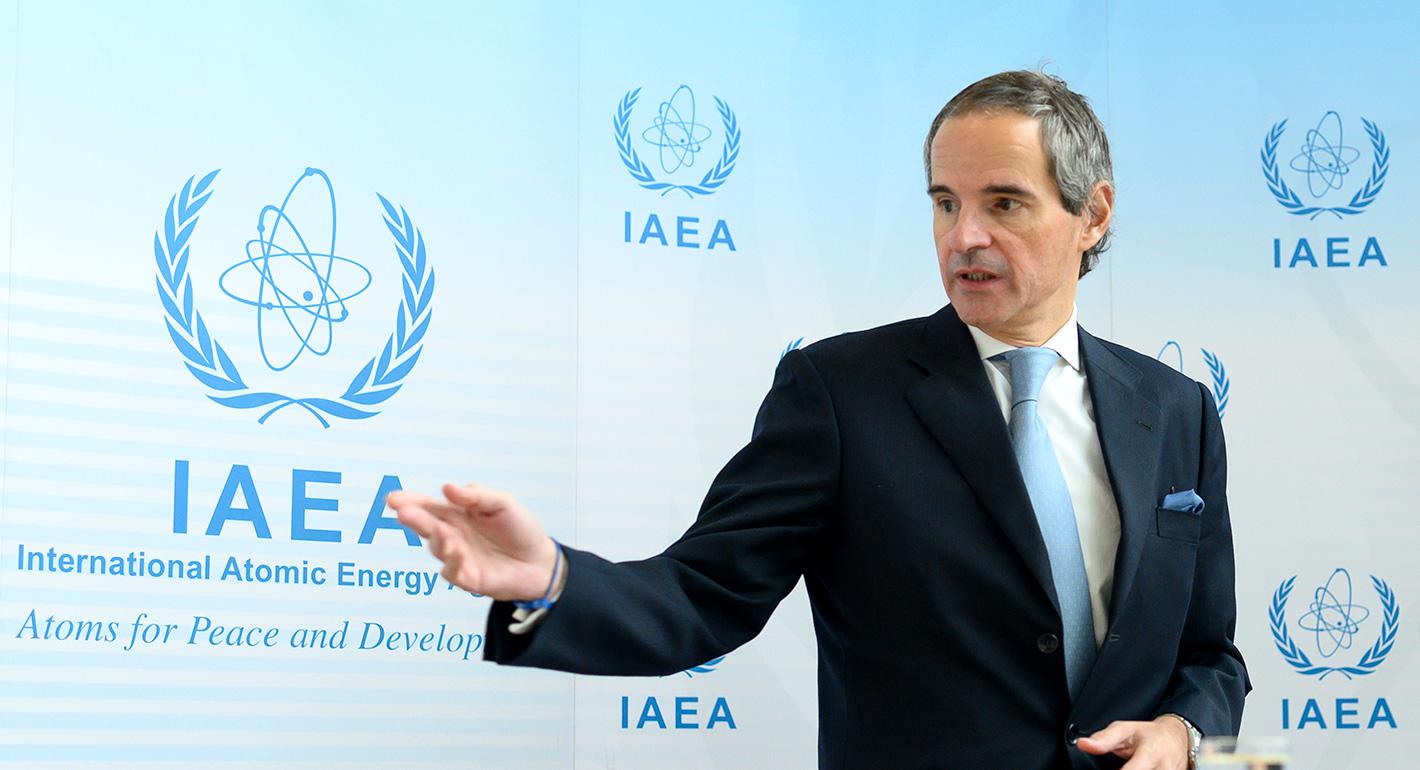
Argentinian Ambassador Rafael Grossi, who took charge of the International Atomic Energy Agency on 3 December 2019, is staring down the barrel at perhaps his agency’s most immanent challenge: managing re-emerging conflict in the IAEA Board of Governors over nuclear verification in Iran. The technical and political challenges of dealing with Iran at the IAEA have always been difficult, but now these are stoked by rivalry and conflict between Russia and the United States.
Grossi will convene his first board meeting as IAEA Director General the week of 9 March 2020. Looking toward and beyond that encounter, Grossi said during a public appearance at the Carnegie Endowment for International Peace, in Washington, D.C., on 5 February 2020, “There will be a time when I come… to Iran asking them to do the right thing: to work with the agency. And at that moment, not only just the subscribers [to the JCPOA] but other countries, especially in the Board of Governors, will have to stand with the agency. That is what I hope.”
Iran may or may not “do the right thing,” and how far the IAEA can go in pressuring Iran will be in large part be determined by US-Russian relations. At the level of high politics, what has been unfolding in the boardroom reflects growing tensions between two powerful IAEA member states; their different assessments of the international security threat posed by Iran; and Iran’s growing political and military influence in the Middle East. Geopolitics aside, tensions between the US and Russia also centre on nuclear verification; for about a decade Washington and Moscow have been drifting apart over how the IAEA is adapting its safeguards system to changes in the international nuclear landscape.
This brief was originally published by the European Leadership Network.
Nonresident Senior Fellow, Nuclear Policy Program
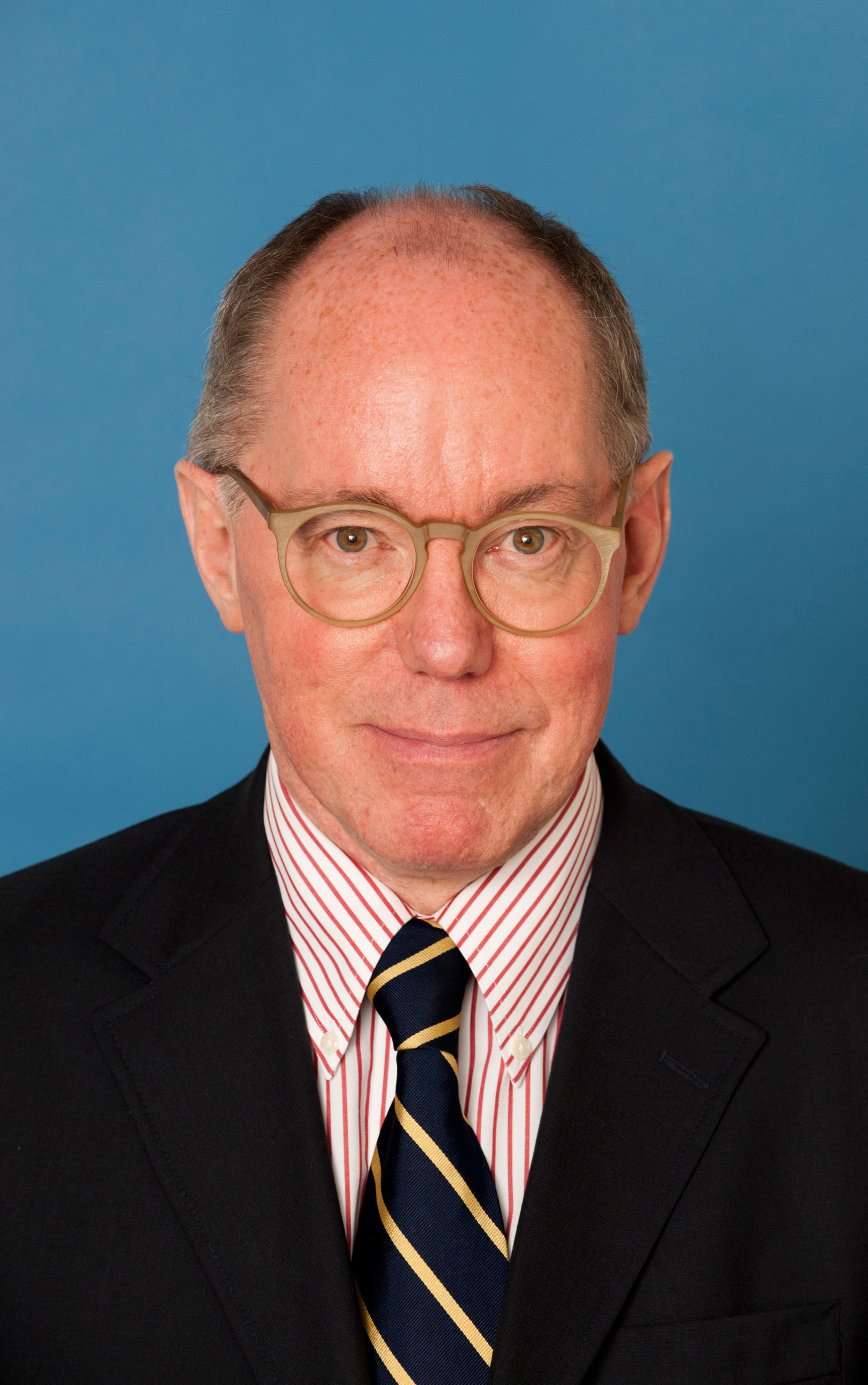
Hibbs is a Germany-based nonresident senior fellow in Carnegie’s Nuclear Policy Program. His areas of expertise are nuclear verification and safeguards, multilateral nuclear trade policy, international nuclear cooperation, and nonproliferation arrangements.
Recent Work


Toby Dalton, Mark Hibbs, Nicole Grajewski, …
Mark Hibbs
Carnegie does not take institutional positions on public policy issues; the views represented herein are those of the author(s) and do not necessarily reflect the views of Carnegie, its staff, or its trustees.

Russia is testing the waters of NATO’s mutual defense clause. What do strikes in Romanian territorial waters mean for the alliance’s posture toward Moscow?

Dimitar Bechev

With its public finances in shambles, the far right polling at 35 percent ahead of the 2027 presidential election, and a growing protest movement, is France’s crisis a threat to the EU’s geopolitical awakening?

Rym Momtaz, ed.

Ahead of a tough winter for Ukraine, Donald Trump’s swing back toward Russia bodes ill. But instead of panicking, Kyiv’s European allies are focusing on action.
Rym Momtaz

Funding Ukraine remains a priority for European leaders. As Russia’s war of aggression heads into another winter, two feasible options to mobilize support for Kyiv should be fast-tracked.


Vladyslav Rashkovan, Gregory P. Wilson

While the EU and European governments are embracing the much-lauded middle-power moment, this entails three difficult conundrums.

Richard Youngs