

Research
- +5
Alper Coşkun, Fatih Ceylan, Tacan İldem, …
{
  "authors": [
    "Sinan Ülgen"
  ],
  "type": "legacyinthemedia",
  "centerAffiliationAll": "",
  "centers": [
    "Carnegie Endowment for International Peace",
    "Carnegie Europe"
  ],
  "collections": [
    "Europe’s Eastern Neighborhood",
    "Europe’s Southern Neighborhood",
    "Coronavirus"
  ],
  "englishNewsletterAll": "",
  "nonEnglishNewsletterAll": "",
  "primaryCenter": "Carnegie Europe",
  "programAffiliation": "",
  "programs": [],
  "projects": [],
  "regions": [
    "Europe",
    "Western Europe"
  ],
  "topics": [
    "Foreign Policy"
  ]
}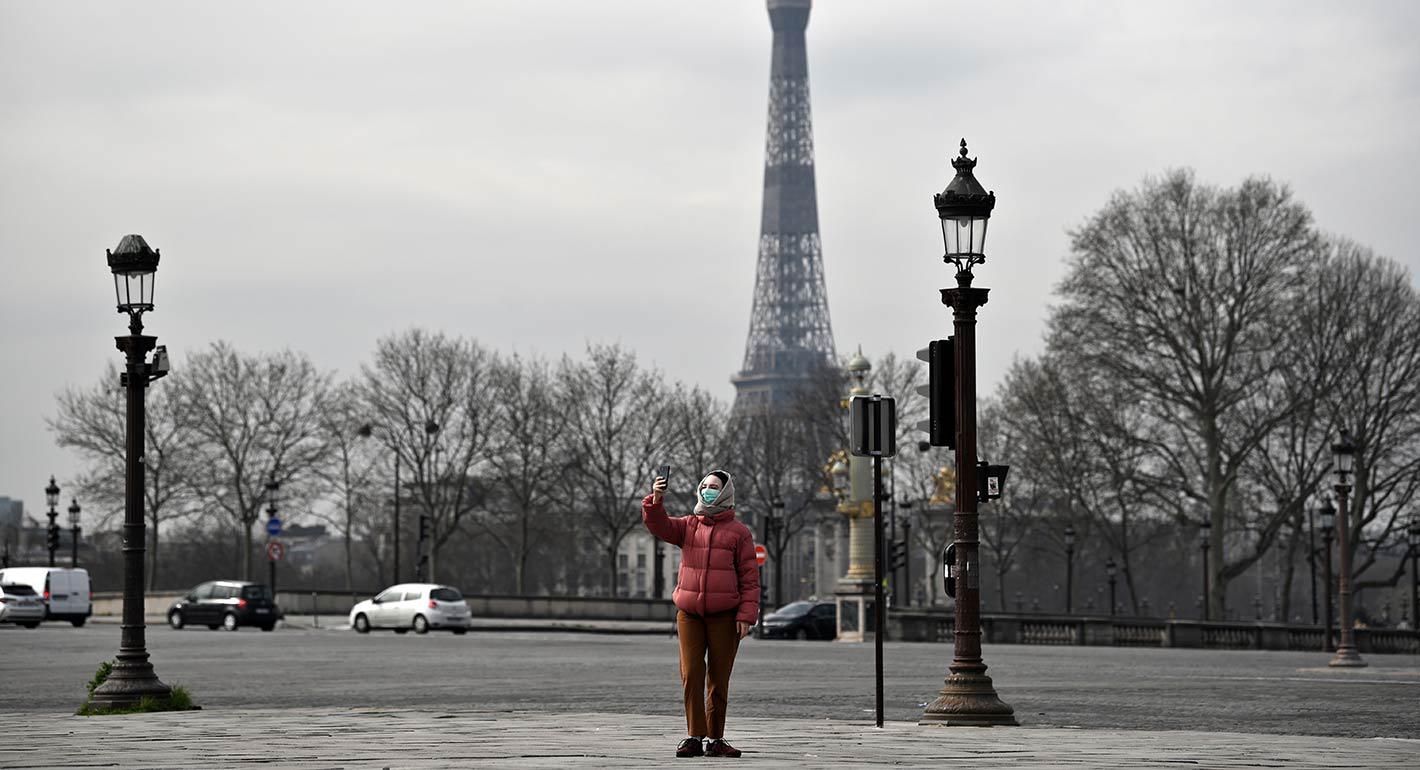
Source: Getty
For Europe, the internal economic shock created by the coronavirus is set to be compounded by an external security shock triggered by the economic collapse of its neighborhood.
Source: Foreign Policy
For Europe, the internal economic shock created by the coronavirus is set to be compounded by an external security shock triggered by the economic collapse of its neighborhood. For many reasons, Europe’s southern and eastern neighbors remain highly vulnerable to such a disaster scenario.
These generally middle-income countries—including Turkey, Ukraine, Egypt, and Morocco—do not benefit from global initiatives like the debt relief programs led by the International Monetary Fund (IMF), which target less developed nations. Yet they lack the domestic resources to rebound effectively from the deep recession that awaits them. The rising risk aversion in global markets has constrained their debt-raising options. Their economic well-being has further been undermined by the coronavirus-related economic downturn, raising fears about economic dislocation and political instability.
Europe is now looking at the emergence of exactly the type of scenario of regional instability that it sought to preempt. A key recommendation of its 2016 Global Strategy was to improve the political and economic resilience of its regional partners.
But now the economic resilience of Europe’s neighbors is clearly at risk. A major revenue stream for many of Europe’s southern and eastern neighbors is tourism. In 2018, tourism revenues as a share of total exports of goods and services reached 41 percent in Jordan and 25 percent in Egypt, according to the United Nations World Tourism Organization.
In absolute numbers, Turkey’s tourism revenues including international transport were the highest at $37 billion, amounting to around 5 percent of GDP. This important revenue source is now set to evaporate as the virus takes its toll. The collapse of the tourism industry will also have significant repercussions for the sustainability of employment. For Jordan, Morocco, and Tunisia, tourism provided for around 7 percent of total employment, compared with the global median of 3.8 percent.
This critical gap in foreign exchange earnings comes at a time when these economies are also suffering from a global reversal of capital flows. Emerging-market capital inflows have dramatically declined in response to the rapid spread of the coronavirus, putting further pressure on capital accounts.
The Turkish lira, for instance, has depreciated by 7 percent in the last month alone against the U.S. dollar. Europe’s neighbors are set to endure even more hardship when it comes to trade imbalances as their exports are due to collapse. They will be among the most affected from the ongoing fall in consumer demand in Europe given their heavy reliance on the continental market. The European Union’s share of total exports stands at some 65 percent for Morocco, 50 percent for Turkey, and 43 percent for Ukraine.
The world is now witnessing the formation of a perfect storm on Europe’s borders. The combination of recessionary economics, balance of payments difficulties, and surging unemployment has created a formidable challenge that will jeopardize domestic social contracts.
Just like the current protests unfolding in Lebanon, governments will come under pressure by an ever larger group of unemployed and disenfranchised citizens. The ensuing political and economic instabilities would not only create the conditions for the rise of radicalization in these afflicted societies but also trigger new cross-border movements and refugee flows across the Mediterranean.
Yet the EU’s response so far has been very timid. Brussels has earmarked 15.6 billion euros ($17 billion) in its Team Europe package, which was launched in April to support partner countries in their efforts to address the impact of the coronavirus crisis. This amount corresponds to about 3 percent of the initial funding of 500 billion euros ($547 billion) allocated to EU governments for the same purpose.
It is understandable that EU leaders prefer to prioritize their own societies in this time of acute need. But this task should not be seen as a zero-sum game. The assistance to neighbors should not necessarily cannibalize the resources set aside for helping EU governments. There are at least two costless options that remain unexplored.
First, there have been calls for the IMF to substantially increase Special Drawing Rights (known as SDRs) from the current level of $286 billion to about $1 trillion as a means to provide all countries with more resources to combat the impact of the virus. SDRs are an international reserve asset created by the IMF in 1969 to supplement its member countries’ official reserves. But this proposal has been blocked by the U.S. government. Washington rightly argues that the increase would disproportionally benefit richer countries; U.S. reticence may also be linked to a recalcitrance to provide financial help to countries like Iran and Russia.
In the absence of a global consensus, EU governments should consider shifting their IMF-held SDRs to financially strained neighboring countries. That would amount to a financial stimulus of about $95 billion with no fiscal impact on EU and national budgets.
Second, the European Central Bank (ECB) should be more actively involved in establishing swap arrangements with the central banks of partner countries. Under such a scheme, beneficiary countries would obtain euros from the ECB against a collateral in their own currency.
These arrangements would provide beneficiary countries with foreign exchange liquidity and replenish their reserves. There is no reason why the ECB should not follow in the footsteps of the U.S. Federal Reserve, which has already set up this mechanism with some 14 countries.
The EU is finally eager to shape a more concerted response to the coronavirus crisis after an initial era of prevarication. The danger now is that European governments’ responses remain too introverted—and largely oblivious to the severity of the regional crisis surrounding them.

Senior Fellow, Carnegie Europe
Sinan Ülgen is a senior fellow at Carnegie Europe in Brussels, where his research focuses on Turkish foreign policy, transatlantic relations, international trade, economic security, and digital policy.
Recent Work

Alper Coşkun, Fatih Ceylan, Tacan İldem, …
Carnegie does not take institutional positions on public policy issues; the views represented herein are those of the author(s) and do not necessarily reflect the views of Carnegie, its staff, or its trustees.
As we close out another season of Strategic Europe, it is worth taking stock of the deep shifts underway.

Rym Momtaz

The hybrid warfare landscape is evolving rapidly, leaving policymakers without clear strategies. To better inform their work in addressing emerging challenges, governments must dig deeper into the underlying dynamics at play.


Raluca Csernatoni, Alicia Wanless
The EU had to compromise to adopt a twenty-first sanctions package against Russia, exposing growing cracks in the union’s resolve. Is this latest, weaker round worth it to keep pressure on Moscow?
Rym Momtaz, ed.

Trump is distracted and Ukraine wants Europe to step up. The continent’s leaders must find their voice and assert it in talks with Russia.

Alissa de Carbonnel

Mounting economic strain and battlefield losses will not necessarily make the Kremlin less dangerous. They could instead push Moscow toward a more aggressive hybrid campaign designed to test NATO’s Eastern flank, exploit allied hesitation, and fracture European resolve.

Maksym Beznosiuk