

Other
- +18
James M. Acton, Saskia Brechenmacher, Cecily Brewer, …
{
  "authors": [
    "Tong Zhao"
  ],
  "type": "other",
  "centerAffiliationAll": "",
  "centers": [
    "Carnegie Endowment for International Peace",
    "Carnegie China"
  ],
  "collections": [],
  "englishNewsletterAll": "",
  "nonEnglishNewsletterAll": "",
  "primaryCenter": "Carnegie China",
  "programAffiliation": "",
  "programs": [],
  "projects": [],
  "regions": [],
  "topics": [
    "Arms Control",
    "Security"
  ]
}
Source: Getty
The international debate about nuclear risk has catalogued many different kinds of risk and danger. But two stand out as especially salient: the risk of the nuclear arms race and the risk of employment of nuclear weapons arising out of a conventional conflict.
Source: Center for Global Security Research, Lawrence Livermore National Laboratory
The international debate about nuclear risk has catalogued many different kinds of risk and danger. But two stand out as especially salient: the risk of the nuclear arms race and the risk of employment of nuclear weapons arising out of a conventional conflict. The five nuclear weapon states (NWS) have a special responsibility to contain these risks. They also have a responsibility to try to manage the risk posed by nuclear proliferation. Constructive action by the five is both necessary and possible. But they face many challenges to such action, including the limits on their ability to cooperate given their wariness of each other.
This essay explores four areas to focus improved NWS cooperation to reduce nuclear risk. These include efforts to:
Prevent decoupling of NWS nuclear policy communities
Frame principles for cooperative nuclear risk reduction
Address areas of concern about future strategic military balances
Elevate and deepen existing dialogues

Senior Fellow with the Nuclear Policy Program and Carnegie China
Tong Zhao is a senior fellow with the Nuclear Policy Program and Carnegie China, Carnegie’s East Asia-based research center on contemporary China. Formerly based in Beijing, he now conducts research in Washington on strategic security issues.
Recent Work


James M. Acton, Saskia Brechenmacher, Cecily Brewer, …
Tong Zhao
Carnegie does not take institutional positions on public policy issues; the views represented herein are those of the author(s) and do not necessarily reflect the views of Carnegie, its staff, or its trustees.

European states control several Overseas Countries and Territories around the world that carry strategic, economic, and environmental weight. As great powers challenge the rules-based order, defending them is a geopolitical imperative for Europe.

Marc Pierini

Mounting economic strain and battlefield losses will not necessarily make the Kremlin less dangerous. They could instead push Moscow toward a more aggressive hybrid campaign designed to test NATO’s Eastern flank, exploit allied hesitation, and fracture European resolve.

Maksym Beznosiuk

Over the past ten years, NATO has held almost as many summits as it did during the entirety of the Cold War. Are they still useful, or is it time to stop holding annual meetings?

Rym Momtaz, ed.
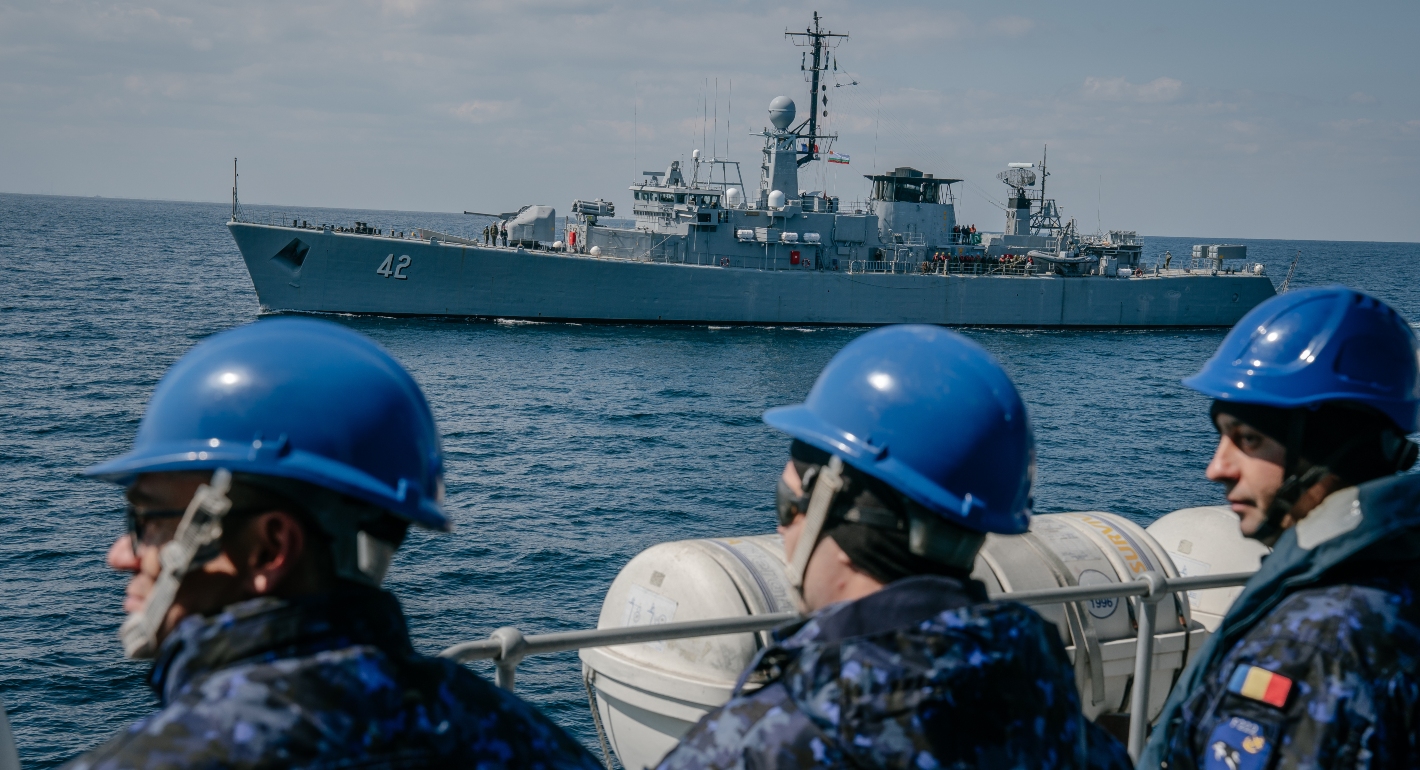
As Russia's war on Ukraine drags on, NATO is expanding its footprint in the Black Sea. Turkey, Romania, and Bulgaria are upgrading their fleets and deepening trilateral cooperation.

Dimitar Bechev
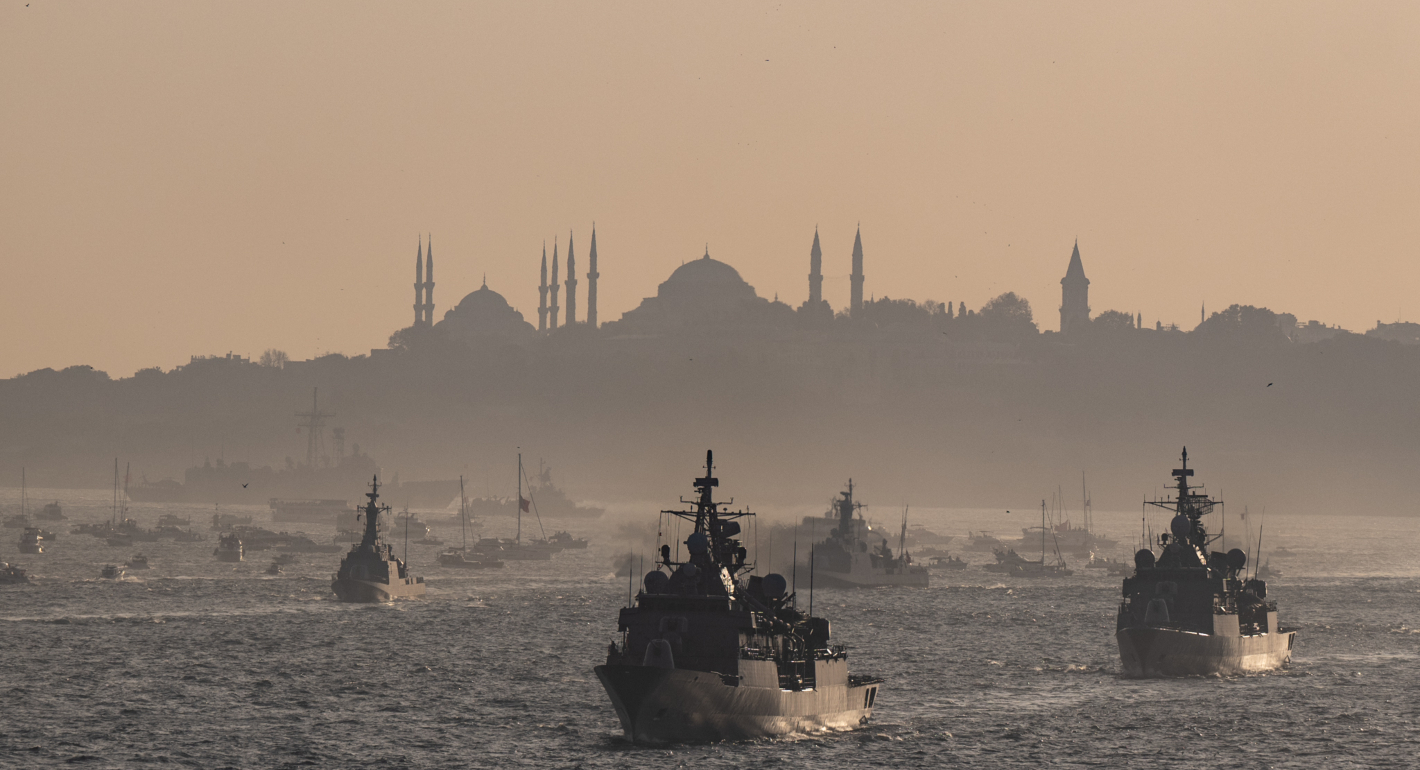
For ninety years, Turkey has been positioned as the principal gatekeeper of Black Sea security. As a result, European and NATO efforts to support Ukraine will require closer engagement with Ankara.

Thomas de Waal