

Commentary
As we close out another season of Strategic Europe, it is worth taking stock of the deep shifts underway.
Rym Momtaz
{
  "authors": [
    "Richard Youngs",
    "Elene Panchulidze"
  ],
  "type": "other",
  "centerAffiliationAll": "dc",
  "centers": [
    "Carnegie Endowment for International Peace",
    "Carnegie Europe"
  ],
  "collections": [
    "Coronavirus"
  ],
  "englishNewsletterAll": "democracy",
  "nonEnglishNewsletterAll": "",
  "primaryCenter": "Carnegie Europe",
  "programAffiliation": "DCG",
  "programs": [
    "Democracy, Conflict, and Governance"
  ],
  "projects": [],
  "regions": [],
  "topics": [
    "Foreign Policy",
    "Democracy",
    "Political Reform"
  ]
}
Source: Getty
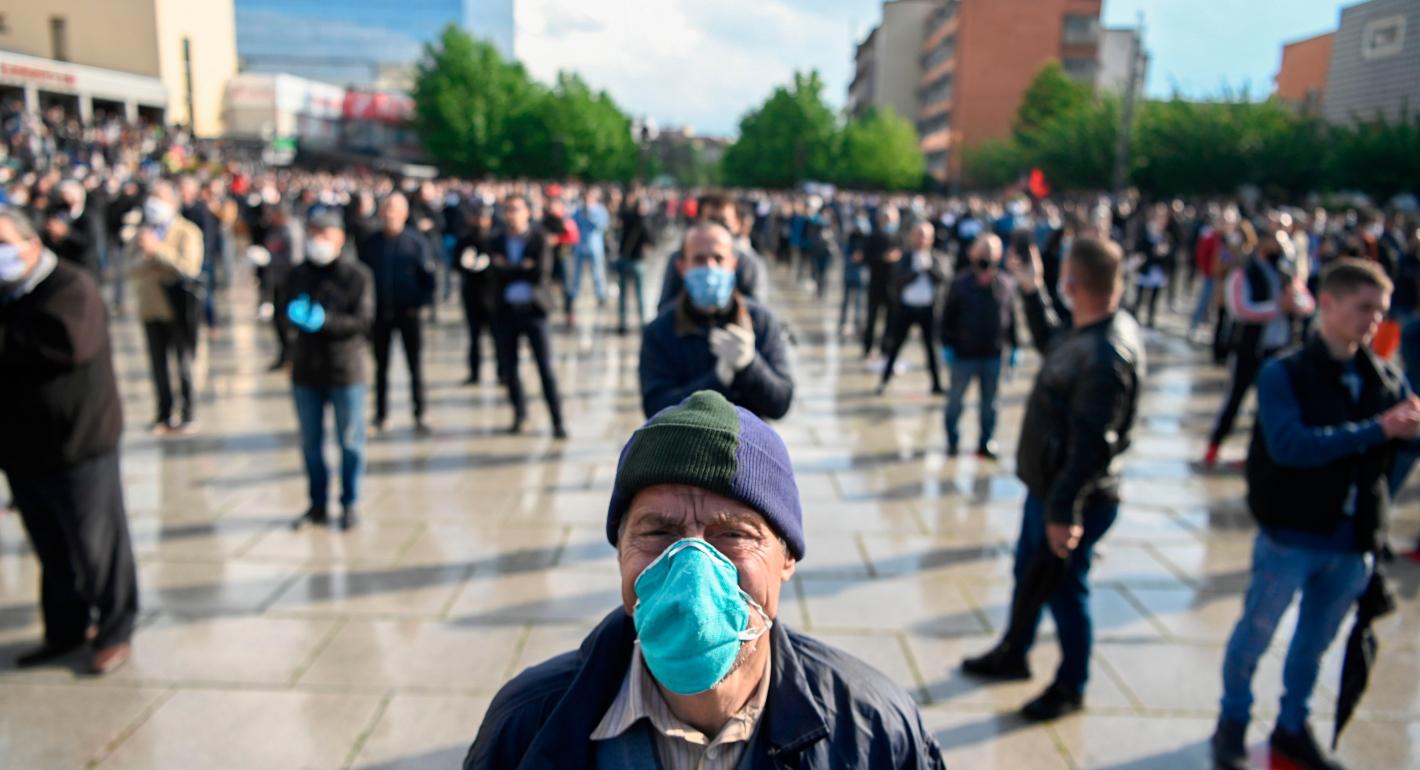
The pandemic is having distinctive political implications across different types of regime. Policy responses need to be tailored to these contrasting outcomes and risks in the way they seek to advance and uphold democratic rights.
Source: European Endowment for Democracy
This report assesses the impact that Covid-19 is having on democracy around the world. It examines how international democracy support organisations and donors are responding to the challenges related to the pandemic and calls for a stronger and reformulated international democracy support both now and into the longer-term future. Rather than getting immersed in inconclusive debates about which kind of political system is set to deal best with Covid-19, the report calls for a more practical policy effort to ensure that democratic norms are defended and work in a way that is tightly relevant to the pandemic. While democratic systems may have several potential advantages in fighting pandemics and their aftermath, these need to be proactively fostered. The report demonstrates that the pandemic is having distinctive political implications across different types of regime. Policy responses need to be tailored to these contrasting outcomes and risks in the way they seek to advance and uphold democratic rights.
Aligning with the statement - ‘A Call to Defend Democracy’- based on an assessment of crisis-related democratic trends, the report offers five concrete recommendations for how governments and international organisations concerned with supporting democracy globally should respond to the Covid-19 crisis. It advocates: a global monitoring of Covid-19 related democratic infringements; new ways of including democracy efforts into Covid-19 emergency and recovery aid; an enhanced support of democratic civic activism that has emerged during the pandemic; a new multilateral initiative to learn lessons from how democracies have coped with the crisis; and an effort to explore the growth in new types of democratic practice that have proliferated under Covid-19. Through these recommendations, the report offers guidance to democracy organisations and donors as they endeavour to keep democracy on the international agenda during the global health crisis, as well as for civil society organisations adjusting their strategies to the altered context. These issues are also of broader relevance to governments and citizens around the world given the challenge of sustaining Covid-19 measures over the longer-term that do not trample on basic democratic practices.

Senior Fellow, Democracy, Conflict, and Governance Program
Richard Youngs is a senior fellow in the Democracy, Conflict, and Governance Program, based at Carnegie Europe. He works on EU foreign policy and on issues of international democracy.

Elene Panchulidze
Head of Research, European Partnership for Democracy
Elene Panchulidze is head of research at the European Partnership for Democracy.
Carnegie does not take institutional positions on public policy issues; the views represented herein are those of the author(s) and do not necessarily reflect the views of Carnegie, its staff, or its trustees.

As we close out another season of Strategic Europe, it is worth taking stock of the deep shifts underway.

Rym Momtaz

The hybrid warfare landscape is evolving rapidly, leaving policymakers without clear strategies. To better inform their work in addressing emerging challenges, governments must dig deeper into the underlying dynamics at play.


Raluca Csernatoni, Alicia Wanless

The EU had to compromise to adopt a twenty-first sanctions package against Russia, exposing growing cracks in the union’s resolve. Is this latest, weaker round worth it to keep pressure on Moscow?
Rym Momtaz, ed.

Trump is distracted and Ukraine wants Europe to step up. The continent’s leaders must find their voice and assert it in talks with Russia.

Alissa de Carbonnel

Mounting economic strain and battlefield losses will not necessarily make the Kremlin less dangerous. They could instead push Moscow toward a more aggressive hybrid campaign designed to test NATO’s Eastern flank, exploit allied hesitation, and fracture European resolve.

Maksym Beznosiuk